DbcultAccessing Vault...
Cult Review
Senior Film Conservator
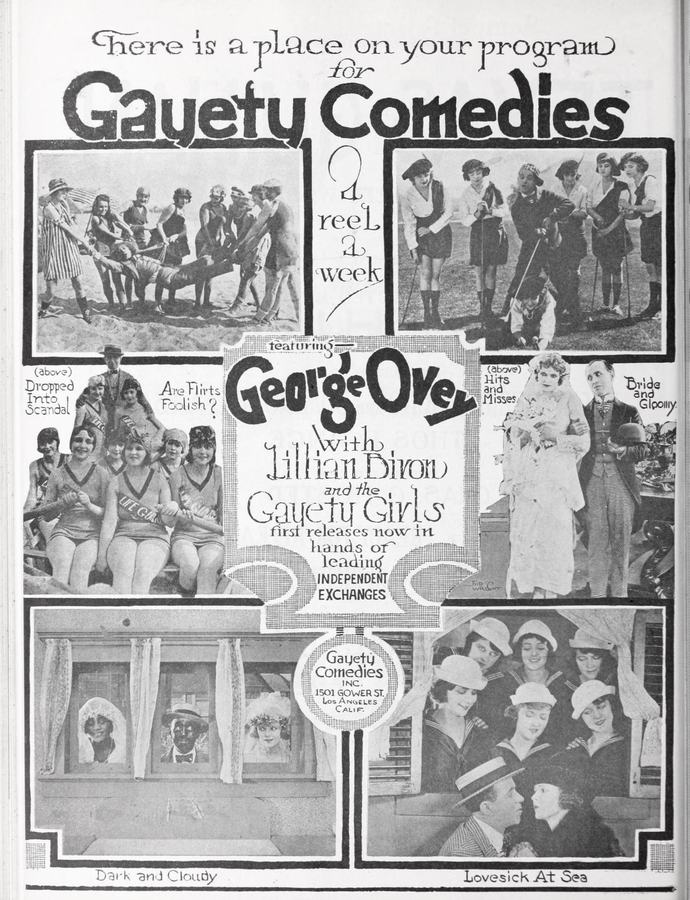
Stepping back into the hallowed halls of silent cinema, one occasionally unearths a true cinematic curio, a film whose charm and craft transcend the limitations of its era. Such is the case with 'Hits and Misses', a delightful confection starring the inimitable George Ovey and the captivating Lillian Biron. This picture, a masterclass in comedic timing and heartfelt storytelling, offers more than just a fleeting glimpse into early 20th-century entertainment; it presents a profound, albeit lighthearted, rumination on ambition, failure, and the serendipitous paths to success. It’s a work that, despite its age, still resonates with an audience accustomed to far more sophisticated narrative techniques, proving that genuine human emotion and well-executed physical comedy are truly timeless.
At the heart of 'Hits and Misses' lies Percival Piffle, brought to effervescent life by George Ovey. Ovey, a performer known for his expressive physicality and an almost childlike innocence, imbues Percival with an endearing quality that immediately draws the viewer into his chaotic orbit. Percival is not merely an inventor; he is an embodiment of unbridled optimism, a man whose spirit remains unbroken despite a relentless barrage of setbacks. His workshop, a ramshackle sanctuary of half-baked ideas and precarious contraptions, is a character in itself – a visual metaphor for Percival’s mind, brimming with potential yet perpetually teetering on the brink of collapse. The film masterfully uses this setting to amplify the comedy, each creaking beam and wobbling gear hinting at the impending, yet always surprising, disaster. Ovey’s performance is a clinic in silent-era acting, relying heavily on exaggerated gestures, facial contortions, and a fluid command of his physical space. He doesn't just act; he *becomes* Percival, a man whose every movement, from a hopeful tip-toe to a despairing slump, communicates volumes without a single spoken word. This dedication to character, this complete immersion, is what elevates 'Hits and Misses' beyond simple slapstick. It’s a testament to Ovey’s skill that we laugh at Percival’s predicaments not out of malice, but out of a shared, empathetic understanding of the human condition, where aspirations frequently collide with reality.
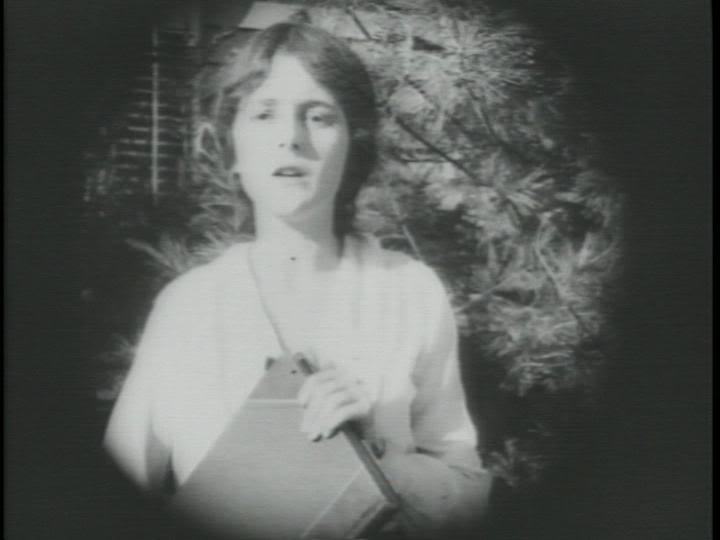
Counterbalancing Percival’s boundless, often misguided, enthusiasm is Lillian Biron’s Penelope Prudence. Biron, with her nuanced expressions and understated grace, crafts a character who is both a foil and an indispensable ally to Percival. Penelope is the voice of reason, the pragmatic soul who, despite her constant exasperation, cannot help but be drawn to Percival’s infectious spirit. Her initial interactions with him are a delightful dance of exasperation and veiled concern. We see her meticulously tending to her garden, only for it to be inadvertently decimated by one of Percival’s runaway experiments, or her freshly laundered clothes singed by a sudden, unexpected combustion. Yet, beneath the surface of her scolding and her eye-rolls, there’s a discernible warmth, a quiet admiration for a man who dares to dream so audaciously. Biron’s performance is a masterclass in subtlety, a stark contrast to Ovey’s broader comedic strokes. She conveys a complex internal life through slight shifts in her gaze, a gentle softening of her lips, or a hesitant gesture of assistance. It’s in these quiet moments that the film’s heart truly shines, revealing the unspoken affection that binds these two disparate individuals. Penelope’s role is crucial; she grounds the narrative, preventing Percival’s flights of fancy from becoming entirely untethered from reality. Her presence provides a necessary emotional anchor, reminding us that even the most whimsical dreams require a touch of practicality to truly take root.
'Hits and Misses' excels in its construction of comedic sequences, meticulously building anticipation for Percival’s inevitable failures, only to deliver them with ingenious twists. The film’s narrative arc, culminating in the county fair demonstration, is a meticulously choreographed ballet of impending doom and unexpected triumph. The "Auto-Homesteader," Percival’s crowning achievement (or impending disaster), is a marvel of Rube Goldberg-esque design, each component seemingly designed to malfunction in the most spectacular way possible. The comedic genius lies not just in the slapstick, but in the way the film uses these failures to propel the story forward, often leading to unforeseen, positive consequences. The sequence at the fair is a tour de force of physical comedy, with Ovey at its center, navigating a labyrinth of malfunctioning gears, exploding parts, and bewildered onlookers. The pacing here is frenetic, a whirlwind of visual gags that keeps the audience in stitches. It’s reminiscent of the chaotic brilliance seen in films like Pay Day, though with its own unique, slightly more pastoral, flavor. While Chaplin's precision in Pay Day is legendary, Ovey's charm in 'Hits and Misses' comes from a more innocent, almost accidental, brand of chaos. The film understands that true humor often emerges from the unexpected, from the delightful irony of a grand plan going awry in the most spectacular fashion.
Beyond the laughter, 'Hits and Misses' delves into surprisingly poignant themes. It’s a celebration of resilience, a testament to the human spirit’s capacity to persevere in the face of constant disappointment. Percival Piffle, for all his blunders, never truly gives up. Each failure, rather than crushing his spirit, seems to fuel his determination, a quality that is both admirable and deeply human. This unwavering optimism, even when faced with ridicule, is what makes him such a compelling character. The film subtly questions conventional definitions of success. Is success merely the achievement of one’s stated goals, or can it be found in the unexpected outcomes, the serendipitous discoveries that arise from spectacular failures? Percival’s ultimate triumph, born from a series of comical catastrophes, suggests that sometimes, the greatest innovations and solutions emerge from the most unlikely circumstances. It’s a message that resonates deeply, suggesting that there’s value in the journey, even if the destination isn't what we initially envisioned. This thematic depth elevates 'Hits and Misses' beyond a simple comedy, embedding it with a philosophical underpinning that invites contemplation long after the final reel has spun.
The technical aspects of 'Hits and Misses' are, for its time, remarkably effective. The cinematography, while not groundbreaking by modern standards, captures the essence of the period with a clear, crisp aesthetic that allows Ovey’s physical comedy to shine. The use of intertitles is judicious, providing just enough narrative exposition without interrupting the flow of the visual storytelling. The set designs, particularly Percival’s workshop and the bustling county fair, are richly detailed, adding to the immersive quality of the film. They transport the audience to a bygone era, a world where ingenuity, even if misguided, was celebrated. The film’s pacing is a masterclass in silent-era storytelling, building momentum towards its climax with an escalating series of comedic events. It understands the rhythm of visual narrative, knowing when to linger on a reaction shot and when to accelerate into a flurry of action. In some ways, the film shares a spirit of optimistic determination with features like A Gay Old Dog, where characters, despite their circumstances, maintain a hopeful outlook. However, 'Hits and Misses' leans more heavily into the comedic absurdity of its protagonist's journey, making it a distinct experience.
What makes 'Hits and Misses' such an enduring piece of cinema is its ability to blend uproarious comedy with genuine heart. George Ovey and Lillian Biron, through their contrasting yet complementary performances, create a dynamic that is both hilarious and touching. The film doesn't just aim for cheap laughs; it builds its comedy on character, on the universal human experience of striving for something, falling short, and finding unexpected joy in the process. It's a reminder that sometimes, the greatest victories are not the ones we meticulously plan, but the ones that emerge from the beautiful chaos of life. The film's message of perseverance, of finding the 'hit' within the 'miss,' is as relevant today as it was a century ago. It encourages us to embrace our imperfections, to laugh at our failures, and to keep dreaming, even when the odds seem insurmountable. In an era where cinematic spectacle often overshadows genuine storytelling, 'Hits and Misses' stands as a testament to the power of simple, heartfelt narrative and the timeless appeal of well-crafted comedy. It's a film that deserves to be rediscovered, a delightful journey into the past that offers profound lessons for the present. Its legacy is not just in its laughter, but in its gentle reminder that sometimes, the most magnificent failures pave the way for the most extraordinary successes.
When we consider 'Hits and Misses' within the broader tapestry of silent cinema, its unique blend of character-driven comedy and thematic depth becomes even more apparent. While many contemporary films focused on grander narratives or more straightforward melodramas, 'Hits and Misses' carved out a niche with its focus on the everyday struggles and triumphs of an ordinary, albeit extraordinary, man. It avoids the overt sentimentality of some dramas like The Hungry Heart, choosing instead a path paved with laughter and lighthearted resilience. George Ovey, in particular, established a persona that, while distinct, shared a certain everyman appeal with other comedic figures of the era. His ability to convey complex emotions through physical comedy places him among the unsung heroes of the silent screen. Lillian Biron's performance, too, holds its own, offering a compelling female character who is neither a damsel in distress nor a one-dimensional antagonist, but a fully realized individual with her own agency and depth. Her character's quiet strength and unwavering loyalty provide a solid foundation for Ovey's more flamboyant antics. The film's exploration of ambition and its frequent misfires might draw a faint parallel to the earnest, if sometimes misguided, aspirations seen in films like A Broadway Saint, but 'Hits and Misses' maintains a lighter, more comedic tone throughout. It revels in the absurdity of its premise, never allowing the stakes to become too heavy, even when Percival's reputation hangs in the balance. This consistent tone is one of its greatest strengths, ensuring that the audience remains engaged and entertained from start to finish.
The direction in 'Hits and Misses' is subtle yet effective, employing techniques common to the era but with a keen eye for comedic impact. The camera often frames Ovey in wide shots, allowing his full body to contribute to the gag, emphasizing the physical nature of his character's plight. Close-ups are used sparingly but powerfully, often to capture Penelope's reactions – a raised eyebrow, a slight smile – that speak volumes about her internal thoughts. The editing is crisp, facilitating the rapid-fire comedic sequences and ensuring that the film's pace never falters. There's a particular ingenuity in how the film stages the escalating chaos of the county fair scene, using a series of quick cuts and dynamic camera movements (for its time) to convey the overwhelming pandemonium. This sequence alone is a testament to the filmmakers' understanding of visual storytelling, demonstrating how to build tension and then release it through carefully orchestrated mayhem. Unlike the more dramatic, brooding cinematography one might find in a film like En la sombra, 'Hits and Misses' embraces a brighter, more open visual style that perfectly complements its comedic tone. The outdoor scenes, in particular, are bathed in a natural light that adds to the film's wholesome, charming aesthetic, making the fantastical inventions and their ensuing disasters feel almost grounded in a recognizable reality. The set design, from Percival's cluttered workshop to the vibrant fairgrounds, is meticulously crafted, adding layers of authenticity and visual interest to each scene. These seemingly minor details contribute significantly to the film's overall immersive quality, allowing the audience to fully lose themselves in Percival's world of dreams and delightful disasters.
'Hits and Misses' is more than just a historical artifact; it is a vibrant, engaging piece of cinema that continues to captivate. Its success lies in its universal themes, its expertly executed comedy, and the unforgettable performances of George Ovey and Lillian Biron. It's a film that celebrates the indomitable human spirit, the beauty of unconventional success, and the sheer joy of laughter. For enthusiasts of silent film, or anyone with an appreciation for well-crafted storytelling, 'Hits and Misses' offers a refreshing and thoroughly entertaining experience. It stands as a testament to the enduring power of cinema to transcend time and language, to connect with audiences across generations through the simple yet profound narrative of a dreamer who, despite all odds, keeps hitting, and missing, his way to triumph. It reminds us that sometimes, the most magnificent failures are merely stepping stones to the most unexpected and heartwarming successes. Its legacy is not just in its laughter, but in its gentle reminder that sometimes, the most spectacular missteps pave the way for the most extraordinary achievements, echoing the hopeful spirit that defines much of early cinematic art. The film truly embodies the spirit of its era, demonstrating how simple narratives, when executed with heart and wit, can achieve lasting resonance and provide a timeless source of joy and inspiration.
IMDb —
1919
Community
Log in to comment.