DbcultAccessing Vault...
7.1/10
Senior Film Conservator
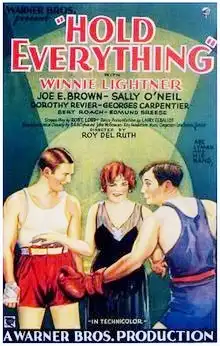
A definitive 7.1/10 rating for a film that redefined the boundaries of cult cinema. Hold Everything remains a cornerstone of transgressive art.
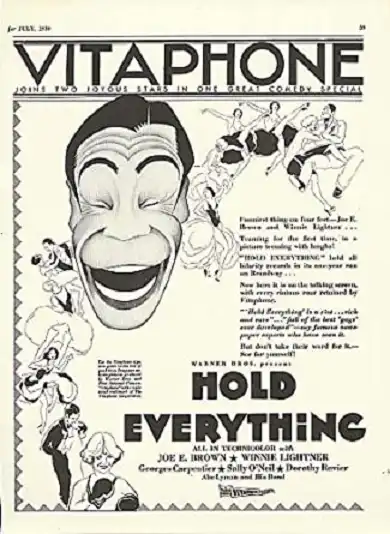
Alright, so you're flipping through old movies, maybe on a streaming service or something, and Hold Everything (1930) pops up. Is it worth hitting play? Honestly, if you've got a soft spot for early talkie comedies, especially the really loud ones, then yeah, give it a shot. It's got that undeniable 1930s charm, a bit unpolished. If you need crisp visuals and modern pacing, or if Joe E. Brown's particular brand of over-the-top antics just isn't your thing, you'll probably want to skip this one. No hard feelings.
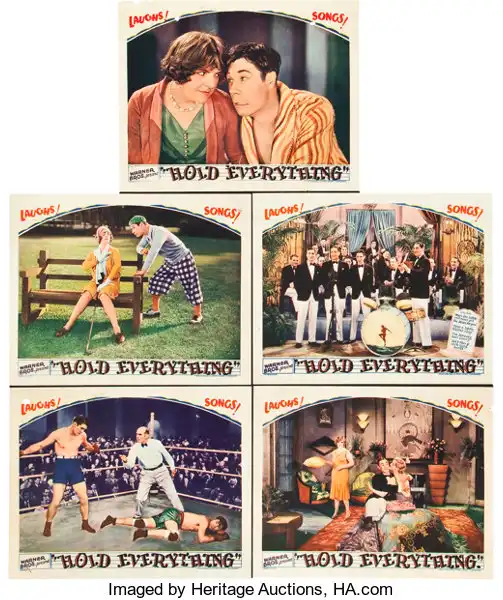
Joe E. Brown, man, he's just everywhere in this movie. His voice is something else, this big, booming, almost cartoonish thing that just fills the room. You can practically see the sound engineers trying to keep it from blowing out the mics. He plays this guy, 'Gink,' who everyone thinks is this big-shot boxer. They just assume it, you know?
The plot, it's pretty simple: Gink gets mixed up with a genuine fighter, Georges Carpentier – who, by the way, was a real-life boxing champ. It's neat seeing him on screen, even if his acting is, well, very of its time. He just kinda… stands there a lot, looking handsome.
There's this one bit where Gink is trying to impress a girl, played by Winnie Lightner, and he's doing these absolutely ridiculous poses. His arms flailing, his face all scrunched up. It goes on a good bit longer than you expect, and it goes from kinda funny to really funny because of that. Like, is he serious? He thinks he's being suave.
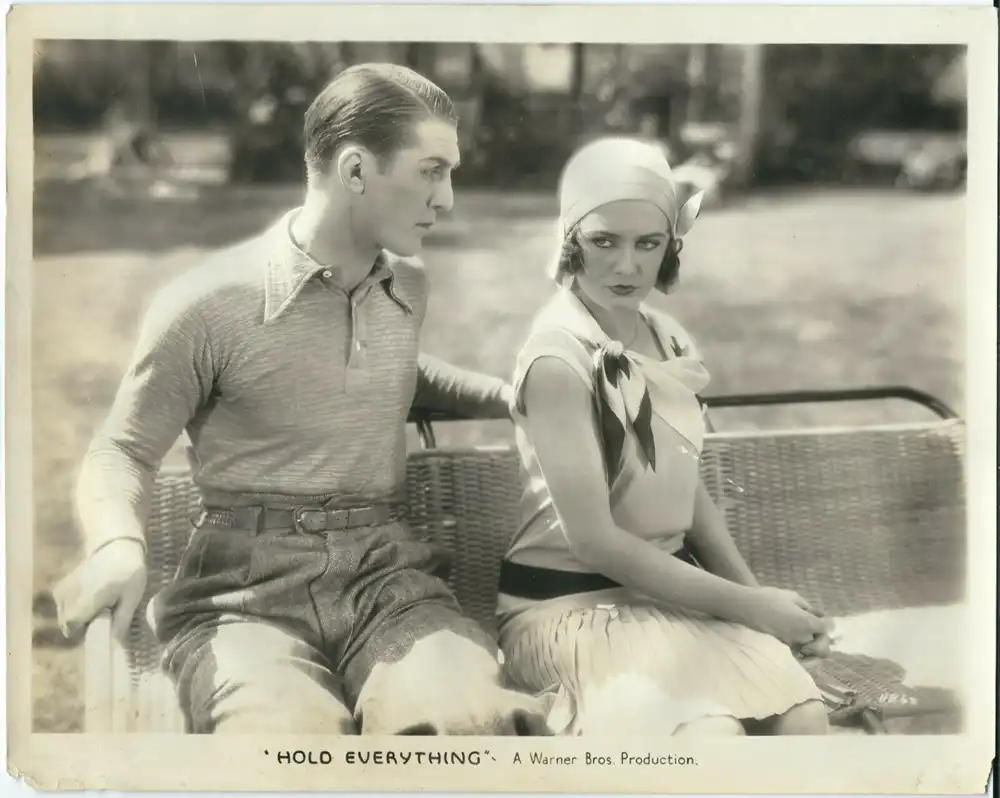
The whole movie feels a bit like a stage play they just pointed a camera at. The sets are minimal, mostly a gym and an office, but that’s okay. It makes sense for the story. There's not a lot of fancy camera work, but who's complaining? It's 1930.
And the dialogue! Oh, it's so snappy, in that old-school way. Everyone's got a quick comeback, even if some of the jokes don't quite land anymore. But you get the vibe of it. The energy is infectious, even if the actual laughs are more like polite chuckles today.
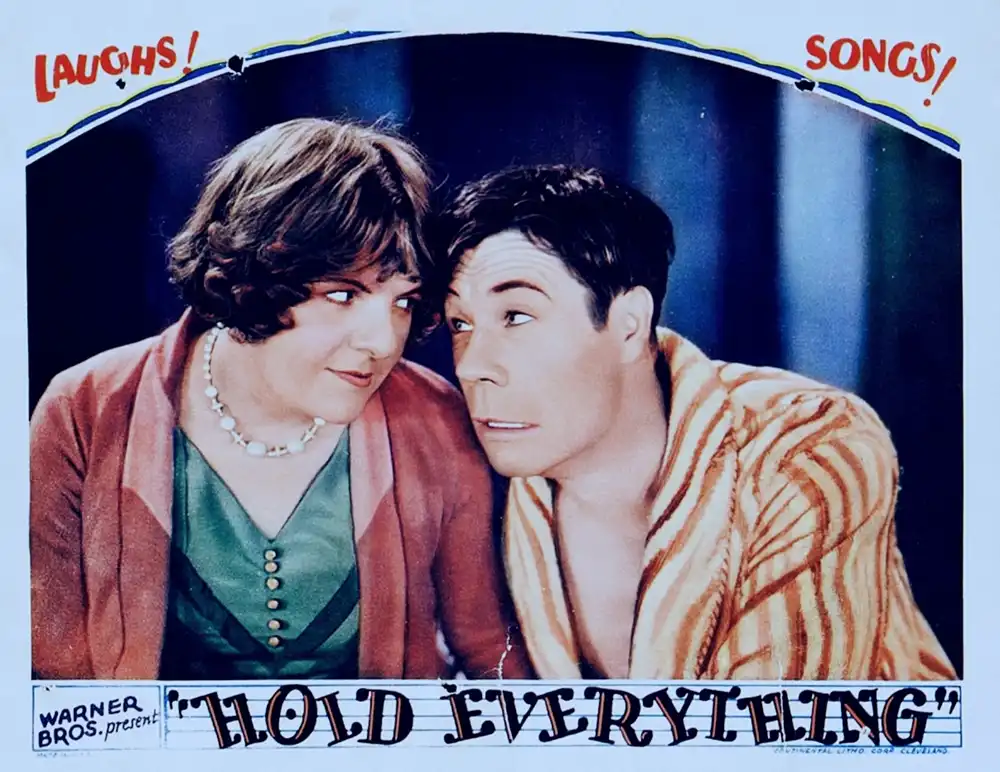
Sally O'Neil and Dorothy Revier are also around, mostly there to be charmed or confused by Gink's antics. They do their best with the material. Honestly, it's mostly Brown's show. He's the engine.
The ending, without giving too much away, it wraps things up pretty quickly. No lingering questions, which is kinda nice. It just finishes, and you're left thinking about how wild early talkie performances could be.
It's not a deep film, not by a long shot. You won't be pondering the human condition after this one. But it's a peek into a different era of comedy. A time when big personalities and simple misunderstandings were enough.
I found myself smiling at the sheer audacity of some of the performances. Especially Brown's. He commits. Totally commits to the bit, whatever it is. Even when the camera just sits there, he's performing for the back row.
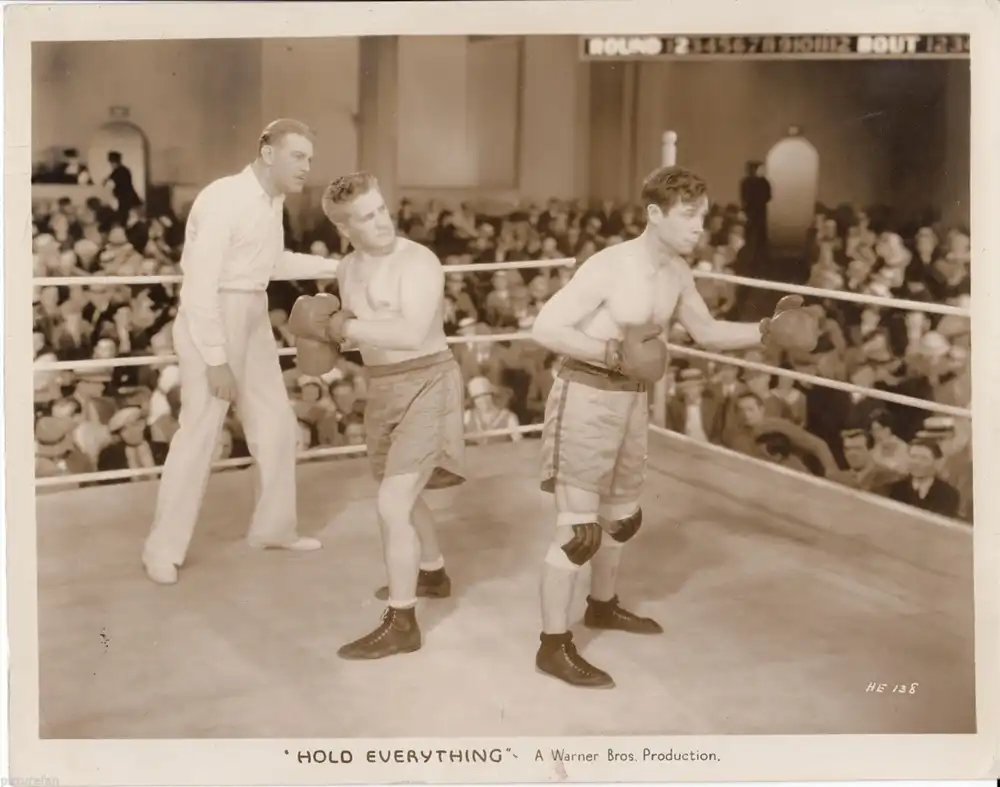
There's a scene with a boxing match, naturally, and it's filmed in a way that just screams 'early sound stage.' The punches sound a bit like slaps, and the crowd noise is a little too clean, like they had six people yelling at once on cue. It's charmingly clunky.
IMDb 5.2
1922
Community
Log in to comment.