DbcultAccessing Vault...
4.6/10
Senior Film Conservator
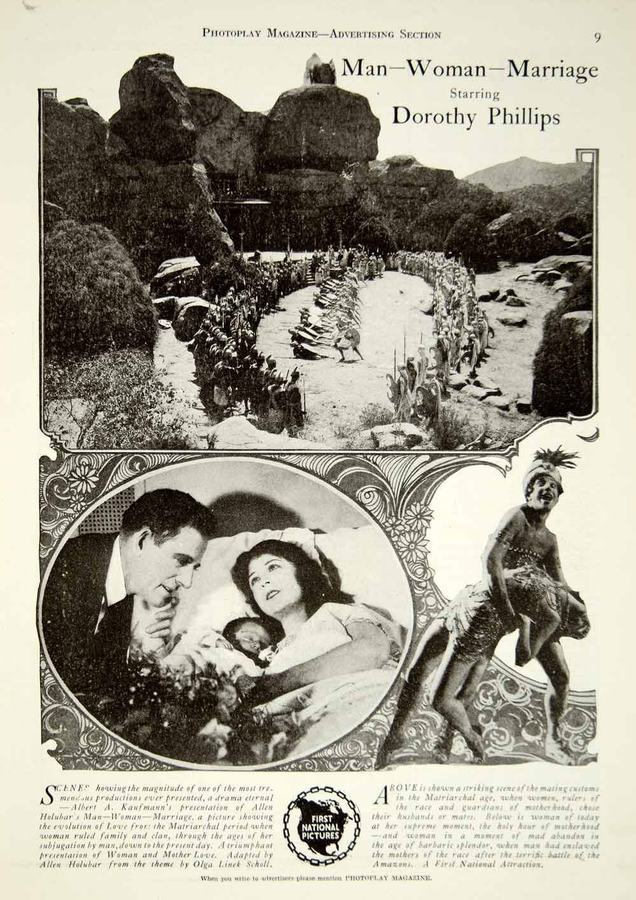
A definitive 4.6/10 rating for a film that redefined the boundaries of cult cinema. Man-Woman-Marriage remains a cornerstone of transgressive art.
The early 1920s represented a peculiar, almost feverish zenith for American silent cinema—a period where directors like Allen Holubar were not merely content with telling stories but were obsessed with cataloging the entire human condition. Man-Woman-Marriage (1921) stands as a towering, if occasionally unwieldy, monument to this ambition. It is a film that refuses to stay within the confines of a single genre, instead choosing to oscillate between a gritty political melodrama and a sprawling historical pageant. Watching it today is akin to unearthing a lost manuscript that attempts to explain the entire friction of the sexes through a series of vivid, often hallucinatory vignettes.
At its core, the modern-day narrative of Victoria and David Courtney serves as the anchor for the film’s more experimental flourishes. Unlike the somewhat more whimsical explorations found in Chris and His Wonderful Lamp, Holubar’s work here is infused with a cynical realism regarding the corruptive nature of the American legal and political system. David Courtney’s descent from a principled young attorney to a bribery-tainted politician is portrayed with a deliberate, agonizing slowness. James Kirkwood brings a rugged, eventually crumbling dignity to the role, while Dorothy Phillips delivers a performance of remarkable range, transitioning from the quiet defiance of her early marriage to the sharp, tactical brilliance of her senatorial campaign.
The film’s treatment of Victoria’s political ascent is particularly striking for its era. In many ways, it echoes the domestic tensions seen in Bridges Burned, yet it pushes the stakes into the public arena. Victoria does not merely leave her husband; she challenges him for the soul of the nation. Her victory as a dark-horse candidate is not just a plot point; it is a cinematic declaration of the 'New Woman's' burgeoning agency. The irony of David’s redemption occurring within the confines of a prison cell—rehabilitated by the very woman he sought to overshadow—adds a layer of moral complexity that few films of the period dared to explore.
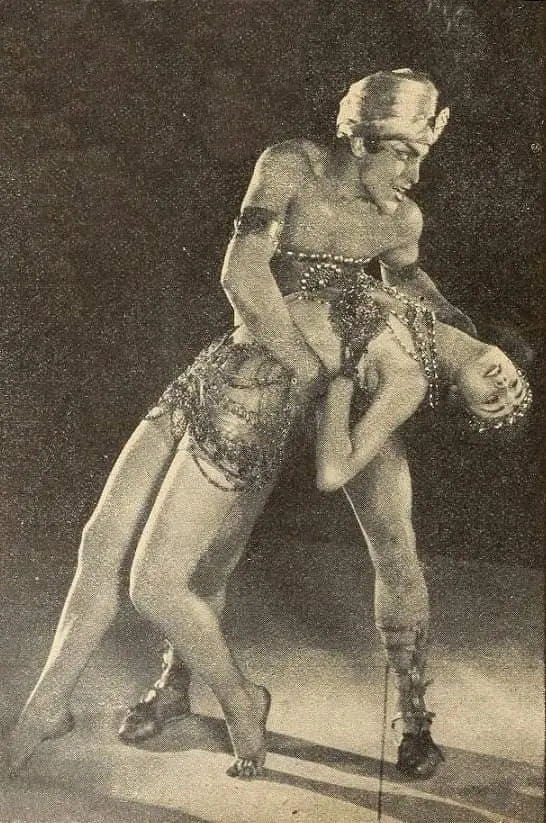
What truly elevates Man-Woman-Marriage into the realm of the avant-garde are its five historical interludes. These are not mere decorative flashbacks; they are psychological projections of Victoria’s internal struggles. Each era serves as a commentary on the power dynamics she faces in the 1920s. The Stone Age sequence is a brutalist exploration of primal possession, contrasting sharply with the Age of Chivalry, which exposes the suffocating nature of idealized, courtly romance. These sequences possess a visual grandeur that rivals the surrealist leanings of Gólyakalifa, though with a more didactic intent.
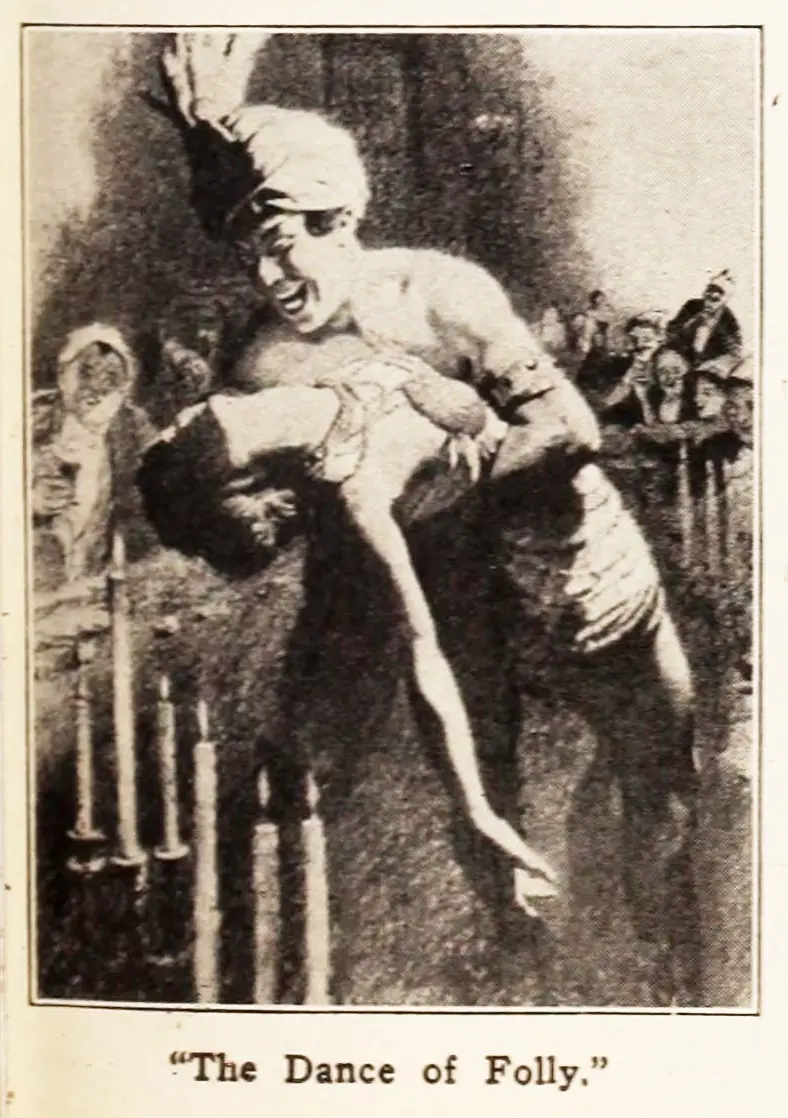
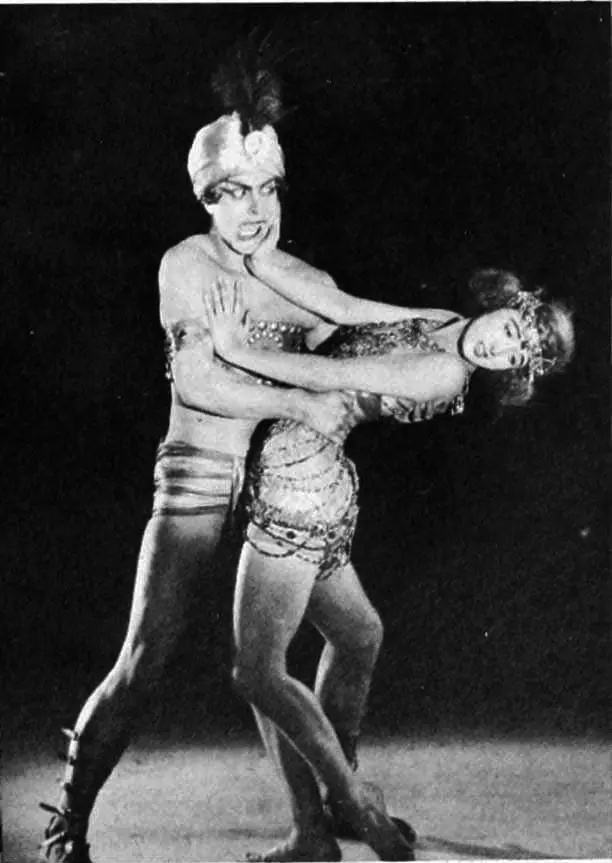
The transition into the Roman era introduces a palette of sybaritic excess. Here, the film explores the concept of debauchery as a symptom of societal collapse—a direct parallel to David’s contemporary moral failings. The costumes and set designs are opulent, capturing a sense of 'grandeur in decay' that one might find in Mr. Grex of Monte Carlo, yet Holubar keeps the focus on the interpersonal betrayal. Finally, the Constantine sequence offers a spiritual synthesis, suggesting that the only resolution to the eternal conflict between man and woman lies in a shared, higher morality—a theme that resonates with the redemptive arcs found in Sweetheart of the Doomed.
Holubar’s direction is characterized by an almost architectural sense of space. He utilizes deep focus and large-scale ensemble staging to create a sense of historical weight. Unlike the more intimate, character-driven focus of The Little Widow, this film breathes through its epic scope. The lighting, particularly in the Roman and Christian dream sequences, utilizes high contrast to delineate between the 'pagan' darkness and the 'spiritual' light, a technique that was cutting-edge for the early twenties.
The editing is equally ambitious. The cross-cutting between Victoria’s modern political campaign and her visions of the past creates a rhythmic urgency. We see her addressing a crowd of voters, and then, in a flash of cinematic alchemy, she is leading an army of Amazons. This juxtaposition reinforces the film’s central thesis: that the struggle for equality is not a modern fad but an ancient, recurring battle. While some critics of the era found these transitions jarring, from a contemporary perspective, they represent a sophisticated understanding of montage as a tool for thematic resonance.
When compared to other films of its day, Man-Woman-Marriage feels significantly more intellectually aggressive. While Sweet Kitty Bellairs played with the tropes of romance and social standing with a lighter touch, Holubar’s work is a heavy-handed, albeit fascinating, critique of the institution of marriage itself. It shares some of the adventurous spirit found in The Island of Desire, but swaps the physical exoticism for a psychological journey through time.
Even in its more conventional moments, such as the courtroom drama and the political rallies, the film maintains a level of intensity that is absent from lighter fare like A Sporting Chance or The Romance Promoters. There is a palpable sense of anger beneath the surface—anger at the way women are treated as property, and anger at the way men squander their integrity for fleeting gains. This social consciousness places it closer to the gritty realism of The Claw, yet its fantastical elements keep it from being purely a social problem film.
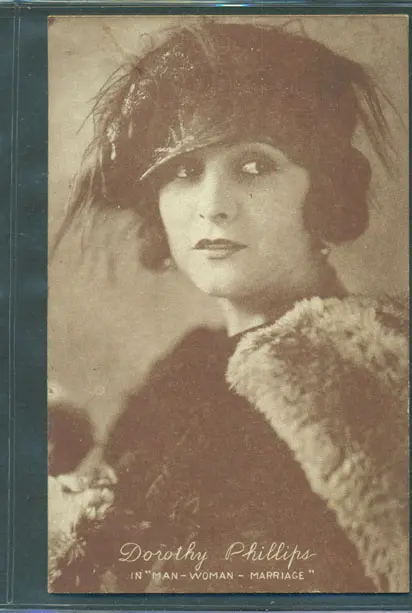
Dorothy Phillips remains the radiant sun around which the entire production orbits. Her ability to embody five different archetypes while maintaining the core identity of Victoria is a masterclass in silent acting. She avoids the histrionics common in the era, opting instead for a soulful, expressive stillness that conveys more than any title card could. In the scenes where she denounces David, her eyes flash with a mixture of heartbreak and iron-willed resolve that is truly haunting. Robert Cain and the young Ramon Novarro provide solid support, though they are often overshadowed by the sheer scale of the production design.
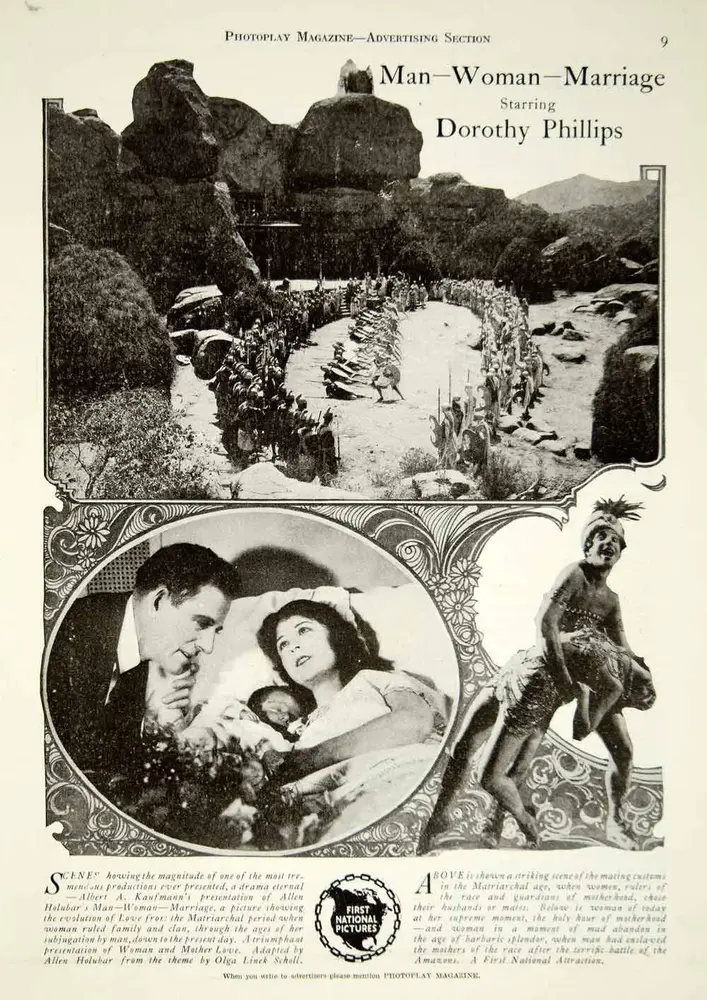
The film’s legacy is one of daring experimentation. It attempted to do for the history of gender what Griffith’s 'Intolerance' did for the history of prejudice, albeit on a slightly more intimate, domestic scale. While it may lack the narrative cohesion of A Song of Sixpence, it compensates with its sheer audacity. It is a film that demands to be seen not just as a relic of the past, but as a precursor to the modern feminist cinema. The way it links personal betrayal to systemic corruption is a theme that remains painfully relevant.
To experience Man-Woman-Marriage is to witness the birth of the cinematic epic in its most raw and uninhibited form. It is a work of high lexical diversity in its visual language, speaking in tongues of ancient stone and modern steel. Though it occasionally stumbles under the weight of its own metaphors, the sheer bravery of its execution is undeniable. Holubar and Phillips crafted a narrative that is both a product of its time and a timeless exploration of the human heart’s capacity for both betrayal and redemption. For those weary of the formulaic plots of The Suitor or the simplistic morality of The Heart of Paula, this film offers a dense, rewarding, and visually arresting alternative.
In the final analysis, the film’s conclusion—a reconciliation born of suffering and spiritual awakening—might seem overly sentimental to the modern eye. However, within the context of 1921, it was a necessary catharsis. It suggests that while the struggle between man and woman is eternal, it is not destined to be a zero-sum game. Through the character of Victoria, the film posits a future where power is not seized through dominance, but earned through character and shared vision. It is a sophisticated, challenging, and ultimately hopeful piece of cinema that deserves its place in the pantheon of silent greats.
© 1921 Film Critique Archive - A Deep Dive into Silent Masterpieces
IMDb —
1929
Community
Log in to comment.