DbcultAccessing Vault...
6.7/10
Senior Film Conservator
A definitive 6.7/10 rating for a film that redefined the boundaries of cult cinema. Decameron Nights remains a cornerstone of transgressive art.
The cinematic landscape of the mid-1920s was often characterized by a restless yearning for the exotic, a period where the boundaries between European expressionism and Hollywood grandiosity began to blur into something altogether more singular. Herbert Wilcox’s 1924 endeavor, Decameron Nights, stands as a monumental testament to this aesthetic fusion. Drawing inspiration from the ribald and multifaceted narratives of Giovanni Boccaccio, the film eschews the mere anthology format in favor of a cohesive, sweeping drama that pits the fervor of the Saracen world against the fragile architecture of the human mind. It is a work of profound visual density, demanding an audience that appreciates the slow burn of silent histrionics and the meticulously crafted shadows of the UFA-influenced sets.
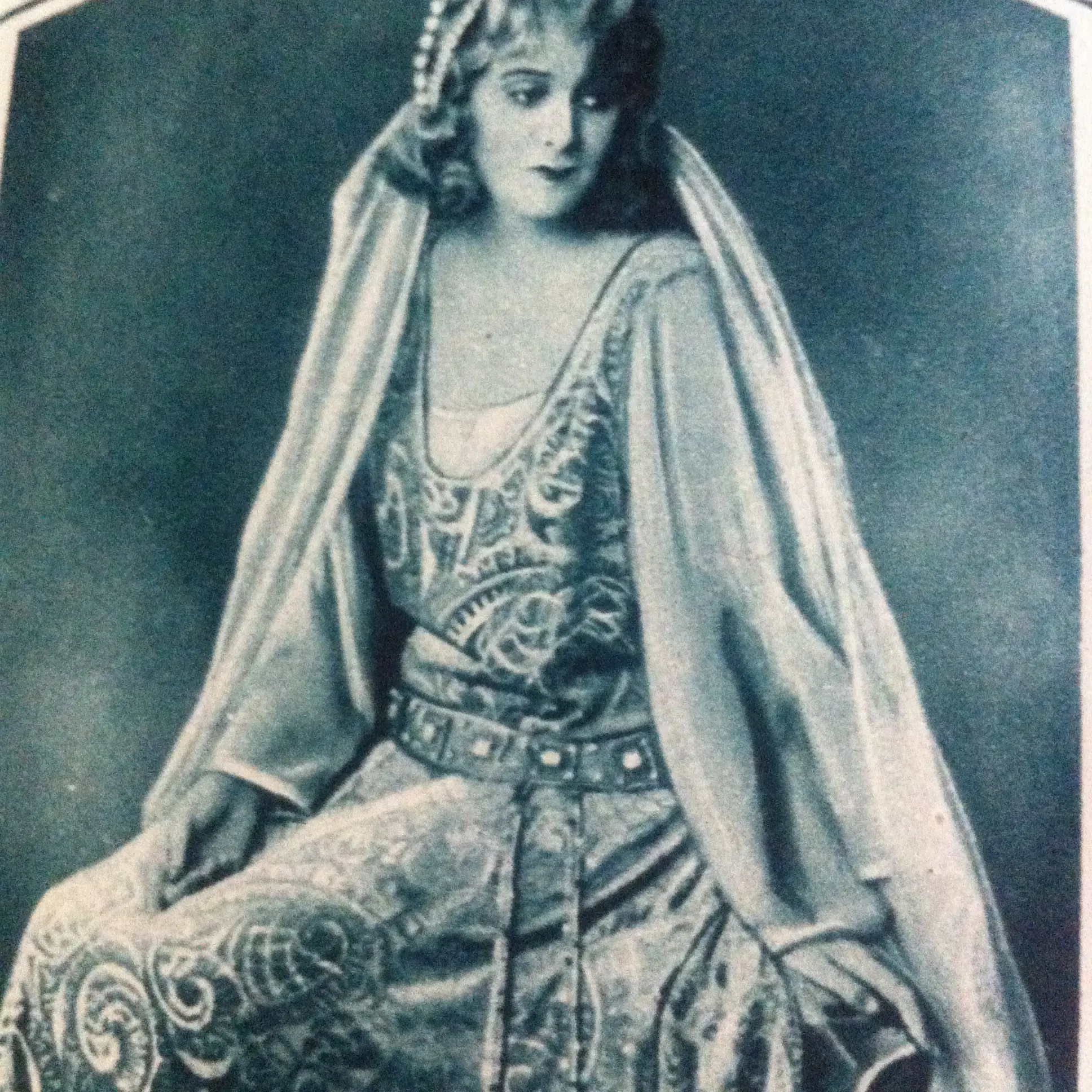
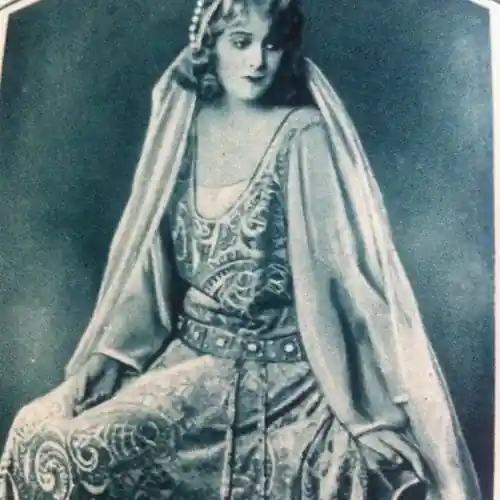
At the core of this narrative labyrinth is the princess, portrayed with a haunting, ethereal fragility by Xenia Desni. Her character exists in a state of mnestic suspension—a tabula rasa upon which the surrounding court projects its desires and political machinations. This theme of the 'erased self' provides a poignant counterpoint to the vibrant, almost aggressive vitality of the Sultan’s son. The prince, operating under a veil of disguise, becomes a metaphor for the filmmaker himself: a creator of illusions attempting to evoke a reality that has been forgotten by the subject. This dynamic elevates the film beyond the typical orientalist fantasies of its era, such as Bella Donna (1923), which often leaned more heavily into melodrama than psychological inquiry.
The script, a collaborative effort involving B. Lawrence and the director himself, navigates the treacherous terrain of Boccaccio’s original prose with a surprising degree of reverence for its underlying cynicism, even while it pivots toward a more romanticized cinematic tradition. The dialogue intertitles possess a certain florid elegance, avoiding the cloying sentimentality that plagued many contemporary productions like The Man Worthwhile. Instead, we are treated to a linguistic richness that mirrors the visual opulence of the production design.
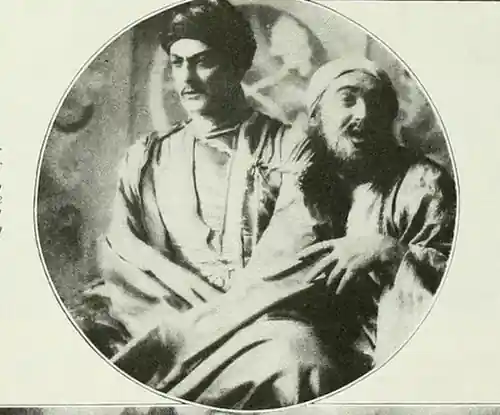
One cannot discuss Decameron Nights without acknowledging the formidable presence of Werner Krauss and Lionel Barrymore. Krauss, fresh from the jagged, distorted worlds of German Expressionism, brings a calculated, almost serpentine intensity to the screen. His movements are precise, his gaze a weapon of silent communication. He contrasts sharply with the more grounded, though equally commanding, presence of Barrymore. The interplay between these two titans creates a gravitational pull that centers the film's more sprawling elements. While Pyotr Velikiy utilized scale to convey power, Wilcox here uses the human face—the ultimate landscape of silent cinema—to map the shifting alliances and internal torments of the characters.
The supporting cast, including the likes of Bernhard Goetzke and Hanna Ralph, ensures that the film never feels like a mere star vehicle. There is a collective commitment to the gravity of the piece. Goetzke, in particular, carries the weight of the Saracen world with a dignity that avoids the caricatured 'Otherness' frequently found in films like Forbidden Paths. His performance suggests a deep, cultural stoicism that anchors the more fantastical elements of the plot.
Technically, the film is a marvel of its time. The cinematography captures the interplay of light and shadow with a sophistication that rivals the best output of the decade. The use of chiaroscuro to highlight the princess’s isolation within the vast palace chambers is particularly effective. We see echoes of this visual ambition in Bride of Vengeance, yet Decameron Nights feels more organic in its use of space. The sets are not merely backgrounds; they are active participants in the storytelling, reflecting the labyrinthine nature of the princess’s lost memories.
The costume design further enhances this immersion. The fabrics seem to possess their own weight and history, shimmering under the studio lights in a way that suggests a world of tactile reality. This attention to detail prevents the film from descending into the mere artifice of a stage play. It feels lived-in, despite its legendary roots. When compared to the somewhat more theatrical presentation of Trois familles, Wilcox’s work exhibits a much more advanced understanding of the camera's ability to create a self-contained universe.
The theme of love transcending the erasure of the self is a potent one, especially in the post-war context of the 1920s. A generation that had witnessed the literal and metaphorical destruction of their world found a strange comfort in stories of rediscovery. The Prince’s journey to awaken the Princess’s heart is not just a romantic quest; it is an act of restoration. This mirrors the contemporary obsession with psychoanalysis and the dredging of the subconscious, themes also explored in a more domestic setting in Man and His Soul.
Furthermore, the film’s treatment of the Saracen culture, while filtered through a Western lens, displays a degree of sophistication. It isn't the slapstick exoticism of Distilled Love or the lighthearted romp of Fresh Paint (1922). There is a somberness here, a recognition of the weight of empire and the burden of lineage. The Prince’s disguise is not just a plot device; it is a commentary on the fluid nature of identity in a world where one's birthright can be both a crown and a cage.
The pacing of Decameron Nights is deliberate, almost meditative. It allows the viewer to absorb the details of the frame, to watch the micro-expressions of the actors as they navigate the silence. This is a far cry from the frantic editing of early comedies or the pulp pacing of Alias Ladyfingers. Wilcox understands that for the amnesia plot to hold weight, the audience must feel the passage of time and the agonizingly slow process of reawakening. The film’s climax, when it arrives, feels earned—not through a series of rapid-fire action beats, but through the accumulation of emotional tension.
In contrast to the visceral, almost primal energy of A Tüz, Wilcox opts for a more intellectualized passion. The heat here is not that of a bonfire, but of a slow-burning ember. It is the heat of a memory trying to break through the frost of oblivion. This approach requires a more disciplined performance from the leads, and both Desni and her prince deliver with a nuanced restraint that was rare for the period.
Ultimately, Decameron Nights is a triumph of international collaboration and artistic vision. It stands as a bridge between the old world of literary adaptation and the new world of cinematic expression. While it may lack the raw, unpolished grit of Body and Soul (1920) or the moral simplicity of Humility, it compensates with a sheer, overwhelming beauty and a narrative complexity that rewards multiple viewings. It is a film that demands to be seen on a large screen, where the intricate details of the Saracen court can truly breathe.
For the modern viewer, the film offers a fascinating glimpse into the 1920s' perception of the 'Orient'—a place of mystery, danger, and profound romantic possibility. It is a work that, much like its amnesiac protagonist, invites us to rediscover something lost: the power of the silent image to tell stories that are both timeless and deeply rooted in their own historical moment. Whether compared to the social critiques of The Ne'er-Do-Well (1923) or the artistic purity of Inspiration, Wilcox’s epic remains a singular achievement, a shimmering oasis in the vast desert of early cinema history. It is a decadent, beautiful, and hauntingly silent night that everyone should experience at least once.
IMDb 5.5
1937
Community
Log in to comment.