DbcultAccessing Vault...
6.3/10
Senior Film Conservator
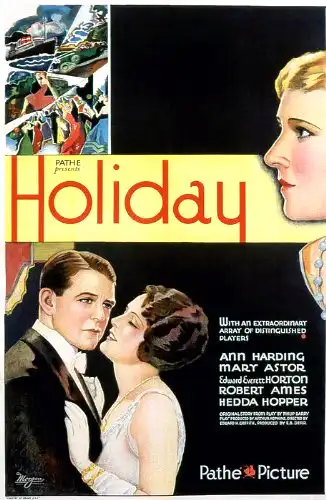
A definitive 6.3/10 rating for a film that redefined the boundaries of cult cinema. Holiday remains a cornerstone of transgressive art.
You should definitely watch this if you’ve ever sat at your desk on a Tuesday and wondered if you could just walk out the door and never come back. It’s for the dreamers who aren’t actually lazy, just bored with the idea of 'getting ahead.'
If you hate movies where people stand around in tuxedos talking about their feelings for 90 minutes, you will absolutely loathe this. It feels like a filmed play because, well, it mostly is.
Most people know the version with Cary Grant, but this one from 1930 has a different kind of energy. It’s a 'Pre-Code' movie, so it feels a bit looser and less polished than what came later in the thirties.
Johnny Case is played by Robert Ames, and he’s got this regular-guy face that makes his plan to 'retire young' feel actually possible. He’s not a movie star hunk; he’s just a guy who’s tired.
He falls for Julia Seton, played by Mary Astor, while they are on vacation. She’s rich, like really rich, but he doesn't quite realize how much that matters yet.
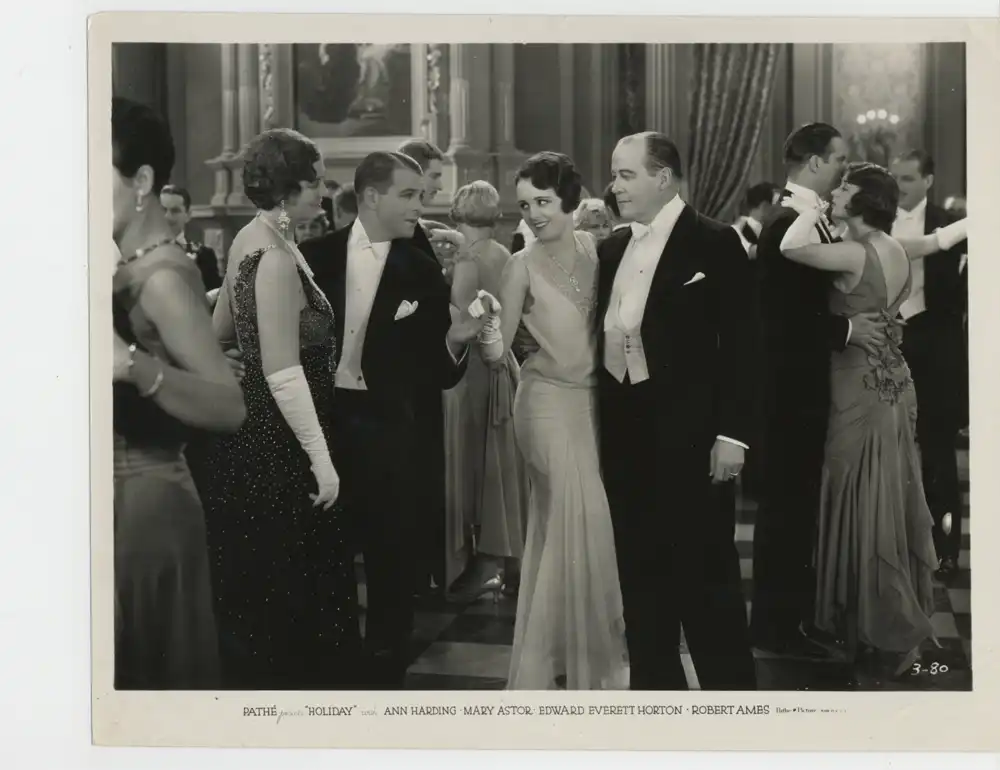
The first time he walks into her house, he thinks he’s in a museum. There’s this shot of the hallway that makes the ceiling look about a mile high. It’s meant to be impressive, but it just looks cold.
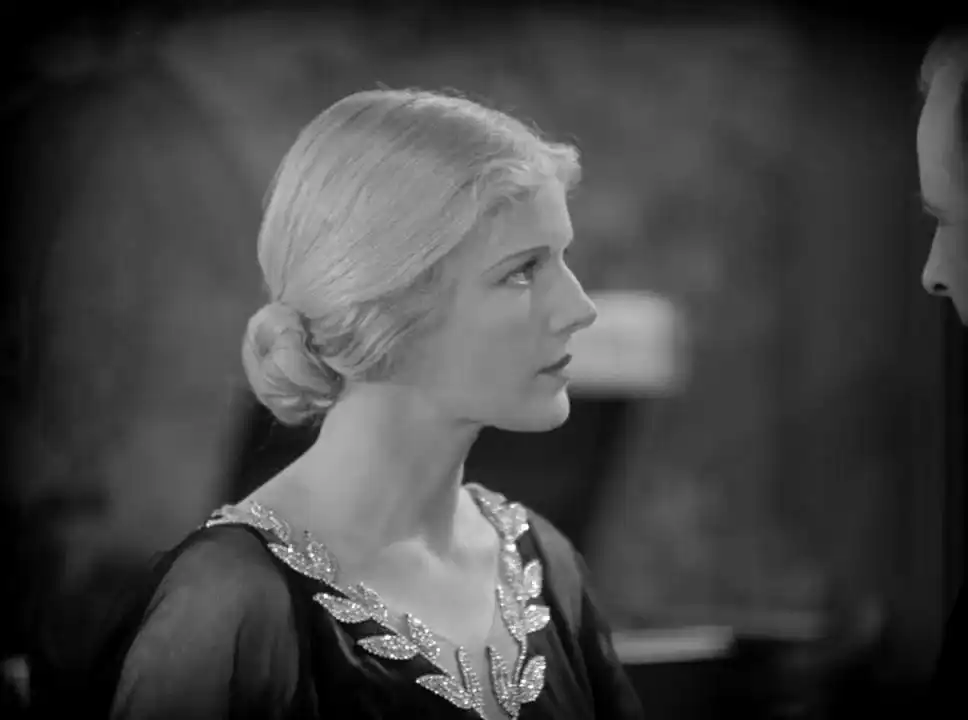
Then we meet the sister, Linda. Ann Harding plays her, and she is the best thing in the whole movie.
She has this voice that sounds like she’s always about to tell you a secret. It’s low and sort of shaky but in a cool way.
Linda is the 'black sheep' because she doesn’t care about society stuff or marrying a Duke. She’s stuck in that giant house like a bird in a cage, and you can see it in how she holds her shoulders.
There is a scene where she’s sitting on the floor in the 'playroom' at the top of the house. It’s the only room that feels like a home because it has old toys and a rocking horse.
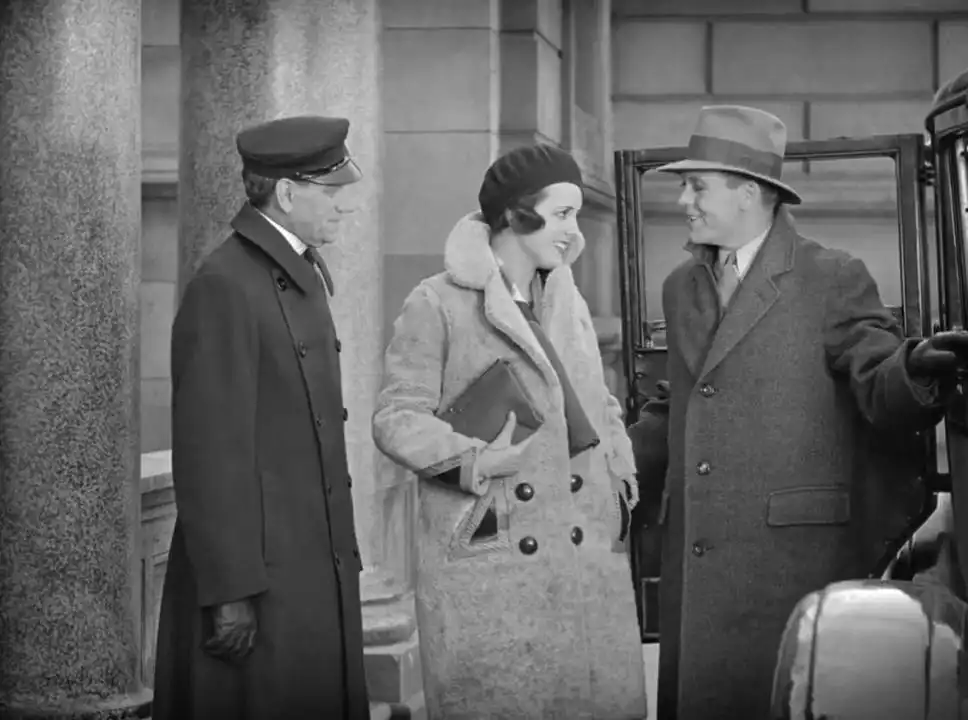
The rest of the house is just marble and servants who look like they aren't allowed to breathe. Honestly, the dad in this movie is a total nightmare.
Edward Everett Horton is in this as Nick Potter, the funny friend. Funny thing is, he played the exact same role in the remake eight years later.
He’s got this bit where he tries to explain how to make a cocktail and it’s just pure chaos. I laughed out loud when he started talking about the 'inner spirit' of the drink.
The movie gets a bit slow in the middle when they are planning the engagement party. Julia, the fiancée, turns out to be kind of a drag.
She doesn’t get why Johnny doesn’t want to work for her dad. She keeps saying things like 'But everyone wants to be successful!' and you can see Johnny’s heart just sinking into his shoes.
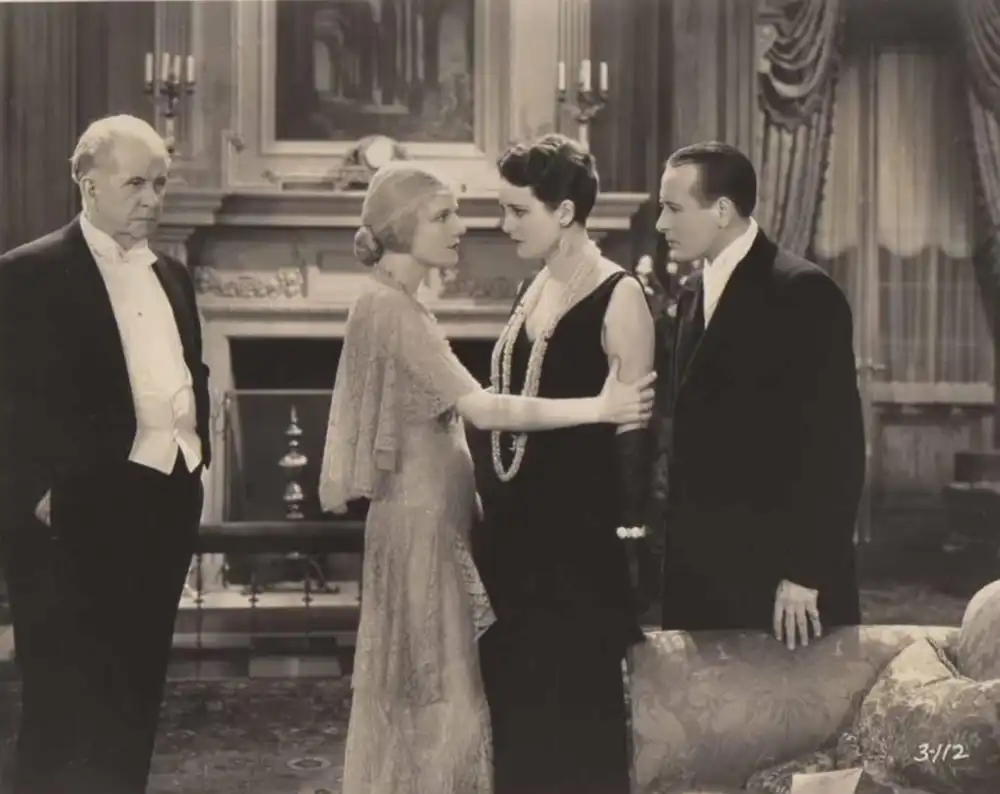
It’s kind of sad because you can tell they do like each other, but they speak different languages when it comes to money. To her, money is a scorecard; to him, it’s just a ticket to get away.
There’s a moment at the big party where Johnny is hiding in the playroom with Linda and the Potters. The music from downstairs is muffled and it feels like they are the only real people in the world.
I noticed a weird thing with the sound—sometimes when people stop talking, there’s this dead silence that feels way too heavy. It happens in a lot of early talkies, but here it almost works to show how awkward the house is.
The pacing is a little bit wonky near the end. One minute they are arguing, and the next, someone is running for a boat.
I wish we got to see more of the brother, Ned. He’s played by Monroe Owsley, and he’s basically drinking himself to death because he hates his life.
He has some of the darkest lines in the movie, but they sort of brush past them to get back to the romance. It’s a bit of a bummer because his story feels very real.
If you've seen Forbidden, you know how these early 30s dramas can suddenly get very heavy. Holiday stays mostly light, but that sadness is always lurking in the corners.
The ending is satisfying, though it happens so fast you might blink and miss it. It’s not a big cinematic climax; it’s just a guy making a choice.
I think I like this version’s Linda better than Hepburn’s, which feels like a crime to say. But Ann Harding feels more like a person you’d actually meet at a party and want to talk to all night.
She doesn't feel like she's 'acting' as much as she's just being sad and hopeful at the same time.

The clothes are also great, especially the weirdly draped dresses Linda wears. They look comfortable, which fits her character perfectly.
The movie reminds me a bit of Miami in the way it handles people trying to escape their social class. It’s harder than it looks to just walk away from a pile of cash.
Is it a masterpiece? Probably not. It’s got some technical hiccups and the acting can be a bit 'theatrical' sometimes.
But the message is still so loud. It’s about not letting your life get swallowed up by a 9-to-5 you hate just to buy things you don't need.
That feels pretty modern for a movie made almost a hundred years ago. I left it feeling like I should go take a long walk and maybe turn off my phone for a bit.
Check it out if you can find it. It's a nice little discovery.

IMDb 9.6
1930
Community
Log in to comment.