DbcultAccessing Vault...
5.8/10
Senior Film Conservator
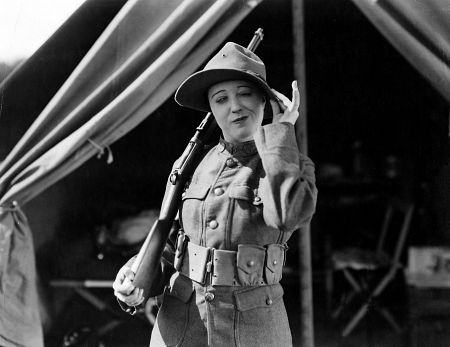
A definitive 5.8/10 rating for a film that redefined the boundaries of cult cinema. Joan of Plattsburg remains a cornerstone of transgressive art.
The story of Joan of Plattsburg is one of both creation and erasure. Born in the waning days of Hollywood’s silent era, this 1918 comedy-drama—co-directed by William Humphrey and George Loane Tucker—now exists solely as a ghost in archives, its reels presumed lost to time. Yet its influence lingers in the echoes of early American film, where humor and heartache danced in tandem. The film’s eponymous heroine, portrayed by Edith McAlpin, is a whirlwind of contradictions: a modern woman trapped in a turn-of-the-century town, her wit as sharp as the scissors of a film editor working to piece together a narrative from scattered fragments of nitrate.
Though the film’s physical survival remains a mystery, its script—penned by Porter Emerson Browne and Tucker—survives in the brittle pages of forgotten screenwriting manuals. Browne, a master of farcical dialogue, infuses the script with the kind of rapid-fire exchanges that made Mabel Normand a comedic icon, while Tucker’s direction, evident in later works like The Destroying Angel, suggests a deft hand at balancing slapstick with social critique. The film’s narrative hinges on a classic comedic device: mistaken identity, but with a twist. Joan, a woman of independent spirit, must navigate a web of romantic confusion and societal pressures, her journey mirroring the broader tensions of an America grappling with progress and tradition.
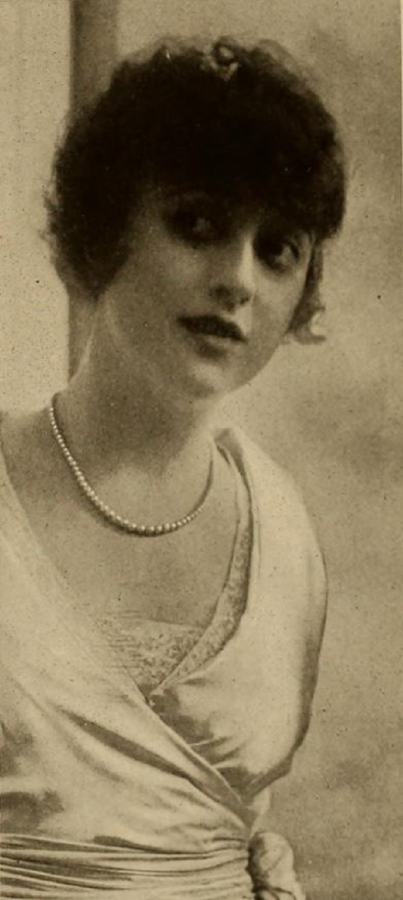
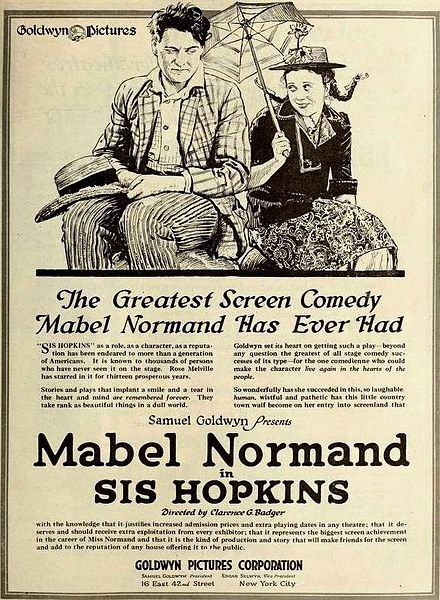
The ensemble cast, led by John Webb Dillion and bolstered by the radiant presence of Mabel Normand, brings a vibrancy to the film’s lost reels. Dillion, a staple of pre-sound cinema, plays the hapless suitor torn between duty and desire, his physical comedy reminiscent of the era’s most beloved clowns. Normand, in a supporting role, steals every scene she graces, her expressive face a silent symphony of emotion. Her chemistry with Dillion crackles with the kind of electricity that made early film audiences lean forward in their seats, eager to witness the next misstep in their ill-fated courtship.
Joseph W. Smiley and Isabel Vernon add layers of gravitas to the production, their characters embodying the moral dilemmas that often punctuated silent-era dramas. Smiley’s portrayal of a conflicted authority figure—perhaps a mayor or a father—grounds the film in the small-town ethos of the time, while Vernon’s nuanced performance as a love interest caught in the crossfire of Joan’s chaos adds depth to the proceedings. Even secondary players like Willard Dashiell and Robert Elliott contribute to the film’s charm, their brief appearances a testament to the collaborative spirit of early Hollywood.
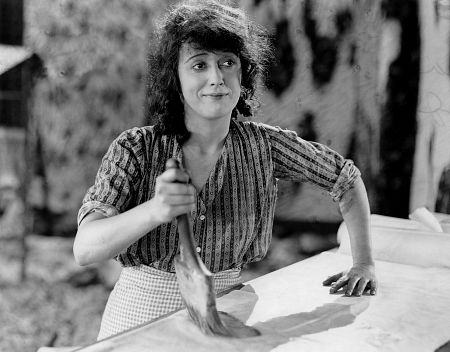
To speak of Joan of Plattsburg is inevitably to speak of its absence. The loss of the film is a wound in cinematic history, a reminder of the fragility of celluloid and the importance of preservation. Yet its legacy persists in the techniques it pioneered. The film’s use of cross-cutting to build tension and its integration of comic relief into a predominantly dramatic structure can be seen in later works like Ramona and The Road o’ Strife, both of which owe a debt to the narrative experimentation of this early work.
Thematically, the film is a product of its time. Joan’s struggle for autonomy—whether in matters of the heart or professional ambition—echoes the broader societal shifts of the 1920s, though it predates them by a decade. This proto-feminist undertone is subtle, woven into the fabric of the story rather than shouted from the screen, a hallmark of the era’s more progressive films. The film’s exploration of gender roles and individual agency positions it as a precursor to works like Lena Rivers, which would more explicitly tackle women’s rights in the following years.
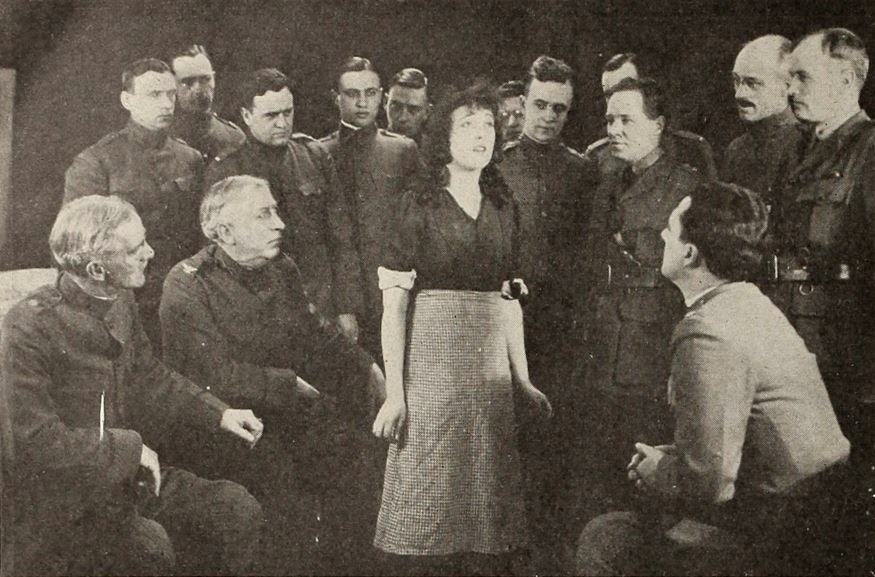
William Humphrey and George Loane Tucker’s partnership in Joan of Plattsburg is a study in contrasts. Humphrey, known for his attention to detail and meticulous set designs, likely crafted a visually rich world for Joan to inhabit, while Tucker’s flair for pacing and comedic timing ensured the film’s emotional beats landed with precision. The interplay between their styles suggests a film that is both aesthetically pleasing and narratively engaging—a rare feat in an industry still finding its footing.
This duality is evident in the film’s set pieces, particularly a sequence in which Joan outwits a rival in a public forum. The scene, though lost to time, is described in contemporary reviews as a masterclass in visual storytelling, combining physical comedy with sharp dialogue. Such sequences would later be echoed in the works of Douglas Fairbanks, who brought a similar blend of athleticism and charm to his own silent films.
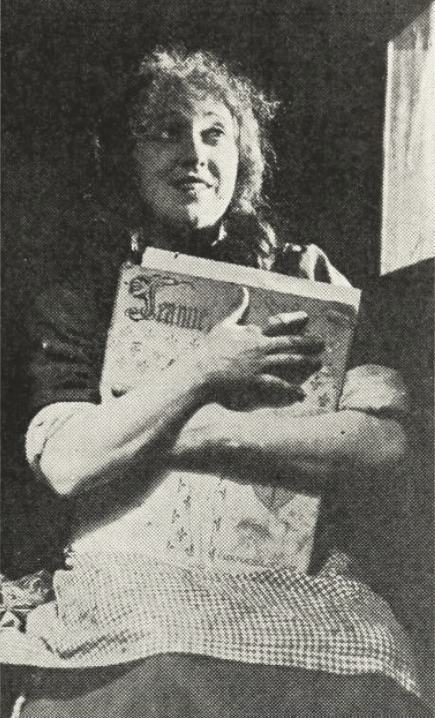
The presumed loss of Joan of Plattsburg is not merely a tragedy for film historians; it is a void in the cultural memory of early 20th-century America. Without the film’s physical existence, we are left to piece together its impact through secondary sources and anecdotal accounts. Yet its influence can still be felt in the careers of its contributors. Mabel Normand, for instance, would go on to become a leading lady in the 1920s, her comedic genius shaping the golden age of Hollywood. Similarly, John Webb Dillion’s work in the film may have laid the groundwork for his later roles in dramas like The Fighting Hope, where his gravitas was on full display.
For modern viewers, the allure of Joan of Plattsburg lies in its mystery. The film’s presumed loss has elevated it to the status of a mythic artifact, a piece of cinematic folklore that invites speculation and imagination. This phenomenon is not unique to Joan of Plattsburg; many lost films, such as The Reign of Terror, have become cultural touchstones precisely because they are no longer accessible. Their absence has sparked a renewed interest in film preservation, with organizations like the Library of Congress and the Academy Film Archive leading efforts to recover and restore lost works.
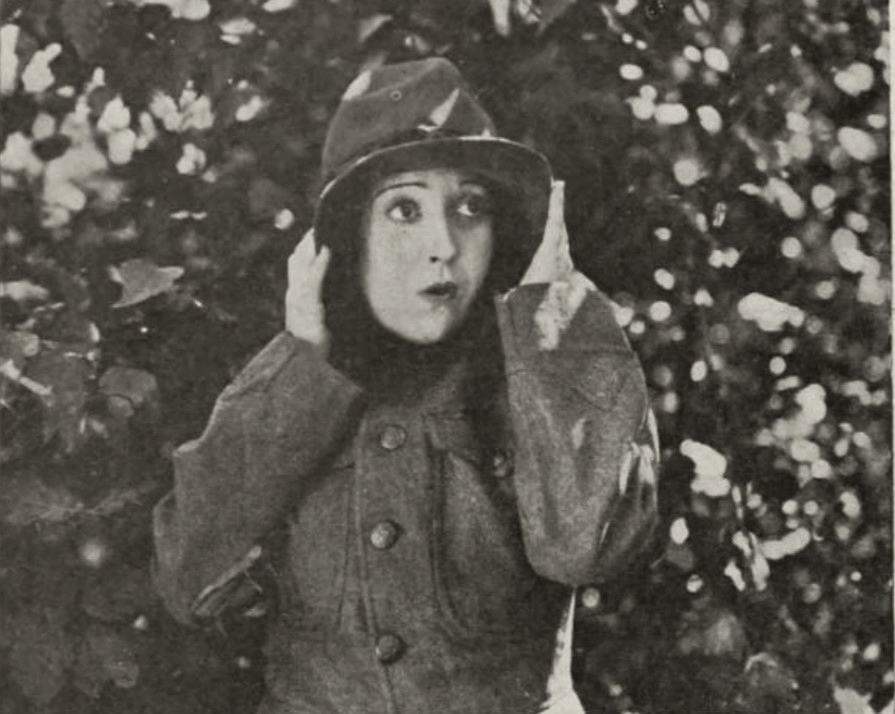
Though Joan of Plattsburg remains unseen by contemporary audiences, its legacy endures. It is a film that encapsulates the spirit of early Hollywood—a time when cinema was both an art form and an industry, teetering on the edge of innovation and commercial viability. Its story, a blend of comedy and drama, reflects the complexities of human relationships and the challenges of navigating a rapidly changing world. While we may never witness its full brilliance on screen, the fragments of its narrative and the echoes of its influence continue to shape our understanding of film history.
For those who seek out the lost and forgotten, Joan of Plattsburg serves as a reminder of what is at stake in the fight to preserve our cultural heritage. It is a call to action, urging us to value the films that have shaped our collective imagination—even when they exist only in the shadows.
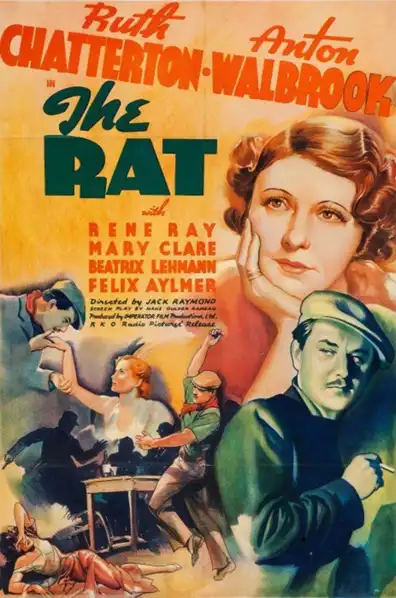
IMDb 6.4
1937
Community
Log in to comment.