DbcultAccessing Vault...
4/10
Senior Film Conservator
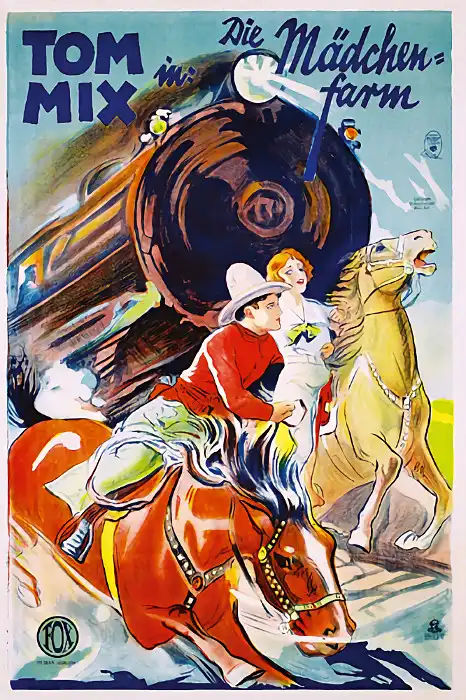
A definitive 4/10 rating for a film that redefined the boundaries of cult cinema. Horseman of the Plains remains a cornerstone of transgressive art.
For anyone who loves a good old-fashioned silent western, especially with Tom Mix and Tony, Horseman of the Plains is probably worth digging up. If you're hoping for sharp dialogue, complex character arcs, or anything that doesn't involve a man in a ridiculously perfect cowboy outfit doing impossible stunts on horseback, you'll probably bounce off this hard. It’s pure escapism, a relic, but a charming one for the right audience.
Mix himself, always the undeniable center. He’s got that charisma, even without a word spoken. His movements are so precise, a little theatrical in that way silent stars often were. There's this one shot where he just casually leans against his horse, Tony, and the horse sort of leans back into him. It's a small thing, but it shows their connection, which honestly feels more developed than some of the human relationships in the film.
Tony is, as usual, a co-star. The stunts he pulls off, especially that jump over the ravine – you just don't see that kind of raw, physical stunt work anymore. It's not CGI, it's a horse and a rider really doing it. There’s a moment where Tony seems to be waiting for his cue, almost looking at the camera, which is a bit endearing, a bit silly.
The plot is about as straightforward as it gets: good rancher, evil land grabber, hero rides in to save the day. The rancher, played by William Ryno, mostly just looks worried. You can almost feel the movie trying to convince you this foreclosure is a huge deal, but it’s hard to get too invested when the villain is so cartoonishly evil.
Heinie Conklin's villain is all sneers and hand-wringing. He's fun in a pantomime sort of way, but there's no nuance. Every time he appears, you know exactly what he's up to. The scene where he's trying to strong-arm the rancher, and he keeps adjusting his hat – it’s a small nervous tic that almost humanizes him for a second, then he goes right back to being a mustache-twirling bad guy.
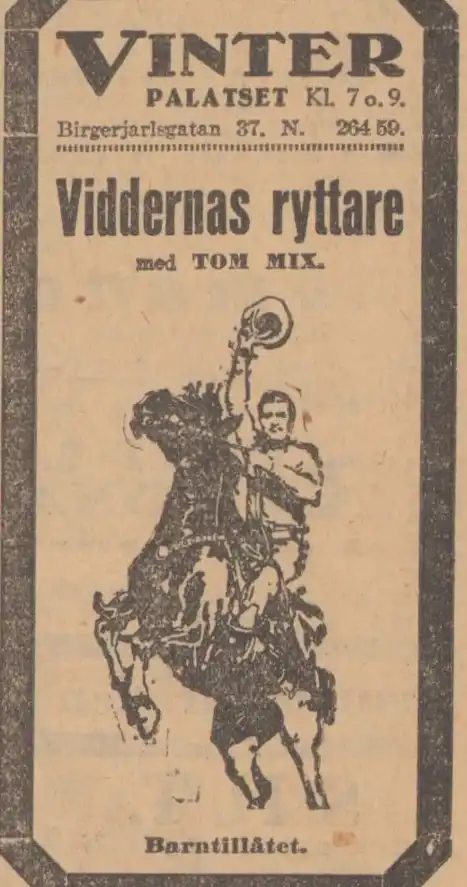
Sally Blane, as the rancher's daughter, is mostly there to look distressed and occasionally beam at Tom Mix. Her costumes are a bit too pristine for a ranch setting; she always looks like she just stepped out of a catalog, even when she's supposedly worried about losing the farm. There's a moment where she nearly faints, and it's played very broadly, almost for a laugh.
The action sequences are where the film really shines. Mix is constantly jumping, riding, fighting. But then there are these stretches where characters are just standing around, reading letters, or looking pensively into the distance. The intertitles sometimes feel like they're trying to inject drama into scenes that don't quite earn it. One particularly long shot of the rancher staring at a stack of bills goes on for a beat too long, almost comedic.
There's a fight scene where the punches look incredibly fake, even for the era. You can practically see the actors pulling their blows. And a small detail: one of the henchmen has this ridiculously oversized hat that keeps slipping down his face during a chase. It's not supposed to be funny, but it is.
The final chase, though, is genuinely thrilling. Mix's stunts are just incredible. The way he leaps from his horse onto a moving wagon, then back again – it’s pure spectacle. You can feel the audience in 1928 gasping. It totally makes up for some of the slower exposition earlier.
The film stays pretty consistent, a straightforward adventure. No real big tonal shifts, which is a relief. It knows what it is and doesn't try to be anything else.
Watching it now, it's a window into a different kind of filmmaking. You notice the little imperfections, the flickering film, the slightly exaggerated expressions. It's not a deep film, but it's a fun ride if you let yourself get into its rhythm. You walk away remembering Tom Mix and Tony, and not much else.
IMDb —
1916
Community
Log in to comment.