DbcultAccessing Vault...
Cult Review
Senior Film Conservator
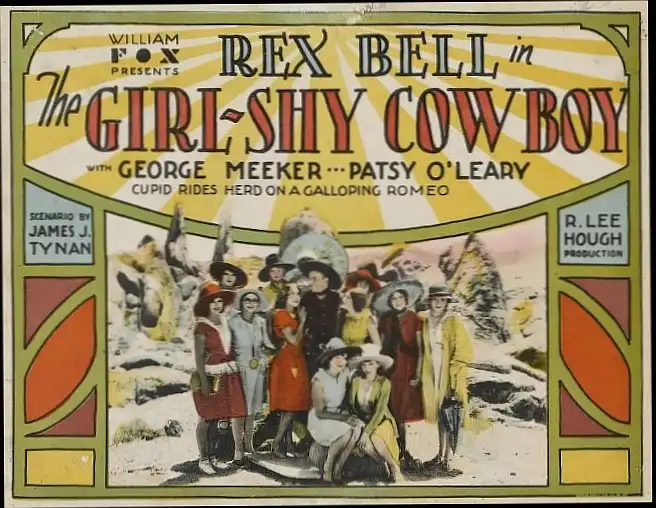
If you’re looking for a high-stakes shootout or some sweeping epic of the frontier, The Girl-Shy Cowboy is going to annoy you. It’s a 1933 Rex Bell vehicle that is almost entirely about a guy who gets a literal case of the jitters whenever a woman walks into the room. It’s worth a watch if you have a soft spot for the clunky transitions of early sound cinema or if you find Bell’s brand of 'aw-shucks' bashfulness endearing. Most other people will probably find it a bit like watching paint dry on a barn door, especially during the middle stretch where the plot just sort of parks itself.
Rex Bell is interesting to watch here. He was Clara Bow’s husband in real life, which makes his performance as a man terrified of women feel like a weirdly specific inside joke. He does this thing with his hands—fiddling with his hat, tugging at his vest, adjusting his belt—that feels less like a conscious acting choice and more like he genuinely didn't know where to put his limbs while the camera was rolling. It’s a very physical, nervous energy that you don't see much in the more polished westerns like The Three Godfathers.
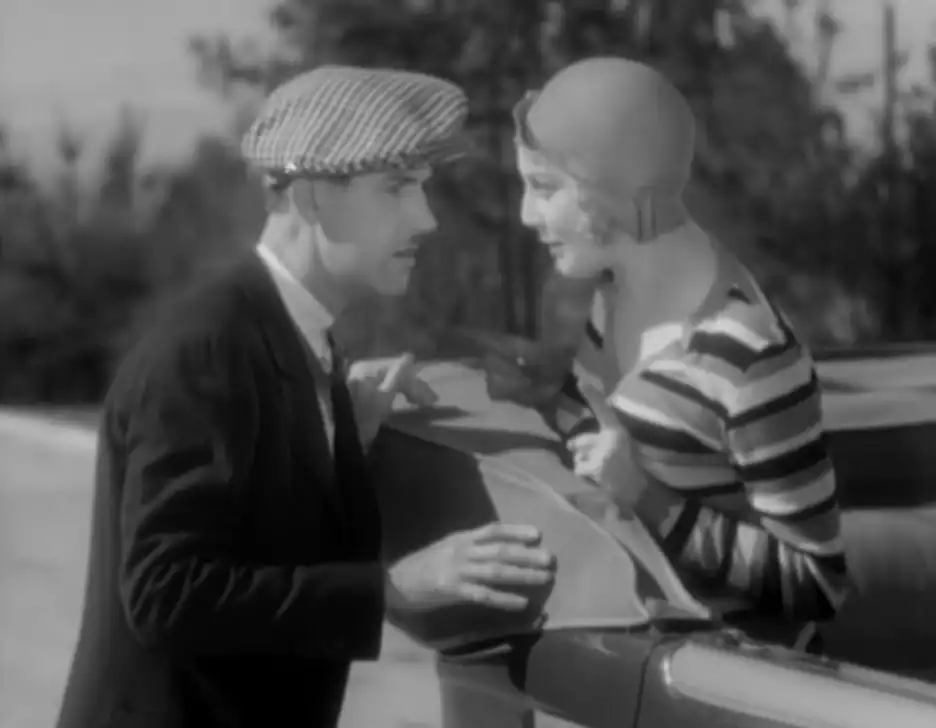
There’s a scene about twenty minutes in where he’s trying to talk to Dorothy Nielsen. The lighting is strangely harsh on her face, making her look like she’s in a completely different movie than the one Bell is in. She’s doing that very theatrical, wide-eyed 1930s 'damsel' routine, and Bell is just... vibrating with nervousness. The shot lingers for a long time. Too long, really. The silence starts to feel awkward rather than romantic, and you start wondering if the director, Fred Newmeyer, just forgot to yell cut or if they were trying to stretch the runtime.
The sound quality is that typical early-talkie hollow stuff. You can hear the floorboards creaking every time someone moves an inch in the indoor sets. It adds a strange layer of intimacy, like you're watching a community theater play in a basement. At one point, a horse in the background of an outdoor shot makes a noise that’s significantly louder than the actual dialogue, and nobody seemed to care enough to do another take. I kind of love that about these Poverty Row productions; they just kept moving.
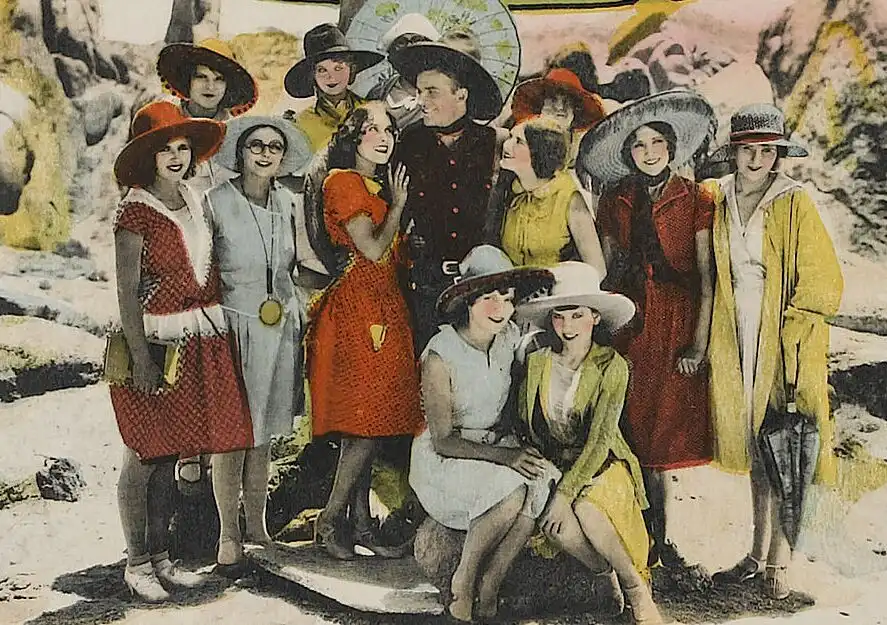
George Meeker plays the villain, and he is so cartoonish he feels like he’s in a different film entirely. He has this pencil-thin mustache that he basically twirls every time he enters a room. It’s a sharp contrast to Bell’s more naturalistic—or maybe just untrained—vibe. The movie gets noticeably better once it stops trying to be a comedy and lets a little bit of action happen, but even the 'action' feels a bit staged. I noticed a weird edit during the big chase at the end. One second they’re riding through a flat, dusty field, and the next, there’s a rocky outcrop that definitely wasn't there before. It’s the kind of continuity error that makes you smile if you’re in the right mood.
Compared to something like The Phantom Bullet, this feels much smaller and more domestic. It’s not really interested in the landscape or the 'myth' of the West. It’s interested in seeing a grown man blush. The costumes are a bit much, too—Rex Bell’s hat is comically large, even for the era. It looks like it’s wearing him rather than the other way around.
One tiny detail I liked: there’s a moment where a character is pouring coffee, and they actually spill a little bit on the table. They don't wipe it up, and the camera doesn't cut away. It’s just this messy, human moment that feels more real than any of the scripted dialogue. Most of the lines feel like they were written by someone who had only ever read about how people talk in the West, but that one spill felt accidental and right.
It’s not a 'good' movie in the way we usually mean it. The pacing is lumpy and the 'girl-shy' gimmick is stretched until it almost snaps. But there’s something sweet about it. It’s a cowboy movie that’s more worried about a first kiss than a bank robbery, and in a genre full of stoic tough guys, Rex Bell’s fidgeting is at least something different.
IMDb —
1918
Community
Log in to comment.