DbcultAccessing Vault...
Cult Review
Senior Film Conservator
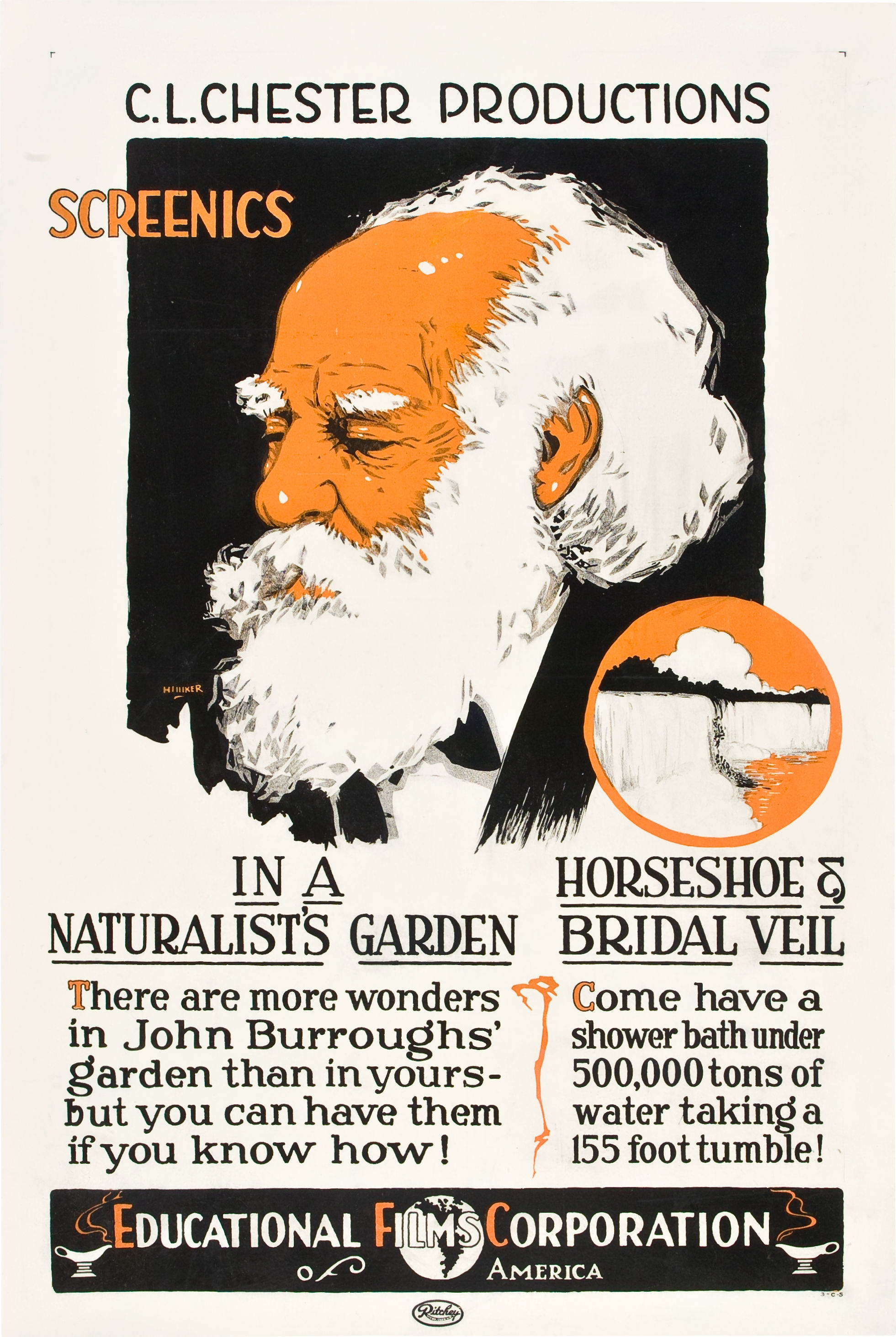
Imagine a Western that has chewed its own celluloid, swallowed the moon, and vomited up a cathedral of mirrors—that’s the 47-minute hallucination we call Horseshoe and Bridal Veil.
The projector clatters; cyan shadows lick the screen. A frontier town, built from balsawood and desire, leans against a horizon the color of rotting peaches. Into this cardboard cosmopolis rides C.L. Chester’s gambler, face powdered like a corpse, fingers tattooed with tiny spades that twitch whenever he lies. He never speaks—no intertitles dare speak for him—yet every gesture is a confession: the way he snaps a card between knuckles, the way he pockets the wedding ring still warm from its previous owner.
Halfway through reel two, the showgirl steps out of the mirror—literally. The glass ripples, mercury beads roll down the frame, and there she is, veil fluttering like a moth wing, eyes twin klieg lights. She demands one night, sunrise for payment. The bargain is sealed with a horseshoe nail driven through the gambler’s shadow. From that puncture wound leaks all the color in the film: saffron, vermilion, bruise-lavender. The remaining frames bleach toward bone-white.
What follows defies synopsis. A barn dance where partners swap heads. A baptism in horse-piss champagne. A lynch mob that discovers the rope already frayed into bridal lace. The narrative folds like bad origami; time loops into a Möbius strip tight enough to garrote. Yet every loop tightens the noose of dread: the gambler will lose the girl, the town will burn, the horseshoe will be melted into a wedding ring that never finds a finger.
Director-writer Anonymous (studio records list only a soot thumbprint) orchestrates this chaos with surgeon-calm precision. Look at the match-cut on a spinning coin: the disc whirls, becomes the moon, becomes the whites of the gambler’s eyes as he realizes the bet is rigged against eternity. Or the iris-in on the showgirl’s lips—suddenly we’re inside her mouth, staring at rows of teeth shaped like tiny horseshoes. The gag lasts three frames, but you’ll taste iron for days.
Comparisons? Fair enough. Where The Devil’s Passkey traffics in Continental decadence and Höhenluft scales Alpine alienation, Horseshoe wallows in frontier grotesque—think of it as Salò staged inside a cigar-box diorama. Meanwhile Strejken preaches collective action; this film spits on collectives, preferring the sacred privacy of damnation. Only Aus eines Mannes Mädchenjahren shares its gender-fluid shapeshifting, yet that Teutonic bildungsroman now feels quaint beside the raw, blood-slick masquerade on display here.
Technically, the print survives like a ghost: third-generation 35mm, vinegar syndrome creeping up the sprockets, emulsion bubbling like hot caramel. Yet those scars amplify the nightmare. Scratches become lightning forks across the gambler’s cheek. Missing frames create stroboscopic jump-cuts that anticipate Japanese horror by eight decades. The tinting—hand-applied by some long-dead woman in a Newark lab—bleeds amber when lust flares, sea-green when memory intrudes, arterial red when the final reckoning arrives.
Sound? None officially, but the silence itself is mixed at deafening decibels. You’ll swear you hear cards riffling, spurs jangling, the wet slap of a veil kissing skin. That synesthetic hallucination is the film’s true score—your own pulse drafted as composer.
Performances verge on the kabuki. Chester’s gambler moves with marionette stiffness, every joint hinged by guilt; then, in the mirror-duel, he liquefies into genderless grace, hips rolling like silk over glass. The showgirl—uncredited, possibly a vaudeville contortionist—has eyes that reset to neutral mid-blink, as though her soul keeps slipping out and being replaced by a hungrier one. Watch her final smile: lips part but the teeth stay clenched, a horse’s grimace just before the glue factory.
Themes? Take your pick: Manifest Destiny as masochistic cabaret; masculinity as a corset laced too tight; the American West not as promised land but as purgatorial casino where every jackpot pays out in bullets. Yet the film refuses thesis-statement neatness. It would rather bite off its own tongue than pronounce a moral, and that reticence is its savage integrity.
Reception history is a novella of neglect. Premiered in 1914 at a Kansas City burlesque house, it was billed between a dog ventriloquist and a stripper named Taffy Tempest; critics called it “a dime-store hallucination unfit for ladies.” Then—poof—lost. Resurfaced in 1978 when a Missoulean rancher used the negative as a tarp for his hay baler. The Library of Congress froze the fragments, academics wrote footnotes, but the real resurrection arrives now, 4K-scanned, streaming on boutique platforms where cine-nerds can mainframe its madness frame by frame.
Does it hold up? More than that—it preys upon modern anxieties like a vampire that has waited a century to feed. In an era of curated identities and algorithmic desire, a film that stages the self as carnival mask and then burns the tent down feels prophetic. The gambler’s bargain—one night of ecstasy for an eternity of regret—could be any swipe-right hookup. The showgirl’s veil could be any Instagram filter, fluttering just long enough to hide the rot.
So heed this: Horseshoe and Bridal Veil is not a museum relic but a live round. Approach it expecting quaint nickelodeon nostalgia and you’ll exit with a hole where your certainties used to be. Approach it with humility, and it might gift you a new nightmare—one that smells of horse sweat and cheap perfume, that jingles like spurs in the dark, that whispers your name with lips wearing your own face as a mask.
Final verdict: masterpiece, but the kind that carves its initials into your optic nerve. Watch it alone, lights off, volume zero, heart open. When the final horseshoe melts into molten iron, listen close—you’ll hear the sizzle of your own illusions catching fire.
IMDb —
1917
Community
Log in to comment.