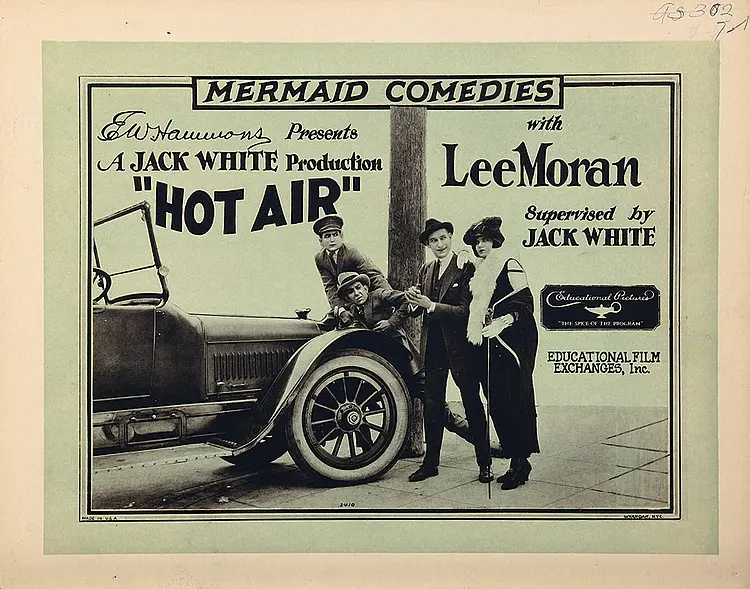
<p style='background: #C2410C; padding: 10px; border-radius: 5px; color: white;'>In the grim economic landscape of the 1930s, <em>Hot Air</em> presents a grim yet deeply human narrative. The protagonist, a lawyer named David, is forced into extraordinary measures to ensure his survival in a profession where his main source of income is the very people he is supposed to serve.</p><p>David, portrayed by Ruth Hiatt, is a character of profound complexity. His journey from a meek, law-abiding citizen to a ruthless, cunning manipulator is both captivating and unsettling. The film delves into the moral ambiguity of his actions, raising questions about the ethics of survival in the face of dire circumstances.</p><p>The supporting cast, including Edgar Kennedy and Alita Cruze, bolster the narrative with their nuanced performances. Their roles, though smaller, are pivotal in shaping the atmosphere and the overall tone of the film.</p><p style='background: #EAB308; padding: 10px; border-radius: 5px; color: white;'>The cinematography by Jack Lloyd is a standout feature, capturing the bleakness and desperation of the setting with a haunting beauty. The compositions are often stark and unadorned, reflecting the harsh realities of the lawyer's world.</p><p><strong>Comparisons with other films:</strong> 'Hot Air' shares thematic similarities with <a href="/movies/honor-among-men">Honor Among Men</a> and <a href="/movies/you-cant-fool-your-wife">You Can't Fool Your Wife</a>, where characters are pushed to their moral limits by external pressures. However, 'Hot Air' takes a more focused and somber approach, emphasizing the psychological toll of the protagonist's actions.</p><p>The screenplay, penned by some of the most talented writers of the era, is a testament to the era's storytelling prowess. It masterfully weaves together the legal intricacies of the protagonist's cases with the emotional turmoil he endures, creating a narrative that is both intellectually stimulating and emotionally charged.</p><p>From a technical standpoint, the film excels in its sound design. The use of ambient sounds and subtle background noises enhances the film's immersive quality, drawing the viewer into David's world of constant struggle and moral dilemmas.</p><p>In conclusion, 'Hot Air' is a film that challenges viewers to consider the lengths one must go to in order to survive. It is a gripping, thought-provoking piece that stands as a significant work in the annals of 1930s cinema, offering a profound exploration of ethical boundaries and human resilience.</p>