DbcultAccessing Vault...
5/10
Senior Film Conservator
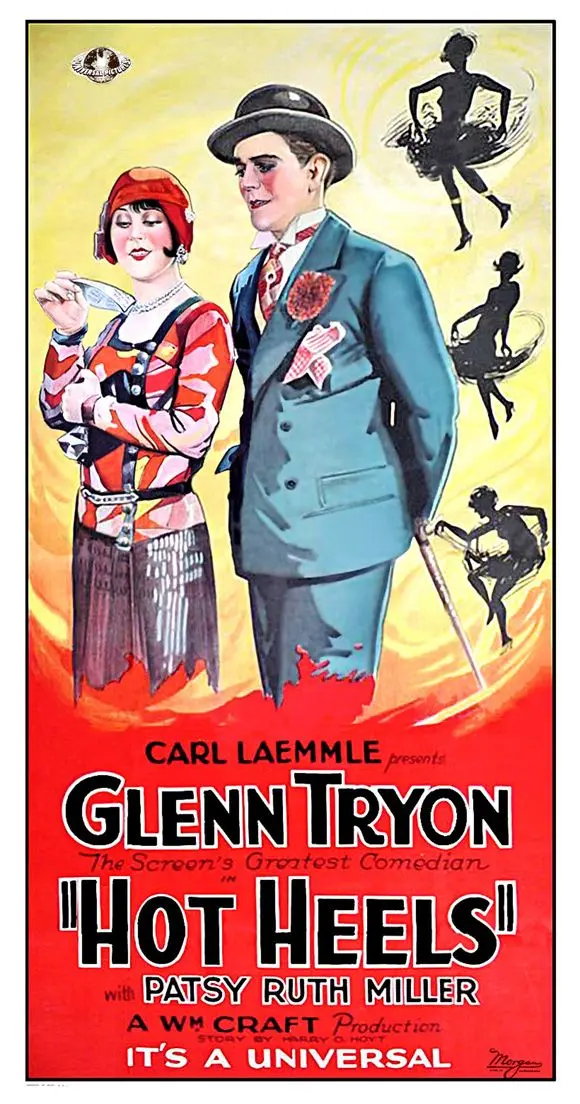
A definitive 5/10 rating for a film that redefined the boundaries of cult cinema. Hot Heels remains a cornerstone of transgressive art.
Is Hot Heels (1927) worth tracking down for a modern viewing? Short answer: yes, but only if you appreciate the frantic energy of late-period silent comedy over narrative depth. This film is specifically for fans of physical comedy and those interested in the transition of vaudeville stars to the silver screen; it is decidedly not for viewers who demand complex character arcs or high-stakes drama.
Yes, Hot Heels is worth watching for its historical value and its brisk pacing. It offers a window into the 1920s obsession with the 'sharpie'—the well-dressed, fast-talking grifter. The film moves quickly and avoids the sluggishness found in many lesser-known silent features of the era. It is a light, entertaining diversion that showcases the physical agility of its lead performers.
The film opens with a vibrant look at the vaudeville circuit, a world that was already beginning to fade by 1927. Glenn Tryon and Patsy Ruth Miller play their roles with a frantic, almost desperate energy that feels authentic to performers living hand-to-mouth. Unlike the more polished heroes in The Gay Lord Quex, Higgins and Jones are rubes in the eyes of the world, even if they think they are sophisticated performers.
The transition from the stage to the Kentucky 'tank-town' is handled with a sharp eye for atmospheric detail. Director William James Craft captures the dusty, sun-drenched tension of the racetrack perfectly. The contrast between the bright, artificial lights of the stage and the harsh reality of the betting windows creates a visual metaphor for the characters' loss of control. They are performers who have stepped into a play they didn't write, and the local sharpies are the ones holding the script.
The plot pivot—Glenn betting the bankroll on a tip from a 'vamp'—is a classic silent film trope. While it feels predictable today, Tryon’s performance sells the naivety. He isn’t just a fool; he’s a man looking for a shortcut to the big leagues. This resonates even now. We’ve all been the rube at some point, believing a 'hot tip' that was too good to be true.
Glenn Tryon is the engine of this movie. His physicality is remarkable, echoing the work seen in A Regular Fellow. He has a way of using his entire body to express panic, which is essential during the scene where he realizes the race is fixed. His face is a map of shifting emotions: hope, lust, realization, and finally, a frantic sort of courage.
Patsy Ruth Miller provides the necessary ballast. While Tryon is the kinetic energy, Miller is the emotional anchor. She manages to be more than just the 'supportive partner.' In the scenes where she discovers Glenn has gambled away their earnings, her disappointment feels visceral. It’s not just about the money; it’s about the betrayal of their partnership. This adds a layer of weight to a film that could have easily floated away on its own whimsy.
A surprising delight is seeing a very young Walter Brennan. Long before he became the archetypal crusty old man of Westerns, Brennan was a versatile character actor. Here, his presence adds a touch of grounded reality to the 'wise-guy' ensemble. His performance, though small, hints at the character depth he would later bring to much larger roles. Seeing him in this context is like finding a hidden gem in a dusty attic.
The direction by William James Craft is surprisingly modern in its pacing. The film doesn't linger on unnecessary transitions. Instead, it cuts straight to the conflict. The race sequence itself is a masterclass in silent-era editing. By cutting between the galloping horses, the sweating spectators, and Glenn’s increasingly pale face, Craft builds a sense of genuine suspense.
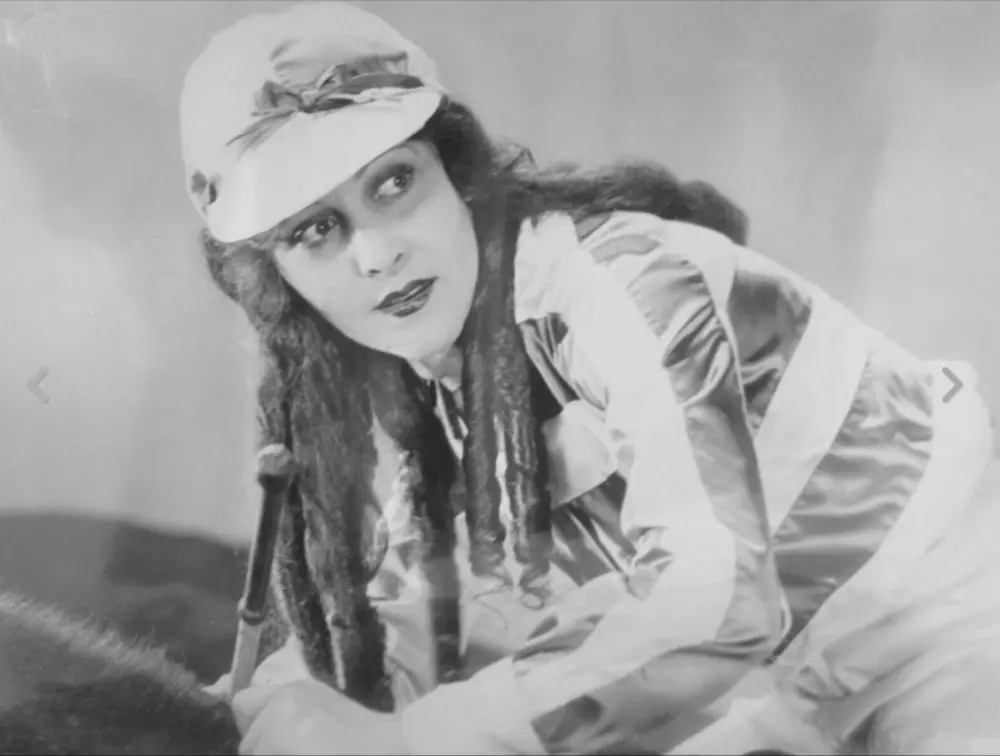
One specific scene stands out: the moment Glenn receives the 'tip' from the vamp. The use of shadows in the dimly lit room creates a noir-ish atmosphere that predates the genre's heyday. It makes the temptation feel dangerous, almost supernatural. It’s a sharp contrast to the flat, bright lighting of the vaudeville sequences, highlighting the moral murky waters Glenn has waded into.
The pacing does falter slightly in the second act as the 'sharpie' schemes become a bit repetitive. We get it—they are bad guys with canes. However, the film recovers quickly once the horses hit the track. The horse is faster than the plot. And in a movie titled Hot Heels, that’s exactly how it should be.
Hot Heels is more than just a comedy; it’s a critique of the 'get rich quick' mentality of the roaring twenties. The sharpies represent a predatory class that feeds on the dreams of outsiders. They are the antithesis of the hard-working vaudevillians. While Higgins and Jones earn their living through sweat and talent, the sharpies earn theirs through manipulation and deceit.
This thematic depth elevates the film above standard slapstick. It shares a certain DNA with The Gasoline Trail, where the thrill of the race is inextricably linked to the risk of financial ruin. The film suggests that the world outside the theater is far more theatrical—and far more dangerous—than anything happening on stage.
"The sharpies here are more than just villains; they are the architectural backbone of the plot's chaos, turning a simple comedy into a cautionary tale about the American hustle."
The use of the 'vamp' character is also worth noting. She isn't just a plot device; she represents the seductive allure of the easy life. Glenn’s attraction to her isn’t just physical; it’s an attraction to the world she represents—a world where money comes easy and the stakes are always high. His eventual return to Patsy is a rejection of that hollow glamour in favor of something real, albeit difficult.
Technically, the film is a product of its time, but that’s not a slight. The cinematography by Al Jones is clean and functional, with a few moments of genuine inspiration. The wide shots of the Kentucky landscape provide a sense of scale that makes the small-town setting feel like a vast, untamable frontier. It’s a stark departure from the claustrophobic interiors of films like Number 17.
The film’s tone is consistent, which is no small feat given the blend of genres. It balances the humor of the vaudeville acts with the tension of the racetrack without ever feeling disjointed. This is largely due to the editing, which keeps the energy high even during the more dialogue-heavy intertitles. It works. But it’s flawed. The flaw lies in the resolution, which feels a bit too convenient, even for a 1920s comedy. But by the time the credits roll, you’re having too much fun to care.
Cons:
Hot Heels (1927) is a spirited, if slightly formulaic, romp through the world of 1920s gambling and performance. While it doesn't reinvent the wheel, it spins it with enough charisma and speed to keep the audience engaged. Glenn Tryon proves himself to be a formidable comedic lead, and the film’s atmospheric depiction of Kentucky provides a rich backdrop for the central conflict. It’s a reminder that the hustle has always been a part of the American landscape, whether on the stage or at the track. If you have 70 minutes to spare and an appreciation for the silent era, this horse is a safe bet.
IMDb 5.7
1933
Community
Log in to comment.