
DbcultAccessing Vault...
6.3/10
Senior Film Conservator

A definitive 6.3/10 rating for a film that redefined the boundaries of cult cinema. How to Tell remains a cornerstone of transgressive art.
If you have any interest in how people in the 1930s thought about parenting, this little film is a goldmine. It is definitely not for someone looking for a fast-paced watch, but if you enjoy historical oddities or accidental comedy, you might get a kick out of it. 🎞️
The whole thing feels like a stiff lecture from a neighborhood aunt who has never actually met a child. It starts with the basics of birth and moves up to the teenage years, with the actors delivering lines as if they are reading from a manual they just found under a rock.

There is this one moment where a father is supposed to explain biology to his young son, and the silence in the room is almost louder than the audio. You can see the kid looking around for an exit while the dad stares blankly into the middle distance. It reminded me a bit of the awkward family dynamic in Husbands and Wives, though much less self-aware.
The film is deeply concerned with 'honesty,' which is funny because nobody on screen looks like they are being honest about anything. They are all far too terrified of the script. It lacks the warmth you would want in a conversation like this, opting instead for a cold, clinical approach that probably would have scared the poor kids more than helped them.
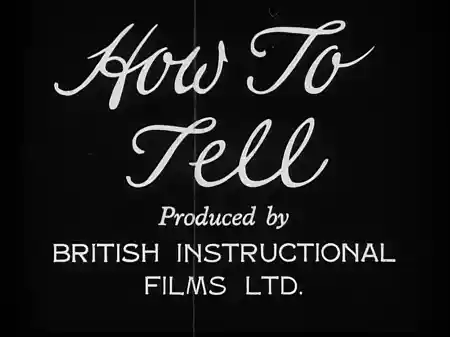
Some of the advice is actually surprisingly straightforward for the era, but the delivery is so incredibly dry. It makes you realize how far we have come in how we talk about these things. It’s like watching a Parents Wanted scenario but with way less heart and way more stiff collars.
I kept wondering if the parents of 1932 actually sat their kids down to watch this, or if it was just meant for the adults. The idea of a family huddling around a projector to learn how to discuss anatomy is just too much to handle. 😅
It’s a short watch. Don't expect a masterpiece. Just go in for the weird, grainy atmosphere and the unintentional comedy of 1930s social norms. Sometimes the most interesting stuff is the stuff that tried the hardest to be serious and failed spectacularly.