DbcultAccessing Vault...
Cult Review
Senior Film Conservator
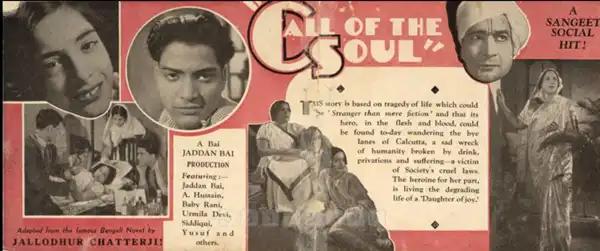
If you have a soft spot for vintage melodramas where everyone is constantly on the verge of tears, sure. It’s a bit of a relic, honestly. If you need tight pacing or modern acting, you’ll probably find yourself checking your watch within the first twenty minutes.
Nargis is clearly trying to carry the whole thing on her back here. There’s a specific scene where she’s just staring out a window—I think it was a window—that lasts an eternity. You can see her thinking about the next line, or maybe she was just hungry. It’s that kind of movie.
It’s got this weird, dusty atmosphere. It doesn’t feel like a movie so much as a filmed stage play that someone forgot to leave the lights on for. It reminds me a little bit of the gloom found in Maria, though with way more singing and significantly less actual sunlight.
The depiction of the city feels more like a mood board than a place. It’s all shadows and bad intentions. Sometimes it works, like when the camera lingers on the grime of the streets, but then someone starts a monologue and the whole illusion sort of drifts away.
I found myself distracted by the extras. There’s a guy in the background of the marketplace scene who is just eating a piece of fruit for the entire duration of a very important conversation. Is it a prop? Is he just really hungry? I couldn’t look away.
It’s definitely not as sharp as Deliverance, but then again, what is? It doesn't have that same punch. It’s more of a slow, rhythmic thud. It’s a tragedy, obviously, but it’s the kind of tragedy that feels slightly curated, like it’s checking off a list of 'sad things that should happen in a movie'.
Still, there’s something honest about the failure here. It’s trying so hard to be profound that it accidentally becomes quite human. It doesn't quite get there, but watching it try is almost more interesting than if it had succeeded perfectly. 🎞️
Year
1936
IMDb Rating
—

Editorial
Deciphering the legacy of transgressive cult cinema.
Community
Log in to comment.