DbcultAccessing Vault...
Cult Review
Senior Film Conservator
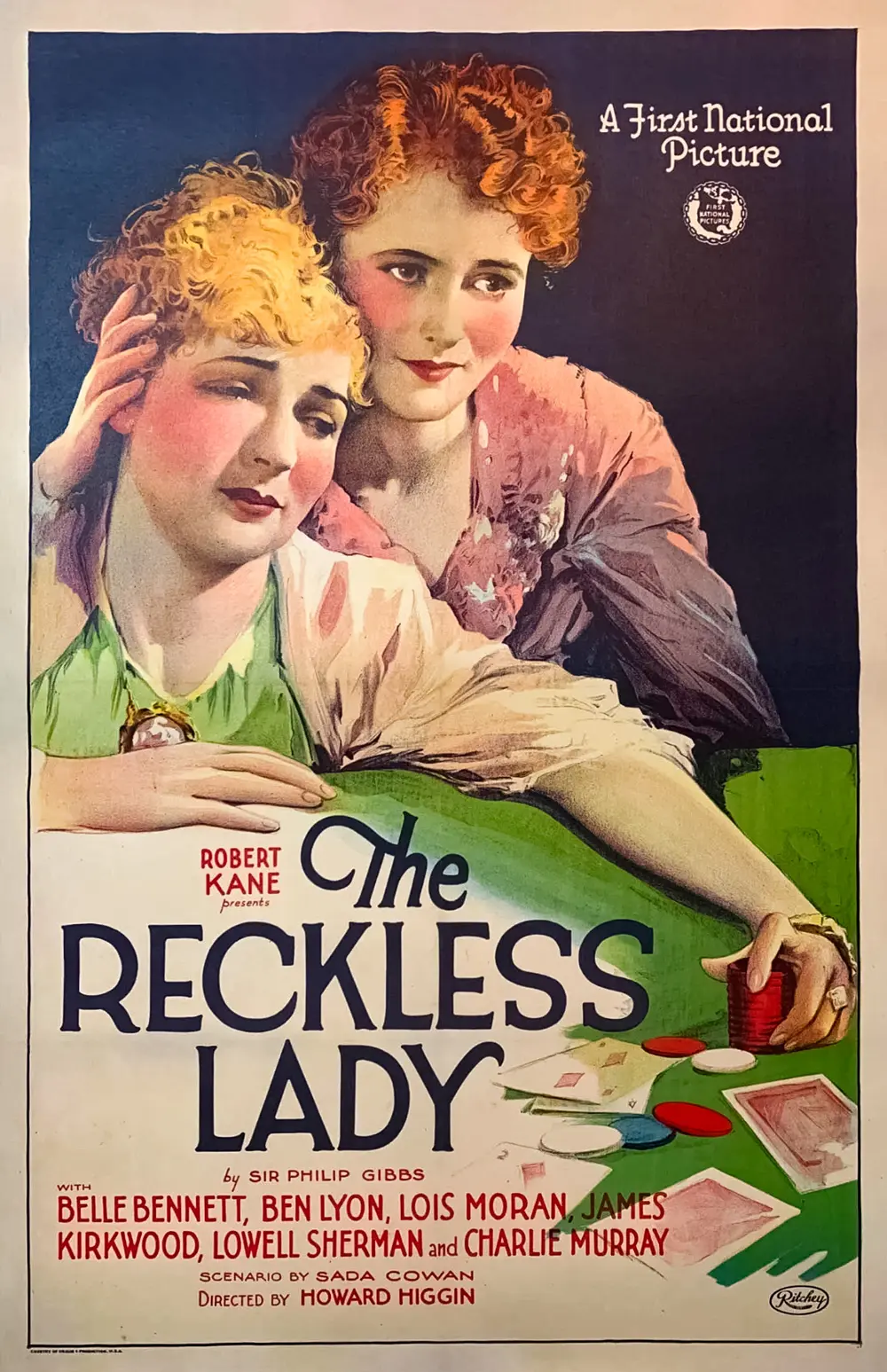
Is The Reckless Lady a lost gem of the silent era or just another dated moral play? Short answer: yes, it is a compelling watch, but only for those who can stomach the heavy-handed social lecturing of the 1920s.
This film is specifically for historians of silent cinema and fans of 'fallen woman' narratives who enjoy seeing the psychological erosion of a protagonist. It is absolutely not for viewers who demand fast-paced modern editing or those who find the melodramatic gestures of early Hollywood distracting.
1) This film works because Belle Bennett delivers a performance that transcends the era’s typical pantomime, capturing the genuine, shaky-handed desperation of an addict.
2) This film fails because the subplot involving the daughter’s romance feels like a secondary distraction that dilutes the intensity of the mother’s downward spiral.
3) You should watch it if you want to see one of the earliest and most visually inventive depictions of gambling mania in American cinema.
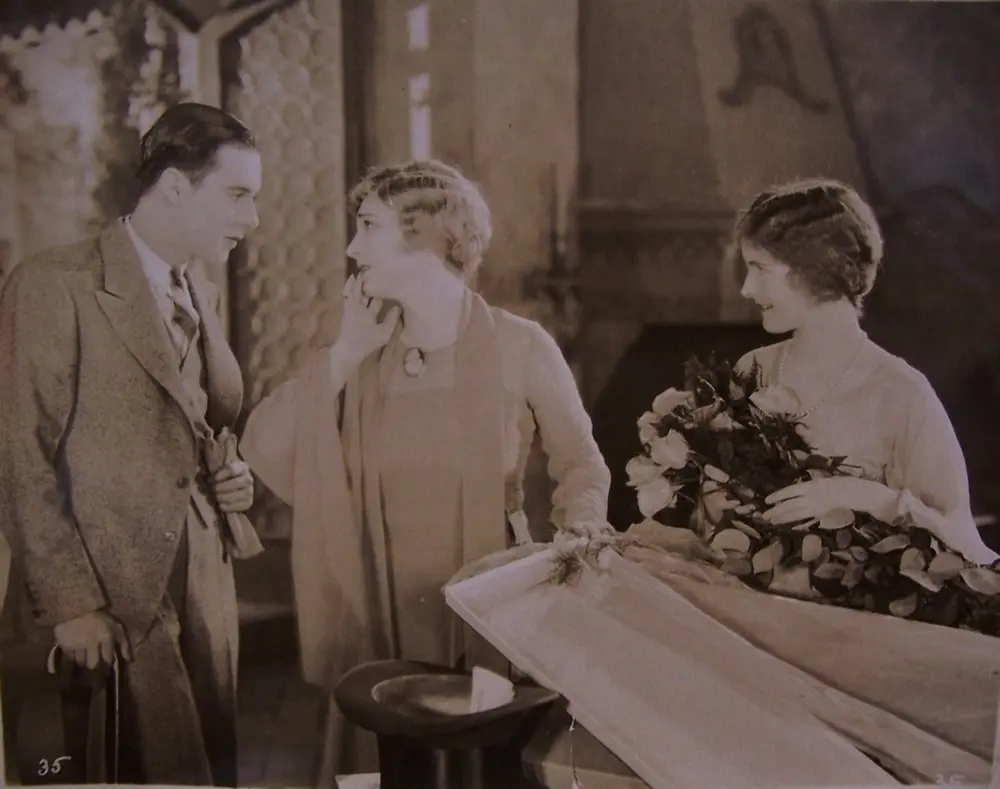
The Reckless Lady remains relevant today because it tackles the universal theme of addiction with a surprising amount of grit. While the technology of the 1920s limits the spectacle, the emotional core is raw and recognizable.
The film succeeds in making the casino feel like a character in itself—a predatory entity that swallows souls. If you appreciate character-driven drama that doesn't rely on dialogue to convey pain, this is a mandatory viewing.
Director Howard Higgin uses the French resort setting not just as a backdrop, but as a contrast to the internal darkness of the protagonist. The bright, airy terraces of the hotels clash violently with the claustrophobic, smoke-filled atmosphere of the gambling dens.
One standout moment occurs when the camera lingers on Belle Bennett’s eyes as she watches the roulette ball. The lighting shifts, casting deep shadows across her face, effectively signaling her transition from a socialite to a lost soul. It’s a technique seen in other films of the period like The Third Degree, but here it feels more intimate.
The cinematography by George J. Folsey is remarkably fluid for 1926. He manages to make the stationary act of gambling feel kinetic. The way he frames the chips being swept away feels like a physical blow to the viewer.
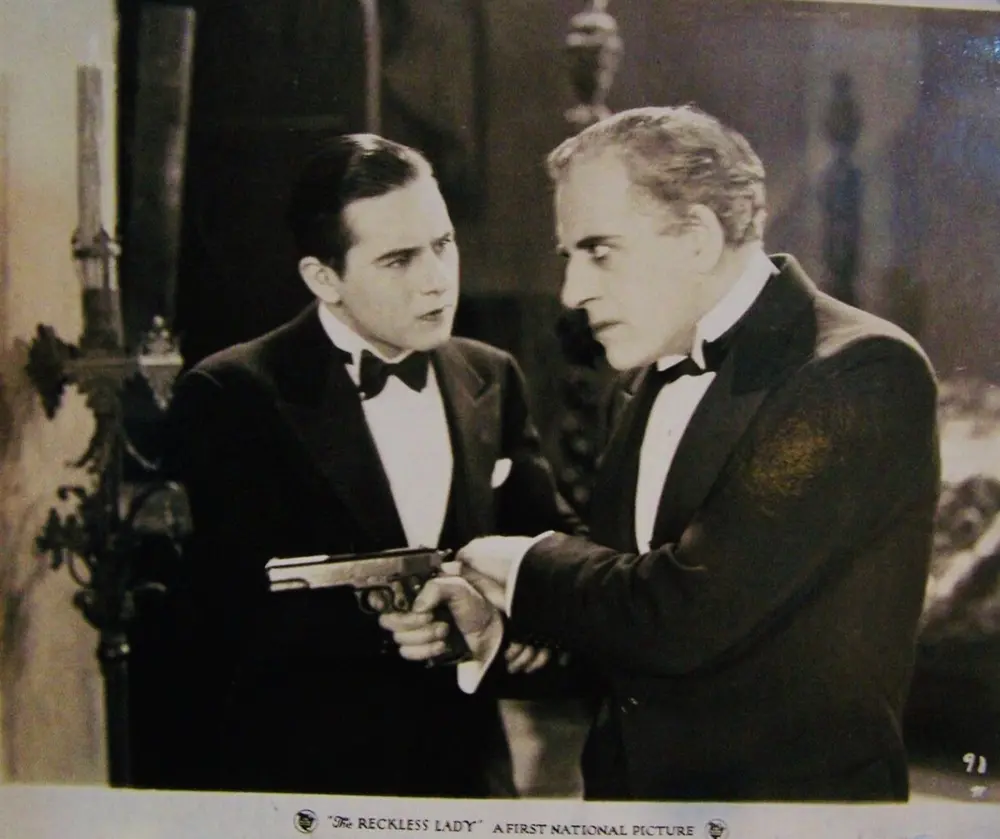
Belle Bennett is the anchor of this production. Her portrayal of the mother is nuanced. She doesn't start as a villain; she starts as a woman seeking a spark of life in a rigid social structure. This makes her eventual ruin all the more tragic.
Lois Moran, playing the daughter, provides a necessary foil. Her performance is grounded in a quiet dignity that contrasts with her mother’s frantic energy. In scenes where Moran has to confront her mother's lies, the tension is palpable. It reminds me of the family dynamics in Slaves of Pride.
Ben Lyon provides the romantic interest, but his role is largely functional. He serves the plot rather than driving it. However, his presence in the automobile race sequence adds a layer of physical stakes that the film desperately needs by the third act.
The climax of the film features a high-speed automobile race. For a 1926 production, the stunt work and editing in this sequence are surprisingly sophisticated. It isn't just there for action; it represents the reckless speed at which the family’s life is falling apart.
The cutting between the race cars and the mother’s face back at the casino is brilliant. It suggests that both are engaged in a dangerous game where a single mistake leads to a total wreck. This level of thematic editing was rare for the time.
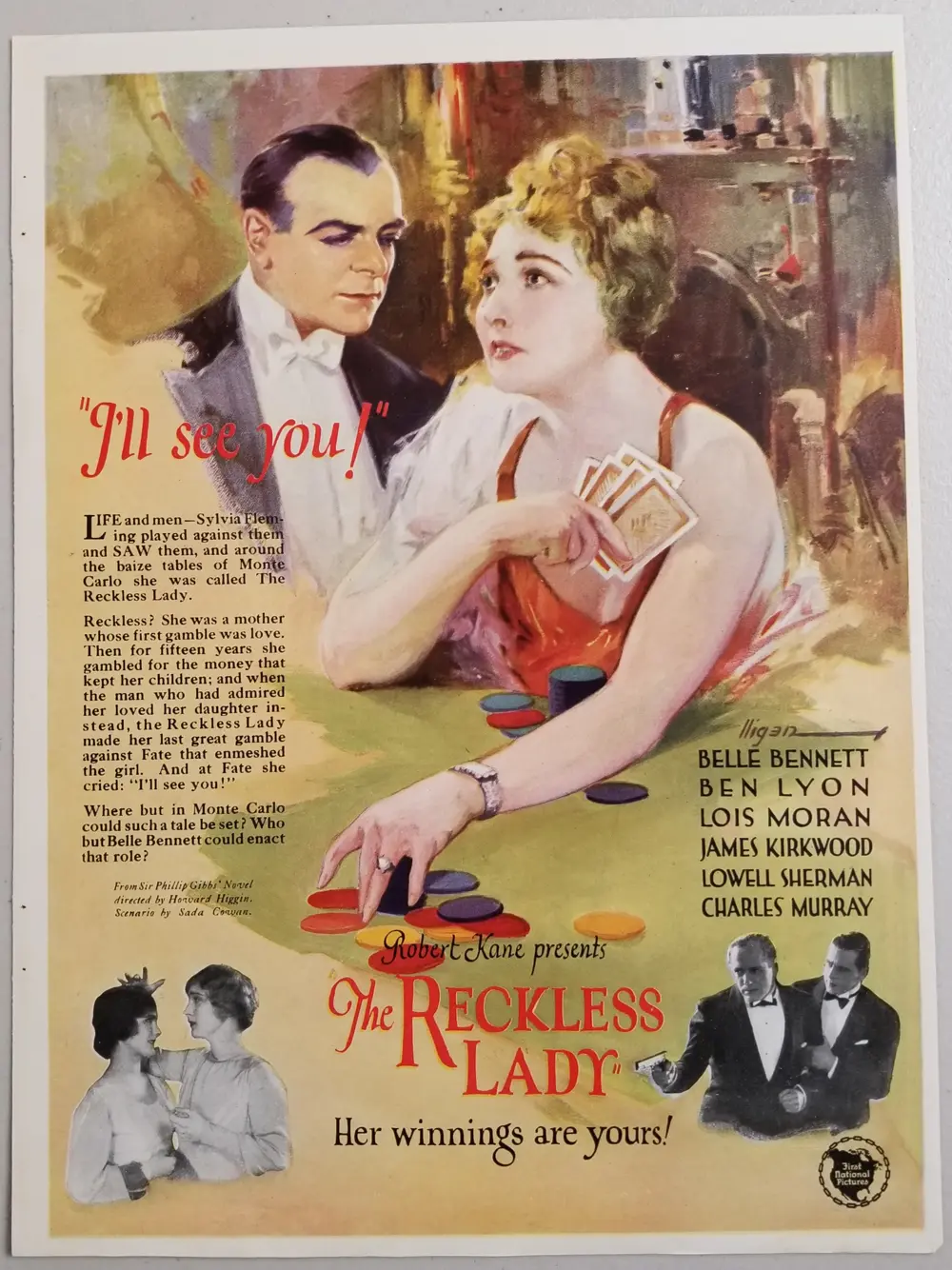
Contrast this with the slower pacing of The Snarl. Where that film lingers on static dialogue, The Reckless Lady uses movement to tell the story. It works. But it’s flawed.
The screenplay by Sada Cowan and Philip Gibbs is a fascinating study in 1920s morality. On one hand, it’s a progressive look at a woman’s psychological agency. On the other, it’s a regressive sermon about the 'dangers' of independent thrill-seeking.
There are moments where the title cards feel overly didactic. They tell us how to feel rather than letting the images do the work. This was common in films like Castles for Two, but it still grates on a modern sensibility.
However, the dialogue within those cards is often sharp. When the husband confronts his wife about her 'mania,' the words are cold and clinical. It’s a brutal depiction of a marriage that has been hollowed out by secrets.
When compared to The Song of the Soul, The Reckless Lady feels much more modern in its cynicism. It doesn't offer easy redemptions. The consequences of the mother's actions are heavy and lasting.
It also shares DNA with The Woman God Sent, particularly in how it examines the social expectations placed upon women of the upper class. The 'recklessness' of the title isn't just about gambling; it's about the refusal to play the role of the submissive wife.
Even films like Blue Jeans or Fiskebyn, which deal with rural or working-class struggles, lack the specific 'gilded cage' anxiety that makes this film unique.
Here is a thought: The Reckless Lady is actually a horror film disguised as a melodrama. The casino isn't a playground; it's a haunted house. The 'ghosts' are the other gamblers, grey-faced and hollow, who represent the protagonist's future.
This reading changes the film entirely. It makes the ending feel less like a resolution and more like a temporary escape from a monster that is still lurking in the shadows of the Riviera.
The film’s obsession with 'luck' is also a subtle critique of the American Dream. It suggests that hard work and family values are no match for the random cruelty of a spinning wheel. It’s a dark message for 1926.
Pros:
Cons:
The Reckless Lady is a powerful, if uneven, relic that deserves more attention than it currently receives. It isn't a perfect film, but it is a brave one. It takes a stance against the easy morality of its time, even if it eventually bows to it in the final frame.
If you can look past the 1920s artifice, you will find a story that is uncomfortably human. It captures the frantic, ugly nature of obsession with a clarity that many modern films fail to achieve. It’s a cautionary tale that actually feels like it has something at stake.
Ultimately, it is a film about the high price of a moment's thrill. It’s a gamble that largely pays off for the audience. Watch it for the history, but stay for the heartbreak.
IMDb —
1916
Community
Log in to comment.