DbcultAccessing Vault...
Cult Review
Senior Film Conservator
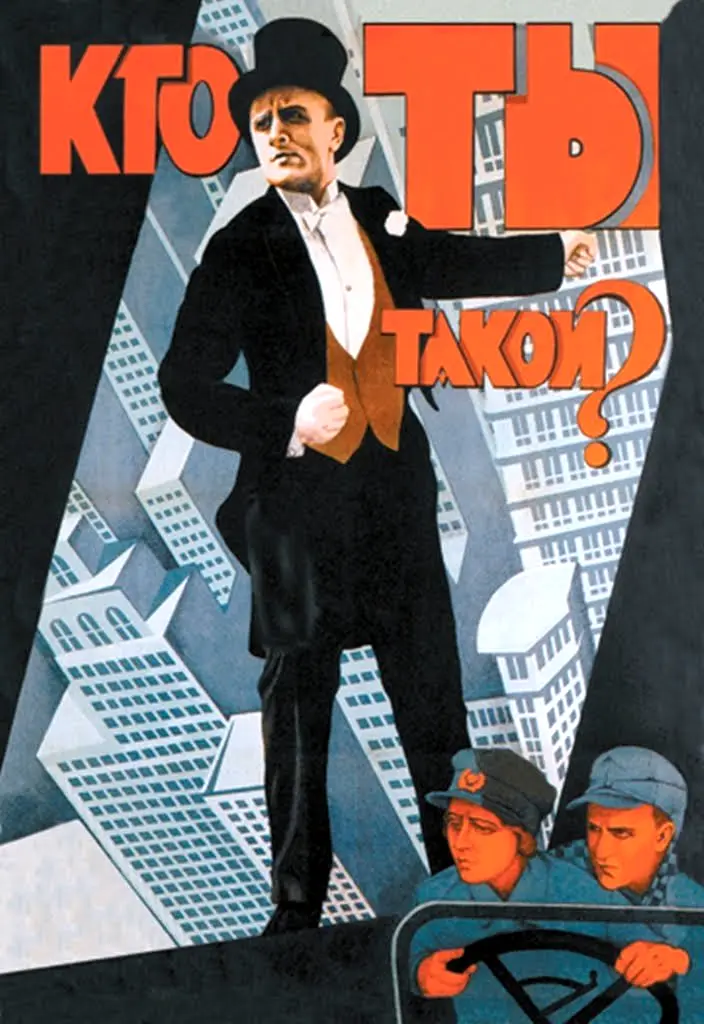
Is 'Kto ty takoy?' worth your time in the streaming era? Short answer: yes, absolutely, but with significant caveats. This isn't a film for casual viewing; it demands attention and a willingness to engage with its deliberate pace and profound thematic weight.
This film is unequivocally for cinephiles drawn to historical dramas, psychological thrillers with a philosophical bent, and anyone interested in the social and emotional landscapes of post-war Soviet cinema. It's a challenging, rewarding experience for those who appreciate nuanced character studies and a rich, atmospheric narrative. However, it is decidedly not for viewers seeking fast-paced action, clear-cut resolutions, or lighthearted entertainment. If you prefer a film that spoon-feeds its meaning or relies on spectacle, 'Kto ty takoy?' will likely test your patience.
The film opens with a quiet, almost unsettling stillness, as a lone figure, portrayed with haunting ambiguity by Anatoli Ktorov, drifts into a remote village. The setting itself, a collection of weathered wooden houses nestled against a vast, indifferent landscape, immediately establishes a sense of isolation and introspection. This isn't just a physical boundary; it's a metaphorical wall around a community attempting to heal, or perhaps, to forget.
Ktorov's character, nameless for much of the film, embodies the titular question: 'Who are you?' His presence, initially met with a wary hospitality, slowly begins to unravel the fragile peace of the village. Director's choice to withhold his backstory is a stroke of genius, transforming him from a simple plot device into a mirror reflecting the villagers' own hidden anxieties and unresolved pasts. Every interaction becomes a subtle interrogation, not just of the stranger, but of the interrogator themselves.
The screenplay, credited to no specific writer in the provided context, feels organically grown from the soil of its setting. It avoids exposition dumps, instead allowing the characters' actions and reactions to speak volumes. For instance, a seemingly innocuous scene where Ktorov's character helps a local farmer repair a fence quickly devolves into a tense exchange about collective responsibility during the war, revealing the deep fissures beneath the surface of communal harmony.
Here’s a quick breakdown of why this film resonates and where it falters:
The ensemble cast of 'Kto ty takoy?' delivers performances that are nothing short of captivating, particularly given the film's reliance on understated emotion and subtle glances. Anatoli Ktorov, as the enigmatic stranger, carries the weight of the film with remarkable grace. His portrayal is a masterclass in controlled intensity; he rarely speaks loudly, yet his eyes convey volumes – a mix of weariness, observation, and an almost unsettling calm. You find yourself constantly trying to read him, just as the villagers do, and that shared experience is central to the film's success.
Anel Sudakevich, as the young, perceptive village woman, offers a compelling counterpoint to Ktorov's stoicism. Her character, often caught between the rigid traditions of her elders and her own burgeoning curiosity, serves as the audience's emotional anchor. A particular scene where she attempts to draw out Ktorov's past through a series of innocent questions, only to be met with polite but firm evasiveness, is a highlight. Her frustration and growing fascination are palpable, grounding the film's more abstract themes in a very human struggle for understanding.
Pavel Poltoratskiy and Nikolay Vishnyak, portraying key figures within the village hierarchy, embody the collective anxieties and prejudices of the community. Poltoratskiy’s elder figure, burdened by secrets, radiates a quiet authority that slowly cracks under the stranger's gaze, while Vishnyak’s more outwardly suspicious character externalizes the fear that grips the village. Their performances are less about grand gestures and more about the subtle shifts in posture, the hesitant pauses, and the guarded expressions that reveal deep-seated mistrust. It’s a testament to their skill that these characters, who could easily become archetypes, feel like fully fleshed-out individuals.
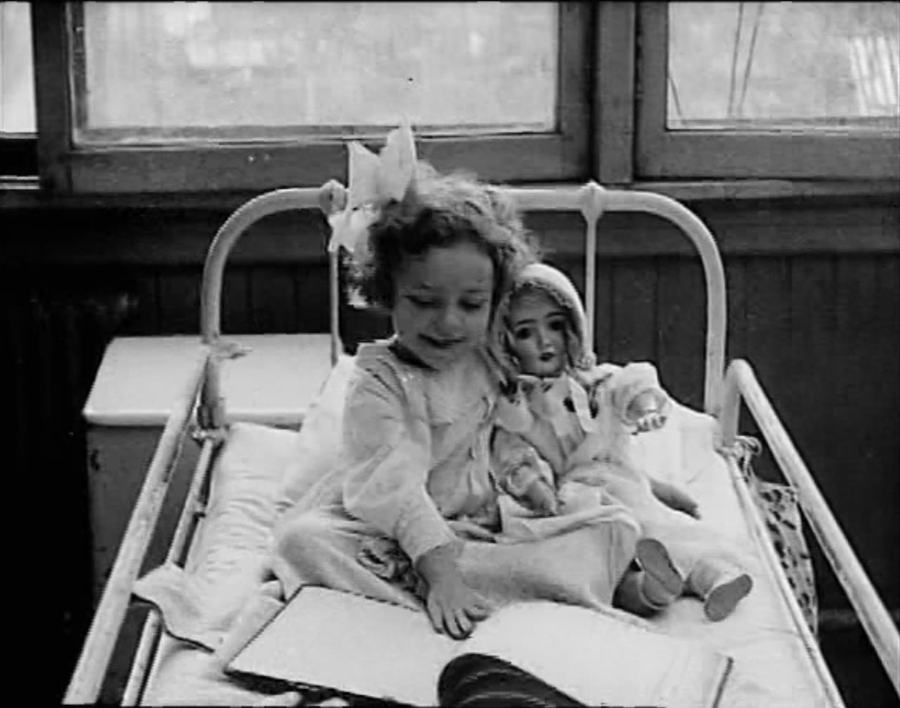
The director's approach to 'Kto ty takoy?' is one of measured restraint, allowing the narrative to unfold at a deliberate, almost meditative pace. This isn't a film that rushes to its conclusions; it invites the viewer to linger in its discomfort and contemplate its ambiguities. The decision to shoot primarily in black and white, a common aesthetic choice for its era, is particularly effective here. It strips away extraneous detail, highlighting the stark contrasts of light and shadow, and emphasizing the emotional bleakness and moral grey areas that permeate the story.
Cinematography, while not overtly flashy, is exceptionally strong in its ability to convey mood and character. Long takes, often framing characters against the desolate landscape, underscore their isolation and the vastness of the forces at play. There's a particular shot, early in the film, where Ktorov's character stands alone on a windswept hill, silhouetted against a brooding sky. It’s a simple image, but one that instantly communicates his status as an outsider, a figure both vulnerable and potentially threatening. This visual motif is revisited throughout, reinforcing the film's central themes.
The sound design, too, plays a crucial role. Beyond the sparse dialogue, the film utilizes ambient sounds – the creak of wood, the distant howl of wind, the rustling of leaves – to create an immersive, almost claustrophobic atmosphere. It’s a stark contrast to more bombastic contemporary films like The Down Grade, which relies on dramatic score and rapid cuts. Here, silence is often the most potent sound, amplifying the tension and the unspoken questions that hang heavy in the air. This minimalist approach is not for everyone, but it is undeniably effective for the narrative at hand.
The pacing of 'Kto ty takoy?' is undeniably slow, a choice that could be perceived as either a strength or a weakness depending on individual taste. For those who appreciate a gradual build-up of suspense and character development, this deliberate rhythm is a profound asset. It allows the audience to truly inhabit the world of the village, to feel the weight of its history, and to slowly unravel the psychological complexities of its inhabitants alongside the narrative.
However, this same measured pace can be a hurdle. In an era of instant gratification, a film that takes its time, that trusts its audience to absorb subtle cues rather than explicit plot points, might feel sluggish to some. It lacks the immediate hooks of, say, The Arizona Streak, which plunges you into action from the outset. Yet, it's precisely this lack of urgency that allows the film's deeper questions to marinate, fostering a sense of unease that is far more insidious and lasting than jump scares or overt threats.
The tone is consistently somber, tinged with a pervasive sense of melancholy and unresolved grief. There are glimmers of human connection, moments of shared humanity, but they are often overshadowed by the underlying tension and the unspoken traumas. It’s a film that doesn’t shy away from the darker aspects of the human psyche and the lingering shadows of historical events. This commitment to its bleak reality gives the film an authenticity that is both admirable and, at times, difficult to endure.
One surprising observation about 'Kto ty takoy?' is how prescient it feels, even decades after its release. While rooted in a specific post-war Soviet context, its exploration of 'the other' and the fear of the unknown resonates powerfully with contemporary societal anxieties. The villagers' immediate suspicion and eventual hostility towards a stranger, simply because he doesn't fit their established narrative, feels uncomfortably familiar in today's polarized world. It’s a stark reminder that the human tendency to demonize what we don't understand is not bound by time or geography.
My strongest, perhaps most debatable, opinion is that the film's ultimate strength lies not in providing answers, but in its unwavering refusal to do so. Many viewers might walk away feeling frustrated by the lack of a clear resolution regarding Ktorov's identity or the precise nature of the village's secrets. However, this ambiguity forces a more profound engagement. It posits that some questions are unanswerable, and that the process of asking, of confronting uncomfortable truths, is more valuable than any definitive conclusion. This approach elevates it beyond a mere mystery into a philosophical treatise on the nature of identity and collective memory. It works. But it’s flawed, precisely because it refuses to conform.
Furthermore, I contend that the film's greatest triumph is its ability to make the absence of information a character in itself. The unspoken past, the unrevealed motivations, and the very void of identity surrounding the stranger become tangible forces shaping the narrative. This is a bold directorial choice that risks alienating a significant portion of the audience, but for those willing to embrace it, the reward is a deeply immersive and thought-provoking experience that lingers long after the credits roll.
Pros:
- Exceptional Acting: Anatoli Ktorov's enigmatic performance is central, complemented by strong, nuanced turns from Anel Sudakevich, Pavel Poltoratskiy, and Nikolay Vishnyak.
- Atmospheric Cinematography: The black and white visuals are not just aesthetically pleasing but functionally enhance the film's somber tone and thematic depth.
- Profound Thematic Exploration: Delves deeply into questions of identity, collective memory, trauma, and xenophobia, offering rich material for discussion.
- Masterful Use of Subtext: The film communicates more through what is unsaid and unseen, creating a powerful sense of unease and intrigue.
- Enduring Relevance: Despite its historical setting, the film's core themes resonate with contemporary issues of 'otherness' and fear.
Cons:
- Very Slow Pacing: The deliberate speed can feel glacial to some, potentially leading to disengagement for those expecting a quicker narrative progression.
- Narrative Ambiguity: A lack of clear answers or conventional plot resolution might frustrate viewers who prefer definitive conclusions.
- Demanding Viewing: Requires significant intellectual and emotional investment, making it less accessible for a broad audience.
- Potentially Bleak Tone: The pervasive melancholy and exploration of trauma can be heavy and emotionally draining for some viewers.
- Limited Accessibility: As a historical foreign-language film, it requires a certain predisposition and effort from the audience. It’s not a film you stumble upon easily, unlike, say, Strictly Modern.
'Kto ty takoy?' is a demanding, yet profoundly rewarding cinematic experience. It is not an easy watch, nor is it designed to be. Instead, it offers a challenging exploration of human nature, identity, and the lingering echoes of historical trauma. Its slow, deliberate pace, combined with exceptional performances and an evocative aesthetic, creates a powerful, unsettling atmosphere that stays with you long after the final frame.
For those willing to invest the time and intellectual energy, this film offers a deep dive into existential questions that remain relevant across generations. It’s a testament to the power of cinema to provoke thought and stir the soul, rather than merely entertain. While it may not cater to every taste, for its intended audience – those who seek cinema that challenges and illuminates – 'Kto ty takoy?' is an essential, unforgettable piece of work. It’s a true gem, albeit one that requires a bit of digging to fully appreciate its multifaceted brilliance. A must-see for serious film enthusiasts.
IMDb 4.6
1920
Community
Log in to comment.