DbcultAccessing Vault...
Cult Review
Senior Film Conservator
In the vast tapestry of early cinema, few narratives dared to weave such an intricate and unsparing portrait of societal stratification as Human Cargoes. This cinematic endeavor transcends mere melodrama, positioning itself as a poignant, albeit didactic, exploration of class, corruption, and the unyielding pursuit of justice in a world seemingly rigged against the virtuous. From its very genesis, the film establishes a powerful, almost allegorical, framework: three births, three distinct destinies, each tethered to a specific rung on the ladder of modern life. It's a foundational premise that immediately draws parallels with other socially conscious works of its era, like Children of Eve, in its unflinching gaze at the disparities that define human experience. The film doesn't merely observe; it dissects, offering a critical lens on the forces that shape individual trajectories.
The narrative commences with a striking tableau: the simultaneous arrival of three infants into vastly different milieus. There is Bill Madden, son of the hardscrabble East Side working man, John Madden; Mary Miles, daughter to Eustace Miles, the city editor, representing a certain intellectual middle ground; and Victor Brown, progeny of John Brown, a politician whose wealth is matched only by his moral elasticity. This opening, devoid of overt judgment, subtly sets the stage for the socio-economic forces that will dictate their paths. By the age of nine, we see them in their respective educational environments, a visual shorthand for the divergent opportunities and indoctrinations awaiting them. This early segmentation is crucial; it’s not just about inherited wealth or poverty, but about the values, ambitions, and ethical frameworks that are implicitly absorbed from one's environment. The film posits that while birth may dictate circumstance, the subsequent choices and struggles define character, a theme often explored in moral dramas of the period.
As these three protagonists transition into young adulthood, the film truly begins to unfurl its moral complexities. Bill Madden, despite his humble beginnings, emerges as a figure of formidable ambition and integrity. A foreman in construction, his gaze is fixed on a loftier goal: the study of law. His aspiration is not merely personal aggrandizement but a profound desire to uplift his class, to arm himself with the tools to challenge systemic injustices. This portrayal of the working-class hero, striving for intellectual and social mobility, is a powerful archetype, resonating with the aspirations of many during a period of significant social upheaval. It’s a narrative thread found in films that champion the underdog, often against overwhelming odds, much like the thematic undercurrents in The Loyal Rebel, where individual conviction clashes with established power structures.
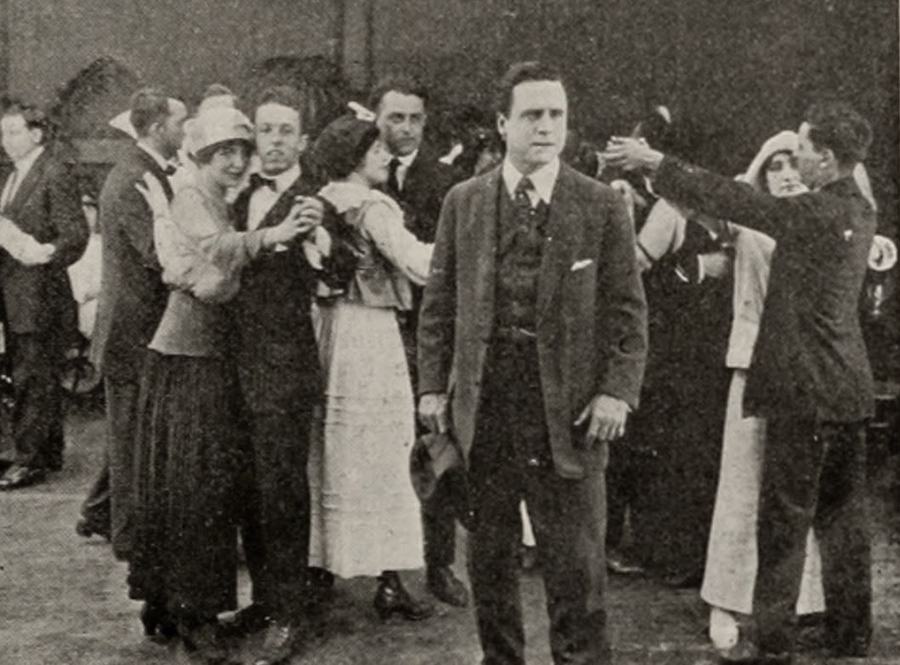
Conversely, Victor Brown, the politician’s son, embodies the stark antithesis of Bill’s virtue. His upbringing, steeped in privilege and moral ambiguity, has molded him into a vicious and degenerate character. His actions are driven by a sense of entitled superiority and a predatory nature, culminating in the abhorrent kidnapping and drugging of Bill's sister, Mary Madden, who works in a department store. This egregious act serves as a potent symbol of the corrupting influence of unchecked power and wealth, a theme that echoes in the darker corners of social realism. The film doesn't shy away from depicting the vulnerability of the working class against the predations of the elite, a harsh reality that would have struck a chord with contemporary audiences. The salvation of Mary Madden by a previous victim of Victor highlights a solidarity amongst the oppressed, a subtle but significant detail that injects a glimmer of hope into an otherwise grim depiction of exploitation.
As Bill Madden diligently pursues his legal education, earning his degree, the narrative skillfully intertwines his professional development with his burgeoning role as a societal protector. His confrontation with a heroin peddler, preventing the sale of the "obnoxious drug" to children, is a pivotal moment. It not only showcases his innate sense of justice but also brings him into contact with Mary Miles, the editor's daughter, who thanks him for his humanitarian efforts. This encounter is crucial, establishing a connection between the two virtuous protagonists and foreshadowing their eventual union. It’s a classical narrative device where shared values forge bonds across social divides, offering a counterpoint to the destructive forces at play.
Bill’s unwavering commitment to his class, his fight against "environment, corruption and the high cost of living," inevitably draws the ire of the powerful. John Brown, the wealthy politician and father to the despicable Victor, views Bill's rising influence as a direct threat to his own entrenched power and corrupt machinations. This incites a deep-seated hatred, leading Brown to hire a gunman to eliminate Bill. This plot point brilliantly illustrates the lengths to which the powerful will go to maintain their hegemony, a theme vividly explored in films dealing with political corruption and the abuse of authority, such as The Boss, where the machinations of power often lead to moral compromise and violence. The film argues that justice is not merely a legal concept but a battleground where the honest must confront the ruthless.
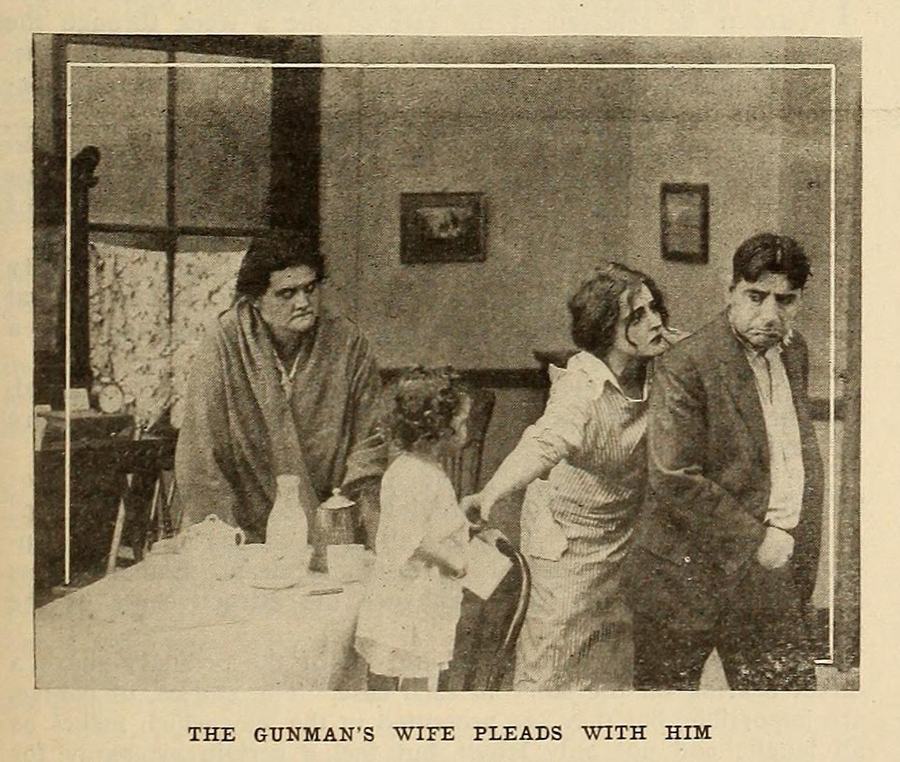
The climax of Human Cargoes is a masterclass in dramatic irony and karmic retribution. Victor Brown, ever the predator, encounters Mary Miles and attempts to force his attentions upon her. Bill Madden, witnessing this egregious act, intervenes, embodying his role as a protector of the innocent. In the ensuing chaos, the hired gunman, sent by John Brown to assassinate Bill, accidentally shoots Victor instead, escaping unseen in the pandemonium. This twist of fate is both shocking and profoundly satisfying, a testament to the unpredictable nature of justice and the often-unforeseen consequences of malevolent intent. Bill, tragically, is arrested for the murder, caught in a snare of circumstantial evidence and the machinations of his powerful adversary.
The courtroom scene becomes the ultimate battleground for truth. Here, the film delivers its most potent message about the interconnectedness of good deeds and their eventual reward. A poor woman, whom Bill had previously defended in a legal capacity, steps forward. She witnessed the actual murder and, driven by gratitude and a sense of justice, reveals the true circumstances to the court. This moment is the narrative's deus ex machina, not in the sense of an arbitrary plot device, but as a direct consequence of Bill’s earlier virtuous actions. It underscores the film’s moral compass: kindness and integrity, though seemingly small, can ripple outwards, ultimately safeguarding one’s destiny. Such dramatic revelations in court are a staple of legal dramas, often seen in films like The Mystery of a Hansom Cab, where truth is meticulously unwound in a public forum.
The revelation of John Brown’s culpability in his own son’s death is the final, devastating blow. The realization that his hatred and corrupt actions led directly to the demise of his own flesh and blood proves too much for the unscrupulous politician. He succumbs to a stroke of apoplexy, a swift and brutal act of poetic justice. This demise is not merely a convenient plot resolution; it’s a profound statement on the self-destructive nature of unchecked malice and the heavy toll of guilt. The film suggests that even the most powerful cannot escape the moral reckoning of their deeds.
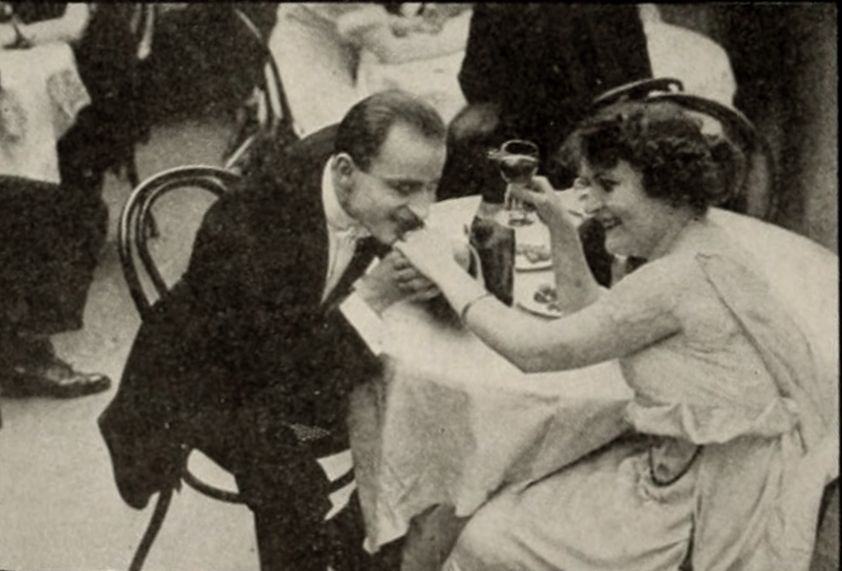
With his name cleared and his integrity affirmed, Bill Madden emerges as a bona fide hero. His journey from East Side foreman to legal champion culminates in a political nomination, positioning him as a representative for his district. This trajectory symbolizes the film’s optimistic vision for social mobility and the potential for a just society, where merit and morality triumph over birthright and corruption. It's a powerful endorsement of the American Dream, albeit one achieved through arduous struggle and unwavering ethical conviction. His political ascension is not just a personal victory but a triumph for the class he represents, a testament to their collective struggle against adversity.
The narrative concludes with Bill winning the hand of Mary Miles, the editor’s daughter. This union is more than a romantic resolution; it's a symbolic merging of honest labor and intellectual integrity, a forging of a new, morally sound elite. Their marriage represents the film's ultimate aspiration: a society where the divisions of class can be overcome by shared values and a commitment to justice. It's a hopeful coda, suggesting that while the "human cargoes" of society may start in disparate vessels, the course of life can, through virtue and perseverance, lead to a harmonious destination. The film, in its entirety, serves as a powerful moral story, "worthy of mention," as the original synopsis aptly notes, for its enduring relevance and its unyielding faith in the triumph of the human spirit against systemic oppression.
The thematic richness of Human Cargoes is undeniable. At its core lies an incisive critique of social class and its inherent inequalities. The stark contrast between Bill Madden's arduous climb and Victor Brown's entitled fall serves as a potent commentary on the corrupting influence of unearned privilege versus the refining power of adversity. The film bravely confronts issues of urban poverty, political corruption, and the moral decay that can fester within the upper echelons of society. It’s a narrative that implicitly asks: what is the true cost of progress when it leaves so many behind, and what responsibilities do those in power truly hold? The depiction of Bill Madden's struggle against the "high cost of living" and the oppressive "environment" faced by his class is particularly resonant, highlighting the systemic barriers that often impede upward mobility and foster resentment. His legal battles are not just personal quests but representative fights for collective dignity and a more equitable distribution of societal burdens.
Beyond class, the film delves into the perennial struggle between justice and injustice. Bill Madden’s journey is a testament to the idea that law, when wielded by the righteous, can be a force for profound social good. His dedication to fighting for his community, whether against drug peddlers or corrupt politicians, positions him as a moral compass in a turbulent world. The film doesn't present an easy path to justice; it highlights the obstacles, the false accusations, and the powerful enemies one must face. Yet, it ultimately champions the idea that truth, supported by integrity, will prevail. The character of Mary Miles, the editor's daughter, also plays a crucial role here, representing an informed and morally conscious segment of society that recognizes and supports true virtue, bridging the gap between social strata through shared ethical principles. Her initial gratitude for Bill's defense of humanity evolves into a deeper admiration, signifying the film's belief that genuine heroism transcends social barriers.
The role of fate and irony is also a compelling aspect. John Brown’s orchestrating of Bill’s murder, only for his own son to fall victim to the very violence he unleashed, is a powerful demonstration of karmic justice. It’s a narrative device that reinforces the moral universe of the film, where actions, however covert, ultimately boomerang back to their originator. This element of fate is often a staple in moralistic tales, aiming to underscore the inescapable consequences of one's choices, a thread sometimes seen in films like The Taint, where moral transgressions inevitably lead to personal or societal decay. The dramatic irony of Brown's demise, brought on by the very machinations he set in motion, provides a cathartic resolution, emphasizing that even the most powerful cannot escape the moral reckoning of their deeds. The film, through this intricate web of cause and effect, delivers a stark warning against hubris and unchecked power.
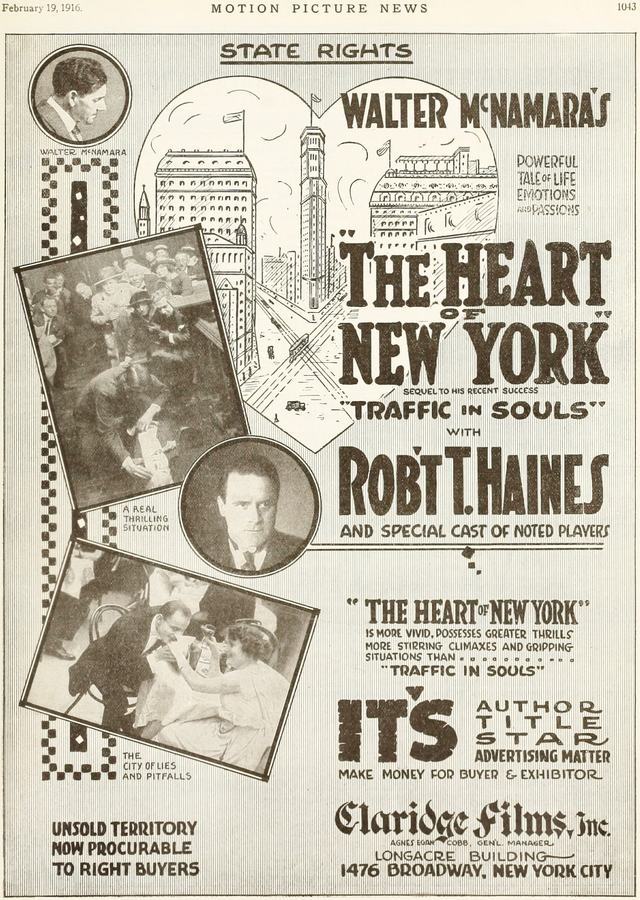
While the cinematic techniques of the era might appear rudimentary by today's standards, the film's strength lies in its narrative ambition and its clear, resonant moral message. It captures a snapshot of early 20th-century societal anxieties and aspirations, presenting characters who, despite their archetypal roles, feel deeply human in their struggles and triumphs. The performances, led by Robert T. Haines as Bill Madden, Willis Granger as Victor Brown, and Miss Hill as Mary Miles, likely would have conveyed the earnestness and dramatic weight necessary for such a story to connect with its audience. The casting choices, even for supporting roles like Blanche Davenport and Charles E. Kimball, would have been crucial in establishing the varied social fabric. The film’s clear delineation of good and evil, while perhaps simplistic to a modern eye, served a vital purpose in its time: to provide a moral framework and inspire hope for a more just society, offering a narrative blueprint for civic engagement and personal integrity.
In an age where social issues were increasingly becoming fodder for artistic expression, Human Cargoes stood out as a bold statement. It wasn't content with mere entertainment; it sought to provoke thought, to stir the conscience, and to advocate for a more equitable world. Its portrayal of the "human cargoes" – individuals whose lives are shaped, often against their will, by societal currents – remains a powerful metaphor. The film suggests that society bears a collective responsibility for the fates of its members, and that neglect or corruption at the top inevitably creates suffering at the bottom. The detailed plot, penned by Walter MacNamara, demonstrates a keen understanding of social dynamics and a desire to craft a story that is both compelling and morally instructive. This dedication to narrative with a purpose distinguishes it from purely escapist fare, aligning it with other socially conscious productions that aimed to reflect and influence public discourse.
Even decades later, the core questions posed by Human Cargoes continue to resonate with striking relevance. How do we ensure equal opportunity in a world still grappling with vast economic disparities? How do we combat systemic corruption that often seems impervious to reform? And what is the role of individual integrity and collective action in the face of overwhelming societal pressures? These are not questions confined to a specific historical period but are eternal dilemmas that humanity continues to grapple with. The film, therefore, transcends its temporal setting to offer a timeless commentary on the human condition and the enduring struggle for justice. Its legacy lies not just in its intricate plot or dramatic climax, but in its unwavering commitment to a moral vision, a blueprint for how individuals can, and must, strive to build a better world, one act of courage and kindness at a time. It reminds us that every birth is a cargo, carrying the potential for good or ill, and that the collective choices of society determine its ultimate destination, urging us to consider the weight of our shared humanity and the responsibilities that come with it. The journey of Bill Madden, from humble beginnings to a beacon of justice, serves as an inspiring testament to the power of perseverance and the ultimate triumph of virtue over vice in the grand drama of human existence.

IMDb 5.3
1924
Community
Log in to comment.