DbcultAccessing Vault...
5.1/10
Senior Film Conservator
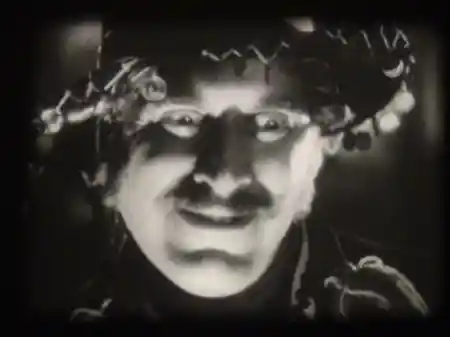
A definitive 5.1/10 rating for a film that redefined the boundaries of cult cinema. Hungarian Rhapsody remains a cornerstone of transgressive art.
If you're looking for something fast and loud, you should probably skip Hungarian Rhapsody. It is definitely for people who don't mind a movie that takes its sweet time getting nowhere.
I think historians or people who just love old-school drama will find something to like here. If you hate movies where people stare at each other for a long time, you'll probably want to turn it off after ten minutes.
I finally sat down to watch this one because I've been on a bit of a 1920s kick lately. It felt a lot different than The Street of Illusion, which had a bit more energy in the editing.
Paul Fix is in this, and he looks so young it’s actually kind of distracting. He has this face that looks like he’s constantly worried about leaving the stove on.
The story is written by Eugene Forde, and you can tell he was still figuring out how to balance all the characters. Sometime the plot just stops so we can look at a room for a while.
Michael Visaroff shows up too, and he’s got that heavy presence he always brings to the screen. He doesn't have to say much to make you feel like something bad is about to happen.
There is this one scene in a kitchen where the lighting is just... strange. One side of the actor's face is totally dark, and it doesn't really seem like it was on purpose.
It reminded me of the weird shadows you see in The Gray Mask. It’s those little mistakes that make these old movies feel more real to me.
The music, or at least the idea of it, hangs over everything since it's a rhapsody and all. But the silence in some of these scenes is what actually sticks with you.
I noticed that the furniture in the background looks way too expensive for the characters. It’s like the studio just grabbed whatever was left over from a bigger production like Queen Kelly.
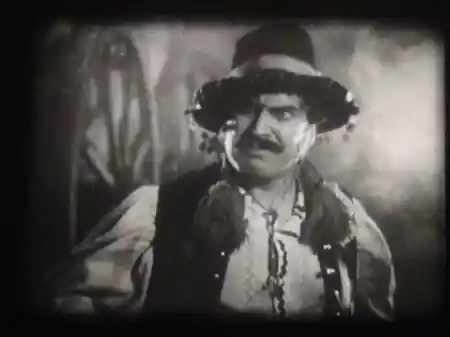
The way the characters move is very stiff, almost like they are afraid of knocking over the sets. It gives the whole movie a nervous energy that I don't think was in the script.
There is a moment where a letter is delivered, and the camera stays on the envelope for a long time. Like, way too long, to the point where I started looking at the texture of the paper.
Eugene Forde don't really give us a big climax or anything. It just kind of... ends, and you're left wondering if you missed a reel or something.
It’s not as funny as One Week, obviously, but there are some accidental laughs. Mostly just from how serious everyone is being about things that don't matter.
I found myself thinking about The Destruction of Carthage while watching this. Not because they are similar, but because both movies feel like they are trying to be bigger than they actually are.
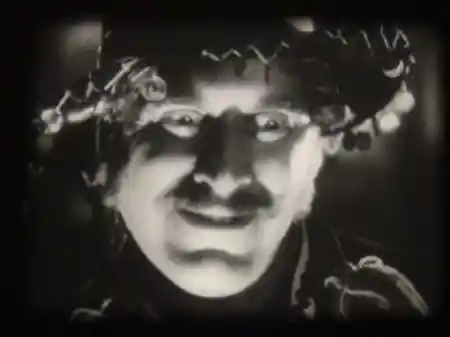
The pacing gets noticeably worse in the second half. It feels like they ran out of things to say and just started filming people walking through doorways.
Still, there’s a charm to it that you don’t get in modern stuff. It’s clunky and weird, but it feels like it was made by people who were actually trying.
Visaroff has this one reaction shot where he looks like he's smelled something bad. It goes on for about five seconds too long and it’s the best part of the movie.
If you’ve seen The Gorilla, you know how these late 20s movies can feel a bit lost. Hungarian Rhapsody is definitely lost, but it’s a nice place to be for an hour.
I wouldn't call this a masterpiece or anything. It’s just a decent way to spend an afternoon if you like dusty old film cans.
Its a bit like finding an old photo album of people you don't know. You don't know the stories, but you can't stop looking at the faces.
The movie don't really care if you're bored, which I kind of respect. It just does its thing and then stops.
I'll probably forget most of the plot by next week. But I’ll remember that weird kitchen scene and the tiny hat.
IMDb 4.9
1915
Community
Log in to comment.