DbcultAccessing Vault...
Cult Review
Senior Film Conservator
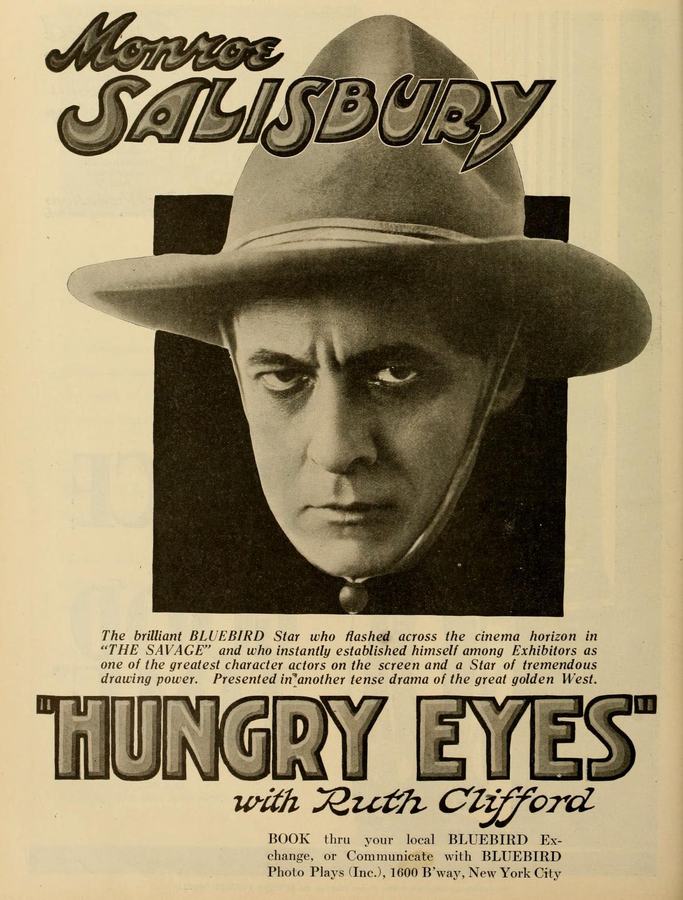
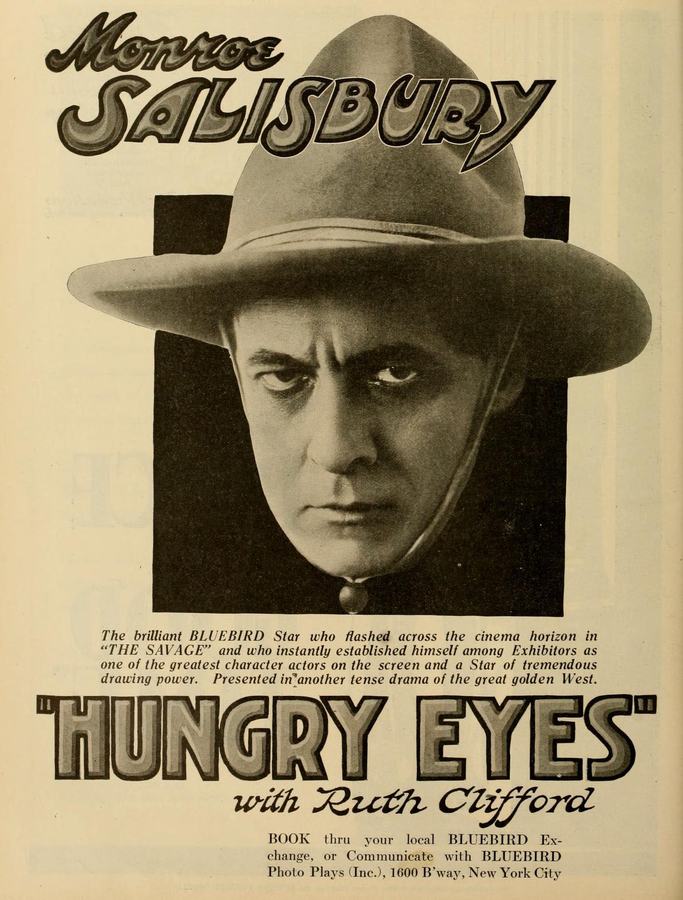
In the nascent years of cinematic storytelling, when the silver screen flickered with unspoken narratives and emotions were conveyed through exaggerated gesture and poignant intertitles, a film like 'Hungry Eyes' emerged from the burgeoning Western genre to weave a tale of redemption, sacrifice, and the enduring power of love. Released in 1918, a period fraught with global upheaval but also marked by an explosion of artistic innovation in film, this picture, penned by Elliott J. Clawson, represents a fascinating artifact of its era. It’s a melodrama wrapped in the rugged aesthetic of the American West, exploring themes that resonate far beyond the confines of its silent frames.
The narrative thrust of 'Hungry Eyes' is immediately compelling, drawing the viewer into a world where past sins cast long shadows and the promise of a new life hinges on a delicate balance of truth and deception. We are introduced to Dale Revenal, an ex-convict, a man burdened by his history, who arrives at Dudley Appleton's ranch. His entry is facilitated by a letter of introduction from John Silver, a mysterious figure whose connection to Appleton hints at deeper, untold histories. This initial setup establishes a crucial element of intrigue: who is Dale Revenal, and what exactly is his past? The film wastes no time in presenting Dale as a man of inherent charm and capability, quickly earning the respect of the ranch hands—a testament to his intrinsic character, despite his stained record. This immediate acceptance by the working-class men of the ranch speaks volumes about the film's portrayal of meritocracy and the idea that a man's worth can be judged by his actions in the present, not solely by his past transgressions.
The true emotional core of 'Hungry Eyes' blossoms with the burgeoning romance between Dale and Mary Jane, Appleton's daughter. Ruth Clifford, portraying Mary Jane, imbues the character with a blend of innocence and spirited independence, making her attraction to Dale entirely believable. Their connection is swift and profound, yet it is immediately complicated by Dale's internal struggle. Believing himself unworthy of Mary Jane's pure affections due to his past, he constructs an elaborate lie: a fabricated wife and child in Arizona. This act of self-sacrifice, born from a misguided sense of honor, is the pivotal turning point, propelling the story into classic melodramatic territory. It's a trope familiar to silent cinema – the noble hero withholding his truth for the perceived good of his beloved – and it's handled here with a potent emotional gravity that would have captivated audiences of the era. The internal conflict Dale faces, the visible anguish of his self-imposed exile from true happiness, is a powerful testament to the expressive capabilities of silent film acting, where every gesture and facial expression carried immense weight.
Mary Jane, devastated by Dale's revelation, succumbs to societal pressure and the practicalities of ranch life by reluctantly agreeing to marry Jack Nelda, a local rancher. Monroe Salisbury, as Nelda, crafts a villain whose jealousy is palpable, a stark contrast to Dale's quiet nobility. Nelda's realization that Mary Jane's heart still belongs to Dale fuels a malevolent plot, drawing in Bessie Dupont and her brother Pinto as conspirators. This descent into villainy transforms the romantic drama into a tense thriller, a common trajectory for Westerns of the period that often blended romance with elements of crime and justice. The dramatic stakes are heightened considerably, pushing the audience to the edge of their seats, anticipating the inevitable clash.
The film's climax is a flurry of action and revelation. Bessie Dupont, perhaps swayed by a residual sense of fairness or a fear of the consequences, warns Dale of Nelda's plot. This moment of conscience from a secondary villain adds a layer of moral complexity, suggesting that even those entangled in malice can have moments of redemption or pragmatism. The ensuing confrontation at the saloon, a quintessential Western setting, erupts into violence as Pinto shoots Dale, wounding him. This scene, no doubt rendered with dramatic intensity through swift cuts and close-ups in the silent era, would have been a heart-stopping sequence for contemporary viewers.
It is at this critical juncture that John Silver, portrayed by Arthur Tavares, steps out of the shadows. His intervention is not merely physical, as he aids Dale and ultimately leads to Nelda's demise, but also narrative. Silver becomes the deus ex machina, revealing the truth about Dale's 'wife' – she is, in fact, his sister. This revelation instantly dismantles Dale's self-imposed barrier, freeing him from the burden of his secret and allowing him to finally accept Mary Jane's love. The ending, a triumphant affirmation of love and honesty, provides the satisfying resolution typical of melodramas, where virtue is rewarded and villainy vanquished. The intricate plotting, particularly the role of Silver, demonstrates Elliott J. Clawson's skill in crafting a narrative with sustained suspense and a powerful, redemptive conclusion. The journey from initial deception to ultimate truth is a testament to the enduring power of sincerity.
The success of 'Hungry Eyes' rests heavily on the shoulders of its performers, who navigated the unique demands of silent cinema. Without spoken dialogue, actors relied on exaggerated facial expressions, precise body language, and the emotional resonance of their eyes to convey complex feelings. Rupert Julian, as Dale Revenal, delivers a performance that balances rugged masculinity with a profound inner turmoil. His portrayal of a man battling his past while yearning for a future he believes he doesn't deserve is nuanced, a testament to his ability to communicate deep-seated emotions through purely visual means. The audience must feel his conflict, his longing, and his eventual relief through his physical presence and the intensity of his gaze.
Ruth Clifford, as Mary Jane, embodies the spirited innocence and unwavering affection that drives much of the plot. Her reactions to Dale's initial deception, her reluctant agreement to marry Nelda, and her enduring love for Dale are all conveyed with a clarity that transcends the lack of dialogue. She represents the pure, untainted hope that Dale so desperately needs. Clifford's performance, like many leading ladies of the era, required a delicate balance of vulnerability and strength, making her a compelling figure for the audience to root for.
Monroe Salisbury's Jack Nelda is a masterclass in silent film villainy. His jealousy and malice are not just evident but almost palpable, a menacing presence that contrasts sharply with Dale's brooding heroism. Salisbury's ability to convey villainous intent without words, relying on subtle sneers, aggressive stances, and piercing glares, would have been crucial to establishing the dramatic conflict. Arthur Tavares, as John Silver, projects an air of wisdom and quiet authority, making his late-stage intervention feel earned rather than arbitrary. The supporting cast, including George A. McDaniel, Gretchen Lederer, W.H. Bainbridge, and Henry A. Barrows, contribute to the rich tapestry of the ranch community, each playing their part in creating a believable world for the central drama to unfold.
Elliott J. Clawson, the screenwriter, was a prolific figure in the early days of Hollywood, known for his ability to craft engaging narratives that resonated with contemporary audiences. In 'Hungry Eyes,' Clawson masterfully blends elements of the Western genre – the rugged setting, the honor code, the saloon confrontation – with the emotional intensity of melodrama. His plot structure is tightly wound, introducing conflict early, escalating stakes through deception and conspiracy, and delivering a satisfying resolution. The pacing of the narrative, while perhaps slower by modern standards, was characteristic of the era, allowing for the slow burn of emotional development and the deliberate unfolding of intricate plots. Clawson's screenplay is not just a series of events; it's a careful exploration of character motivation, societal judgment, and the redemptive power of truth.
The use of the 'ex-convict seeking redemption' trope is a powerful one, allowing Clawson to explore themes of second chances and the struggle against one's past. This mirrors broader societal anxieties and hopes, particularly in a post-World War I era where many sought to rebuild their lives. The plot twist involving John Silver and the true identity of Dale's 'wife' is a classic narrative device, designed to maintain suspense and deliver a powerful emotional release at the climax. It speaks to Clawson's understanding of dramatic tension and audience engagement, ensuring that the resolution feels both earned and impactful. His writing, even without dialogue, clearly dictates the emotional beats and narrative trajectory, guiding the silent performances and the visual storytelling.
While a specific director is not listed for 'Hungry Eyes,' the visual storytelling implicit in its plot points adheres to the conventions of early cinema. Silent films relied heavily on evocative cinematography and meticulous mise-en-scène to convey mood, setting, and character. The vast, open landscapes of the Western genre would have been captured in wide shots, establishing a sense of isolation and grandeur, while intimate moments between Dale and Mary Jane would have utilized close-ups to emphasize their expressions and emotional connection. The saloon confrontation would have employed dynamic camera movements and rapid editing (for the time) to heighten the tension and chaos.
The art direction, though perhaps simple by today's standards, would have been crucial in defining the authenticity of the ranch setting and the contrast between the rough-and-tumble world of the ranch hands and the domesticity of the Appleton home. Costuming, too, played a significant role in defining character, from Dale's rugged attire to Mary Jane's more refined, yet practical, dresses. The overall aesthetic would have aimed for a blend of realism and romanticism, characteristic of the era's Westerns. The narrative’s reliance on dramatic reveals and visual cues speaks to the sophistication of silent film production, even in its relative infancy, demonstrating a clear understanding of how to engage an audience without spoken words.
Placing 'Hungry Eyes' within the broader cinematic landscape of its time reveals its thematic connections to other films and enduring narrative archetypes. The theme of a character grappling with a hidden past and seeking redemption is a timeless one, echoing in various forms across genres. For instance, the societal judgment and the struggle for a second chance seen in Dale Revenal's journey can be compared to narratives like The Sporting Duchess, where characters often confront societal ostracism and strive to reclaim their honor. Both films tap into the universal human desire for forgiveness and acceptance.
The internal conflict faced by Mary Jane, torn between her love for Dale and her commitment to Nelda, also resonates with the struggles of female protagonists in other melodramas of the era. The constraints placed upon women by societal expectations and the difficult choices they faced, often between love and duty, are central to many stories. While not a direct comparison in plot, the theme of societal expectation versus personal desire can be seen in plays and film adaptations like A Doll's House, which challenged traditional gender roles and explored the complexities of personal freedom.
The villainous machinations of Jack Nelda, driven by jealousy and a desire for control, are a staple of melodramatic storytelling. His character, along with his co-conspirators Bessie and Pinto, represents the darker side of human nature, a force that the virtuous protagonists must overcome. This struggle between good and evil, often depicted in stark terms, was a common and effective narrative device in silent films, designed to elicit strong emotional responses from the audience. The dramatic resolution, where justice is served and true love prevails, aligns with the moralistic tendencies of early cinema, providing a clear and satisfying conclusion for viewers.
'Hungry Eyes' stands as a compelling example of early American cinema, a testament to the power of silent storytelling. It reminds us that even without spoken dialogue, films of this era were capable of delivering complex characters, intricate plots, and profound emotional depth. The themes of redemption, self-sacrifice, and the triumph of truth over deception are universal, ensuring that the film's core message remains relevant even over a century later. It offers a fascinating glimpse into the social values, narrative conventions, and artistic expressions that shaped the nascent film industry.
For contemporary audiences, 'Hungry Eyes' serves as more than just a historical curiosity; it is an invitation to appreciate the artistry of silent film, to understand how emotions were conveyed through visual cues and the sheer expressive power of the human face. It underscores the foundational principles of cinematic narrative that continue to influence filmmaking today. The film, through its compelling performances and well-structured plot, reaffirms the timeless appeal of a good story, well told, regardless of the technological limitations of its time. Its 'hungry eyes' refer not just to the longing of its characters, but perhaps also to the audience's enduring appetite for human drama, beautifully and powerfully rendered.
In an age of rapid technological advancement in filmmaking, revisiting works like 'Hungry Eyes' provides a valuable perspective on the enduring elements of storytelling. It demonstrates that the essence of compelling cinema lies not in special effects or booming soundtracks, but in the intricate dance of human emotions, moral dilemmas, and the timeless quest for love and acceptance. This film, a quiet titan from the silent era, continues to speak volumes without uttering a single word, proving that some stories are truly universal, transcending the boundaries of time and medium. Its legacy is etched not just in film history but in the very fabric of how we understand dramatic narrative.
IMDb 4.8
1934
Community
Log in to comment.