DbcultAccessing Vault...
Cult Review
Senior Film Conservator
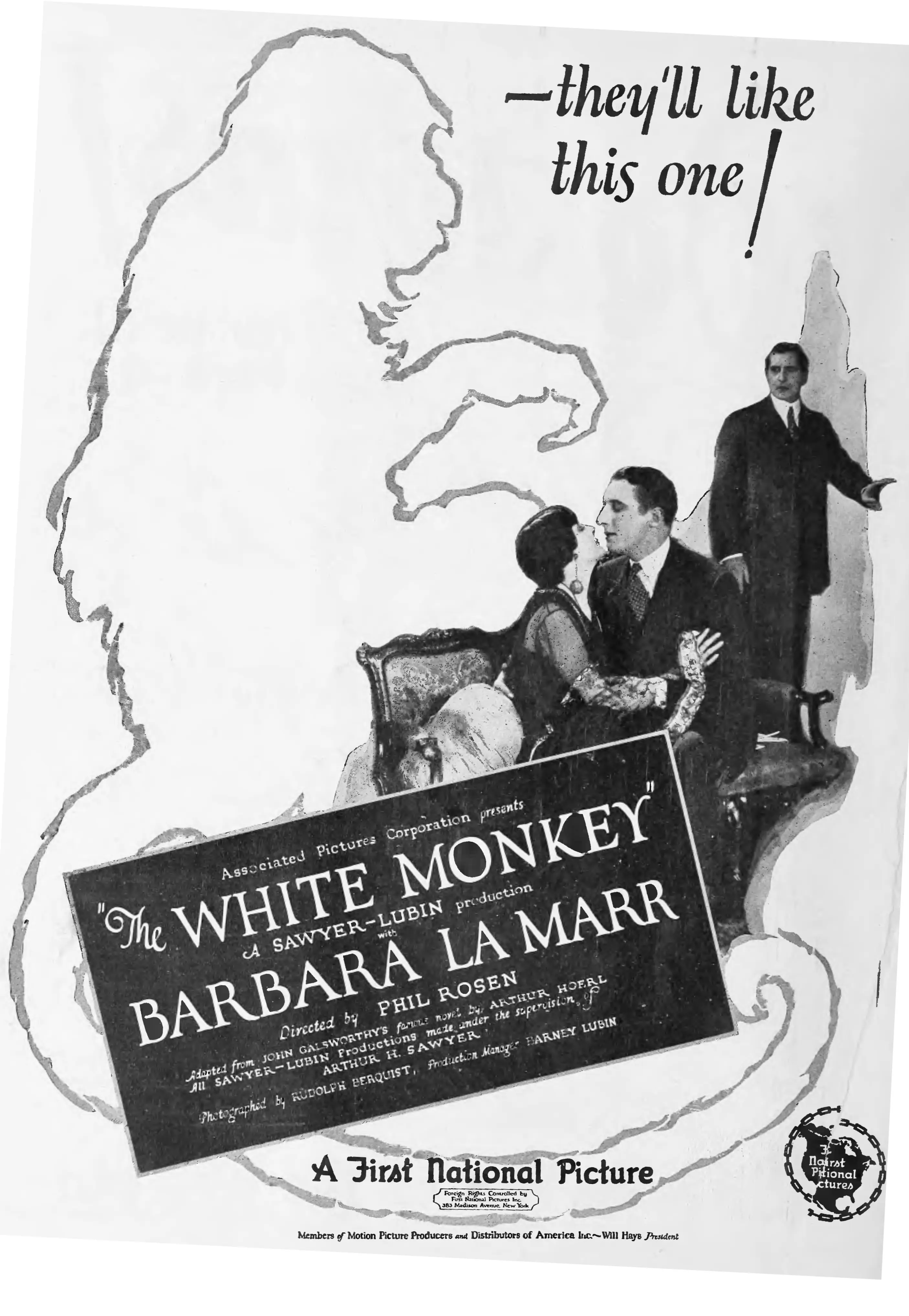
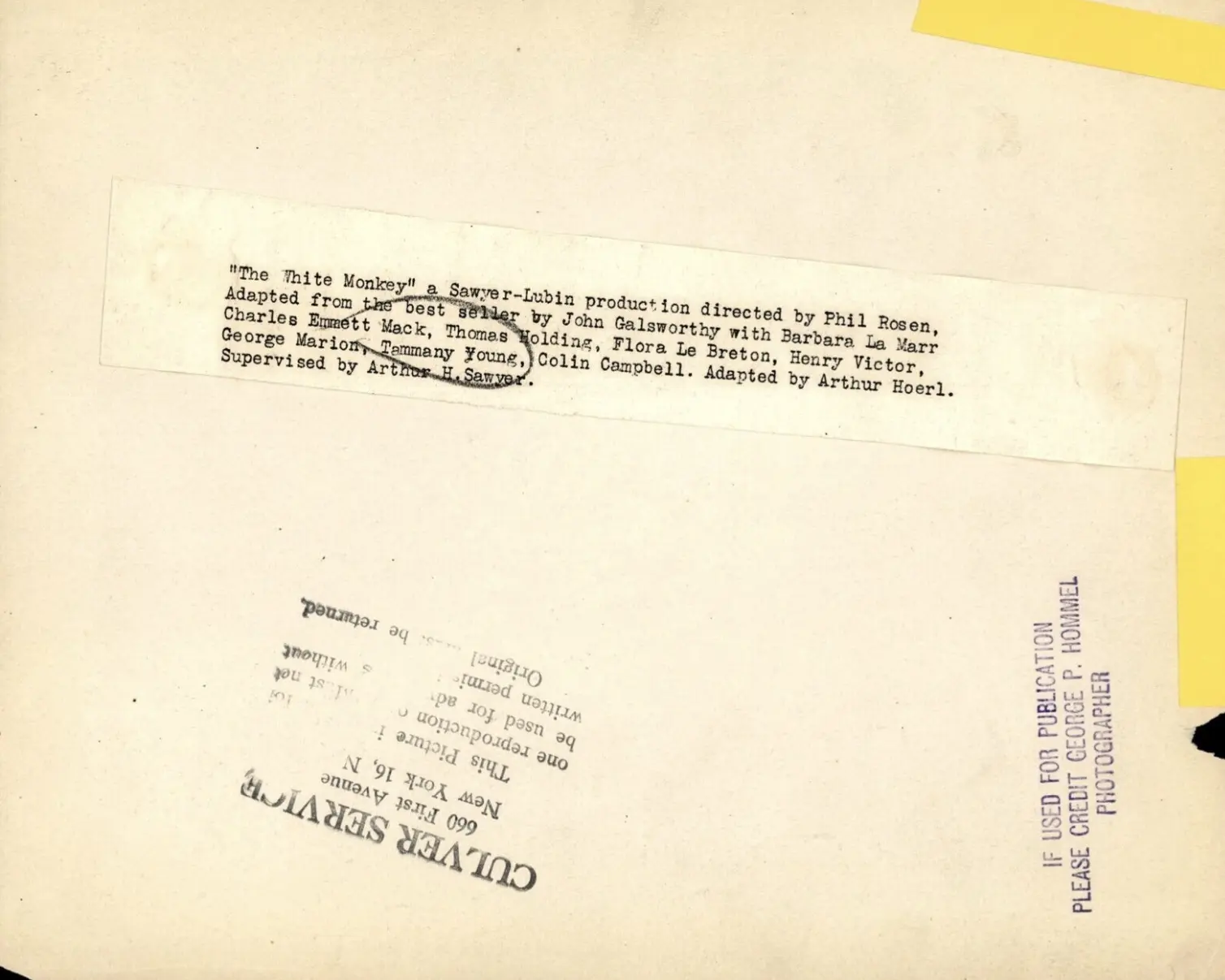
Is The White Monkey a silent film worth revisiting in the clamor of modern cinema? Short answer: yes, but with significant caveats. This 1925 adaptation of John Galsworthy’s novel offers a fascinating, if sometimes frustrating, glimpse into the moral complexities and societal anxieties of its era, rendered through the expressive, often exaggerated, language of early film.
It’s a film for those with a deep appreciation for cinematic history, silent storytelling, and character-driven melodrama. Conversely, it is decidedly not for viewers seeking fast-paced action, unambiguous heroes, or a contemporary narrative rhythm. Prepare for a deliberate pace and a dramatic intensity that relies heavily on visual cues and the audience's willingness to engage with a different mode of storytelling.
This film works because of its unflinching gaze at human infidelity and moral ambiguity, themes that remain potent regardless of the cinematic era. Barbara La Marr’s portrayal of Fleur is particularly captivating, embodying a woman whose desires are as enigmatic as they are destructive. The film manages to generate genuine tension from its domestic conflicts, proving that internal struggles can be just as compelling as external ones. It’s a bold exploration of marriage under duress, driven by passion and societal expectation.
This film fails because of its occasional reliance on melodramatic contrivance, which, while characteristic of the period, can feel heavy-handed to a modern audience. Certain plot resolutions, particularly the eleventh-hour revelation of Fleur's fidelity via a letter, strain credulity and detract from the emotional realism the film otherwise strives for. The pacing can also be a challenge, with some sequences lingering longer than strictly necessary, testing the patience of viewers accustomed to a snappier narrative.
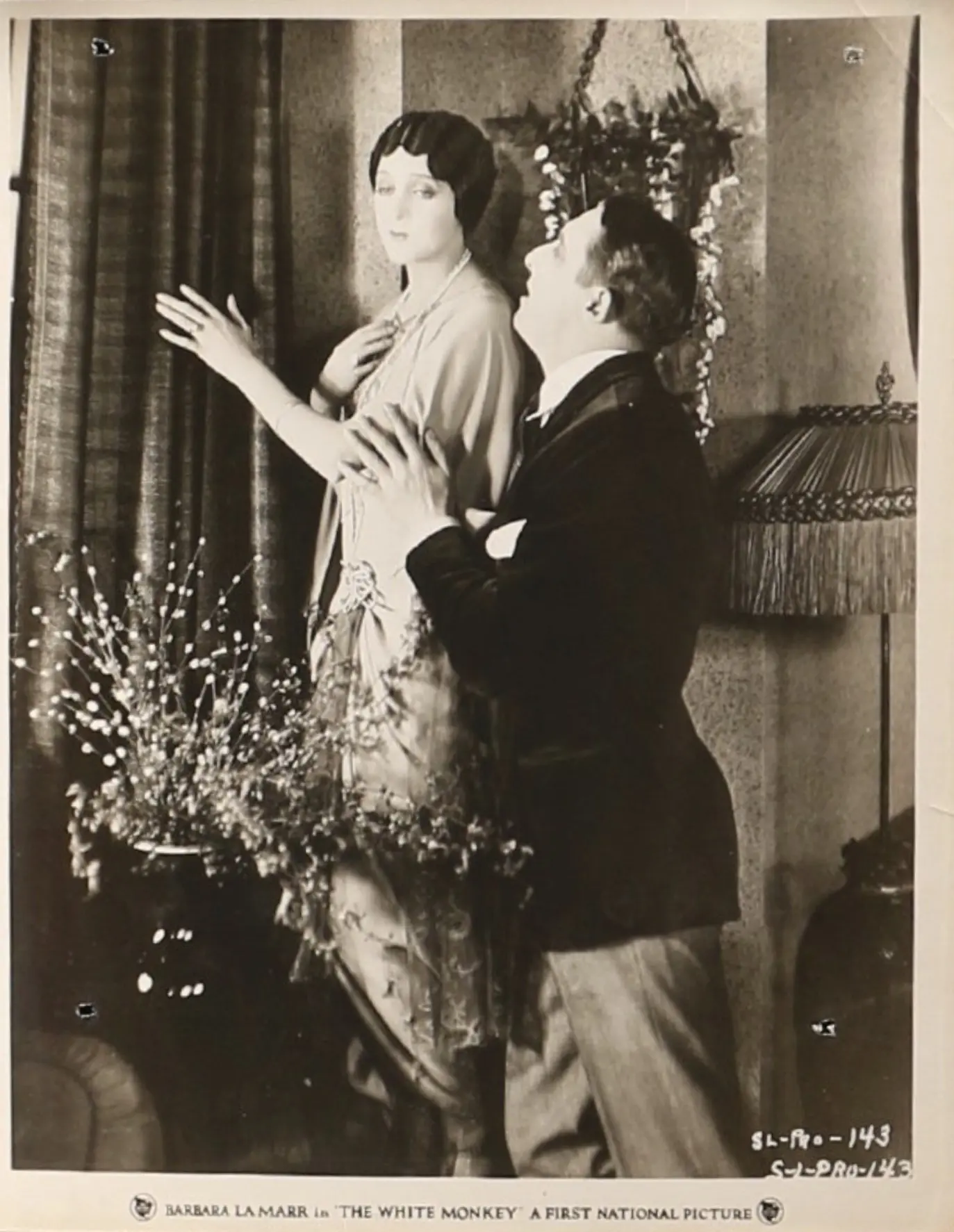
You should watch it if you are fascinated by the cultural touchstones of the 1920s, enjoy the unique artistry of silent film acting, or are a fan of Galsworthy’s exploration of the Forsyte saga. It offers a valuable window into how complex narratives were constructed and consumed almost a century ago, providing a rich historical context for the evolution of cinema.
The core of The White Monkey is its audacious examination of a marriage teetering on the precipice of ruin, not by external forces, but by the volatile passions within. Fleur Forsyte, brought to life with intriguing complexity by Barbara La Marr, is a character whose flirtations with danger are both her charm and her downfall. Her marriage to Michael Mont, portrayed with a sympathetic earnestness by Thomas Holding, is presented as a fragile construct, easily swayed by the intense, almost predatory affection of Wilfrid Desert. Henry Victor imbues Wilfrid with a dangerous magnetism, a man who sees what he wants and declares his intent with a startling lack of decorum, even to his best friend.
The film delves into themes of fidelity, social class, and the destructive nature of unbridled desire. Fleur’s refusal to actively discourage Wilfrid’s advances is not merely passive; it’s a deliberate choice, perhaps born of boredom, vanity, or a genuine, if fleeting, attraction. This ambiguity is the film’s greatest strength, allowing the audience to question her motives rather than simply condemn them. When Wilfrid informs Michael of his intention to pursue Fleur, it’s a moment of shocking frankness that shatters the polite veneer of their upper-class world. Michael’s subsequent confrontation with Fleur, met with her feigned ignorance, highlights the emotional chasm growing between them.
The parallel subplot involving Bicket, the dismissed shipping clerk, and his wife, Victorine, serves as a stark counterpoint to the Forsyte-Mont drama. Their struggles with poverty and dignity, exacerbated by Michael’s well-intentioned but misguided referral of Victorine to Wilfrid for nude posing, underscore the vast class disparities and the ripple effects of seemingly minor actions. The scene where Bicket, enraged by the perceived dishonor, confronts Michael, only for them to find Fleur at Wilfrid’s studio, is a masterclass in escalating tension. This convergence of storylines, though somewhat melodramatic, effectively brings all the simmering conflicts to a boiling point, forcing characters to confront their choices and their consequences.
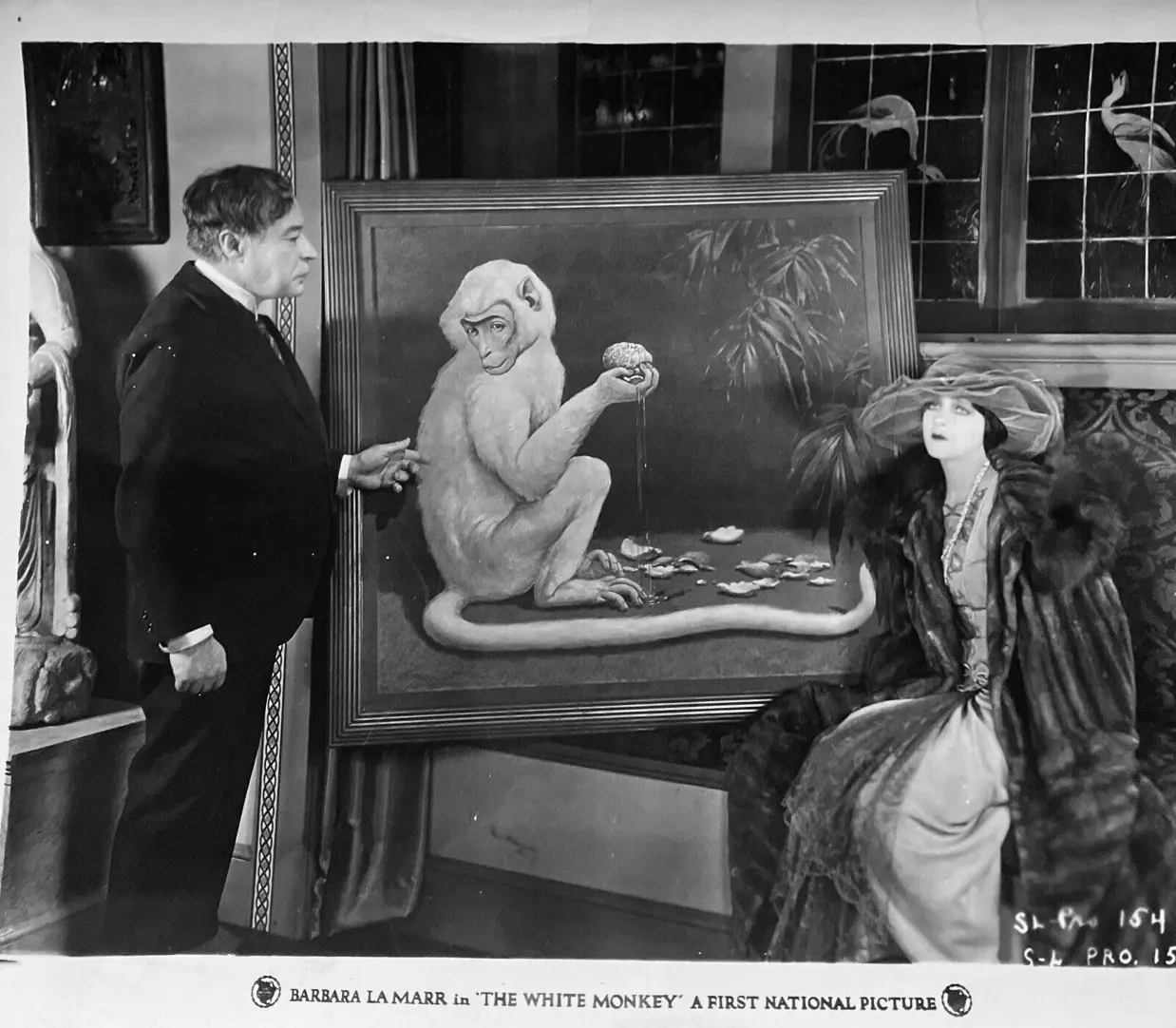
The film’s greatest strength lies not in its often-contrived plot turns, but in its audacious exploration of moral ambiguity and the quiet desperation beneath the surface of polite society. It challenges the viewer to look beyond simple good and evil, into the messy reality of human relationships.
Director Phil Rosen, working within the constraints and expressive opportunities of silent cinema, crafts a narrative that relies heavily on visual storytelling and the interpretive power of his actors. The lack of spoken dialogue, far from being a limitation, often enhances the emotional impact, forcing the audience to pay closer attention to facial expressions, body language, and intertitles. Rosen’s direction, while occasionally leaning into the theatricality common in the era, effectively conveys the emotional turmoil of the characters.
Barbara La Marr, as Fleur, is the undeniable centerpiece of the film. Her performance is a delicate balance of vulnerability and cunning, conveying a woman who is both a victim of circumstances and an architect of her own romantic chaos. Her wide, expressive eyes and subtle shifts in posture communicate volumes, particularly in the scenes where she feigns innocence or grapples with her true feelings for Michael. One particularly striking moment is her reaction during the confrontation with Michael, where a flicker of genuine regret crosses her face before she reasserts her composure, a testament to La Marr's nuanced acting.
Thomas Holding’s Michael Mont is a portrayal of quiet suffering and bewildered decency. He embodies the 'good man' caught in a web of deceit, his pain palpable through his slumped shoulders and crestfallen expressions. His performance is a grounding force, providing an emotional anchor amidst the more volatile characters. Henry Victor, as Wilfrid Desert, is suitably dashing and dangerous, his overt displays of affection and challenge creating a palpable sense of threat. The supporting cast, including George F. Marion as Bicket and Flora le Breton as Victorine, deliver performances that, while less central, are crucial in establishing the film’s social texture and tragic undertones.
The casting is, in my opinion, one of the film’s strongest assets. Each actor, particularly the leads, understands the unique demands of silent film acting, translating internal states into external, legible gestures. This era demanded a different kind of charisma, a visual magnetism that could hold an audience without the benefit of a spoken word. The White Monkey largely succeeds on this front, offering performances that resonate long after the final intertitle fades.
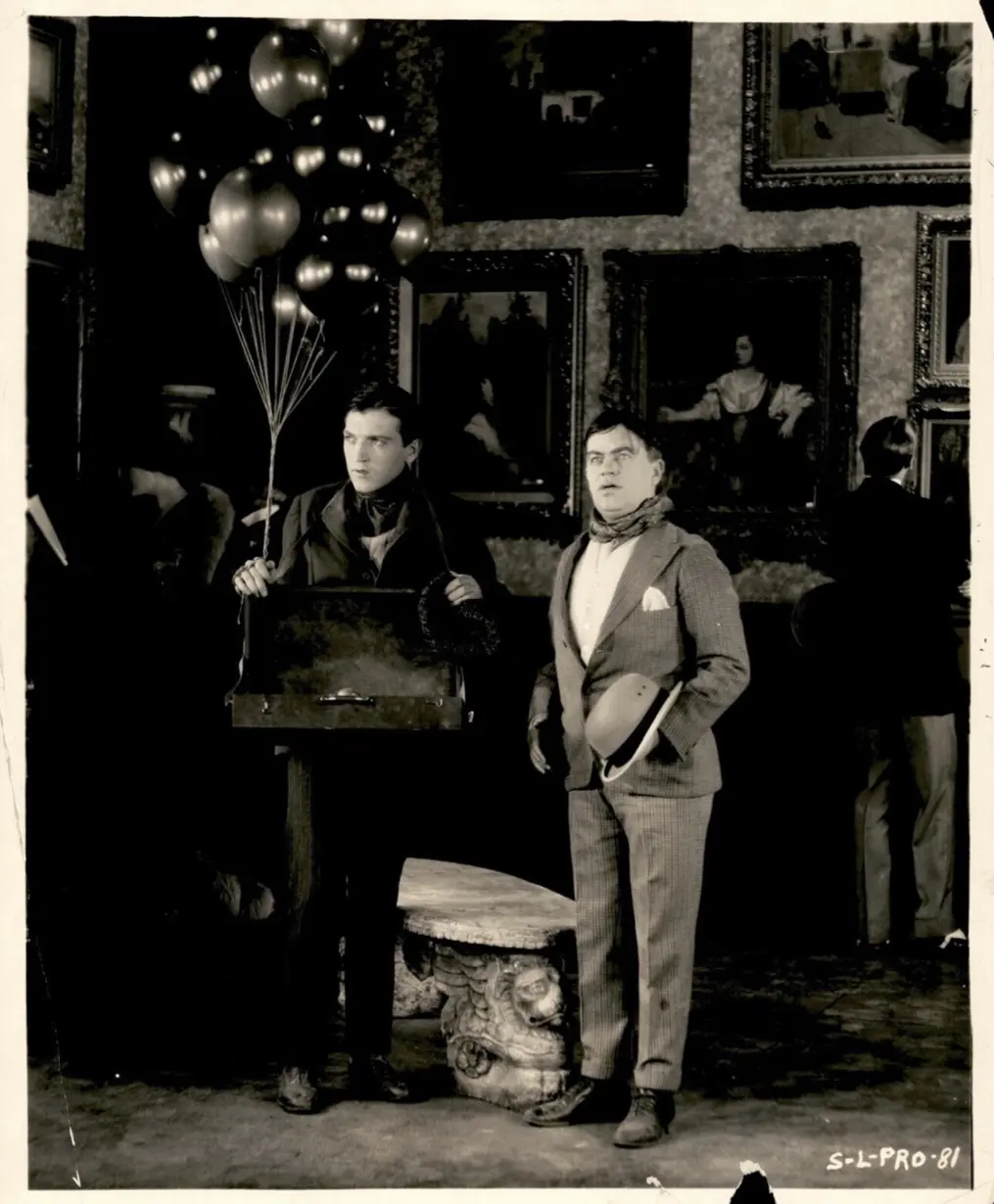
The visual aesthetic of The White Monkey is a fascinating blend of period grandeur and intimate drama. Cinematographer J.O. Taylor captures the opulence of the Forsyte world with elegant framing and thoughtful lighting. The interiors of the Mont home, for instance, are depicted with a richness that speaks to their societal standing, using deep shadows and highlights to create a sense of depth and, at times, claustrophobia. This contrasts sharply with the starker, more utilitarian settings of Bicket’s world, effectively highlighting the social stratification that underpins much of the narrative’s tension. The visual storytelling extends beyond character interactions, using environments to subtly comment on their lives.
Art direction plays a crucial role in establishing the film’s atmosphere. Wilfrid’s studio, for example, is presented as a bohemian space, filled with artistic clutter and an air of liberated sensuality, a visual shorthand for his unconventional morals. This setting becomes a pivotal location, serving as the backdrop for both Victorine’s posing and the dramatic climax where Michael discovers Fleur. The attention to detail in costumes also aids characterization; Fleur’s fashionable attire speaks to her position and perhaps her vanity, while Victorine’s simpler garments reflect her working-class status. These visual cues are essential in a silent film, providing context and character insight without dialogue.
One particularly effective visual choice is the use of close-ups during moments of intense emotional exchange. These shots amplify the actors’ expressions, allowing the audience to intimately connect with their internal struggles. For example, during Michael’s realization of Fleur’s potential infidelity, the tight framing on his face allows the full weight of his despair to register. While not groundbreaking for its time, the cinematography is competent and often artful, contributing significantly to the film’s ability to convey its complex emotional landscape. It’s a testament to the silent era’s filmmakers finding creative ways to tell stories through purely visual means, proving that 'show, don't tell' was a mantra long before sound.
The pacing of The White Monkey is characteristic of many silent dramas: deliberate, allowing scenes to unfold slowly and emotions to build gradually. This can be both a strength and a challenge. For viewers accustomed to the rapid-fire editing and plot progression of contemporary cinema, the film might initially feel sluggish. However, this measured pace allows for a deeper immersion into the characters' psychological states and the nuances of their relationships. The film doesn't rush its dramatic beats; instead, it savors them, drawing out moments of tension and despair.
The tone is overtly melodramatic, a common stylistic choice in the 1920s, yet it manages to avoid becoming purely theatrical thanks to the grounded performances of the lead actors. There’s a pervasive sense of underlying tension, a quiet hum of unease that permeates the domestic setting. This is particularly evident in the scenes between Fleur and Michael, where unspoken resentments and suspicions hang heavy in the air. The film builds towards its climaxes with a slow burn, culminating in moments of explosive confrontation that feel earned, even if the resolutions can be somewhat abrupt or convenient.
The sequence leading up to Michael finding Fleur at Wilfrid’s studio is a prime example of the film’s effective pacing. The separate journeys of Bicket and Michael, fueled by rage and concern respectively, slowly converge on the studio, creating a palpable sense of impending doom. The cross-cutting between these narrative threads expertly ratchets up the tension, culminating in a dramatic reveal that is genuinely impactful. While some might find the melodrama a bit much, it is undeniably effective in conveying the high stakes of personal honor and marital fidelity in that particular social milieu. It works. But it’s flawed. The film’s tone is a faithful reflection of its source material, capturing the emotional intensity Galsworthy was known for, translating it into a visual language that, while dated, still communicates its powerful sentiments.
Yes, The White Monkey is absolutely worth watching today for specific audiences. It provides a unique window into silent film artistry and 1920s societal norms.
It's a must-see for film historians, silent cinema enthusiasts, and those interested in literary adaptations. It offers valuable insights into early cinematic narrative techniques and acting styles.
There's an unconventional, almost meditative appeal to silent films that often gets lost in the discourse surrounding modern cinema. The White Monkey, despite its age and stylistic differences, demonstrates this unique power. Without dialogue, the audience is forced into a deeper, more active engagement with the visual narrative. Every gesture, every flicker of an eye, every carefully composed frame carries amplified meaning. This isn't passive viewing; it's an interpretive dance between the filmmaker's intent and the viewer's imagination.
This film, like others of its kind such as Creation or The Third Degree, offers a compelling argument for the enduring power of purely visual storytelling. It strips away the comfort of spoken words, demanding that emotions be conveyed through raw, physical expression. The heightened theatricality of silent film acting, often maligned as over-the-top by contemporary standards, becomes an essential tool for communicating internal states. It’s a language that, once understood, unlocks a rich tapestry of human experience.
My unconventional observation: the lack of sound in silent films paradoxically allows for a more profound connection to the characters' inner worlds, as the audience's imagination fills in the unspoken, making the experience intensely personal. It’s a form of cinema that, in its silence, speaks volumes.
The White Monkey is a compelling, if imperfect, relic of a bygone cinematic era. It’s a film that demands patience and an appreciation for its historical context, but rewards those who offer it with a fascinating exploration of human nature's darker impulses and the complexities of love and betrayal. While its melodramatic leanings and deliberate pacing might not appeal to every modern sensibility, its strengths—particularly the captivating performance of Barbara La Marr and its bold thematic ventures—make it a significant piece of silent film history. It stands as a testament to the enduring power of John Galsworthy’s narratives and the innovative spirit of early filmmakers. For the discerning cinephile, it’s not merely a historical curiosity, but a rich, if challenging, viewing experience that continues to provoke thought and discussion. It may not be a flawless film, but its audacity and emotional depth ensure its place as a noteworthy entry in the annals of silent drama.
IMDb 6.1
1925
Community
Log in to comment.