DbcultAccessing Vault...
Cult Review
Senior Film Conservator
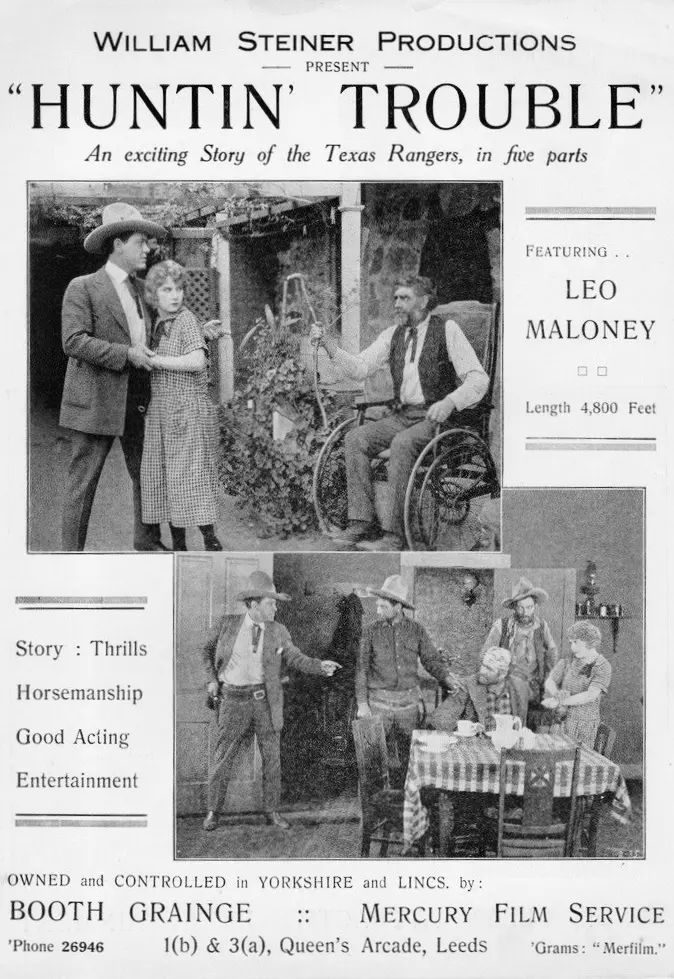
In the realm of cinematic narratives, certain films encapsulate the essence of human experience, oscillating between the dichotomies of pacifism and aggression, as exemplified in Huntin' Trouble. This 1937 production, helmed by Ford Beebe and Frances Beebe, presents a compelling tableau of a young attorney, Clay Rathbun, whose philosophical aversion to violence is tested by the vicissitudes of fate.
Clay's existence, marked by an unrequited love for Eleanor Morgan, daughter of the stalwart Captain Morgan, an erstwhile ranger, is complicated by his own professional struggles. The ingress of Gus Ogilbie, a man recently released from a five-year prison term, sets in motion a chain of events predicated on revenge. Ogilbie's ire, kindled by Clay's father, who played a pivotal role in his conviction, precipitates a confrontation that would alter the trajectory of Clay's life.
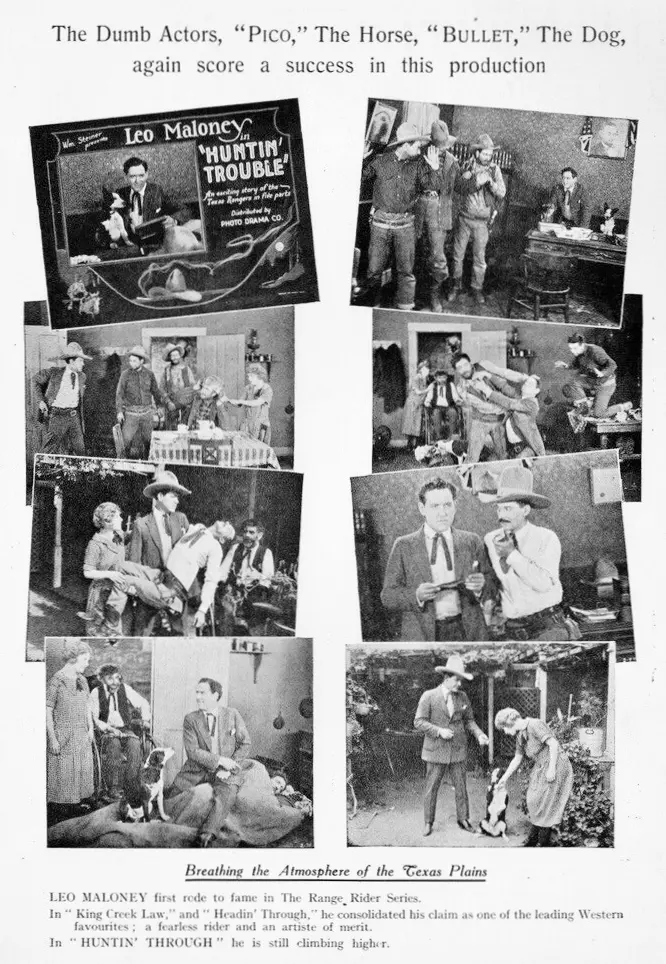
The denouement of the narrative pivots on Clay's reluctant donning of his best friend Slim Morgan's holster, an act that symbolizes his transition from a state of non-engagement to one of proactive confrontation. This volitional shift enables Clay to thwart Gus's malevolent plans, thereby redeeming himself in the eyes of Captain Morgan and securing his position as Eleanor's suitor.
A critical examination of Huntin' Trouble reveals thematic resonances with From Gutter to Footlights, wherein the protagonists navigate the complexities of personal and professional identity. Similarly, the film's exploration of redemptive narratives finds analogues in Oliver Twist, where the eponymous hero confronts his own morality amidst adversity.
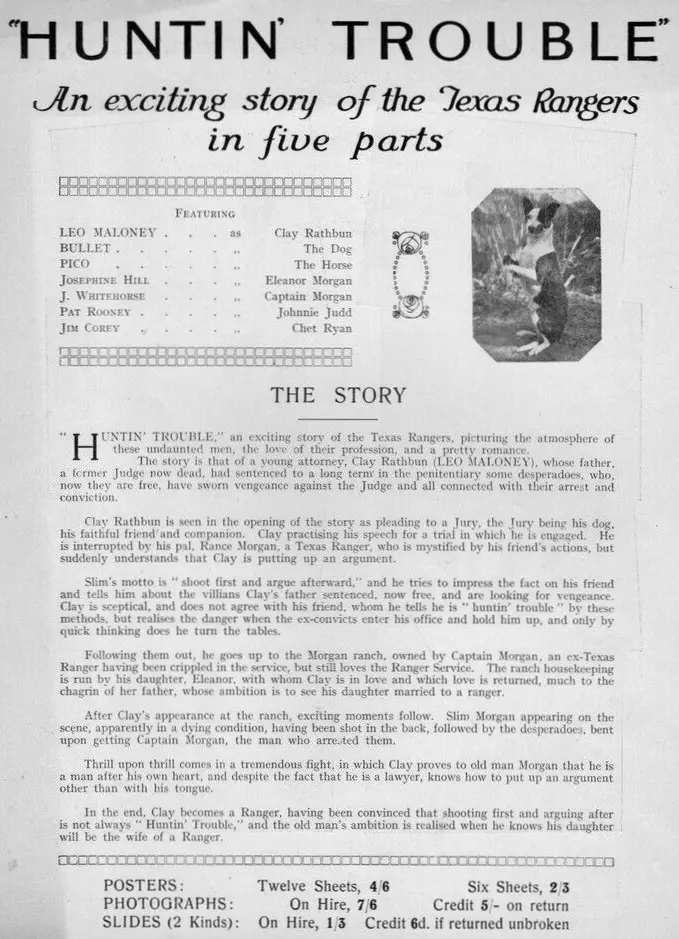
The cinematographic endeavors of Huntin' Trouble are complemented by a cast that brings depth and nuance to the narrative. Pat Rooney, Jim Corey, and Chet Ryan deliver performances that underscore the film's thematic preoccupations, while Josephine Hill and Whitehorse add layers to the story through their portrayals of pivotal characters. The canine presence of Bullet, Clay's loyal dog, serves as a symbolic anchor, underscoring the themes of loyalty and protection.
In a comparative analysis, Huntin' Trouble distinguishes itself from The Fotygraft Gallery through its action-oriented narrative, while sharing with Brigadier Gerard a certain swashbuckling flair. The film's ability to balance dramatic tension with redemptive arcs recalls The Girl I Loved, where the protagonist navigates a complex emotional landscape.
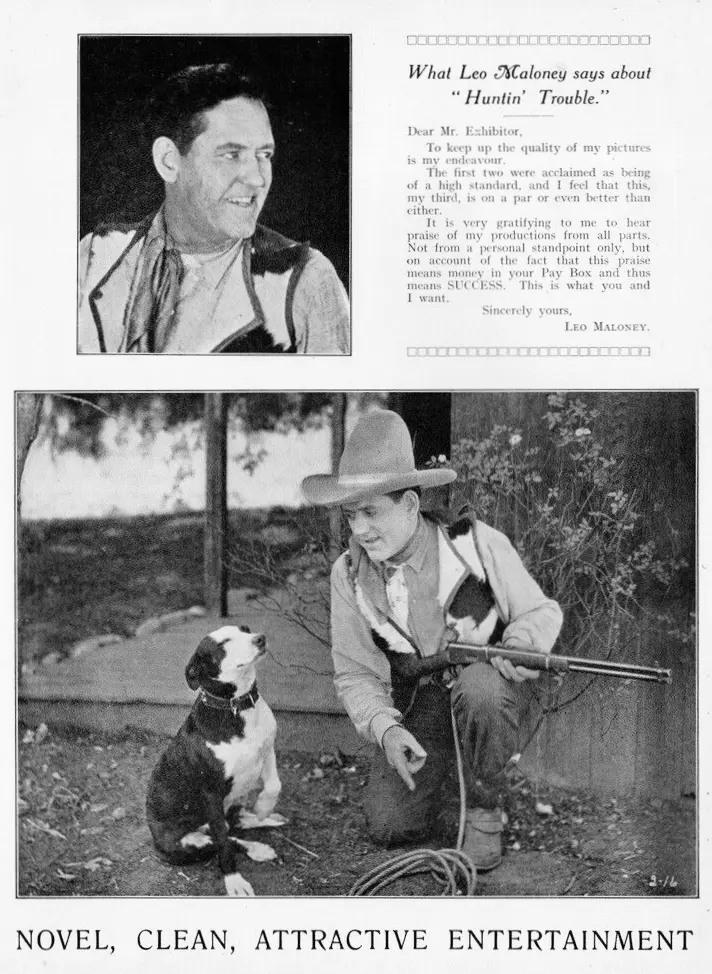
The culmination of Huntin' Trouble serves as a testament to the power of self-discovery and the human capacity for transcendence. Through its engaging narrative and memorable performances, the film offers a cathartic experience, inviting viewers to reflect on the interplay between violence and redemption.
In conclusion, Huntin' Trouble emerges as a seminal work within the canon of cinematic narratives, one that deftly explores the tensions between pacifism and aggression. As a testament to the human spirit, the film continues to resonate with audiences, offering a timeless exploration of morality, redemption, and the indomitable will to overcome adversity.
IMDb 6.1
1935
Community
Log in to comment.