DbcultAccessing Vault...
Cult Review
Senior Film Conservator
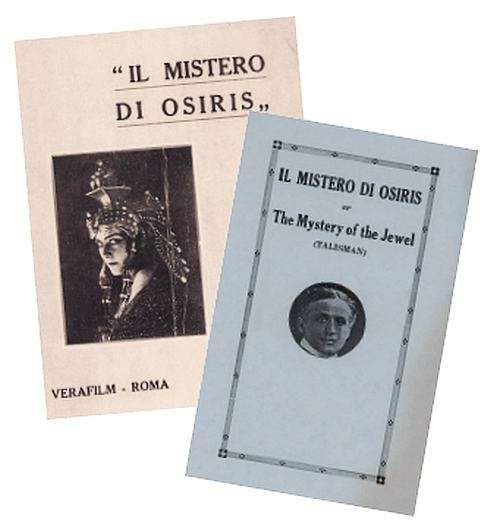
There are certain cinematic artifacts that, despite the passage of a century, retain an astonishing potency, a spectral echo of their original brilliance. Il mistero di Osiris, a silent film of profound ambition and intricate design, stands as one such luminous relic. Emerging from an era when cinema was still finding its voice, literally and figuratively, this Italian production dares to delve into the esoteric, the romantic, and the deeply human, all while cloaked in the mystique of ancient Egypt and the subtle, spiritual undercurrents so characteristic of its visionary writer, Marie Corelli.
From its opening frames, the film establishes a mood of impending intrigue, drawing the viewer into a world where scholarly obsession collides with malevolent ambition. Ruggero Barni, as Professor Aldobrandi, delivers a performance that is nothing short of mesmerizing. His portrayal of the Egyptologist, consumed by the 'Amulet of Osiris,' is a masterclass in silent film acting. Barni eschews broad gestures for a more internal, nuanced expression of a mind teetering on the precipice of madness. One can almost feel the intellectual fever burning behind his eyes, the weight of ancient secrets pressing upon his soul. The subtle tremors of his hands, the gradual slump of his shoulders – these are not merely physical manifestations but profound insights into a man losing himself to an all-consuming quest. His descent into a spectral thralldom, marked by increasingly erratic behavior and haunted visages, forms the tragic core of the narrative.
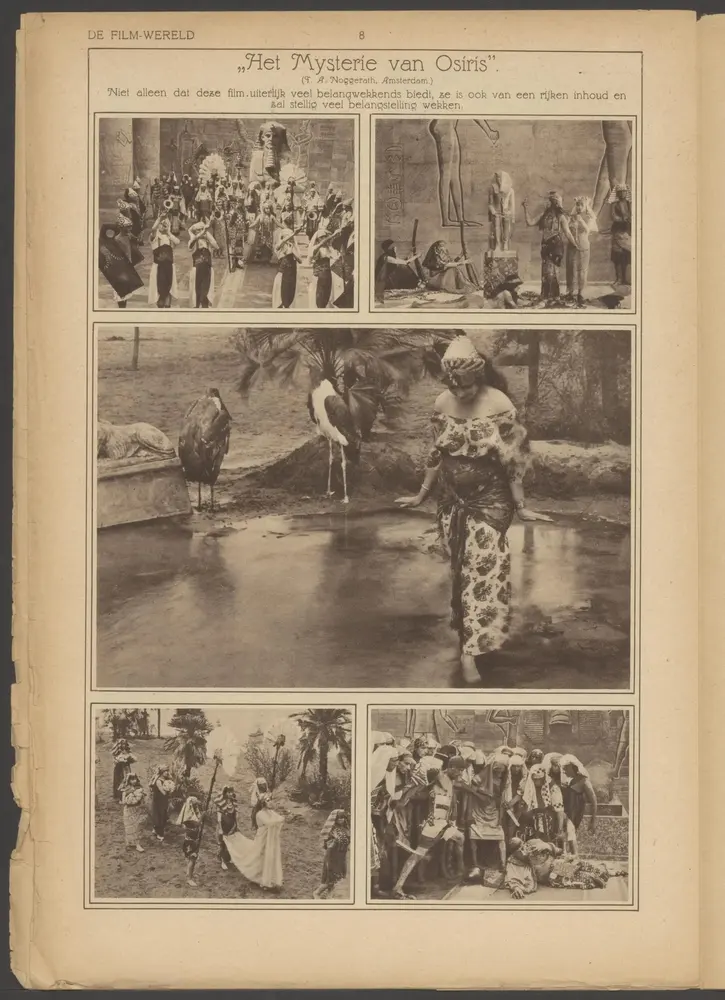
Opposite Barni, Marina Giomar shines as Livia, Aldobrandi's daughter. Giomar's presence is ethereal yet grounded, embodying a delicate balance of filial devotion and burgeoning independence. Her expressive eyes convey a spectrum of emotions, from initial infatuation with the charismatic Count Valerius to growing suspicion and ultimately, heart-wrenching disillusionment. Livia's journey is one of awakening, a realization that the world is far more complex and perilous than she imagined. Her initial naiveté, beautifully rendered through subtle smiles and hopeful gazes, gradually gives way to a steely resolve, a testament to Giomar's remarkable range. The scenes depicting her internal conflict, caught between a father's obsession and a lover's deceit, are particularly poignant, reminding one of the emotional depth that silent cinema, at its best, could achieve.
Guido Guiducci, as Count Valerius, is perfectly cast as the film's suave antagonist. His charm is palpable, a veneer of sophistication that barely conceals a predatory ambition. Guiducci's performance is a study in calculated menace; his smiles rarely reach his eyes, and his gestures, though outwardly courteous, often betray a hidden agenda. He embodies the classic silent film villain – handsome, alluring, and utterly ruthless. The contrast between his polished exterior and his dark intentions creates a compelling tension that propels much of the plot. His interactions with Livia are particularly unsettling, as he skillfully manipulates her affections, making his eventual betrayal all the more impactful.
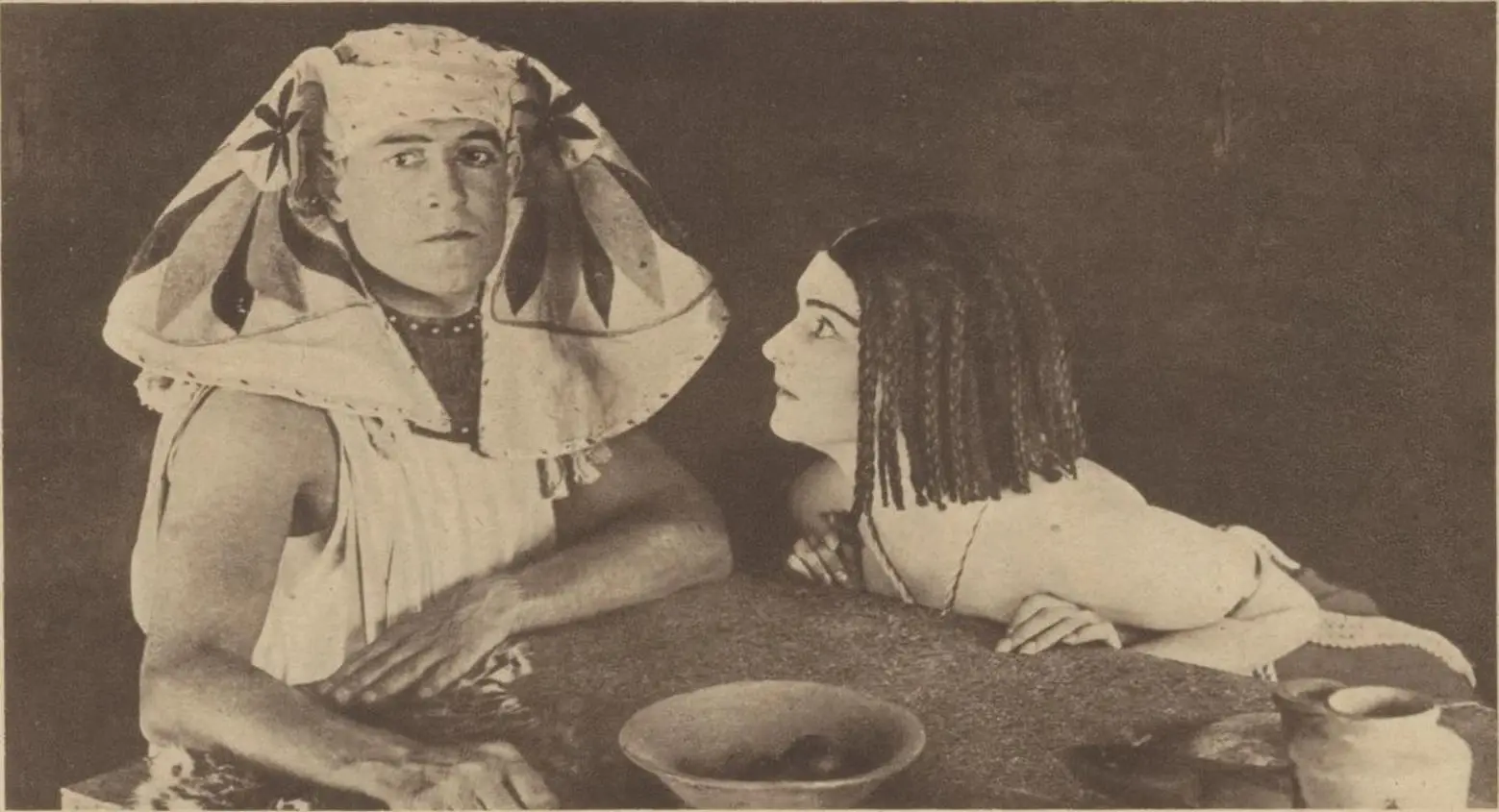
The supporting cast further enriches the film's tapestry. Ileana Leonidoff, as Dr. Elara, provides a much-needed counterpoint to the prevailing materialism and obsession. Her character is a beacon of spiritual wisdom and intuition, a figure who perceives the true dangers lurking beneath the surface. Leonidoff imbues Elara with an understated gravitas, her warnings often delivered through knowing glances and subtle gestures that speak volumes. She represents the Corellian worldview, a belief in forces beyond the purely scientific, offering a spiritual compass in a morally compromised landscape. Spartaco, in the role of 'The Serpent,' is a figure of pure, theatrical villainy. His portrayal of the cult leader is suitably menacing, a shadowy presence whose every appearance heightens the sense of dread. The physicality of his performance, though perhaps more overtly theatrical than Barni's or Giomar's, is entirely appropriate for the character's mysterious and formidable nature.
Giulio Cascapera, as Pietro, the loyal assistant, brings a quiet earnestness to the proceedings. His unrequited love for Livia is conveyed with a touching sincerity, making his efforts to protect her and the professor all the more heroic. Alessandro Zappelli, as Inspector Moretti, offers a grounded, rational presence, a necessary anchor in a narrative that flirts with the supernatural. His methodical investigation serves to bridge the gap between the esoteric mystery and the tangible consequences of the characters' actions. Even Tullio Monacelli, in his more limited role, contributes to the film's atmospheric density, perhaps as a bewildered witness or a victim caught in the crossfire of ancient powers and modern greed.
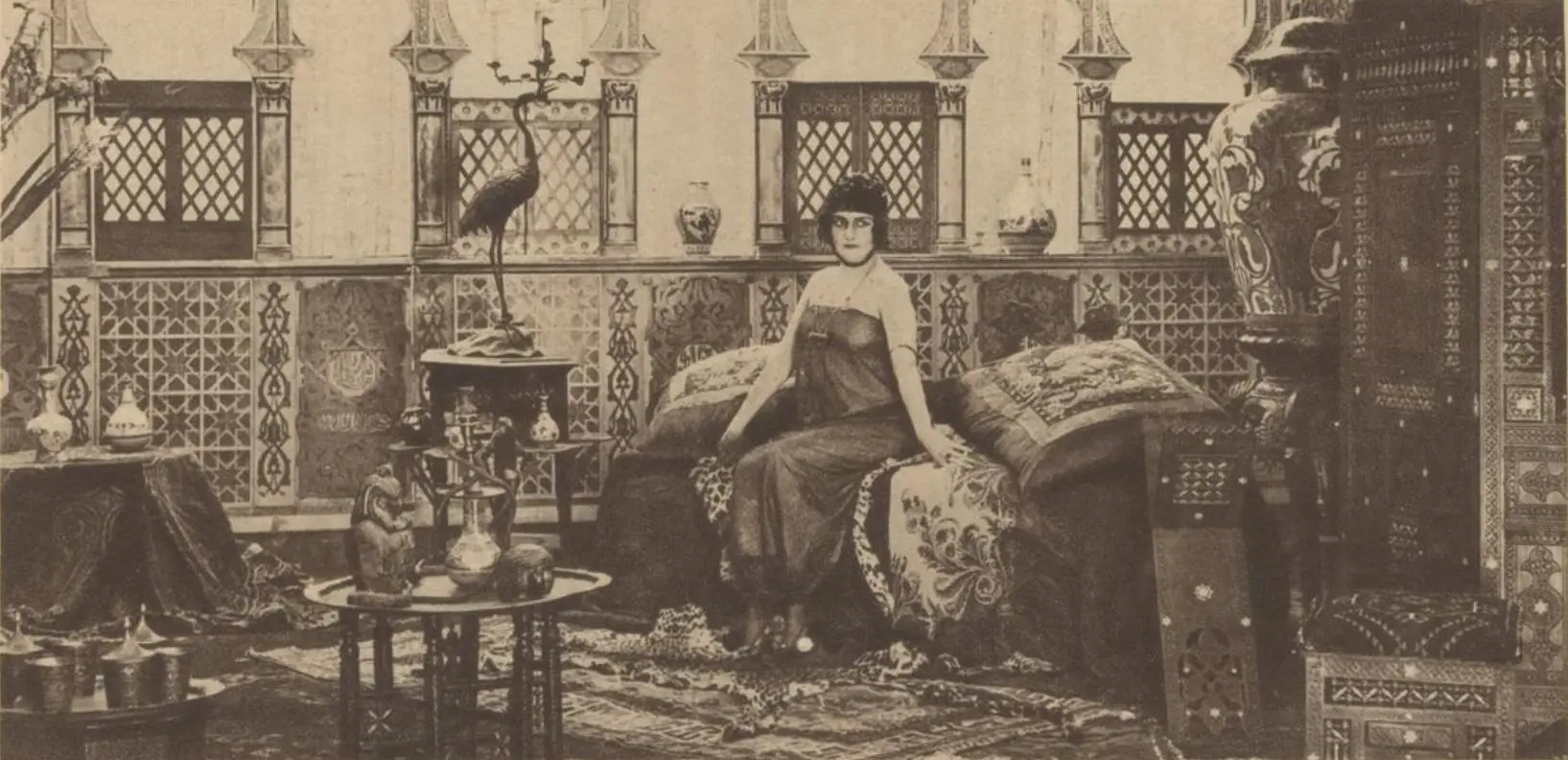
Thematically, Il mistero di Osiris is a rich excavation of human nature. It explores the intoxicating perils of obsession, the corrupting influence of power, and the enduring strength of love and loyalty. Marie Corelli's literary fingerprints are unmistakable throughout. Known for her mystical and spiritual novels, Corelli’s narrative imbues the film with a profound sense of cosmic justice and the unseen forces that shape destiny. The 'Amulet of Osiris' is not merely a plot device but a symbol of humanity's eternal yearning for control over the uncontrollable, a metaphor for the profound secrets that lie just beyond our grasp. The film posits that true power resides not in ancient artifacts, but in moral integrity and spiritual awareness, a characteristic Corellian sentiment that elevates the melodrama beyond mere spectacle.
The cinematography, though necessarily constrained by the technology of its era, is remarkably evocative. The use of dramatic chiaroscuro lighting in Aldobrandi's study, particularly during his visions, creates a palpable sense of unease. The grand, sweeping shots of Roman architecture contrast sharply with the claustrophobic interiors of the cult's lair, effectively mirroring the internal struggles of the characters. The visual storytelling is paramount in silent cinema, and Il mistero di Osiris excels in this regard, using composition and light to convey emotion and advance the plot with striking clarity. The film's pacing is deliberate, allowing moments of quiet tension to build before erupting into dramatic crescendos. This measured approach enhances the suspense, drawing the audience deeper into the unfolding mystery.
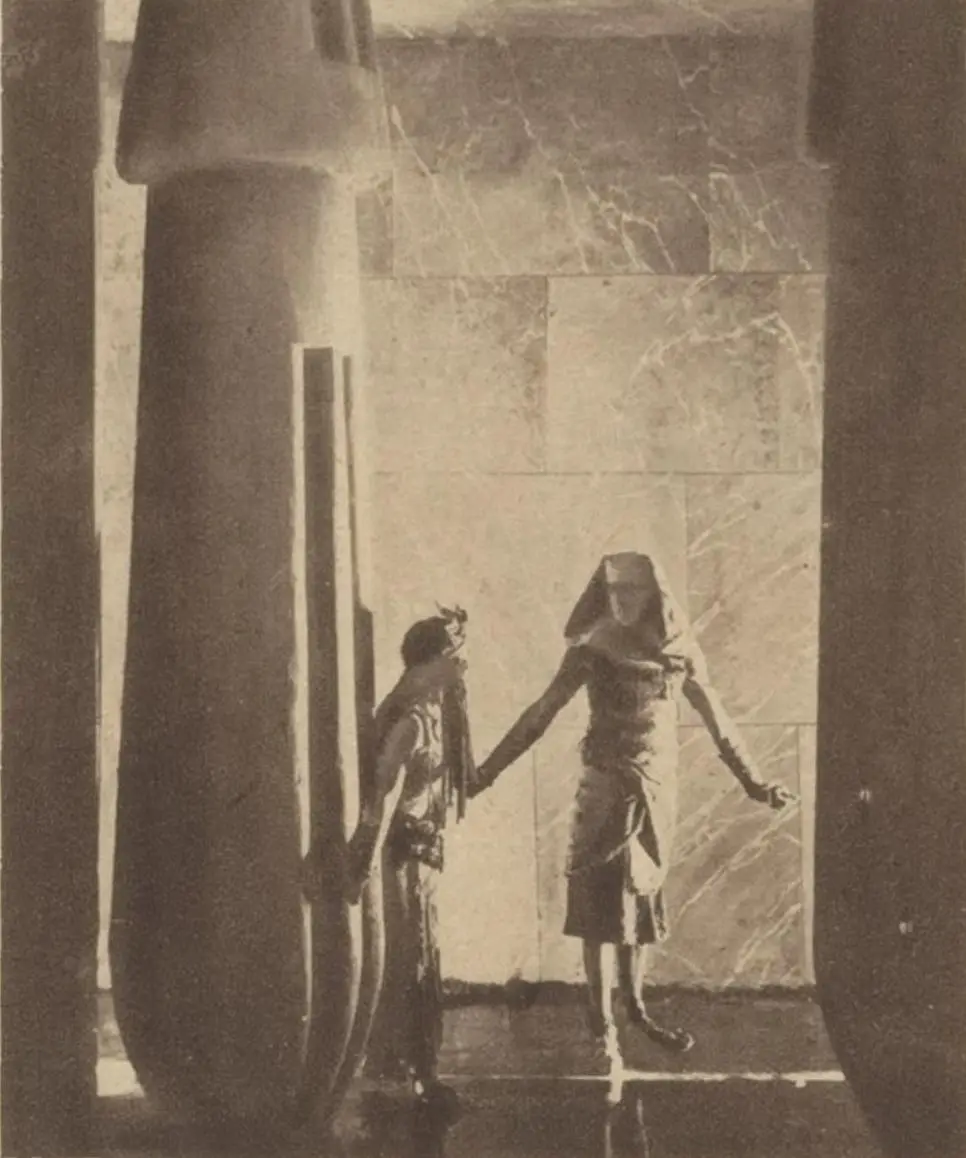
In comparison to other films of its period, Il mistero di Osiris distinguishes itself through its intellectual ambition and spiritual depth. While a film like The Perils of Divorce might explore the social dramas of marital discord with keen insight, Osiris transcends the purely domestic to grapple with existential questions. It shares a certain dramatic intensity with films like Addio giovinezza! in its exploration of romantic entanglements, but infuses it with a layer of supernatural intrigue that sets it apart. The brooding atmosphere and the sense of an ancient curse recall elements found in early Gothic horror, but always filtered through Corelli's unique brand of spiritualism rather than outright terror. It is less about jump scares and more about the slow, creeping dread of a soul in peril.
The film's exploration of themes like fate versus free will, and the conflict between science and mysticism, places it in a fascinating dialogue with the intellectual currents of its time. The early 20th century was a period of rapid scientific advancement, but also a resurgence of interest in the occult and spiritualism, a tension that Corelli brilliantly captures in her prose and which is faithfully translated to the screen here. The narrative challenges the audience to consider what truly constitutes 'power' and whether humanity is equipped to wield it responsibly. The resolution, which eschews a simplistic magical solution for a more profound spiritual understanding, is particularly resonant and speaks to the film's underlying philosophical aspirations.
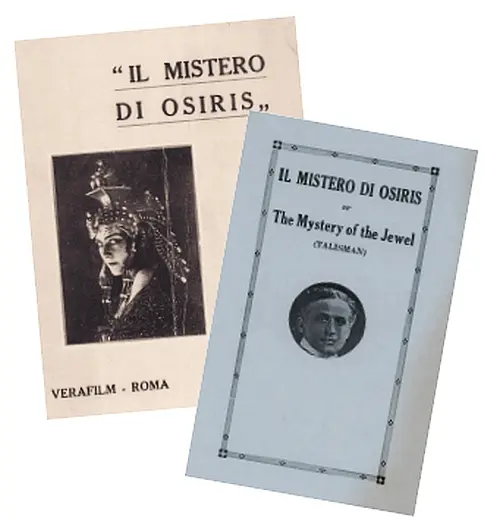
The art direction and costume design further immerse the viewer in the film's dual worlds. The opulent, yet slightly anachronistic, Roman interiors contrast effectively with the imagined grandeur of ancient Egypt, often evoked through symbolic props and atmospheric set pieces. Livia's costumes evolve with her character, moving from innocent, flowing dresses to more mature, determined ensembles, subtly reflecting her journey of self-discovery. Valerius's immaculate attire underscores his deceptive sophistication, while The Serpent's garb is suitably mysterious and intimidating. These visual details are not merely decorative; they are integral to the storytelling, silently communicating character and mood.
While some might find the melodramatic flourishes typical of the era a little overbearing by modern standards, it is crucial to appreciate Il mistero di Osiris within its historical context. This was a time when cinema was a spectacle, an experience meant to evoke strong emotions. The exaggerated expressions and stylized gestures were conventions understood and appreciated by contemporary audiences. To dismiss them would be to misunderstand the very language of silent film. Indeed, for connoisseurs of early cinema, these elements are part of its enduring charm and historical significance.
The film also serves as a fascinating example of how literary works were adapted for the nascent cinematic medium. Marie Corelli's dense, often florid prose had to be distilled into visual narratives, relying heavily on the actors' abilities to convey complex emotions and ideas without spoken dialogue. The success of Il mistero di Osiris in translating Corelli's distinctive voice to the screen is a testament to the ingenuity of its creators. It manages to retain the author's fascination with the mystical and the moral, while crafting a compelling visual drama that stands on its own merits.
Ultimately, Il mistero di Osiris is more than just a historical curiosity; it is a captivating cinematic experience that continues to resonate. Its rich narrative, compelling performances, and thoughtful exploration of universal themes ensure its place as a significant work in the pantheon of early Italian cinema. For those willing to surrender to its unique rhythms and visual poetry, it offers a glimpse into a bygone era of filmmaking, where ambition, artistry, and the profound mysteries of the human spirit converged on the silver screen. It is a film that rewards repeated viewings, each time revealing new layers of its enigmatic charm and enduring power. A truly unforgettable journey into the heart of a mystery, both ancient and profoundly human.

IMDb 5.5
1935
Community
Log in to comment.