DbcultAccessing Vault...
Cult Review
Senior Film Conservator
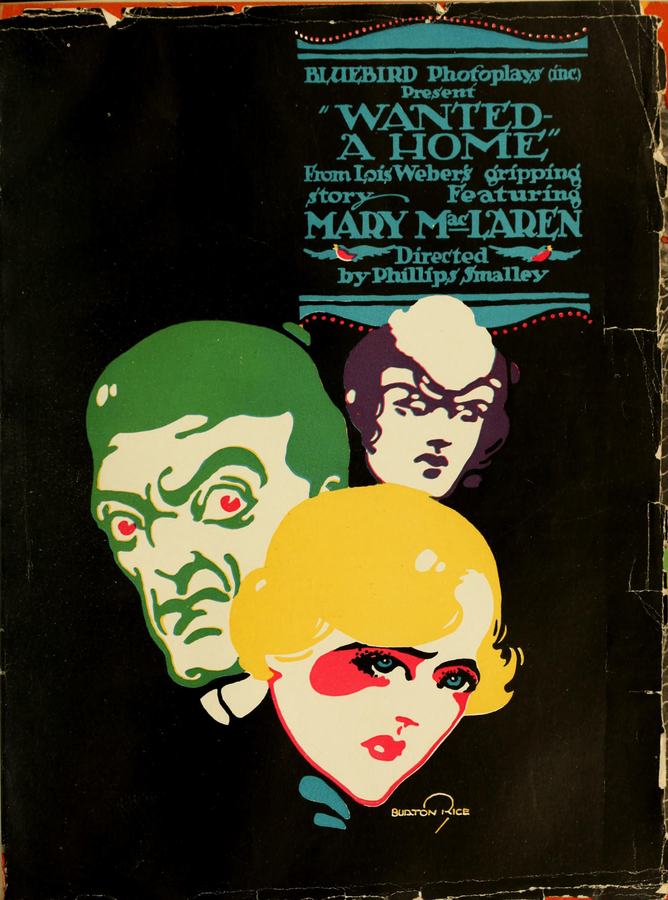
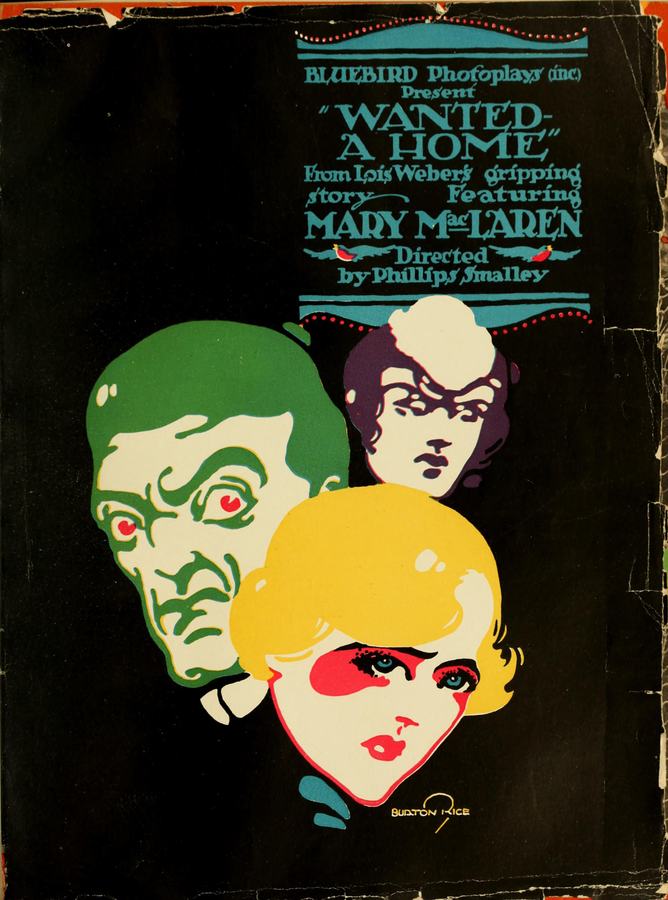
When we peer through the dusty lens of 1916, we often expect the theatrical artifice of early cinema, yet Lois Weber’s Wanted: A Home strikes with the visceral force of a modern social thriller. This isn't merely a tale of a girl making a mistake; it is a scathing indictment of a society that offers no safety net for the displaced. Mary MacLaren, in a performance that rivals the psychological depth seen in The Little Shepherd of Bargain Row, portrays Mina Rogers not as a caricature of poverty, but as a living, breathing casualty of economic indifference. Weber, a director who never shied away from the uncomfortable, uses the camera to trap Mina in tight frames, emphasizing the claustrophobia of her hunger before she ever steps foot into the Gorman estate.
The central conceit—the theft of a professional identity—serves as a brilliant narrative engine. In an era where credentials were often as thin as the paper they were printed on, Mina’s transformation into a nurse is a radical act of class warfare. She isn't just seeking a paycheck; she is seeking a mask that grants her the basic human right to exist in a space of comfort. This theme of the 'impostor' resonates throughout Weber’s filmography, echoing the moral complexities found in Annie-for-Spite, where the protagonist must navigate the treacherous waters of social expectation while hiding their true origins. The tension in the Gorman household is palpable, a thick atmosphere of suspicion that Weber cultivates with masterful pacing.
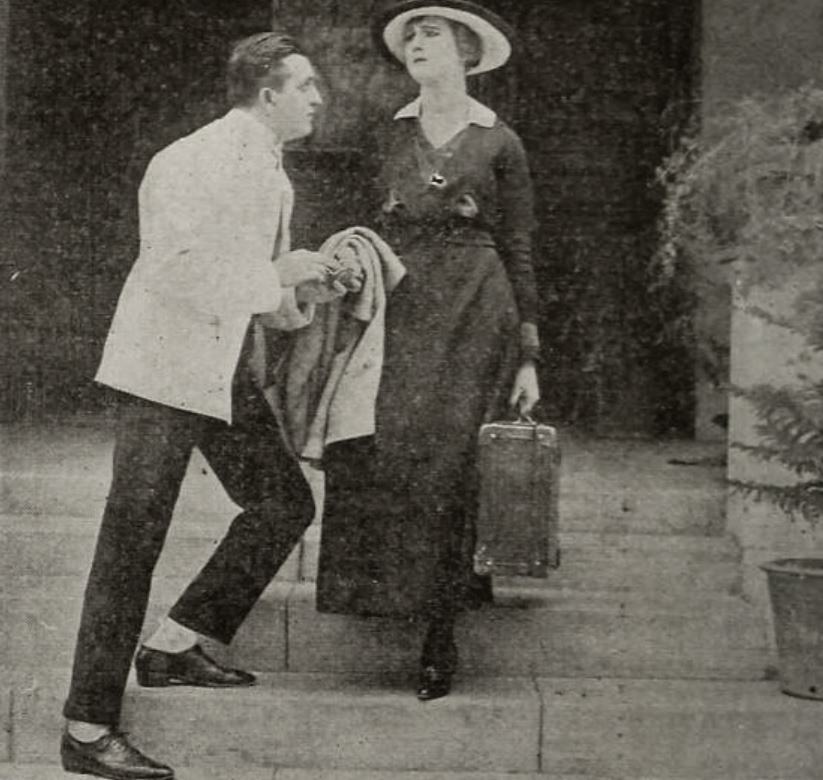
Ernest Shields delivers a chilling performance as Roberts, the male nurse whose presence is a constant, looming threat. Unlike the overt villains of contemporary serials like The Mystery Ship, Roberts is a creature of quiet, calculated malice. His discovery of Mina’s secret isn't a moment of moral outrage, but a tactical advantage. The way he weaponizes her vulnerability to facilitate the slow poisoning of Harvey Gorman is a precursor to the film noir tropes that would define the genre decades later. The arsenic isn't just a physical toxin; it symbolizes the corruption that permeates the house, a rot that starts with the inheritance and ends with the exploitation of a desperate woman. The visual storytelling here is remarkably sophisticated, using shadows and meaningful glances to convey a conspiracy that words would only clutter.
The transition to the ranch introduces a new set of dynamics. While the city scenes are defined by isolation, the ranch is a hotbed of petty jealousies and social hierarchies. The daughters of the housekeeper represent a different kind of threat to Mina—not the systemic oppression of the city or the murderous greed of Roberts, but the lateral violence of those just slightly higher on the social ladder. Their exposure of Mina isn't motivated by justice, but by a territorial possessiveness over Cal Morgan (Jack Mulhall). This layer of spite adds a gritty realism to the film, reminding us that the poor are often the harshest judges of their own kind, a sentiment echoed in the darker moments of The Wolf and His Mate.
Lois Weber’s direction is nothing short of revolutionary for 1916. She employs a visual vocabulary that emphasizes the internal state of her characters. Notice the way she uses mirrors and windows to reflect Mina’s fractured identity—a technique that feels incredibly modern. The lighting in the Gorman sickroom is oppressive, a stark contrast to the sprawling, dusty vistas of the ranch. This juxtaposition of interior decay and exterior freedom highlights the impossible choice Mina faces: a slow death in the shadows or a public hanging in the light. The film’s aesthetic avoids the broad strokes of Uncle Tom's Cabin, opting instead for a subdued, naturalistic approach that makes the eventual discovery of the poisoning all the more shocking.
In many films of this era, such as The Folly of Sin, the fallen woman is often met with a tragic end or a strictly punitive redemption. Weber, however, provides a more nuanced resolution through Dr. Prine. His role is not just that of a romantic interest, but of a witness. By listening to the narrative of Mina’s childhood—a sequence Weber handles with heartbreaking sincerity—he moves beyond the legalistic definition of 'criminal' to see the 'victim' beneath. This humanistic approach to justice was a hallmark of Weber’s work, distinguishing her from contemporaries who preferred the black-and-white morality of The Flames of Justice. The forgiveness Mina receives is not a dismissal of her actions, but an acknowledgement of the circumstances that forced them.
Revisiting Wanted: A Home in the 21st century reveals a film that is surprisingly resilient to the passage of time. While the technical limitations of 1916 are evident, the emotional core remains razor-sharp. It stands as a vital piece of feminist cinema, focusing on the agency (and the lack thereof) of women in a world designed by and for men. It lacks the whimsical escapism of Lime Kiln Club Field Day or the pulp thrills of Fantomas: The Man in Black, choosing instead to dwell in the uncomfortable reality of the human condition. Mary MacLaren’s face, etched with the weariness of a thousand disappointments, is an image that lingers long after the final intertitle fades. It is a haunting reminder that the search for a home is often a search for oneself, a journey fraught with peril and, occasionally, the grace of being truly seen.
IMDb 5.7
1927
Community
Log in to comment.