DbcultAccessing Vault...
Cult Review
Senior Film Conservator
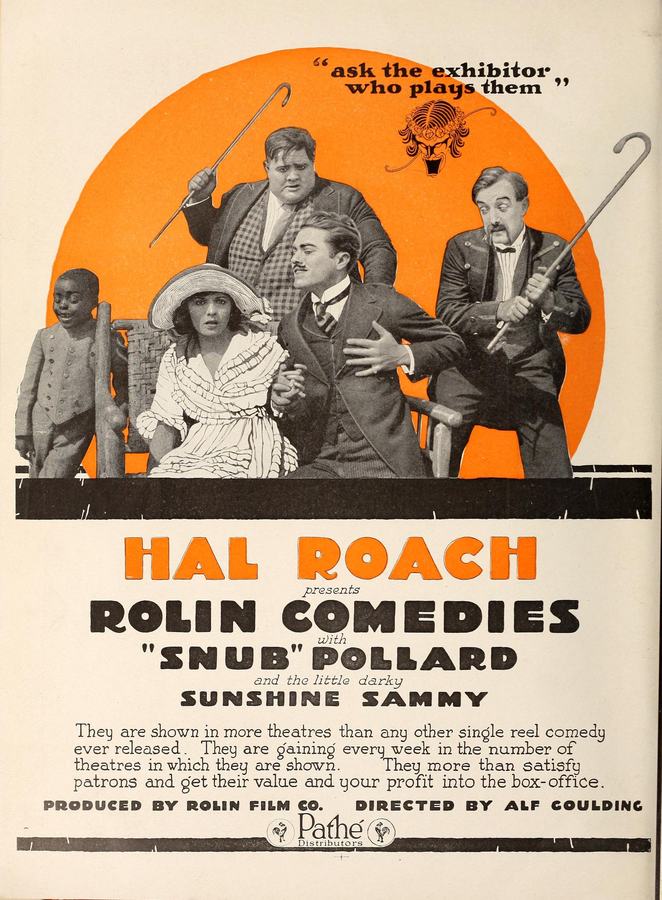
In the shadow of early Hollywood’s golden era, The Morning After emerges as a testament to the era’s unflinching ability to craft tension from silence. Directed by the legendary Hal Roach, this 1929 silent film is a masterclass in visual storytelling, where the absence of dialogue only amplifies the cacophony of urban chaos. The film’s narrative, though deceptively simple, unfolds with the precision of a clockwork mechanism, each scene a calculated move in a game of cat-and-mouse between two young men and a cop whose obsession borders on the pathological.
Snub Pollard and Ernest Morrison, as the protagonists, embody the duality of youth—reckless yet resourceful, their every misstep a blend of comic ineptitude and desperate ingenuity. Their interactions with Marie Mosquini, whose character adds a layer of enigmatic allure to the proceedings, are laced with a silent tension that speaks volumes. The cop, portrayed with a steely resolve by Hughie Mack, becomes the film’s true antagonist, his relentless pursuit a metaphor for the inescapable authority that looms over the urban underclass.
The city in The Morning After is not merely a backdrop but a living, breathing entity. Roach’s direction transforms its alleys and boulevards into a maze of opportunity and danger, where every shadow could hide a ally or a trap. The film’s cinematography, with its stark contrasts and dynamic angles, mirrors the characters’ internal struggles—all of them trapped in a system that offers no easy exits. This urban sprawl, with its flickering streetlights and soot-streaked facades, becomes a character in its own right, as much a participant in the story as the humans who inhabit it.
The policeman, a figure of both menace and comic relief, is the linchpin of the film’s tension. His every appearance is a reminder of the societal order that the protagonists seek to evade. Unlike the more nuanced portrayals of law enforcement in later films, this cop is a one-dimensional force of control, his presence a constant threat. Yet, in this simplicity lies a deeper commentary on the era’s social dynamics—a world where authority is absolute and resistance futile. The cop’s endless pursuit, framed against the backdrop of a city that seems to conspire against him, creates a narrative rhythm that is both gripping and ironic.
Roach’s genius lies in his ability to infuse the film with a sense of levity that contrasts sharply with its underlying themes of entrapment and power. The slapstick elements, though rooted in the physical comedy of silent films, are elevated by the characters’ emotional depth. The protagonists’ antics—whether scaling a fence or ducking into a crowded market—become a dance of survival, each misadventure a step closer to either redemption or ruin. This duality of humor and gravity is a hallmark of Roach’s work, and in The Morning After, it serves to underscore the fragility of freedom in a world governed by unseen rules.
The film’s technical achievements are as noteworthy as its narrative. The use of shadows and light to create mood is particularly striking, with scenes bathed in a chiaroscuro that heightens the sense of claustrophobia. The editing, brisk and purposeful, maintains a relentless pace that mirrors the characters’ frantic energy. Even the absence of sound is a deliberate choice, allowing the visual language to convey emotion and tension with a clarity that words could never achieve. This is a film that understands the power of implication, where a glance or a gesture speaks louder than any dialogue.
While The Morning After shares DNA with other Roach classics like Pitfalls of a Big City, its focus on urban tension sets it apart. The film’s tone is more urgent, its stakes more personal, yet it retains the comedic elements that defined Roach’s earlier work. Viewers familiar with Bobby Bumps and the Hypnotic Eye might note the similar visual flair, though The Morning After elevates the stakes with a more mature narrative. In the context of 1920s cinema, it stands as a bridge between slapstick and social commentary, a genre-blender that paved the way for future filmmakers to explore the complexities of city life.
The Morning After endures not merely as a relic of silent cinema but as a poignant exploration of human resilience in the face of systemic oppression. Its themes of freedom, control, and the struggle for autonomy resonate as strongly today as they did nearly a century ago. For modern audiences, the film is a reminder of the artistry of early filmmakers who could convey complex narratives without a single word. In an age where visual storytelling is often overshadowed by CGI and digital effects, The Morning After is a masterclass in simplicity and subtlety—a film that speaks volumes in its silence.
IMDb 5.7
1931
Community
Log in to comment.