DbcultAccessing Vault...
5.6/10
Senior Film Conservator
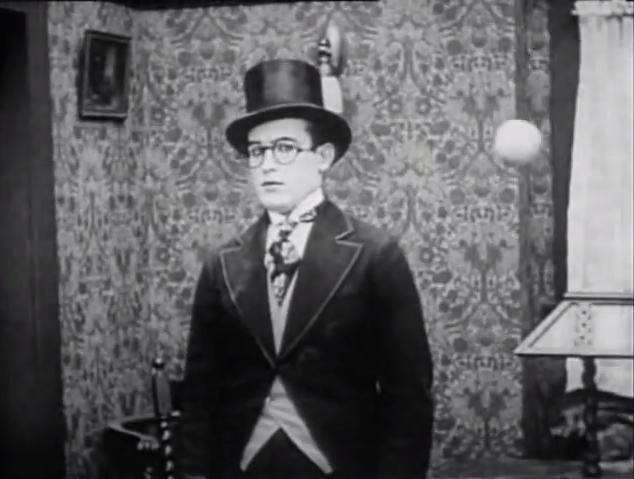
A definitive 5.6/10 rating for a film that redefined the boundaries of cult cinema. I'm on My Way remains a cornerstone of transgressive art.
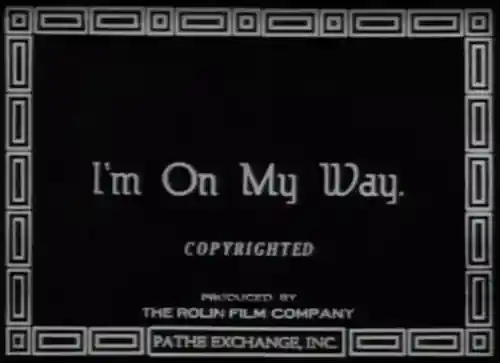
Stepping back into the golden age of silent cinema offers a unique vantage point, a chance to witness the foundational comedic genius that shaped generations. Among the titans of this era, Harold Lloyd stands tall, not merely for his iconic spectacles and daredevil stunts but for his uncanny ability to tap into universal human anxieties with a disarming blend of pathos and slapstick. His 1919 short, 'I'm on My Way' (slug: im-on-my-way), while perhaps not as widely celebrated as his feature-length masterpieces, serves as a poignant, hilarious, and surprisingly resonant exploration of pre-marital jitters, domestic dread, and the societal pressures surrounding commitment. It's a film that, even a century later, manages to elicit genuine laughter while prodding at the deeper fears lurking beneath the surface of matrimonial expectations.
The premise is deceptively simple: Harold, played with his usual earnest charm by Lloyd, is poised to marry his beloved Bebe, portrayed by the delightful Bebe Daniels. The impending nuptials should be a joyous occasion, a culmination of romantic aspirations. Yet, a shadow of doubt begins to creep into Harold's heart, not from any flaw in Bebe, but from an external, entirely relatable source: the grim reality of his neighbor Snub's married life. 'Snub' Pollard, a master of physical comedy and expressive pantomime, embodies the harried, beleaguered husband with an almost tragicomic conviction. His household, a chaotic tableau of screaming children, demanding wife, and never-ending chores, becomes a living, breathing cautionary tale for the impressionable Harold. This narrative device, observing the 'grass isn't always greener' from a distinctly pessimistic angle, allows the film to pivot from a simple romantic comedy into a more biting social commentary on the perceived pitfalls of domesticity.
Snub's predicament isn't merely a plot device; it's the comedic engine of the film. We see him, time and again, overwhelmed by responsibilities, his face a mask of perpetual exhaustion and exasperation. His wife, depicted by Marie Mosquini, is not a villain, but rather a force of nature, embodying the endless demands placed upon a husband in that era. The children, a rambunctious, unmanageable brood, add layers of delightful mayhem, transforming Snub's home into a boisterous, often destructive, playground. Harold's observations are not just visual; they are visceral. He witnesses the loss of Snub's freedom, the constant barrage of complaints, the incessant need to provide and fix, and the utter obliteration of personal peace. This spectacle of marital discord resonates deeply, perhaps because it touches upon unspoken fears many harbor about the compromises and sacrifices inherent in long-term relationships.
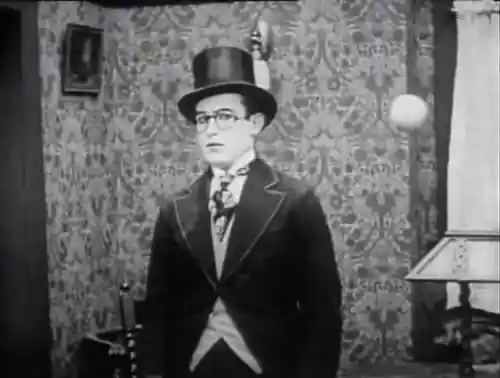
Harold Lloyd's genius lies in his ability to portray the 'everyman' – a relatable, ambitious, often anxious character navigating a world full of slapstick challenges. In 'I'm on My Way', this persona is perfectly suited to the narrative. His initial excitement for marriage slowly curdles into visible dread, a transformation he conveys with subtle shifts in expression and increasingly frantic physical comedy. His attempts to escape or delay the wedding are born not of malice, but of a profound, almost primal fear. This fear, while played for laughs, is deeply human. It's the anxiety of losing oneself, of being subsumed by a partnership that demands everything. Lloyd's performance ensures that Harold remains sympathetic, even as his actions become increasingly desperate and absurd. It's a testament to his acting prowess that he could convey such complex emotions without a single spoken word, relying solely on his physicality and nuanced facial expressions.
Bebe Daniels, as Harold's fiancée, plays a crucial role, albeit one largely reactive to Harold's growing apprehension. She embodies the ideal partner, beautiful, loving, and entirely unaware of the domestic horror show unfolding next door that is poisoning her fiancé's mind. Her innocence and genuine affection amplify Harold's internal conflict, making his dilemma all the more poignant. The audience is left to wonder if he will succumb to his fears or if love will ultimately conquer his anxieties. Daniels' presence provides the emotional anchor, reminding us what Harold stands to lose, even as he contemplates what he might gain (or avoid losing) by backing out. Her performance here, though perhaps less overtly comedic than Lloyd's or Pollard's, is essential for grounding the film's emotional stakes.
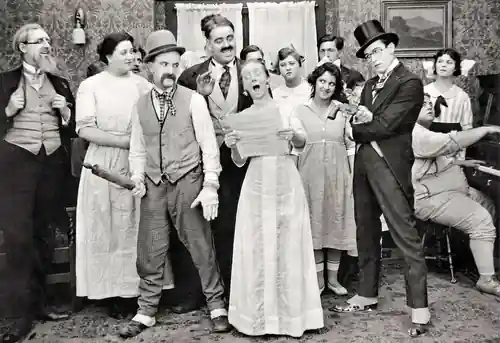
Beyond the central trio, the film benefits from a robust supporting cast. Bud Jamison, a stalwart of silent comedies, often playing authority figures or antagonists, likely contributes to the broader comedic landscape, perhaps as a wedding guest or another figure Harold encounters. James Fitzgerald, Margaret Joslin, James Parrott, Jerome LaPlanche, Sammy Brooks, Dorothea Wolbert, Lew Harvey, Dee Lampton, James Morrison, and William Gillespie all contribute to the vibrant, bustling world of the film. In these early comedies, every face, every reaction, every background player was crucial to building the immersive, often frenetic, environment that amplified the main gags. Their collective efforts create a believable, if exaggerated, social fabric against which Harold’s personal drama unfolds. The seamless integration of these performers speaks volumes about the collaborative nature of silent film production, where visual storytelling relied heavily on every member of the ensemble.
While 'I'm on My Way' is a product of its time, its core theme of commitment phobia remains strikingly relevant. The fear of 'settling down,' of losing one's individuality, or of facing the mundane realities of domestic life is a timeless human concern. Lloyd's film cleverly packages these anxieties in a comedic wrapper, making them palatable and even cathartic. It allows audiences to laugh at their own potential fears, to see the absurdity in the societal pressures to conform to certain life paths. This universal appeal is precisely why films like this, despite their age, continue to resonate. They tap into something fundamental about the human condition, something that transcends fashion, technology, and even spoken language. Much like the broader societal commentary found in films such as The Price Woman Pays, which might explore gender roles and expectations, or even the subtle social observations in Jane Goes A' Wooing, 'I'm on My Way' uses its comedic framework to illuminate deeper truths about human relationships and societal norms.
The craftsmanship in 'I'm on My Way' is evident in its pacing, its visual gags, and its character development, all achieved without dialogue. The film relies heavily on physical comedy, exaggerated expressions, and ingenious sight gags to convey its narrative. The camera work, while perhaps not as innovative as some later silent films, is effective in directing the audience's attention and building comedic tension. The editing ensures that each gag lands effectively, building momentum towards Harold's increasingly desperate attempts to avoid his fate. It’s a testament to the skill of the filmmakers and performers that they could evoke such a strong emotional and comedic response using only visual cues. This ability to communicate complex ideas and emotions through purely visual means is a hallmark of the silent era's greatest achievements, a technique that modern filmmakers often revisit and draw inspiration from.
When considering Harold Lloyd's body of work, 'I'm on My Way' fits neatly into his early short film output, showcasing the development of his 'Glasses Character' persona. While it lacks the grand-scale stunts of later features like Crashing Through to Berlin (if it were a Lloyd film, which it isn't, but for comparison of action-oriented titles) or the intricate plotting of his more mature works, it perfectly encapsulates his ability to derive humor from everyday situations and anxieties. The precision of its gags, the timing of its comedic beats, and the relatability of its central dilemma place it firmly in the tradition of expertly crafted silent comedies. One might draw parallels to the meticulous physical comedy found in films like The Railroader, where Buster Keaton masterfully manipulates his environment for comedic effect, or even the more character-driven humor of films like The Porters, which would similarly rely on the interactions of its ensemble. Lloyd’s unique blend of physical dexterity and character-driven humor distinguishes him, making his pre-marital panic feel both grandly theatrical and deeply personal.
The film's exploration of domesticity and its potential pitfalls also finds echoes in broader cinematic themes. The idea of an individual struggling against an overwhelming system or societal expectation is a recurring motif, from the adventures of children in In Search of the Castaways facing natural forces, to the personal battles depicted in dramas like Shadows from the Past. Here, the 'system' is the institution of marriage itself, seen through Harold's apprehensive eyes as a potential trap rather than a liberation. The film’s ability to generate humor from such a profound anxiety is a testament to its clever writing and Lloyd’s empathetic portrayal. It’s not simply a series of gags; it’s a narrative built on a relatable human predicament, elevated by superb comedic timing and character work. This thematic depth, even in a short comedy, solidifies its place as more than just ephemeral entertainment.
In conclusion, 'I'm on My Way' is far more than a simple silent short. It is a shrewd, humorous, and enduring commentary on the human condition, specifically the universal trepidation that often accompanies significant life changes like marriage. Harold Lloyd, with his signature blend of vulnerability and tenacity, perfectly embodies the anxious groom-to-be, while Bebe Daniels provides the charming foil and 'Snub' Pollard delivers a masterclass in comedic domestic despair. The film, through its ingenious observational humor and expertly executed physical comedy, manages to be both riotously funny and surprisingly thought-provoking. It reminds us that even in the seemingly straightforward path of love and marriage, there are always anxieties to navigate, and sometimes, the best way to confront them is with a healthy dose of laughter. For anyone seeking to understand the enduring appeal of silent comedy, or simply in need of a good chuckle about the complexities of commitment, this film remains an essential viewing experience, a vibrant historical artifact that still sparkles with relevance and wit.
IMDb 6.9
1918
Community
Log in to comment.