DbcultAccessing Vault...
Cult Review
Senior Film Conservator
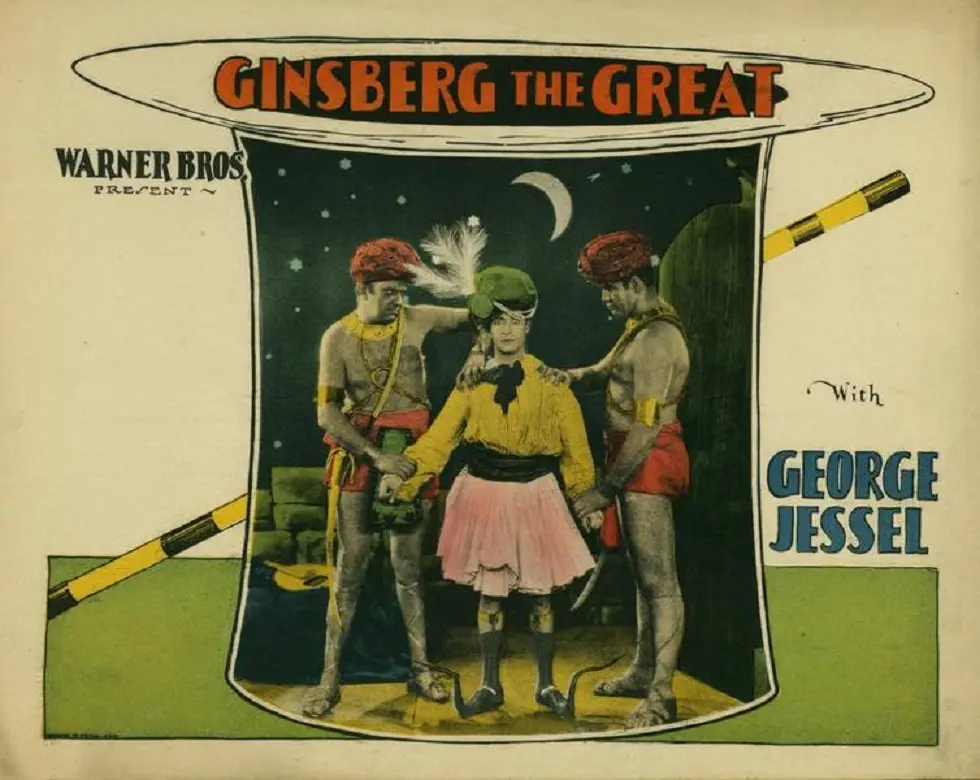
Is Ginsberg the Great worth watching today? Short answer: yes, but with significant caveats that demand a certain appreciation for the silent era's unique rhythms and storytelling conventions. This 1928 feature offers a glimpse into a foundational period of American cinema, serving as both a charming, if slight, comedy and a fascinating artifact for those interested in the evolution of narrative film.
This film is unequivocally for silent film enthusiasts, history buffs, and those curious about the early careers of performers like George Jessel. It is decidedly NOT for viewers seeking rapid pacing, complex psychological depth, or modern comedic sensibilities. Expect a gentle, earnest narrative, not a laugh-a-minute riot.
This film works because of George Jessel's undeniable, if understated, charisma, which anchors the film's simple narrative with an appealing everyman quality.
This film fails because its plot, while endearing, is remarkably thin, relying heavily on coincidence and lacking the dramatic tension to sustain its runtime for a modern audience.
You should watch it if you appreciate the historical value of silent cinema and are willing to engage with its particular brand of earnest storytelling and physical comedy.
Ginsberg the Great, at its core, is a narrative about misplaced ambition and accidental heroism. Johnny Ginsberg (George Jessel), a tailor's assistant, is less concerned with hems and seams than with the grand gestures of a stage magician. His dreams are not subtle; they are of top hats, disappearing acts, and the applause of an adoring crowd. This central conceit is both the film's most charming and most underdeveloped aspect.
The journey into the carnival world, a classic backdrop for silent-era escapades, feels less like a chosen path and more like an inevitable stumble. It’s a setting ripe with potential for both magic and menace, yet the film, directed by Anthony Coldeway, only scratches the surface of its inherent theatricality. Johnny’s magical failures are depicted with a gentle humor, highlighting his earnestness rather than his ineptitude, which is key to keeping the audience on his side.
The abrupt pivot from aspiring conjurer to impromptu detective feels less like organic character development and more like a narrative convenience designed to inject some much-needed conflict. The jewel thieves, while providing a clear antagonist, are painted in broad strokes, typical of the era. Their apprehension, orchestrated by Johnny's bumbling yet ultimately effective intervention, serves as the catalyst for his romantic triumph with Mary (Audrey Ferris).
What emerges is a story that, while predictable, is delivered with a certain unassuming charm. It’s a testament to the silent film's ability to convey complex emotions and motivations through gesture and expression, even when the plot itself is rather straightforward. The film doesn't attempt to reinvent the wheel; it simply aims to tell a sweet, simple story of an ordinary man finding extraordinary success in unexpected ways.
George Jessel, a vaudeville veteran and a significant personality in early Hollywood, carries Ginsberg the Great with an understated charm that is both its anchor and its greatest asset. Jessel's Johnny Ginsberg is not a grand, physical comedian in the vein of a Chaplin or Keaton, nor does he possess the everyman pathos of a Harry Langdon. Instead, Jessel offers a more subtle, almost naturalistic performance for the period.
His comedic timing is less about slapstick and more about reaction shots and a certain earnest vulnerability. Consider the scenes where Johnny attempts his magic tricks. His wide-eyed hope, followed by the inevitable, deflated slump of his shoulders, communicates volumes without a single intertitle. It's a performance built on sincerity, making his character instantly likable and relatable, even when his ambitions outstrip his abilities.
Jessel’s appeal lies in his ability to portray an ordinary man thrust into extraordinary circumstances. He’s not a hero by design but by accident, and Jessel plays this transition with a believable awkwardness. His chemistry with Audrey Ferris's Mary is gentle and sweet, built on mutual admiration rather than overt romantic tension. Ferris, while not given extensive material, complements Jessel well, providing a warm, supportive presence that grounds Johnny's flights of fancy.
It’s easy to see why Jessel would go on to have a long career; his screen presence, even in this early role, is undeniable. He’s not attempting to be profound, but rather to entertain, and in that, he largely succeeds. His performance is a quiet masterclass in silent-era acting, demonstrating that not all leading men needed to be acrobats or clowns to captivate an audience.
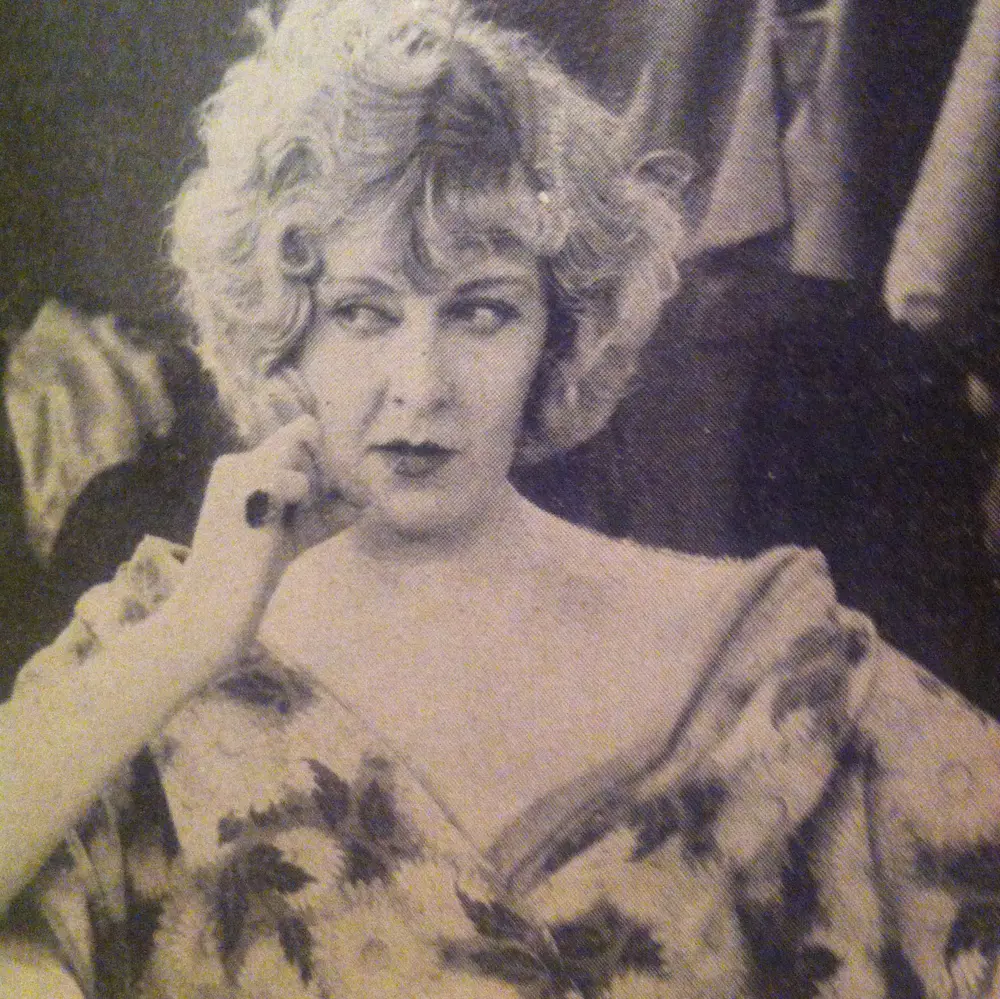
Anthony Coldeway, primarily known as a prolific screenwriter, steps into the director's chair for Ginsberg the Great, delivering a film that is competent, if not particularly groundbreaking. Coldeway's direction is straightforward, prioritizing clarity of narrative over stylistic flourish. He effectively utilizes the carnival setting, even if he doesn't fully exploit its inherent visual and dramatic potential.
The pacing of the film is typical of late silent features, a rhythm that might feel languid to modern viewers but was standard for its time. Coldeway allows scenes to breathe, giving Jessel ample opportunity to convey emotion through pantomime and expression. There are no rapid-fire cuts or dizzying montages; instead, the camera often holds on a scene, allowing the action to unfold in a more theatrical manner.
The tone is consistently lighthearted, even during the more dramatic moments involving the jewel thieves. Coldeway ensures that the stakes never feel overwhelmingly high, maintaining the film's comedic undercurrent. This is evident in the way the villains, Theodore Lorch and James Quinn, are portrayed—more cartoonish in their villainy than genuinely menacing, fitting the film's overall light touch.
While Coldeway doesn't introduce any revolutionary cinematic techniques, his direction is effective in telling the story clearly. He understands the strengths of his lead actor and crafts scenes that highlight Jessel's gentle humor. The film’s greatest directorial choice, arguably, is simply letting Jessel be Jessel, allowing his natural charisma to shine through the relatively simple narrative.
The visual language of Ginsberg the Great is characteristic of late silent-era filmmaking, balancing practical sets with studio-bound artistry. The cinematography, while not attributed to a specific individual in the credits provided, effectively captures the atmosphere of both the mundane tailor shop and the bustling carnival.
The carnival scenes, in particular, are where the film's visual appeal truly comes alive. We see glimpses of the sideshows, the rides, and the general cacophony of a traveling fair, all rendered with a certain authenticity. While the sets are clearly constructed, they evoke a sense of place that is crucial for immersing the audience in Johnny's world. The lighting, too, plays a role, often creating a chiaroscuro effect in the more suspenseful moments with the thieves, contrasting with the brighter, more open feel of the carnival grounds.
One notable aspect is the use of close-ups, particularly on Jessel's face, to convey emotion. This was becoming increasingly common in the late silent period as filmmakers honed their ability to communicate without sound. The film doesn't shy away from these intimate moments, allowing the audience to connect directly with Johnny's internal state. The visual storytelling, while not groundbreaking, is solid, effectively supporting the narrative without drawing undue attention to itself.
The film also features Akka the Chimp, a common trope in silent comedies, adding a layer of animal antics that were popular with audiences. While perhaps dated by modern standards, Akka’s presence contributes to the film's overall charm and the chaotic energy of the carnival setting. The seamless integration of this animal actor speaks to the practical effects and training of the era.
Yes, Ginsberg the Great is worth watching today if you have an interest in silent films. It offers a clear window into the late 1920s Hollywood. The film is a lighthearted comedy. It showcases George Jessel's early talent. It is not a profound cinematic experience. But it is a pleasant one. It's a valuable historical document. It reminds us of cinema's foundational years.
Ginsberg the Great, while not a profound cinematic statement, resonates with themes that are surprisingly timeless. The pursuit of a dream, the struggle between aspiration and reality, and the unexpected paths life takes us on are all present here. Johnny's journey from a humble tailor's assistant to an accidental hero speaks to the universal desire for significance, even if it's found through unconventional means.
The film also serves as a fascinating document of early Hollywood's approach to genre blending. It attempts to weave together elements of comedy, romance, and a dash of crime caper, a common practice in the nascent days of filmmaking. While the blend isn't always seamless, it showcases the experimental spirit of the era, where conventions were still being established.
An unconventional observation here is how the film inadvertently highlights the precariousness of artistic ambition in the face of practical realities. Johnny's stage magic is consistently portrayed as a failure, yet his 'real-world' heroism is lauded. It's a subtle commentary, perhaps unintended, on what society truly values, and how talent sometimes takes a backseat to circumstance. This contrasts sharply with films like The Chinese Musketeer, which often glorified a more direct path to heroic success.
For those interested in the broader context of silent cinema, comparing Ginsberg the Great to other films of its period, such as the more dramatic The Bolted Door or the comedic stylings of Three Wise Goofs, can offer valuable insights into the diversity of storytelling at the time. It reminds us that even seemingly minor films contribute to the rich tapestry of cinematic history.
Ginsberg the Great is a charming, if slight, piece of silent cinema. It works. But it’s flawed. Its greatest strength lies in George Jessel's amiable performance, which elevates a rather rudimentary plot. While it won't redefine your understanding of film, it offers a pleasant, historically significant viewing experience for those willing to engage with its particular brand of earnest storytelling. It's a film that deserves to be seen, not for its grandeur, but for its quiet, unassuming place in the annals of film history.
IMDb 5.9
1914
Community
Log in to comment.