DbcultAccessing Vault...
5.4/10
Senior Film Conservator
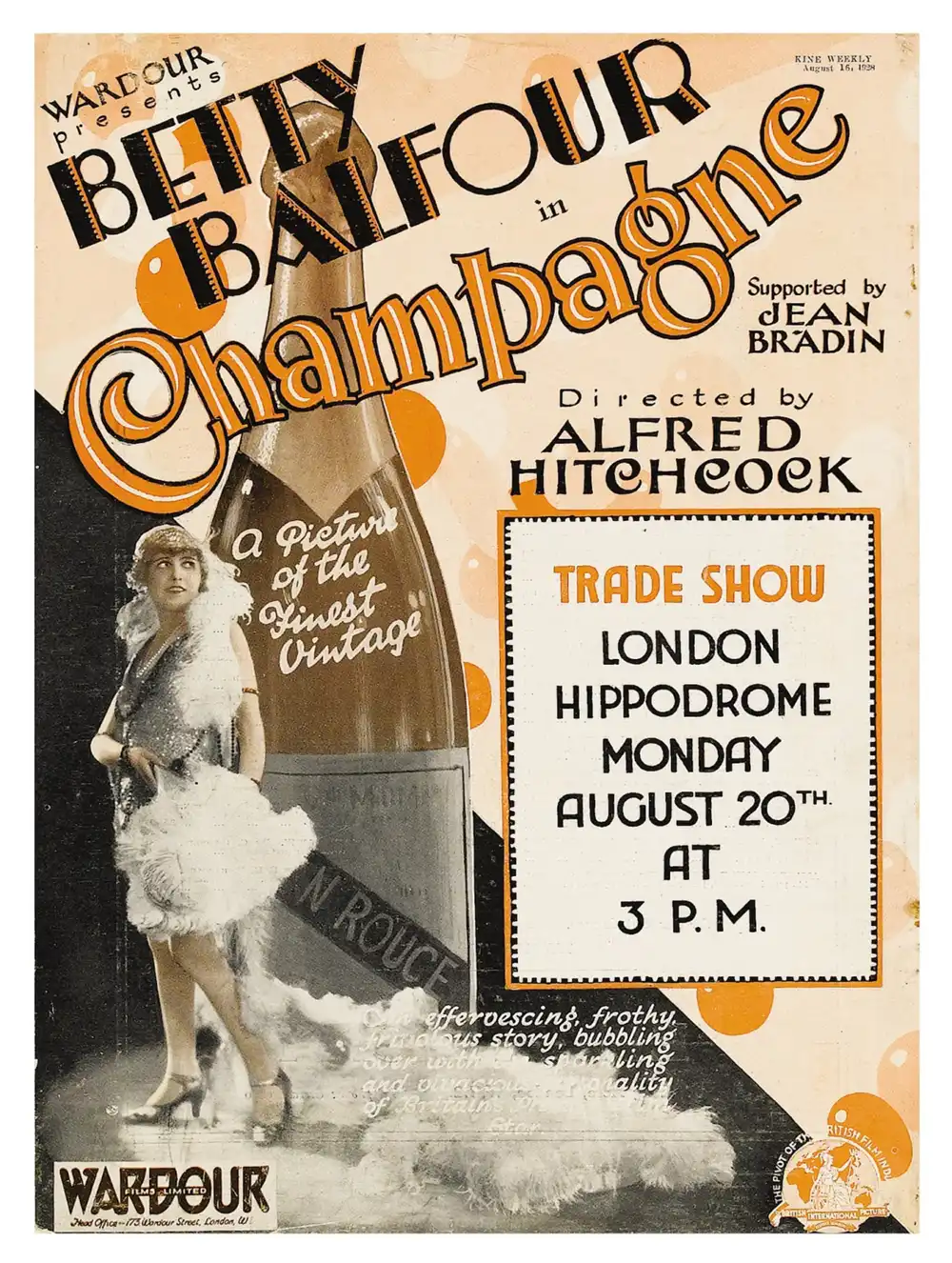
A definitive 5.4/10 rating for a film that redefined the boundaries of cult cinema. Champagne remains a cornerstone of transgressive art.
Alfred Hitchcock's 1928 silent film, Champagne, is a peculiar artifact from the early years of a master director. For modern audiences, the answer to whether it's worth watching today largely depends on your specific interests. If you're a devoted Hitchcock completist, a silent film enthusiast, or someone fascinated by the evolution of cinematic language, then yes, it offers intriguing glimpses into his nascent visual style. However, if you're expecting the taut suspense or psychological depth of his later work, or if you generally struggle with the conventions and pacing of silent cinema, you'll likely find Champagne a rather flat experience.
It's a lightweight romantic comedy, a genre Hitchcock rarely revisited, centered on a spoiled heiress and her father's elaborate scheme to curb her rebellious spirit. While it lacks the narrative punch to fully engage a broad contemporary audience, its historical significance and occasional flashes of directorial ingenuity still make it a worthwhile detour for the right viewer.
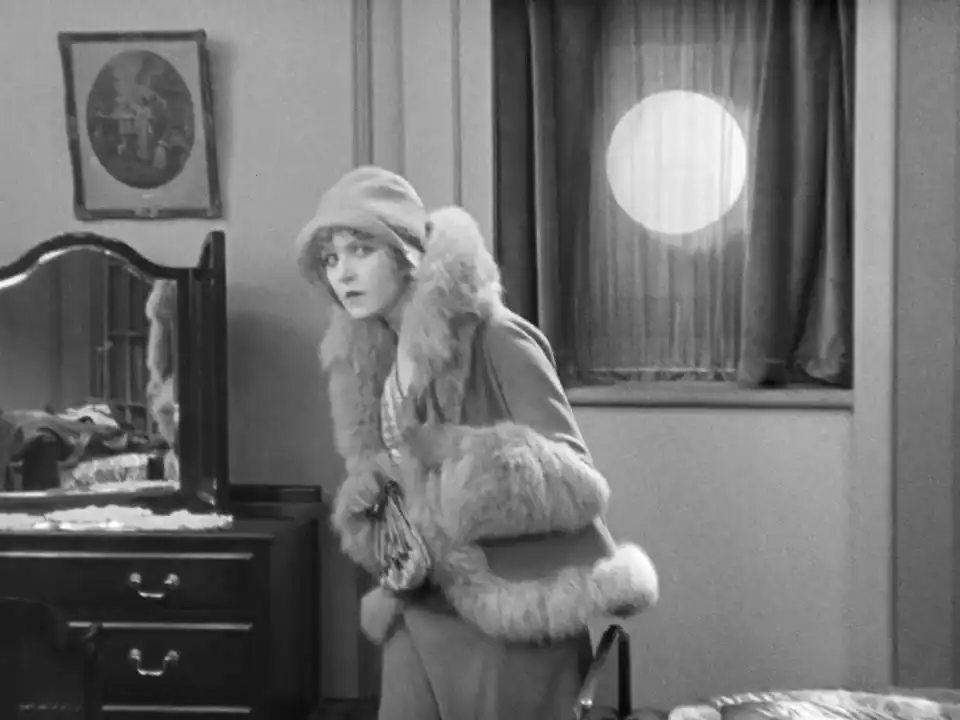
The film largely rests on the shoulders of Betty Balfour as Jean, the headstrong heiress. Balfour, a popular British star of the era, brings an almost manic energy to the role. Her performance is a textbook example of silent acting: broad gestures, wide eyes, and expressive pouts that leave no emotion unstated. When Jean is thrilled, Balfour practically vibrates with excitement; when she's distraught, her face crumples with theatrical despair. This style, while effective for its time, can feel a bit much for a modern viewer, occasionally tipping into caricature rather than genuine emotion.
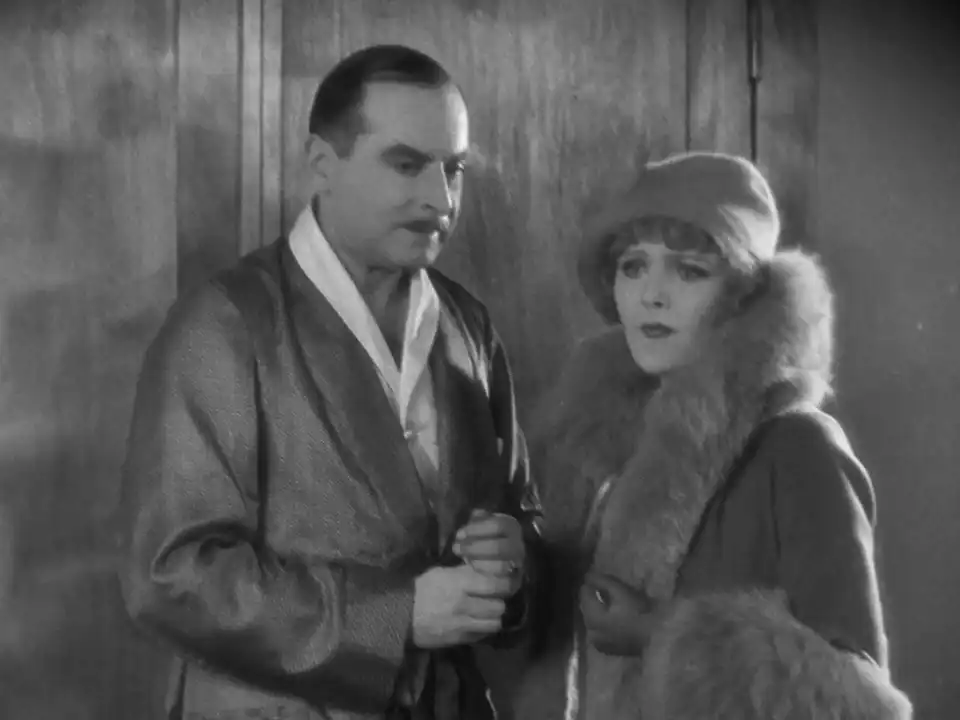
Ferdinand von Alten, as Jean's father, delivers a more restrained but equally clear performance, mostly conveyed through stern glances and the occasional exasperated shrug. Gordon Harker, playing a detective-like figure hired by the father, provides some much-needed groundedness, his cynical expressions often serving as an audience surrogate for the absurdity unfolding. There's a particular scene where he observes Jean's attempts at self-sufficiency, arms crossed, a faint smirk playing on his lips, that feels more naturalistic than much of the surrounding action.
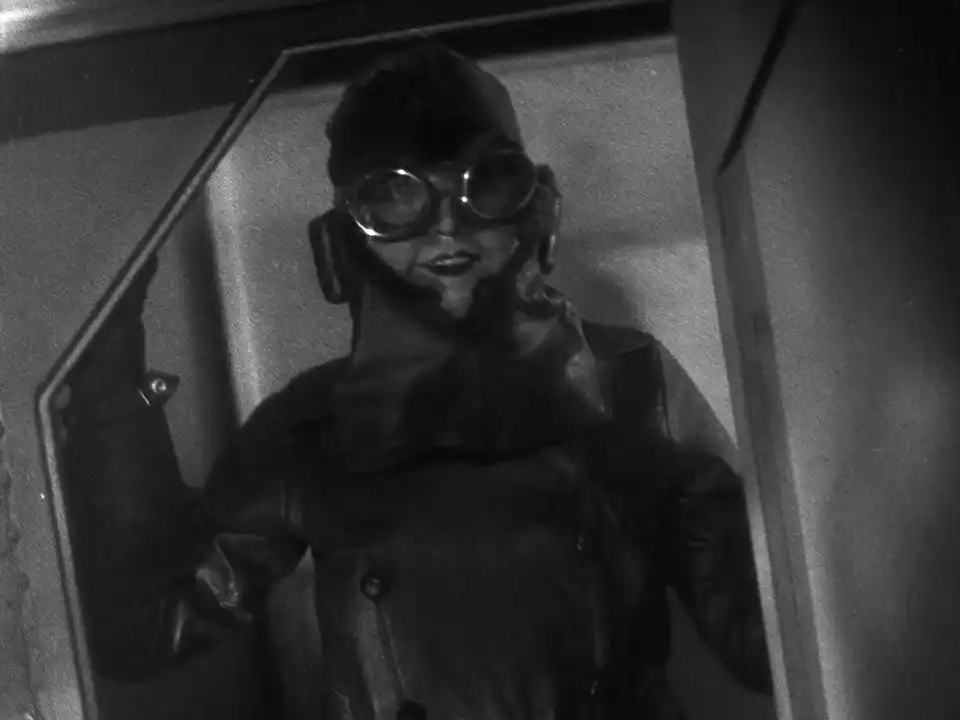
Champagne is, at its heart, a comedy, and it leans heavily into physical gags and farcical situations. The tone is generally light, but it struggles with consistency. The opening sequence, set on a transatlantic flight, feels surprisingly long, with repeated shots of the plane against a painted sky. While visually ambitious for its time, it establishes a pacing that often drags, especially as the narrative tries to move from one manufactured predicament to the next.
Hitchcock attempts to inject dynamism with quick cuts and montage sequences, particularly in the bustling nightclub scenes. Yet, even here, the energy can feel manufactured. A recurring gag involving champagne bottles being accidentally opened or spilled feels repetitive rather than escalating in comedic effect. The film's central conceit—the father's elaborate plot to make Jean believe she's penniless—is stretched thin, leading to moments where the audience is ahead of the characters, diminishing any potential suspense or surprise.
One notable sequence involves Jean trying to sell champagne in a cabaret. Her repeated, clumsy attempts to open bottles, resulting in sprays and spills, is meant to be comedic, but it goes on for just a beat too long, transforming from an amusing mishap into a slightly tedious display of ineptitude. This overextension of gags is a common thread, suggesting an early director still finding his rhythm.
Despite its narrative shortcomings, Champagne is most compelling when viewed through the lens of Hitchcock's developing visual language. The film opens with a memorable shot looking through the bottom of a champagne glass, bubbles rising, hinting at a playful, experimental approach to perspective that would define his career. This isn't just a gimmick; it immediately signals a director thinking visually.
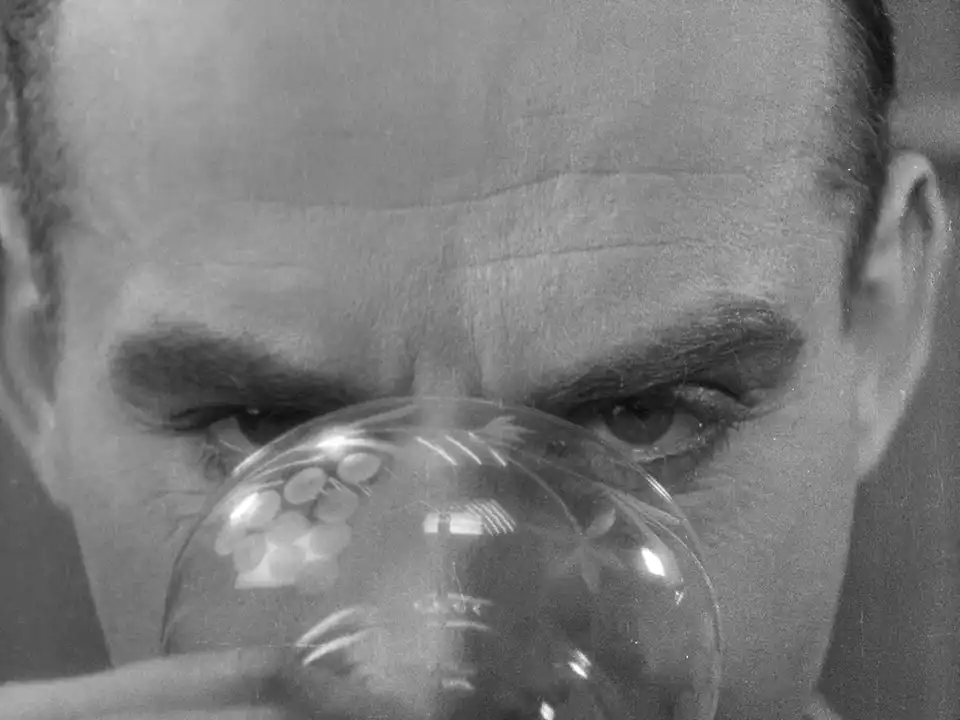
There are other moments that stand out: the clever use of miniatures for the plane and ship sequences, though their integration isn't always seamless, speaks to his early interest in special effects. The way he frames Jean during her moments of despair, often isolated in a large frame, foreshadows his later mastery of conveying psychological states through composition. Even in this light comedy, one can spot his signature use of close-ups to emphasize reactions or crucial objects, like the telegrams that drive the plot.
The editing, while sometimes uneven, also shows flashes of brilliance. There are instances of rapid montage to convey excitement or chaos, particularly within the nightclub, which feels modern even today. However, these moments are interspersed with surprisingly long reaction shots or static scenes that feel more typical of early cinema, creating a somewhat jarring rhythm.
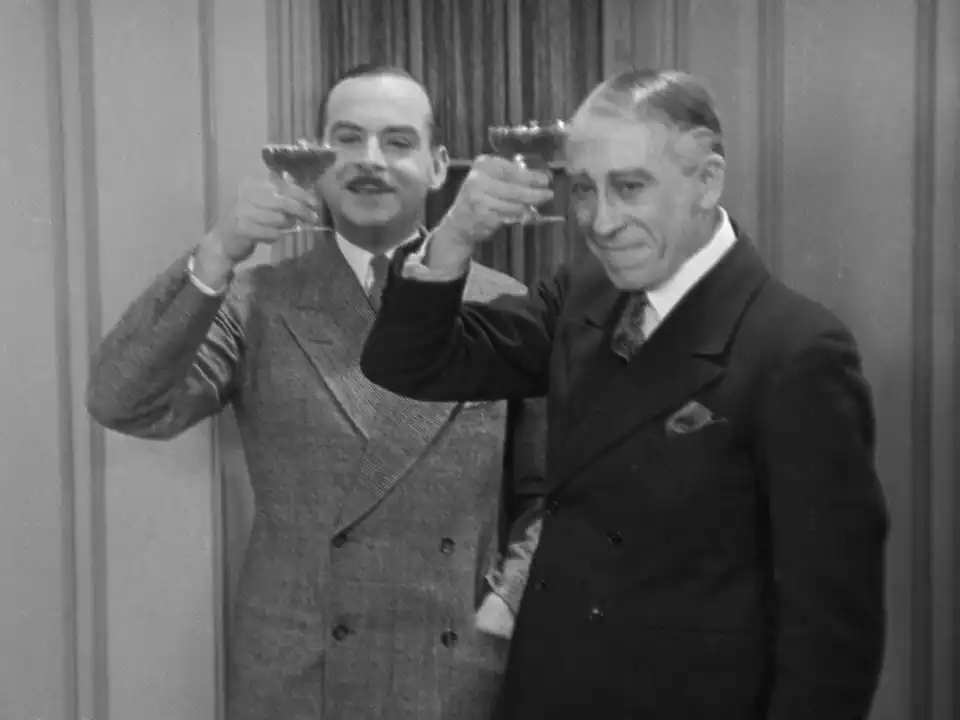
Champagne is not a forgotten masterpiece, nor is it a particularly strong example of early Hitchcock. It's a curiosity, a footnote in the career of a director who would go on to define cinematic suspense. For those deeply invested in film history or Hitchcock's filmography, it serves as an interesting data point, revealing his early dabblings in comedy and his nascent visual style. You can see the gears turning, the director learning his craft, even if the final product doesn't quite sparkle.
For casual viewers, however, its silent film conventions, broad performances, and often sluggish pacing will likely prove a barrier. It's a film best approached with a specific academic interest rather than as pure entertainment. So, while it might not deserve a full toast, a respectful nod to its historical significance is certainly in order.
IMDb 6.7
1931
Community
Log in to comment.