DbcultAccessing Vault...
Cult Review
Senior Film Conservator
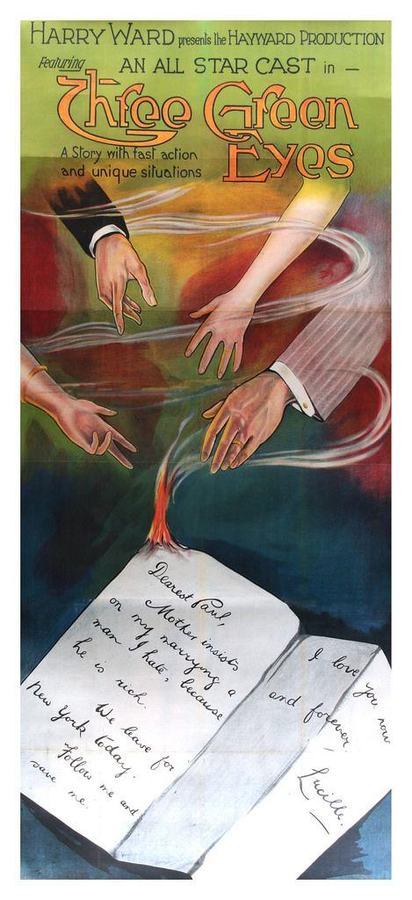
In the annals of silent cinema, where grand gestures and nuanced expressions spoke volumes, Three Green Eyes emerges as a compelling tableau of human frailty, the relentless march of fate, and the enduring power of a love believed lost. This isn't merely a period piece; it's a timeless exploration of the choices we make, the pressures we succumb to, and the unforeseen consequences that ripple through our lives. Penned by the insightful duo of Wallace Clifton and Victorien Sardou, the narrative weaves a tapestry of romantic entanglement and familial obligation, drawing the viewer into a world where a single, unread note can alter the course of multiple destinies.
At its heart, Three Green Eyes introduces us to Lucille Vale, portrayed with exquisite sensitivity by June Elvidge, a woman whose heart beats solely for Paul Arden, a struggling architect brought to life by the earnest Carlyle Blackwell. Their love story, however, is not one destined for a straightforward path. Lucille's mother, a formidable figure embodying the era's rigid societal expectations, deems Paul an unsuitable match, envisioning a more advantageous union with the prosperous Allen Granat (Montagu Love). This maternal interference, a common yet potent dramatic device of the period, sets the stage for the film's central tragedy. Lucille, caught between duty and desire, makes the agonizing decision to acquiesce to her mother's wishes. In a gesture steeped in both farewell and desperate hope for understanding, she leaves a note for Paul in their clandestine sanctuary, detailing her impending marriage to Allen.
The cruel hand of fate, however, intervenes with a singular, devastating blow. Paul, in a moment of unfortunate happenstance, is thrown from a horse, sustaining injuries that render him unconscious and away from their secret meeting place. The note, a fragile parchment bearing the weight of a broken promise and an uncommunicated truth, remains undiscovered, a silent testament to a love tragically sidetracked. This pivotal moment, a classic instance of dramatic irony, immediately elevates the film beyond a simple romance into a profound meditation on the capriciousness of destiny. One cannot help but draw parallels to other films where missed connections dictate monumental life shifts, though perhaps none quite capture the sheer poetic tragedy of a physical accident preventing the receipt of such a life-altering message. It is a moment that echoes the profound human longing for control over one's narrative, a control often denied by the universe's indifferent machinations.
While Paul recuperates under the kind care of entomologist Thomas Wiggan, a man whose quiet wisdom undoubtedly offers a different perspective on the intricate web of life, another tender romance subtly blossoms. Wiggan's son, Johnnie (Johnny Hines), finds himself drawn to Marion Vale (Evelyn Greeley), Lucille's younger sister. This secondary narrative thread provides a gentle counterpoint to the main drama, a quieter, perhaps more hopeful, exploration of burgeoning affection, offering a glimpse into the possibility of love finding its way even amidst the larger currents of heartbreak. The filmmakers, with subtle brilliance, use this parallel story to underscore the universality of love's quest, even as they heighten the tragic isolation of Paul and Lucille's predicament.
Two years elapse, a significant temporal leap that allows for the characters to have settled into their new realities. Lucille and Allen return to the estate, now husband and wife, seemingly content and very much in love. This portrayal of their marriage, initially at least, is crucial; it complicates the audience's perception of Lucille's initial sacrifice. Is she truly happy? Or is there a lingering ache for what might have been? The film doesn't offer easy answers, instead allowing the audience to grapple with the complexities of human emotion and adaptation. Their decision to engage Paul's architectural services to work on the estate is a masterstroke of dramatic tension, bringing the two former lovers into an inescapable proximity. The stage is set for a confrontation with the past, a collision of worlds that has been simmering for two long years.
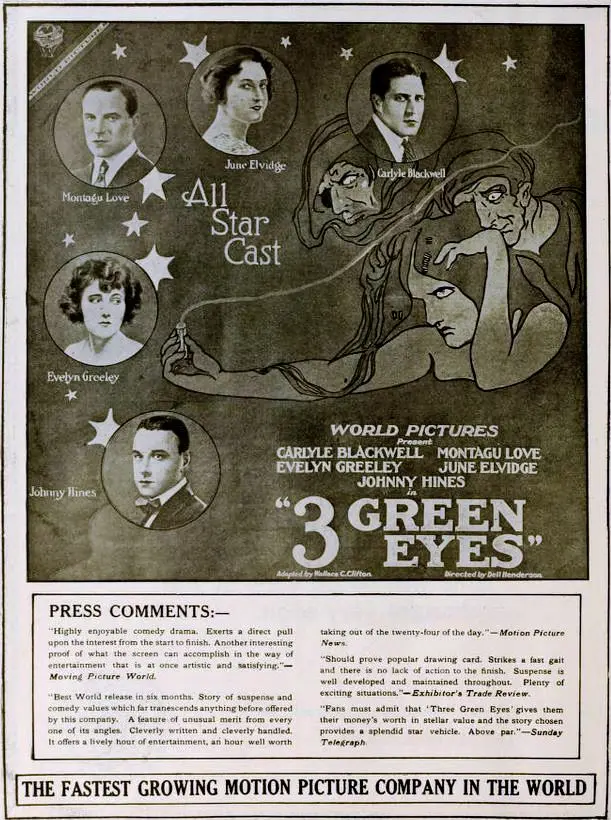
The moment of reckoning arrives with the rediscovery of the note. Still nestled in its secret hiding place, untouched by time, it becomes a potent symbol of unspoken truths and unfulfilled promises. The discovery is not merely a plot device; it is a profound commentary on the indelible marks left by our past actions, or inactions. When this forgotten missive finally comes to light, it threatens to unravel the carefully constructed lives of Lucille and Allen, and to re-ignite the embers of Paul's long-dormant love and confusion. The dramatic tension here is palpable, reminiscent of the slow-burn revelations in films like The Price of Silence, where hidden histories inevitably surface to demand their due.
Lucille’s frantic efforts to recover the potentially incriminating note, aided by her loyal friend Suzanne Russell (Madge Evans), form the film’s thrilling climax. This sequence is a masterclass in silent film suspense, relying on facial expressions, swift movements, and the sheer weight of consequence to convey the urgency of her mission. The note, in essence, is not just a piece of paper; it's a Pandora's Box, holding the power to shatter her present happiness and expose the raw wounds of a past misunderstanding. The question isn't just about recovering the note, but about the implications of its content, and what its revelation would mean for all involved. Will Paul finally understand? Will Allen’s trust be irrevocably broken? These are the high stakes that propel the narrative forward with relentless momentum.
June Elvidge, as Lucille Vale, delivers a performance that transcends the limitations of silent film, conveying a complex emotional landscape with remarkable clarity. Her initial internal conflict, the quiet resignation to her mother's will, the subtle hints of lingering regret even in her apparent marital bliss, and finally, the desperate panic upon the note's discovery, are all rendered with compelling authenticity. She is not merely a damsel in distress; she is a woman caught in a web of circumstances, navigating a world where personal desires often clashed with societal decorum. Her portrayal invites empathy, making her struggle profoundly relatable.
Carlyle Blackwell's Paul Arden is the embodiment of the earnest, wronged romantic lead. His suffering is quiet, dignified, yet palpable. The audience feels his confusion, his sense of abandonment, and the slow rekindling of hope upon his return to Lucille's orbit. His character arc is one of resilience and enduring affection, making his eventual understanding of the note's true meaning all the more impactful. Montagu Love's Allen Granat, initially the 'villain' by circumstance, is portrayed with enough nuance to prevent him from becoming a caricature. He is the suitable match, the man Lucille's mother desired, and his love for Lucille, though perhaps less passionate than Paul's, appears genuine, adding another layer of moral ambiguity to the central conflict. This complexity makes the eventual resolution, whatever it may be, more emotionally resonant.
The supporting cast also deserves commendation. Mathilde Brundage, as Lucille's mother, provides the necessary gravitas and sternness to justify Lucille's initial capitulation. Evelyn Greeley and Johnny Hines, as Marion and Johnnie, offer a refreshing, innocent counterpoint, their burgeoning romance a gentle echo of what Lucille and Paul once shared, or could have shared. Their presence reminds us that life, with all its joys and sorrows, continues around the central drama, much like the ensemble cast in a film such as Amarilly of Clothes-Line Alley, where various lives intertwine to paint a larger picture of society.
Beyond the intricate plot, Three Green Eyes delves into profound themes that resonate across generations. The conflict between individual desire and societal expectation is a dominant motif, explored through Lucille's initial sacrifice. The film powerfully illustrates how external pressures can shape, or misshape, personal destinies. Furthermore, the narrative is a stark reminder of the devastating consequences of miscommunication and the unforeseen power of overlooked details. The note itself is a character, a silent observer of the unfolding drama, whose eventual discovery acts as the ultimate catalyst.
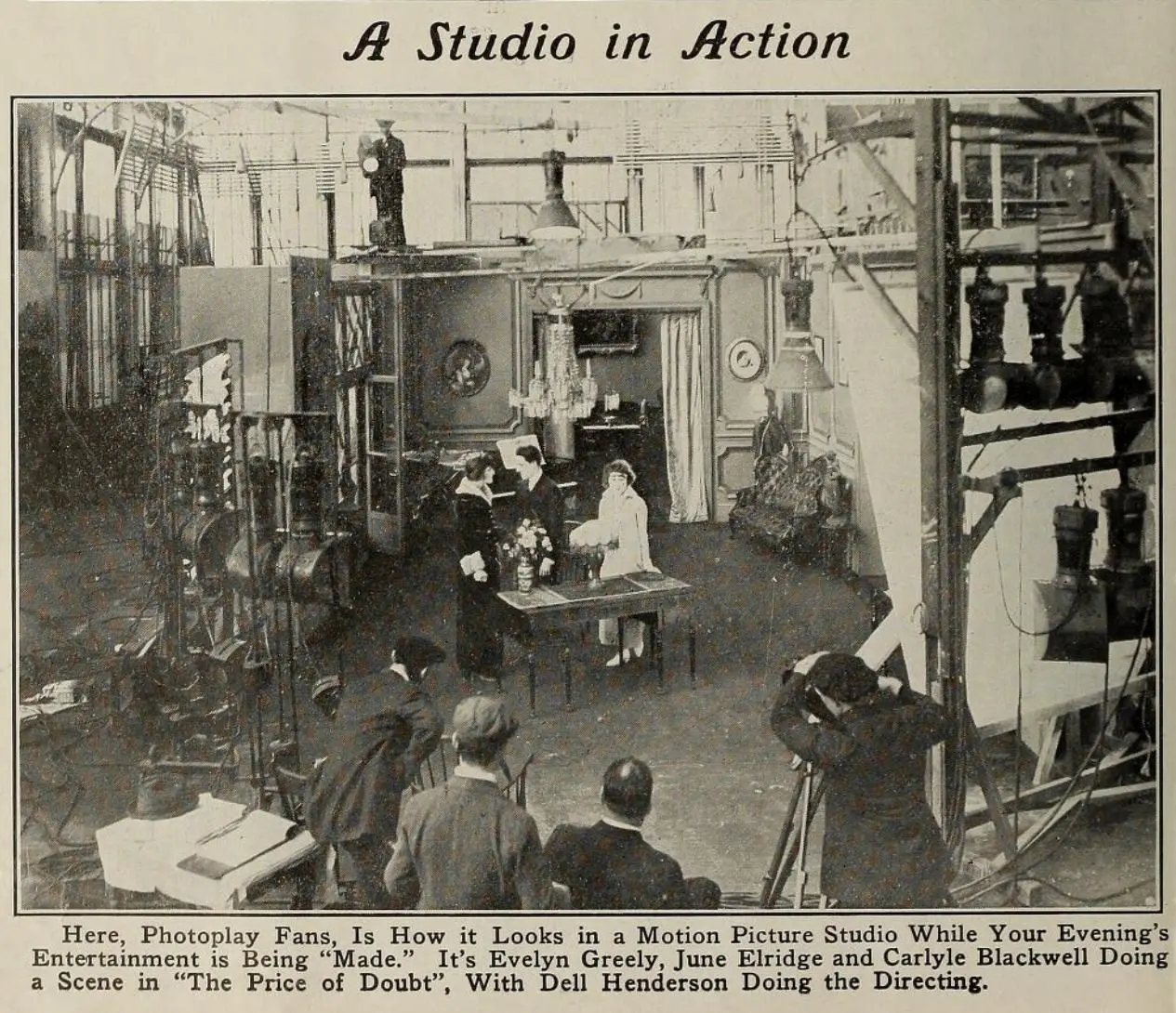
The craftsmanship, typical of its era, relies heavily on visual storytelling. The sets, though perhaps simple by modern standards, effectively convey the socio-economic status of the characters, from Paul's humble beginnings to the opulence of the Vale estate. The direction, while uncredited beyond the writers, expertly guides the audience's emotional journey through close-ups emphasizing the actors' expressive faces, and wider shots establishing the fraught dynamics between characters. The pacing builds steadily, culminating in a series of tense revelations and desperate actions. One can imagine the subtle shifts in lighting or the use of intertitles to heighten emotional impact, much like the careful construction seen in films like A Butterfly on the Wheel, where every visual cue contributed to the dramatic arc.
Three Green Eyes, while perhaps not as widely remembered as some of its contemporaries, offers a rich and rewarding viewing experience for those willing to delve into the nuances of silent film. It asks timeless questions: Can true love ever be truly extinguished? Can one truly escape the shadows of the past? And what defines genuine happiness – societal approval or personal fulfillment? The film's resolution, with Lucille's recovery of the note, leaves us with a sense of both relief and lingering uncertainty. What will be the ultimate fallout? Will the truth set her free, or merely create new complications? This open-endedness, a hallmark of compelling drama, ensures the story continues to resonate long after the final frame.
For enthusiasts of classic cinema, especially those fascinated by the intricate storytelling of the silent era, Three Green Eyes is more than just a historical artifact; it's a vibrant, emotionally charged drama that speaks to the universal human experience. It stands as a testament to the power of narrative, the skill of its performers, and the timeless appeal of a love story fraught with obstacles. It reminds us that sometimes, the most dramatic moments are not loud declarations, but the silent, unseen forces that shape our lives, much like the subtle, yet impactful, choices made in films such as The Straight Way. Its exploration of fate, choice, and the echoes of the past makes it a significant, if understated, piece of cinematic history, deserving of renewed attention and appreciation. The 'three green eyes' of the title, perhaps referring to a metaphorical gaze of destiny, or the watchful eyes of fate, certainly seem to oversee every twist and turn in this captivating narrative. It’s a film that compels one to ponder the roads not taken and the messages never received, a poignant reminder of how fragile and interconnected our lives truly are.
Cast: June Elvidge, Yusti Yama, Carlyle Blackwell, Montagu Love, Mathilde Brundage, Evelyn Greeley, Madge Evans, William Black, Jack Drumier, Dorothy Dee, Johnny Hines
Writers: Wallace Clifton, Victorien Sardou
IMDb 7.1
1916
Community
Log in to comment.