DbcultAccessing Vault...
5.1/10
Senior Film Conservator
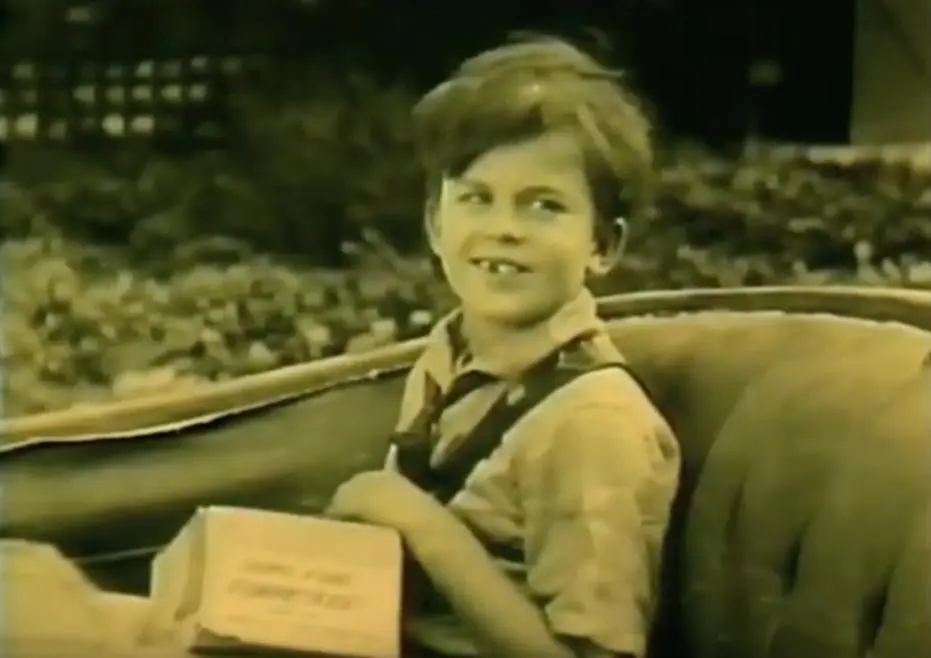
A definitive 5.1/10 rating for a film that redefined the boundaries of cult cinema. I'm the Sheriff remains a cornerstone of transgressive art.
Is 'I'm the Sheriff' worth watching today? Short answer: yes, but with significant caveats that ground it firmly in its historical context rather than any enduring universal appeal. This film is decidedly for those with a keen interest in silent era slapstick, early cinematic techniques, or the specific comedic stylings of Andy Gump, but it will likely frustrate viewers accustomed to modern narrative pacing or sophisticated humor.
Stepping back into the 1920s with 'I'm the Sheriff' is akin to opening a time capsule: you find something intriguing, perhaps even charming, but undeniably dusty. This Sidney Smith-penned short, featuring the bumbling Andy Gump, is a prime example of early cinematic comedy – loud, physical, and utterly devoid of subtlety. It's a film that demands a specific kind of viewing, one where historical appreciation often outweighs pure entertainment value.
The premise is delightfully simple, almost aggressively so: a dimwitted sheriff, a noisy neighbor, and a bag of firecrackers. From this slender thread, Smith and director (likely uncredited, as was common for shorts of this era) weave a tapestry of escalating absurdity that, for all its datedness, offers genuine insights into the comedic sensibilities of its era. It’s a film that champions the simple gag, the exaggerated pratfall, and the universal frustration of dealing with an incompetent authority figure.
This film works because of its raw, unadulterated commitment to physical comedy and the sheer, almost desperate energy of its performers. It’s a relentless assault of gags that, while often predictable by today's standards, convey a palpable enthusiasm for the burgeoning art form of cinema. The film also works as a vital historical document, showcasing the comedic archetypes and pacing that laid the groundwork for future generations of comedians and filmmakers.
This film fails because its humor is inextricably tied to a bygone era, often relying on broad stereotypes and a level of slapstick that can feel repetitive or even grating to a contemporary audience. The narrative is threadbare, offering little in the way of character development or emotional stakes, which can make it a challenging watch for those seeking more than surface-level antics.
You should watch it if you are a film historian, a silent movie enthusiast, or someone genuinely curious about the foundational elements of screen comedy. It’s also for those who appreciate the unique charm of early caricatures like Andy Gump, understanding that their appeal lies in their historical context rather than their timeless relatability. However, if your preference leans towards intricate plots, nuanced character arcs, or rapid-fire modern wit, 'I'm the Sheriff' is probably not the cinematic journey for you.
'I'm the Sheriff' doesn't just present a story; it presents a snapshot of early 20th-century American humor. Sidney Smith, the writer, was known for his work on the popular 'The Gumps' comic strip, from which Andy Gump originated. This film, therefore, is an extension of that established comedic brand, bringing the two-dimensional antics of the newspaper page to the nascent silver screen. The transition required a specific kind of exaggeration, a larger-than-life quality that silent film actors mastered out of necessity.
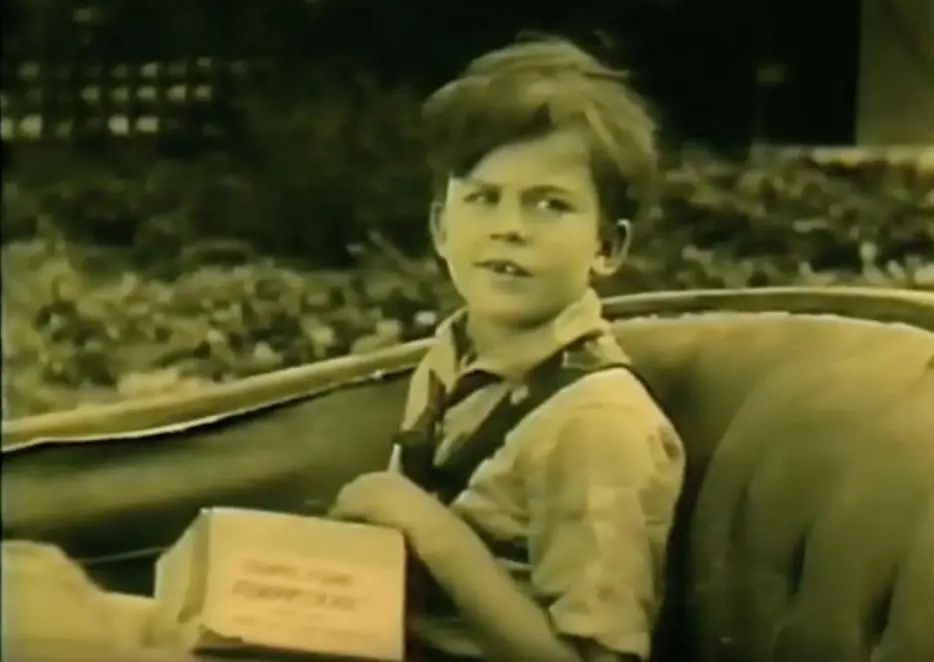
The film’s plot, revolving around a trivial neighborhood squabble, is merely a framework for a series of escalating physical confrontations. It’s less about narrative progression and more about the comedic potential of chaos. The 'dimwitted sheriff' archetype, embodied here by Andy Gump (likely played by Jack Morgan or Joe Murphy, given the cast list), is a familiar figure in silent comedy, serving as a foil for both the audience's frustrations and their laughter. His authority is constantly undermined, not by grand villainy, but by his own ineptitude and the sheer persistence of his antagonist.
What strikes a viewer today is the sheer simplicity of the conflict. A neighbor and some firecrackers. It’s almost quaint. Yet, within this simplicity, 'I'm the Sheriff' finds its comedic rhythm. The film leverages the universal annoyance of a disruptive neighbor and the inherent absurdity of an official who can't even manage his own block. It’s a comedy of errors built on the most basic human interactions, amplified to ridiculous proportions.
The direction in 'I'm the Sheriff,' while not attributed to a specific director in the provided context, adheres to the established conventions of early slapstick shorts. The camera is predominantly static, often placed at a medium-wide angle to capture the full scope of the physical gags. This allows the audience to witness the entirety of a pratfall, a chase, or an explosion without jarring cuts, immersing them fully in the physical comedy.
Pacing is breathless. Silent shorts, especially comedies, rarely lingered. They moved from one setup to the next with an almost frantic energy, understanding that sustained attention was best held through constant visual stimulation. In 'I'm the Sheriff,' this is evident in the rapid escalation of the firecracker feud. A single firecracker quickly becomes a volley, then an all-out bombardment, each explosion prompting a more exaggerated reaction from Andy Gump.
Consider the recurring gag where the neighbor (perhaps Bud Jamison, adept at playing gruff characters) gleefully lights a firecracker, tossing it just as Gump is passing. The camera holds, capturing Gump’s startled jump, his indignant huff, and then his futile attempts at retaliation. This sequence is repeated, each iteration building on the last, not through dialogue, but through the precise timing of the visual action and the actors' physical responses. This relentless, almost cyclical pattern of provocation and reaction is the film's comedic engine, a precursor to the sustained visual gags that would define later comedians like Buster Keaton and Charlie Chaplin, though without their nuanced character work.
There's a strange, almost meta-commentary in 'I'm the Sheriff' on the futility of petty conflict, disguised as pure silliness. The characters are locked in a trivial battle, endlessly repeating their actions, much like the repetitive nature of the gags themselves. It's a surprisingly insightful observation for such a straightforward comedy.
The success of silent comedy hinged entirely on the physical prowess and expressive capabilities of its actors. Without dialogue, every emotion, every intention, had to be conveyed through exaggerated gestures, broad facial expressions, and precise body language. The cast of 'I'm the Sheriff' delivers on this front with gusto, embodying the uninhibited spirit of early screen performance.
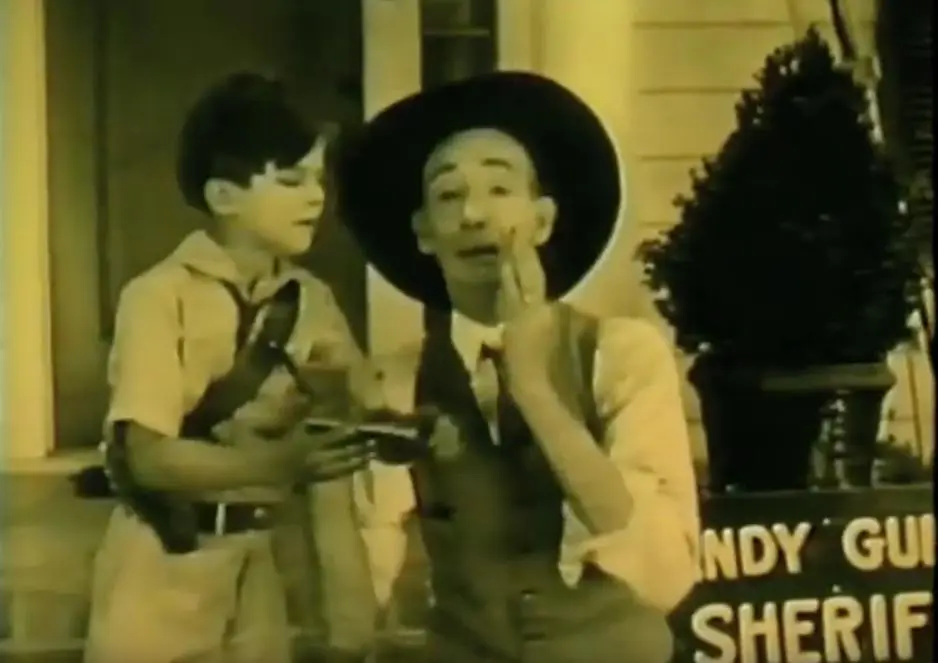
Andy Gump, whether played by Jack Morgan or Joe Murphy, is a masterclass in comedic incompetence. His default expression is often one of bewildered indignation, quickly shifting to outrage or panic. Watch how he puffs out his chest with mock authority when initially confronting his neighbor, only for his posture to instantly deflate the moment a firecracker detonates nearby. This physical elasticity is crucial, selling the character's inherent weakness despite his official title.
Fay Tincher, a prominent actress of the era, likely plays a key supporting role, perhaps as Gump's long-suffering wife or an equally exasperated bystander. Her reactions would have provided a grounded counterpoint to Gump's antics, often mirroring the audience's own incredulity. Bud Jamison, typically cast as a burly antagonist or foil, undoubtedly brings a robust, physical presence to the role of the firecracker-wielding neighbor. His glee in tormenting Gump is palpable, a silent villainy that is more mischievous than malicious.
The chemistry between these performers, though broad, is undeniable. Their interactions are a dance of aggression and evasion, each actor knowing precisely how to set up their partner for the next physical gag. It’s a testament to the ensemble nature of silent comedy, where timing and physical coordination were paramount. The film's 'dimwitted' protagonist, while a staple of the era, borders on insufferable at times, even for a silent comedy aficionado, yet the actors commit so fully to the bit that it somehow remains charmingly frustrating.
The cinematography of 'I'm the Sheriff' is rudimentary by today's standards, but highly effective for its purpose. Shot on black-and-white film, likely with natural light or basic studio lamps, the visuals are clear, if unadorned. There are no sweeping crane shots or intricate tracking movements. Instead, the camera serves as a straightforward observer, capturing the action as it unfolds, much like a stage play might be filmed.
This simplicity, however, is not a flaw. It forces the viewer to focus entirely on the performers and the physical comedy. Without color or sophisticated camera angles to distract, the exaggerated movements, the flailing limbs, and the wide-eyed expressions become the primary conveyors of meaning and humor. The tone is overtly lighthearted and farcical, despite the escalating 'violence' of the firecracker war. There's never a moment where the audience genuinely fears for the characters' safety; the stakes are purely comedic.
One particularly effective visual element is the use of wide shots to showcase the full range of physical action. When Andy Gump is chasing his neighbor, or vice-versa, the camera maintains enough distance to allow the viewer to appreciate the entire sequence of movement – the stumble, the sprint, the narrowly avoided collision. This stands in contrast to modern comedies that often rely on rapid cuts and close-ups to enhance a gag. Here, the sustained wide shot allows the viewer to absorb the full, often ridiculous, tableau.
The film's visual narrative is a masterclass in clarity. Even without intertitles (though some would have been used for dialogue or scene setting), the story of the feud is perfectly understandable through the actors' actions and reactions alone. It works. But it’s undeniably a product of its time, a raw, unpolished gem that paved the way for more refined visual comedies like The Down Grade or even later, more complex narratives like Strictly Modern.
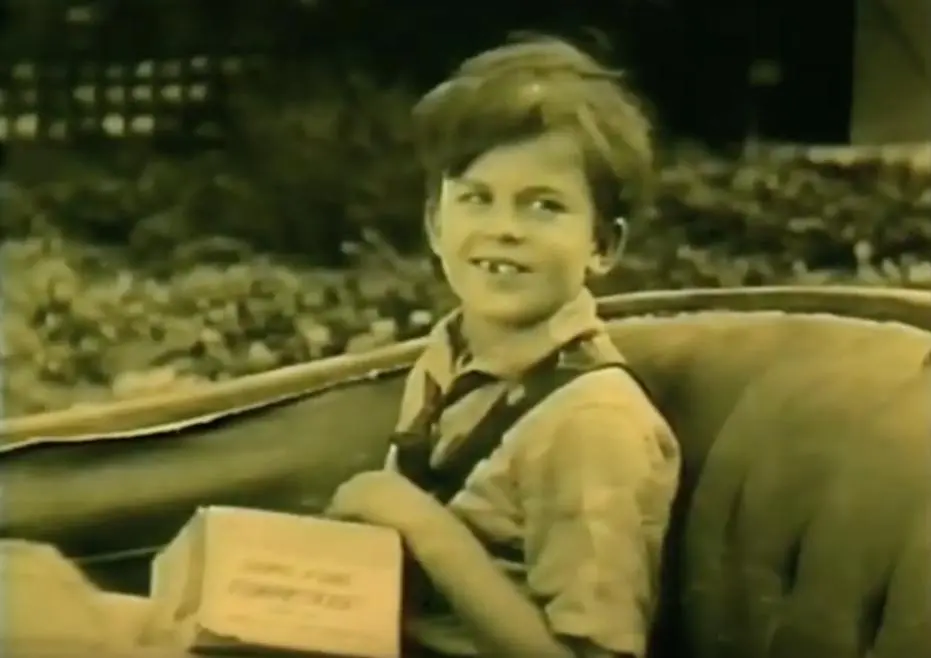
Is 'I'm the Sheriff' a timeless classic? No. Is it historically significant? Absolutely.
Will it make you laugh out loud like a modern comedy? Probably not in the same way. Will it offer a unique insight into the roots of screen humor? Undeniably.
This film is best appreciated by those with a specific interest in early cinema, silent film history, or the evolution of comedic tropes. It provides a valuable window into how humor was constructed and consumed a century ago.
For casual viewers seeking a quick laugh or a compelling story, 'I'm the Sheriff' might feel too simplistic, too slow, or too dated. Its humor is broad, its characters are caricatures, and its narrative is minimal. It requires a certain patience and an understanding of its historical context to truly enjoy.
However, for those willing to engage with it on its own terms, it offers a fascinating glimpse into the foundational elements of screen comedy, showcasing the raw energy and inventive spirit of an era defined by visual storytelling.
The comedic DNA of 'I'm the Sheriff' can be traced through decades of film and television. The archetype of the bumbling authority figure, the escalating neighborhood feud, the reliance on physical gags – these are not unique to this film, but rather foundational elements of comedic storytelling. Sidney Smith's work with Andy Gump, both in print and on screen, contributed to a popular culture that reveled in the misadventures of the everyman hero, or in this case, the everyman buffoon.
While 'I'm the Sheriff' might not be as widely celebrated as the works of Chaplin or Keaton, it represents the vast body of work that formed the bedrock of early Hollywood. These shorts, often quickly produced and widely distributed, were the training ground for actors, writers, and technicians. They allowed filmmakers to experiment with pacing, visual gags, and character types, refining the language of cinema one pratfall at a time.
One could argue that the very simplicity of its premise is its strength, making it universally understandable even across cultural and temporal divides. The frustration of a noisy neighbor, the absurdity of an incompetent official – these are timeless themes, even if presented through a very specific, now antique, comedic lens. The film's contribution lies not in its groundbreaking innovation, but in its unapologetic embrace of pure, unadulterated silliness, proving that sometimes, the simplest jokes land the hardest.
IMDb —
1929
Community
Log in to comment.