DbcultAccessing Vault...
Cult Review
Senior Film Conservator
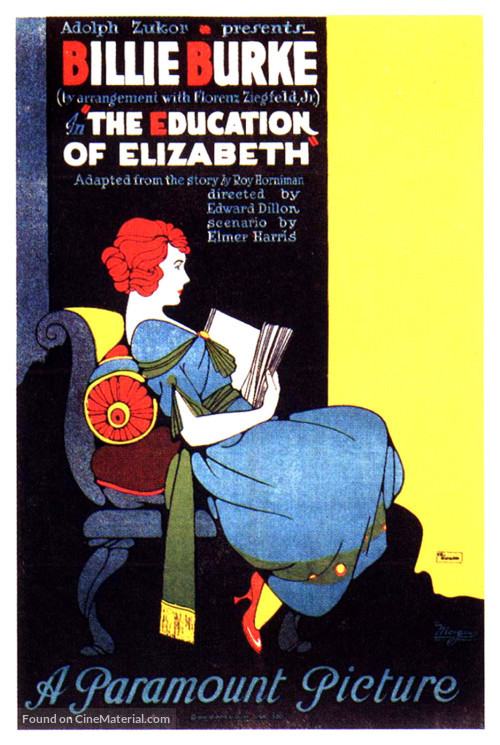
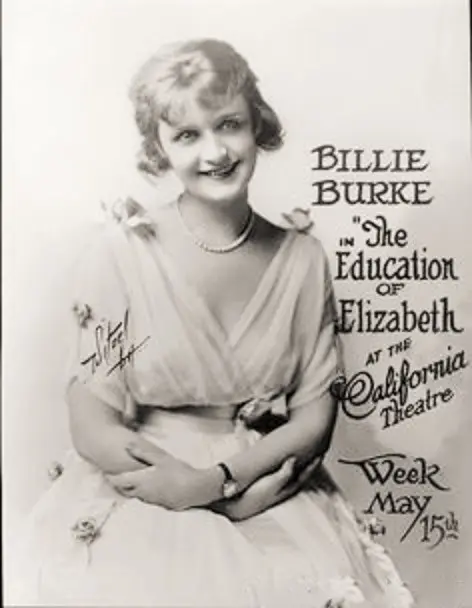
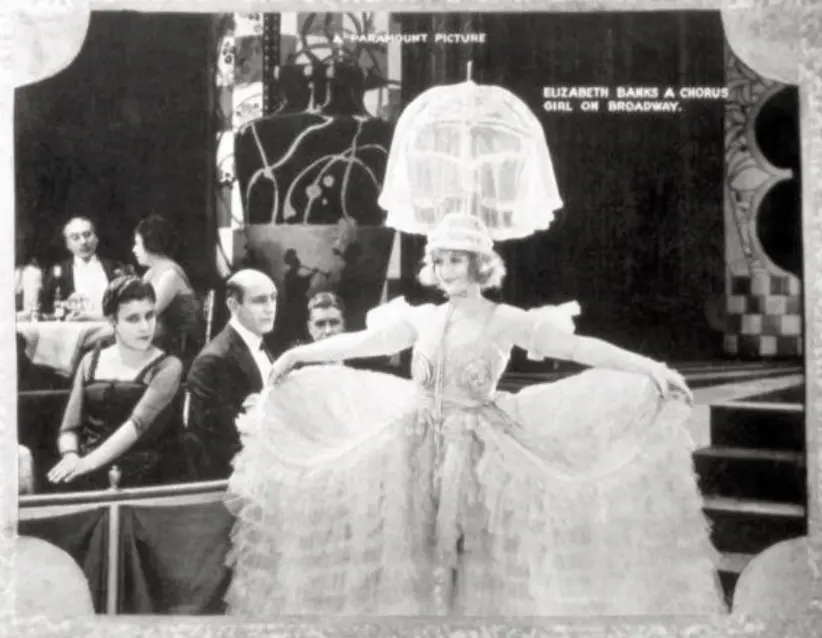
When Elizabeth (Edith Sharpe), a follies dancer with a mane of curls and a vocabulary as sharp as her stilettos, struts into the opulent but airless world of the Hare estate, she isn’t just disrupting social hierarchies—she’s conducting a cultural experiment. The Education of Elizabeth (1931), penned by Roy Horniman and Elmer Harris, is a buoyant yet incisive satire of class pretensions, performed with the precision of a Broadway revue and the heart of a coming-of-age fable. At its core is a question: can a woman who finds solace in a goldfish named Sir Fin outwit the gilded constraints of aristocracy? The answer unfolds in a tapestry of mistaken identities, literary allusions, and sibling rivalries that feel both anachronistically modern and startlingly familiar.
The film’s opening act is a masterstroke of tonal duality. Fredric March, as the dithering yet earnest Lord Anthony Hare, embodies the tragicomic archetype of the man out of time—his tweed jackets buttoned to the throat, his dialogue larded with archaic phrasing. March’s performance is a study in restrained frustration, his physical comedy (a perpetual half-smile, a twitch in the left eyelid) underscoring the tension between his family’s expectations and his inability to connect with Elizabeth. Enter Donald Cameron as the younger Hare brother, Timothy, a bookish recluse whose glasses and ink-stained fingers initially suggest a nonthreatening foil. But Cameron’s subtle physicality—a slouched posture that gradually straightens, a hesitant smile that gains confidence—hints at a latent charisma, a character arc that mirrors Elizabeth’s own metamorphosis from outsider to insider.
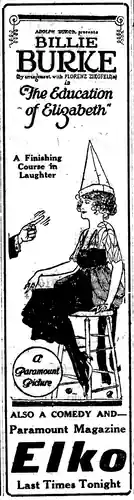
The goldfish, Sir Fin, is more than a pet; it is a narrative device of extraordinary depth. In a sequence that could have veered into bathos, Elizabeth’s confessions to the fish (“You’d marry me if you could, wouldn’t you, Fin?”) are rendered with such sincerity that the viewer begins to suspect the fish is the true love interest. This surreal touch, reminiscent of the absurdist flourishes in All That Glitters Is Not Goldfish, elevates the film from a standard rom-com into something more whimsically profound. The goldfish becomes a mirror for Elizabeth’s vulnerability—a creature both trivial and essential, much like her own position in a society that alternately idolizes and discounts women like her.
The film’s second act is a series of escalating farcical set pieces, each more inventive than the last. A dinner party where Elizabeth accidentally replaces the host’s wine with fish tank water (a gag that would make Billie Burke’s matronly hostess weep with laughter) is followed by a library scene in which Timothy, armed with a copy of The Iliad, attempts to seduce Elizabeth with literary erudition. These scenes are held together by the actors’ chemistry: Sharpe’s rapid-fire delivery and Cameron’s increasingly self-assured presence suggest a slow-burn romance that feels earned rather than contrived.
What sets The Education of Elizabeth apart from its contemporaries is its nuanced exploration of power dynamics. Unlike the transactional relationships in The Prodigal Liar, where wealth is a weapon, here money is a cage. The Hare family’s fortune is both a burden and a crutch, and Elizabeth’s refusal to be cowed by it is a quiet act of rebellion. Her final confrontation with Lord Anthony—delivered over a chessboard, of all things—is a tour de force of subtext. “You’ve been playing this game your way for too long,” she declares, her voice trembling with righteous fury, “but you forgot to ask if the board was the right size.”
Technically, the film is a marvel. The production design—crimson velvet drapes, gilded mirrors, a library that looks like it escaped from a Merchant Ivory film—creates a world that feels simultaneously grandiose and claustrophobic. The score, a mix of waltzes and syncopated jazz, mirrors the tonal shifts between the two worlds Elizabeth inhabits. And yet, for all its visual splendor, it is the performances that linger. Lumsden Hare’s portrayal of the beleaguered father, for instance, is a masterclass in understatement; his exasperated sighs and weary eye-rolls convey volumes about the generational rift within the family.
Critics of the time, including those at Modern Screen, praised the film’s “refreshing lack of sanctimony,” a quality that remains its greatest strength. Unlike the didacticism of Fortune’s Child, where moral lessons are delivered like proverbs from a pulpit, The Education of Elizabeth trusts its audience to draw their own conclusions. The final scene—Elizabeth and Timothy strolling through the estate gardens, Sir Fin now a symbol of their shared history—hints at a future where class barriers are not entirely erased but at least bent to accommodate love’s irreverence.
In retrospect, the film’s enduring appeal owes much to its refusal to condescend to its characters. Even Lord Anthony, initially a caricature of upper-class obfuscation, is granted moments of pathos. A late scene where he sits alone in the library, the fire casting long shadows on his face, reveals a man grappling with the fear of obsolescence. This complexity elevates the film from a mere period piece into a study of human adaptability. As Elizabeth’s goldfish might say, if only it could speak: “Survival means learning when to swim with the current and when to flip the tank.”
For modern viewers, The Education of Elizabeth is a time capsule and a provocation. Its treatment of gender roles—Elizabeth wields humor and intelligence as tools of resistance—feels ahead of its time, yet its class commentary remains frustratingly relevant. The film’s title, with its implication of a woman “being taught,” is undercut by the protagonist’s own agency in reshaping her destiny. It’s a contradiction that the filmmakers embrace rather than resolve, leaving the audience to ponder whether education is a one-way street or a dialogue.
In conclusion, this is a film that rewards repeat viewings with new layers of insight. For scholars of 1930s cinema, it is a fascinating artifact of the pre-Code era’s creative daring. For casual viewers, it is a delightfully witty romp through the follies of the rich and the resourcefulness of the self-made. And for anyone who’s ever felt like an outsider in a world that doesn’t quite fit, Elizabeth’s journey is a reminder that sometimes the best way to break a mold is to sit in it and laugh until it cracks.
IMDb —
1920
Community
Log in to comment.