DbcultAccessing Vault...
7.5/10
Senior Film Conservator
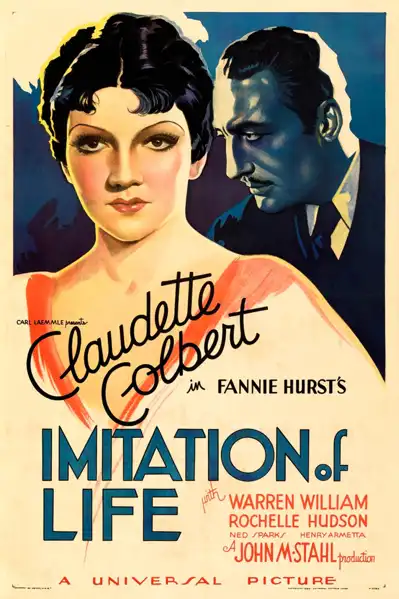
A definitive 7.5/10 rating for a film that redefined the boundaries of cult cinema. Imitation of Life remains a cornerstone of transgressive art.
Okay, look. If you're coming to 1934's Imitation of Life expecting something light, turn back now. This is a heavy watch, a real tear-jerker with themes that hit differently now than they did almost a century ago. If you appreciate classic Hollywood melodrama and want to see how racial issues were handled back then, it's absolutely worth seeing. But if you prefer modern pacing or can't stomach some seriously dated racial dynamics, you'll probably find it frustrating, maybe even upsetting. It's a fascinating, if sometimes uncomfortable, piece of film history. 🎭
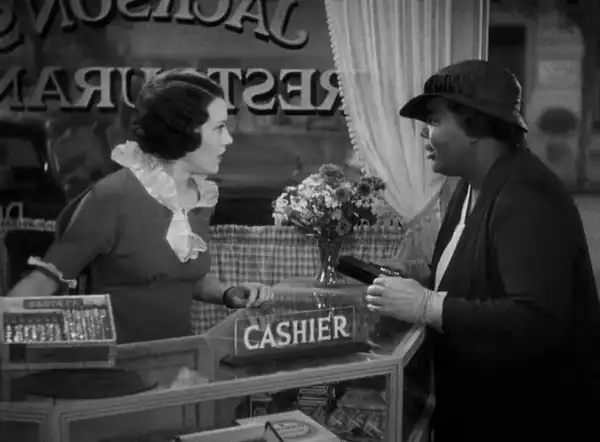
The story kicks off with Bea Pullman (Claudette Colbert), a widow just trying to make ends meet with her daughter, Jessie. She hires Delilah Johnson (Louise Beavers), a Black woman with her own fair-skinned daughter, Peola. They click, forming this unlikely partnership.
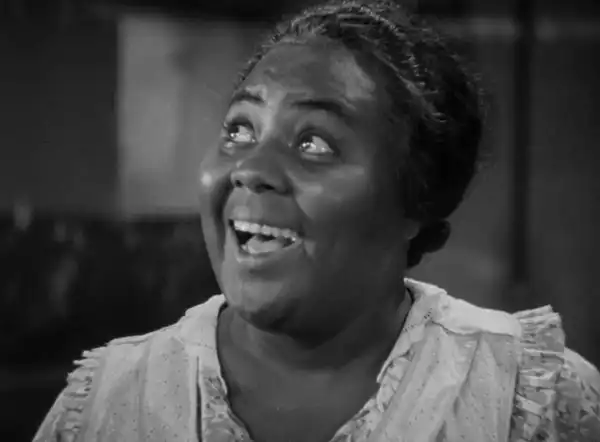
Bea, ever the go-getter, turns Delilah's amazing pancake recipe into a booming business. It’s wild, seeing them go from barely scraping by to having this massive pancake empire. But even with all that success, you can feel something just… off in their arrangement. Not quite equal, you know? 🥞
But the real emotional gut punch, the part that sticks with you, is Peola's story. Fredi Washington plays her as an adult, and her struggle is just heartbreaking. She's light-skinned, and all she wants is to pass as white.
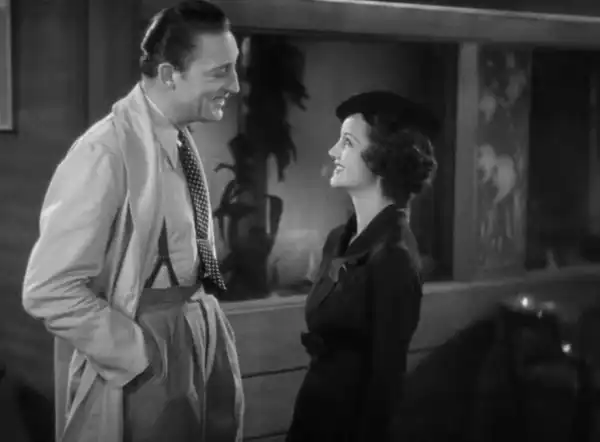
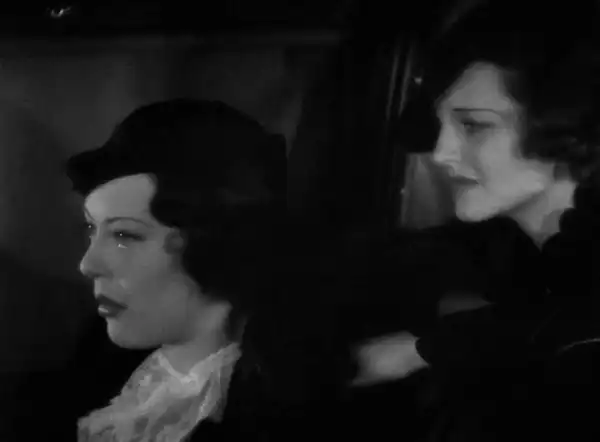
The way she pushes away her mother, Delilah, who loves her so fiercely, is tough to watch. There’s a scene where Peola just bolts from her mother, refusing to acknowledge her in public. It’s a quick, almost throwaway shot, but it tells you everything you need to know about the era's harsh racial lines. That particular pain, it feels very real, even now. 💔
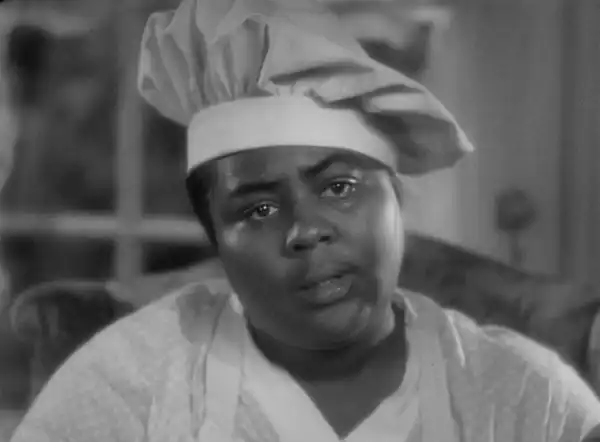
Delilah herself is a character who's really hard to square with today. She’s so loving, so giving, almost to a fault. She insists on being a housekeeper even after Bea and her are swimming in money. It’s like she can’t quite picture herself in any other role.
And the way she just hands over that amazing pancake recipe, never asking for a cut of the profits beyond her wages and a place to live? It makes you genuinely wince. You get why, given the time, but it still feels so unfair. Louise Beavers plays her with such warmth, though, you just ache for her. It's a performance that carries so much quiet dignity. 🙏
Bea's own romantic subplot with Stephen Archer (Warren William) feels a bit secondary, honestly. It’s there, it provides some drama, but it’s not the core of the film. Her focus is always on that business and her daughter, Jessie.
And speaking of Jessie, her teen years are a whole other bag of melodrama, especially when she develops a crush on the same man as her mother. Classic Hollywood stuff. Some of those scenes with teenage Jessie, though, they feel a little drawn out. Like, they linger on her reaction shots a bit too long, trying to make sure you get the angst. It’s not terrible, just… a bit much sometimes. 🙄
The ending. Oh, the ending. It's a huge, emotional spectacle. Delilah’s funeral is this massive event, almost like a parade, with all these people. You see Peola finally acknowledging her mother, but it’s just too late, isn't it? It's designed to make you cry, and honestly, it absolutely works.
But there’s also this slightly uncomfortable feeling, like the movie is trying to wrap up all these incredibly complicated racial issues in one big, tragic, 'everyone learns a lesson' bow. It's effective for sure, but also a bit… too neat, for such messy, messy themes. 😔
What really sticks out, beyond the big plot points, are these little things. Like the way the camera sometimes just hangs on Claudette Colbert’s face, catching her subtle shifts in thought. Or the constant presence of those pancake boxes everywhere, a symbol of their success but also the source of so much unspoken tension. And the dresses! The costumes are just gorgeous throughout. You can tell a lot of care went into that, the fabrics, the cuts. The dialogue, sometimes it feels a bit stilted, very 'stagey' in that way old movies often do. But then there are lines that just land with real force. It’s a real mix. 👗
IMDb —
1927
Community
Log in to comment.