DbcultAccessing Vault...
Cult Review
Senior Film Conservator
Is 'Suite Homes' a film that holds up in the modern cinematic landscape? Short answer: absolutely, but with significant caveats that demand a specific kind of viewer. This O. Henry adaptation, a relic from an earlier era, offers a fascinating glimpse into storytelling that prioritizes character and subtle irony over explosive spectacle, making it a compelling watch for film historians and those with a taste for classic narrative structures.
It’s a film ideally suited for cinephiles who appreciate the nuances of silent-era performances and the narrative craftsmanship of one of America’s most beloved short story writers. However, it is decidedly not for audiences accustomed to rapid-fire pacing, overt exposition, or the kind of visual bombast prevalent in contemporary blockbusters. Its deliberate rhythm and reliance on visual storytelling require patience and an open mind.
This film works because: It masterfully adapts O. Henry’s signature ironic twists and deep human observation to the visual medium, leveraging the expressive power of its cast to convey complex emotions without dialogue.
This film fails because: Its pacing can feel excruciatingly slow by today's standards, potentially alienating viewers unfamiliar with the deliberate rhythm of early cinema, and its thematic subtlety might be lost on those expecting overt messaging.
You should watch it if: You are a student of early film, an admirer of O. Henry’s literary style, or someone seeking a thoughtful, character-driven piece that prioritizes quiet introspection over dynamic action.
'Suite Homes' isn't merely a film; it's a window into a bygone era of storytelling, particularly the distinct narrative voice of O. Henry. The film, directed with a keen eye for human foibles and aspirations, attempts to translate the author's renowned blend of wit, pathos, and the inevitable surprise ending onto the silver screen. It’s a challenging endeavor, as O. Henry’s charm often lies in his prose, in the internal monologues and clever turns of phrase that define his short stories.
Yet, 'Suite Homes' largely succeeds in capturing this elusive spirit. The narrative, which ostensibly follows the intertwining lives of city dwellers — perhaps a struggling artist, a socialite on the brink, and an aspiring professional — all connected by their relationship to the idea of a 'suite home,' unfolds with a careful, almost architectural precision. The film uses its visual language to build anticipation for the inevitable, often poignant, reveal.
The strength of this adaptation lies in its commitment to the source material's thematic core: the often-ironic gap between appearance and reality, and the unexpected dignity or despair found in ordinary lives. It doesn't just tell a story; it presents a philosophical inquiry into what truly constitutes a 'home' and the societal pressures that define our pursuit of it.
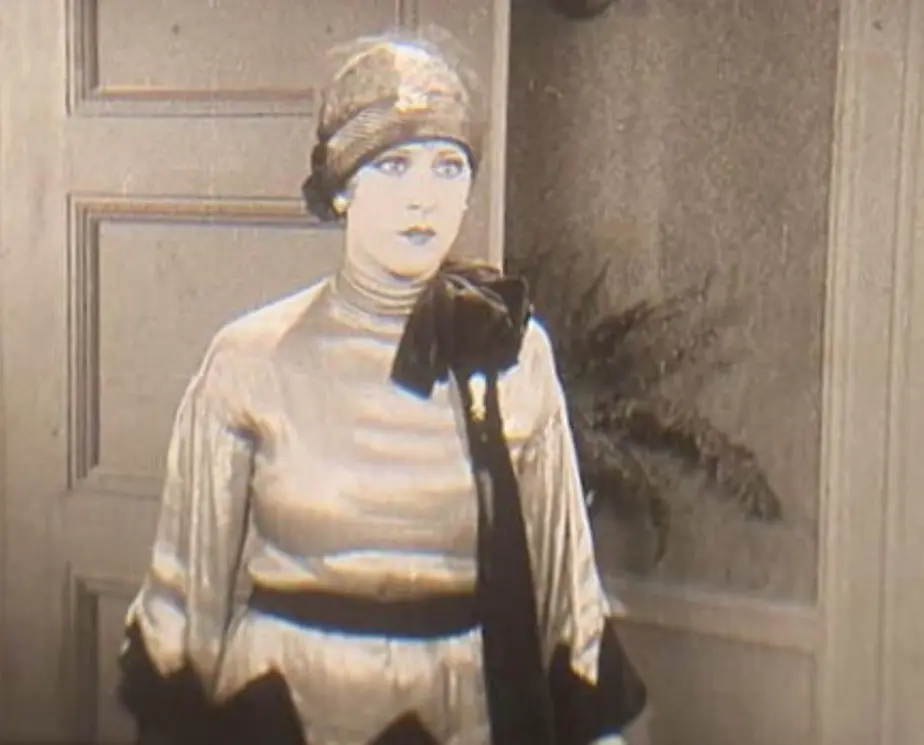
The ensemble cast, featuring Marjorie Beebe, Ernest Shields, and Anita Garvin, is the undisputed heart of 'Suite Homes.' Their performances, devoid of spoken dialogue, rely entirely on physical expression, nuanced gestures, and the power of their eyes. Beebe, in particular, delivers a performance that oscillates between hopeful naiveté and quiet resignation, often within the span of a single scene.
Consider, for instance, a sequence where Beebe’s character, perhaps a young woman dreaming of a better life, gazes longingly at a luxurious apartment building across the street. Her subtle shift in posture, the slight downturn of her lips, and the wistful quality in her gaze communicate a profound depth of longing and aspiration. It’s a masterclass in silent emoting, conveying volumes without a single intertitle card.
Ernest Shields, often cast in roles demanding a certain earnestness, brings a grounded sincerity to his character. His interactions with Garvin’s perhaps more pragmatic or even cynical character create a dynamic tension that underpins much of the film’s emotional landscape. The way Shields conveys frustration through a clenched jaw or determination through a purposeful stride is remarkably effective. He doesn't just act; he embodies the struggle.
Anita Garvin, known for her expressive range, adds a layer of sophisticated complexity. Her character, whether a socialite or a woman of independent means, uses subtle smiles and knowing glances to suggest an inner world far more intricate than her outward demeanor. One particular scene, where she observes the folly of another character's grand pronouncements, with just a slight tilt of her head and a barely perceptible smirk, is an understated triumph of screen acting. These performances elevate 'Suite Homes' beyond a mere story into a human experience.
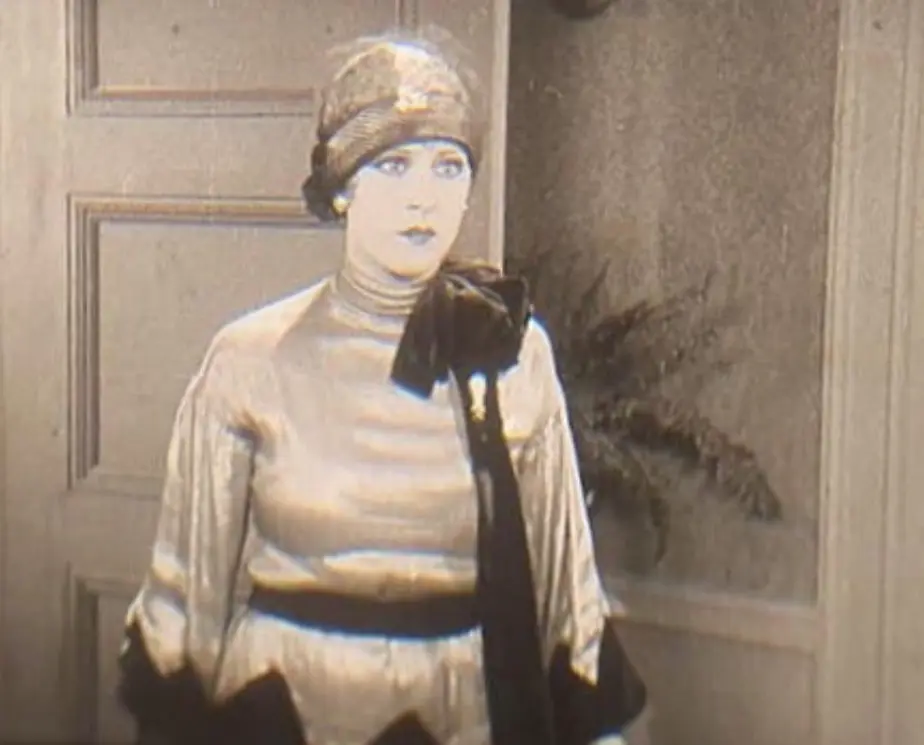
The direction of 'Suite Homes' is characterized by its restraint and its unwavering focus on the human element. The director understands the power of the close-up in silent film, using it judiciously to highlight emotional states and reactions. There’s an intelligent use of establishing shots that not only ground the narrative geographically but also immediately convey the social strata of the characters’ environments.
For instance, the stark contrast between a bustling, grimy street scene and the opulent, clean lines of a 'suite home' interior is not just visual flair; it’s a thematic statement. The camera often lingers on significant objects — a letter, a key, a framed photograph — imbuing them with narrative weight long before their full importance is revealed. This is classical storytelling at its finest, where every visual element serves the story.
The cinematography, while perhaps not groundbreaking for its era, is undeniably effective. The use of natural light, where possible, lends an authentic quality to the domestic scenes, while carefully constructed artificial lighting creates mood and atmosphere in more dramatic moments. Shadows are used not just as aesthetic elements but as narrative devices, hinting at secrets or obscuring truths, particularly in moments leading up to an O. Henry twist.
A notable example is a scene involving a dimly lit hallway, where two characters, perhaps Shields and Garvin, pass each other, their faces momentarily illuminated by a single, flickering light source. The brief exchange of glances, half-hidden in shadow, speaks volumes about their unspoken history or future entanglement. It's a testament to the crew's ability to create tension and intrigue with limited technical means, a skill often overlooked in today's CGI-heavy productions.
The pacing of 'Suite Homes' is, by modern standards, slow. This isn't a flaw, but a deliberate choice that mirrors the narrative style of O. Henry himself. His stories often build slowly, meticulously laying out characters and circumstances before delivering the unexpected punchline. The film adopts this rhythm, allowing scenes to breathe, giving the audience time to absorb the visual information and infer character motivations.
This deliberate speed allows for a rich emotional resonance to build. When the inevitable twist arrives, it feels earned, not rushed. It works. But it’s flawed. The challenge for contemporary viewers is to adjust to this unhurried tempo, to appreciate the quiet build-up rather than demand immediate gratification. This is where many will struggle, and it's a valid criticism for those seeking immediate engagement.
The tone of 'Suite Homes' is a delicate balance of lighthearted observational comedy and poignant social commentary. There’s a warmth in its portrayal of human striving, but also a sharp, sometimes melancholic, edge when revealing the illusions people cling to. It avoids becoming overly sentimental, thanks to O. Henry's inherent cynicism, which is faithfully translated to the screen. The film finds humor in human folly but never mocks its characters.
A particular strength is its ability to evoke empathy even when characters are making questionable choices. The tone ensures that even when the narrative delivers an ironic blow, there's a sense of understanding for the characters' motivations. This is a film that asks you to observe, rather than merely consume, a story.
In an age saturated with content, 'Suite Homes' offers a refreshing antidote to algorithmic predictability. Its narrative, while rooted in early 20th-century sensibilities, touches upon universal themes that remain acutely relevant today: the pursuit of status, the illusion of success, and the often-disarming truths found in everyday life. The desire for a 'suite home' – whether literal or metaphorical – is an enduring human aspiration, and the film explores the pitfalls and triumphs associated with that quest.
The film's exploration of class distinctions, even in its silent, understated manner, speaks volumes about the societal pressures that continue to shape our lives. We still judge, and are judged, by our homes, our possessions, and our perceived place in the social hierarchy. 'Suite Homes' reminds us that these struggles are not new, but rather timeless facets of the human condition. It’s a surprisingly modern film hiding in vintage attire.
Furthermore, for anyone interested in the evolution of cinema, 'Suite Homes' is a vital piece of the puzzle. It showcases how narratives were constructed and conveyed before the advent of sound, relying purely on visual cues and the power of performance. Comparing its storytelling techniques to contemporary films like Remember or even something as recent as The Tired Business Man reveals just how much has changed, and how much has stayed the same, in the art of filmmaking.
'Suite Homes' is not merely a film to be watched; it is an experience to be savored. It’s a testament to the enduring power of O. Henry’s storytelling and the remarkable talent of silent-era performers. While its deliberate pace and reliance on visual subtlety may not appeal to everyone, for those willing to immerse themselves in its unique charm, it offers a deeply rewarding journey.
This film, much like a carefully preserved antique, might require a bit of dusting off, but its intrinsic value is undeniable. It stands as a powerful reminder that compelling narratives and profound human insights don't need sound or CGI to resonate. It asks for your attention, and in return, it offers a glimpse into the timeless dance between human aspiration and ironic reality. Highly recommended for the discerning viewer.
IMDb —
1916
Community
Log in to comment.