DbcultAccessing Vault...
Cult Review
Senior Film Conservator
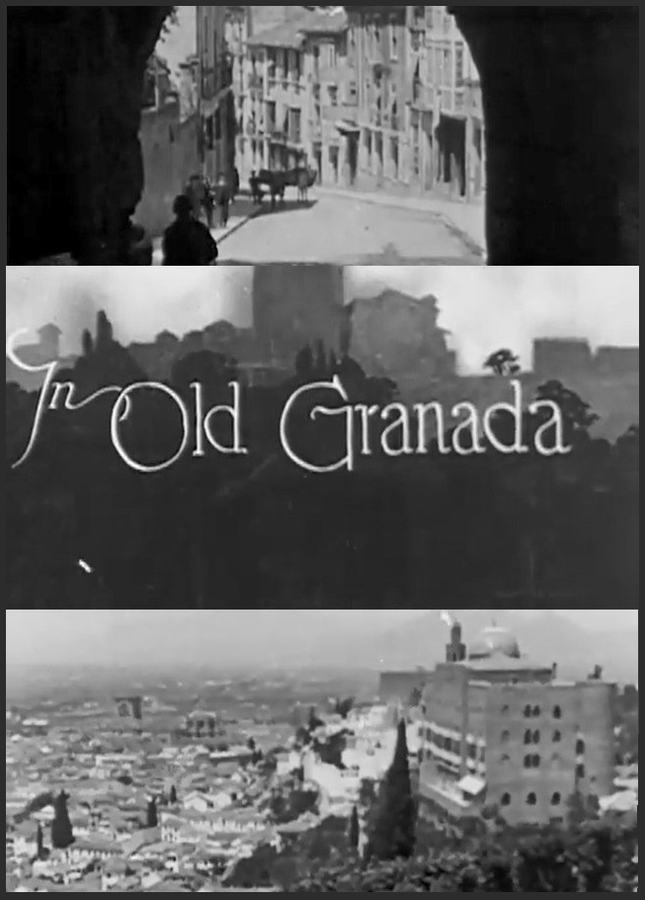
Burton Holmes, the indefatigable pioneer of the travelogue, once again transports us across continents and centuries with his exquisite "In Old Granada." This isn't merely a film; it's a meticulously crafted tapestry woven from light and shadow, capturing the very essence of a city steeped in history, romance, and an enduring mystique. From the moment the projector whirs to life, we are no longer passive observers but rather fellow travelers, guided by Holmes' discerning eye through the labyrinthine alleys and sun-drenched plazas of one of Spain's most enchanting destinations. It stands apart from the dramatic narratives prevalent in its era, offering a stark contrast to the fictionalized thrills of, say, The Floor Below, preferring instead the unadulterated reality of a living, breathing landscape. Holmes acts as an ocular ambassador, inviting us to witness Granada not as a mere backdrop, but as a vibrant character itself, rich in texture and narrative.
The film's opening gambit is nothing short of breathtaking: a slow, deliberate pan across the sprawling vista of Granada, viewed from the elevated majesty of Alhambra Hill. This initial sweep is more than just an establishing shot; it's an invitation, a grand unveiling of a city whose very topography whispers tales of conquest and coexistence. The Moorish architectural heritage dominates the skyline, a testament to centuries of sophisticated design and cultural fusion. One can almost feel the weight of history emanating from the ancient stones, a tangible sense of continuity that grounds the viewer firmly in this timeless place. It's a visual poem, painting a broad strokes portrait before diving into the intimate details, much like a skilled cartographer first shows the continent, then the country, then the city. The sense of scale, the intricate network of streets, and the surrounding natural beauty converge to create an almost spiritual sense of place, a feeling that this city has witnessed countless epochs and holds countless stories within its ancient heart.
Holmes then guides us to a profound historical tableau: the imposing statue of Queen Isabella, her regal presence approving the ambitious plans of Christopher Columbus. This moment, frozen in bronze, encapsulates a pivotal turning point in global history, a stark reminder of Granada's strategic importance even after the Reconquista. The camera lingers, allowing us to contemplate the immense implications of this patronage, a decision that literally reshaped the world. Adjacent to this monument to empire, the film gracefully transitions to the serene presence of the River Darro, its waters flowing gently through the city, a timeless artery nourishing the urban fabric. Here, the hustle and bustle of daily life unfold with an unvarnished authenticity. Burros, laden with goods, navigate the narrow, winding streets, their sure-footed progression a rhythm of enduring tradition. We glimpse a church, its spire asserting the Christian legacy, and a vibrant fountain, a hub of communal life. The contrast between monumental history and everyday existence is beautifully rendered, a hallmark of Holmes' observational genius. Unlike the manufactured heroism of films such as The Greatest of These, Holmes finds his drama in the authentic pulse of life, in the quiet dignity of labor and the grandeur of historical memory.
Perhaps one of the most compelling segments of "In Old Granada" is its unflinching, yet respectful, portrayal of the city's gypsy community. Holmes does not shy away from capturing their unique way of life, from the simple, cave-like dwellings carved into the hillsides to the vibrant, expressive faces of the men and women who inhabit them. We see gypsy women adorned in traditional lace mantillas and the exquisitely embroidered Mantones, their shawls a riot of color and intricate design, adding a vivacious splash to the monochromatic canvas of the early film. These aren't caricatures; they are individuals, presented with a keen sense of their cultural identity and daily realities. There's a particular poignancy in the depiction of an elderly gypsy woman, her face etched with the wisdom of years and the sun, laboriously filling large jugs from a public water fountain. This intimate vignette transcends mere documentation; it’s a powerful, almost anthropological glimpse into the daily rituals and resilience of a community often marginalized, yet here, presented with dignity and a compelling sense of presence. It’s a far cry from the often-staged scenarios of early narrative cinema, instead aligning more with the raw, unfiltered observations one might find in a newsreel of the time, though with a far greater artistic sensibility than, say, the purely informational Allies' Official War Review, No. 3. Holmes captures moments that speak volumes about human experience, without the need for dramatic contrivance or fictionalized plot points like those in Spot Cash.
No tour of Granada would be complete without an extensive exploration of its crown jewel, the Alhambra, and Holmes devotes a substantial, richly detailed portion of his film to this architectural marvel. The camera guides us through its medieval castle ramparts
IMDb —
1914
Community
Log in to comment.