DbcultAccessing Vault...
5.8/10
Senior Film Conservator
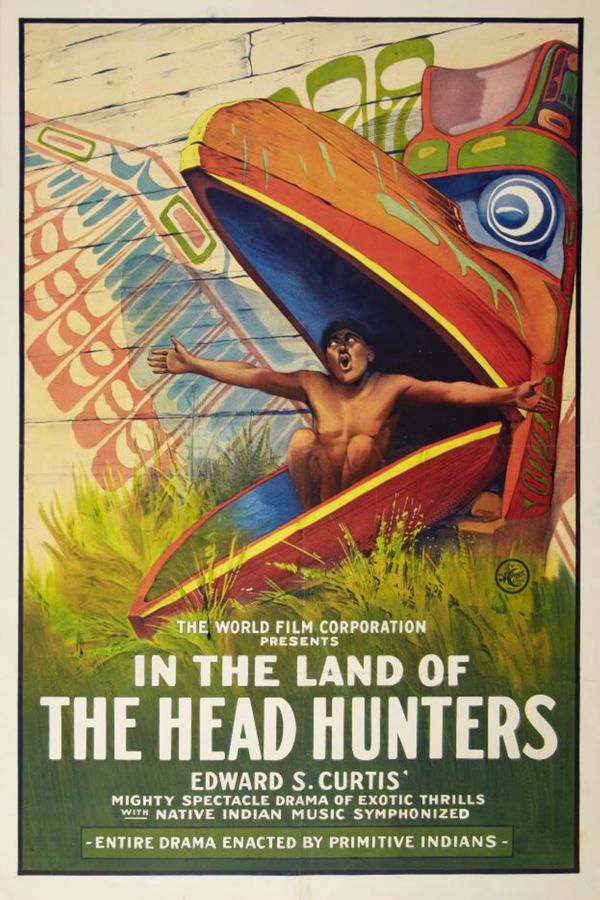
A definitive 5.8/10 rating for a film that redefined the boundaries of cult cinema. In the Land of the Head Hunters remains a cornerstone of transgressive art.
From the moment the screen flickers to life, the film immerses you in a world where the line between history and legend blurs. Edward S. Curtis, renowned for his ethnographic work, transposes his photographic eye onto the silver screen, producing a visual narrative that feels both documentary and epic. The opening shot—an expansive, mist‑shrouded shoreline of British Columbia—sets the tone: a place where the living and the dead converse in the language of firelight and cedar.
Maggie Frank steps into the role of the maiden, her face a study in restrained elegance that contrasts sharply with the wildness of the surrounding landscapes. Bob Wilson, as the chief’s son, embodies youthful defiance, his movements deliberate yet unpolished, mirroring the film’s own experimental ethos. The sorcerer, portrayed by Mrs. George Walkus, is a study in theatricality: exaggerated gestures, a cloak of swirling ash, and a voice that echoes through the silent frames.
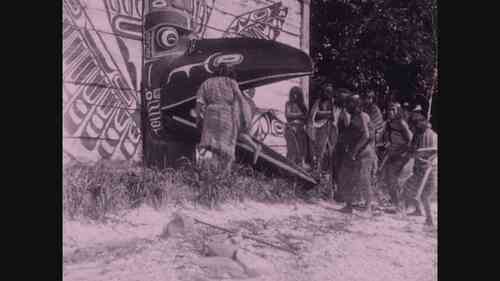
The supporting ensemble—Paddy ‘Malid, Balutsa, Francine Hunt, Alfred Charlie, Awidi, Stanley Hunt, Sarah Constance Smith Hunt, and Kwagwanu—collectively form a chorus that underscores the communal nature of Kwakiutl society. Each actor, whether in a moment of quiet contemplation or in the throes of a ritual dance, contributes to a tapestry of cultural authenticity.
The plot’s backbone is a classic hero’s journey, yet Curtis subverts expectations by grounding it in specific cultural rituals. The inciting incident occurs when the sorcerer steals a sacred totem, a theft that threatens to unravel the tribe’s spiritual equilibrium. The hero’s quest is two‑fold: retrieve the totem and win the maiden’s hand, a marriage that symbolizes unity and renewal.
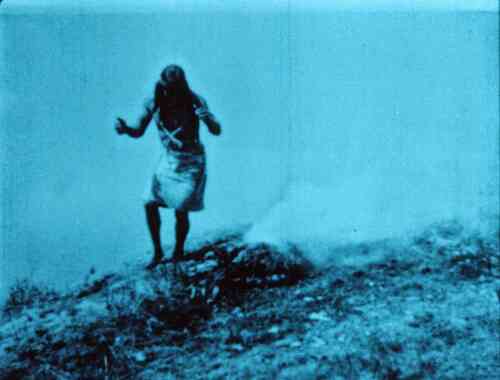
Curtis uses intertitles sparingly, preferring the visual language of movement and expression. The hero’s confrontation with the sorcerer culminates in a breathtaking showdown beneath a towering cedar, where fire, smoke, and the echoing chants of the tribe create a sensory experience that transcends the limitations of silent cinema.
Technically, the film is a masterclass in early 20th‑century cinematography. Curtis employs a shallow depth of field to isolate key characters, while wide shots capture the grandeur of the natural setting. The use of natural light—particularly during sunrise and sunset scenes—imbues the narrative with a mythic glow that feels almost otherworldly.
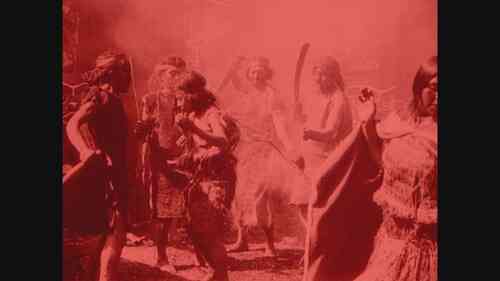
The film’s set design is notable for its authenticity. The ceremonial lodge, complete with carved masks and woven blankets, is painstakingly constructed to reflect genuine Kwakiutl architecture. This attention to detail elevates the film beyond mere spectacle, offering audiences a window into a culture rarely represented on screen.
At its core, the film interrogates the nature of power—both spiritual and political—and its impact on communal identity. The sorcerer’s manipulation of ritual symbols serves as a metaphor for colonial intrusion, while the hero’s reclamation of the totem echoes a broader narrative of cultural resilience.
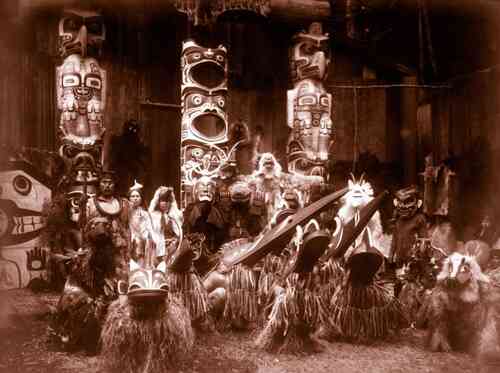
The film also navigates the delicate balance between preserving cultural heritage and engaging in storytelling for a global audience. Curtis, through his lens, offers a critique of the very act of representation, acknowledging the potential for misinterpretation while striving to honor his subjects’ authenticity.
When placed alongside contemporaneous works such as The Redemption of White Hawk, the film reveals shared concerns about indigenous representation and the moral responsibilities of filmmakers. Both films grapple with the portrayal of Native peoples, yet *In the Land of the Head Hunters* leans more heavily into mythic storytelling, whereas *The Redemption of White Hawk* adopts a documentary‑style realism.
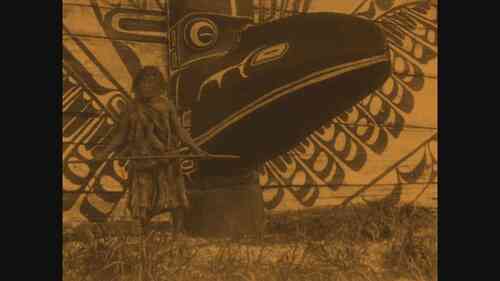
The religious undertones of the narrative also invite comparison to The Life and Passion of Christ. While the latter depicts Christian martyrdom, both films share an emphasis on sacrifice and redemption as central to their protagonists’ arcs.
Upon its release, the film drew critical acclaim for its ambitious storytelling and cultural sensitivity. Contemporary reviews praised Curtis’s ability to translate complex rituals into accessible visual metaphors, noting that the film “captures the soul of a people who have long been unseen by the wider world.”
In modern times, the film is regarded as a pivotal work in the canon of early cinema, often cited in academic discussions of representation and ethnography. Its influence can be traced through later works that sought to blend documentary authenticity with cinematic drama, such as Les misérables and The Hopeful Crime.
*In the Land of the Head Hunters* remains a testament to the power of visual storytelling. Its blend of myth, cultural reverence, and cinematic innovation offers a rich experience that transcends its silent format. Whether you are a film aficionado, a student of cultural studies, or simply a curious viewer, this 1910 epic invites you to step into a world where bravery, love, and the fight against darkness converge beneath the towering cedars of British Columbia. Its legacy endures, reminding us that the most enduring stories are those that honor both the spirit of their subjects and the imagination of their creators.

IMDb 6.1
1936
Community
Log in to comment.