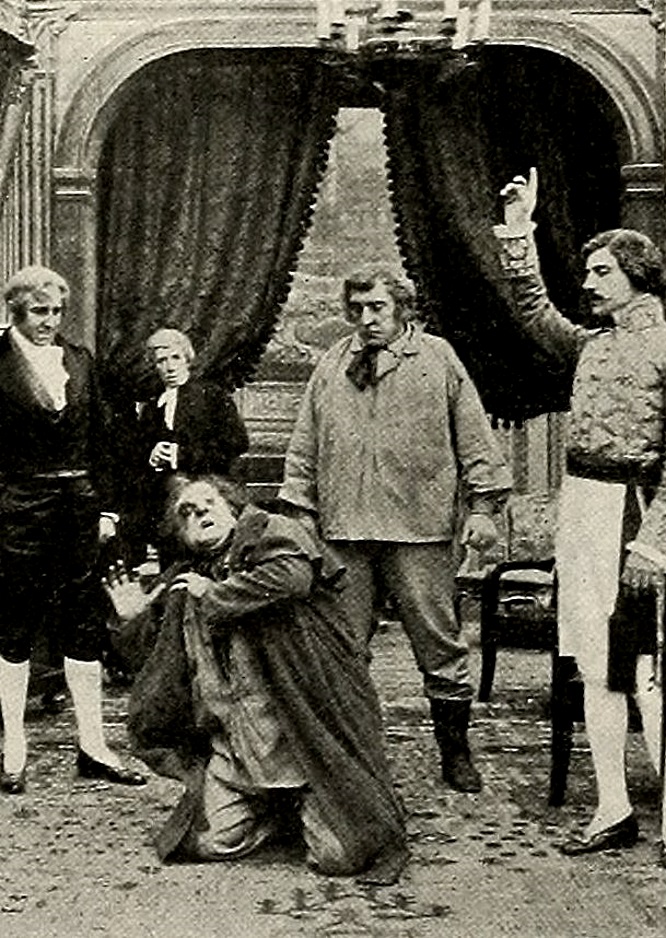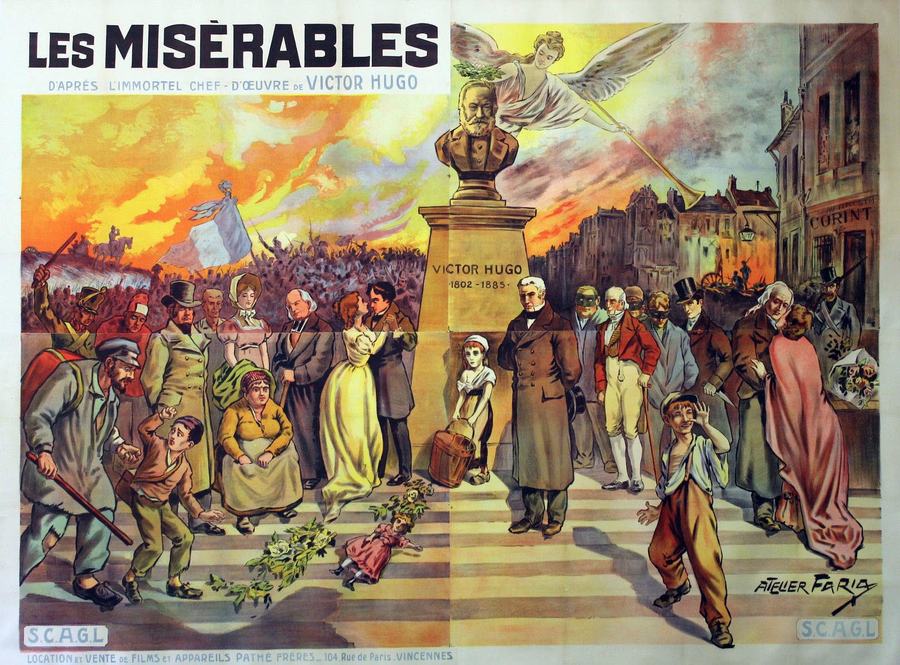
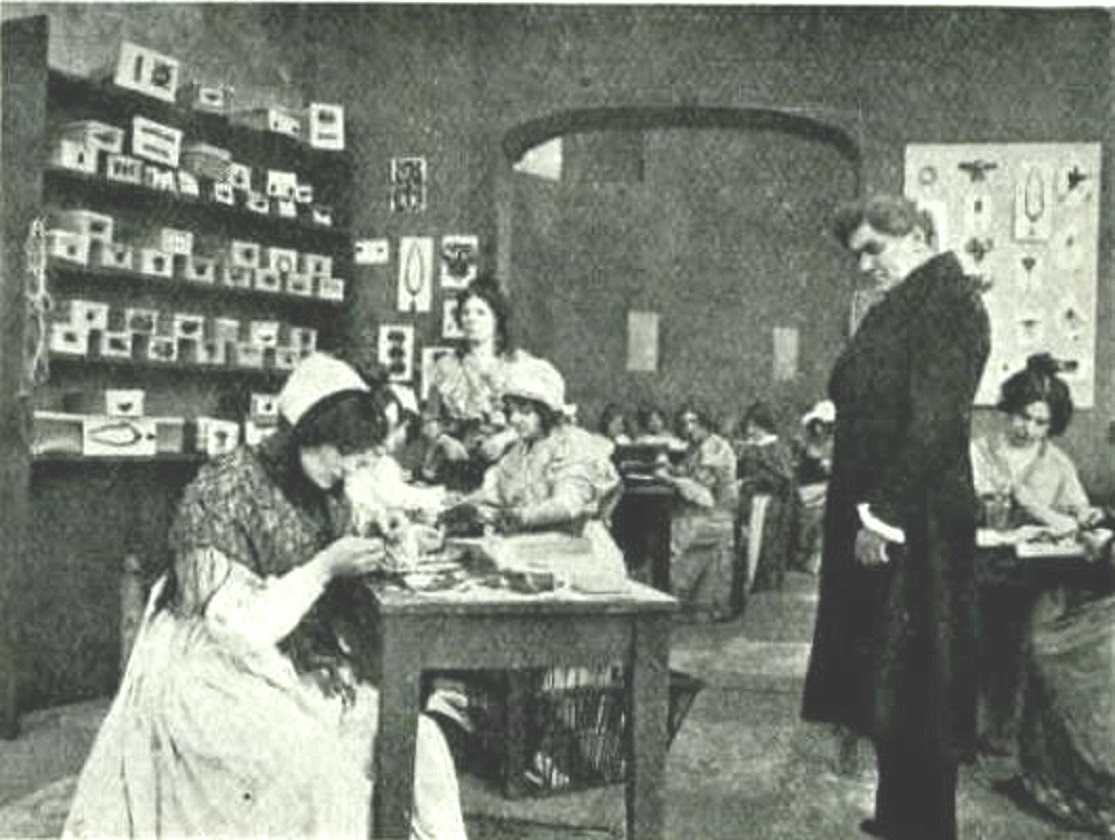
First feature length French film adaptation of the story of former convict Jean Valjean who is hunted down by ruthless inspector Javert in mid 19th century France. Released in four parts, like a serial.
Paul Capellani, Victor Hugo
France
The year 1912 stands as a monumental meridian in the history of the moving image, a period where the medium finally shed its swaddling clothes of short, anecdotal 'scènes' to embrace the staggering breadth of the 'long métrage.' At the vanguard of this revolution was Albert Capellani, a director whose sensibilities wer...
Comparing the cinematic DNA and archive impact of two defining moments in cult history.
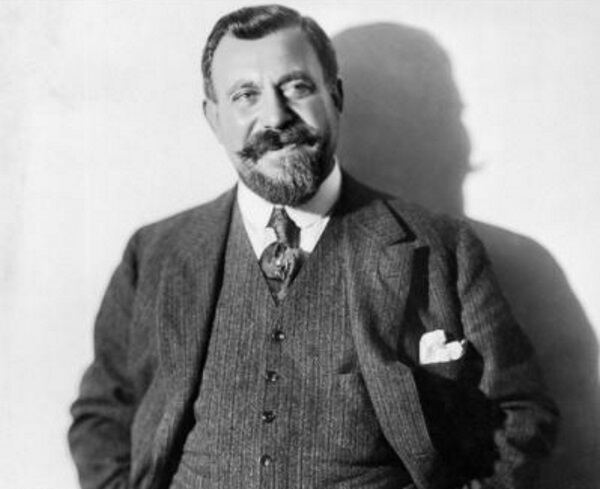
Albert Capellani
Albert Capellani
Community
Log in to comment.
"The year 1912 stands as a monumental meridian in the history of the moving image, a period where the medium finally shed its swaddling clothes of short, anecdotal 'scènes' to embrace the staggering breadth of the 'long métrage.' At the vanguard of this revolution was Albert Capellani, a director whose sensibilities were steeped in the theatrical tradition but whose vision was undeniably cinematic. His adaptation of Les Misérables is not merely a film; it is a sprawling, multi-part testament to t..."
Deep dive into the cult classic
Discover similar cinematic experiences
A Directorial Spotlight on Albert Capellani