DbcultAccessing Vault...
5.1/10
Senior Film Conservator
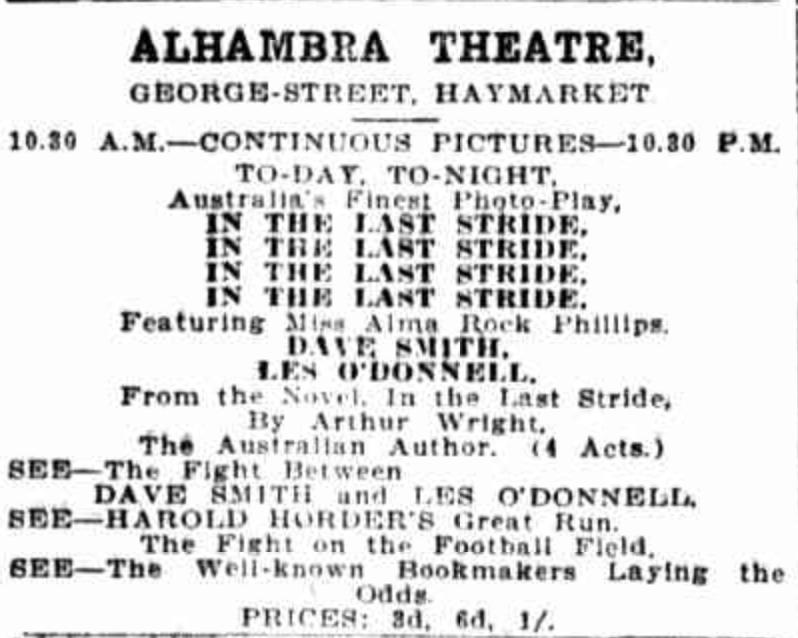
A definitive 5.1/10 rating for a film that redefined the boundaries of cult cinema. In the Last Stride remains a cornerstone of transgressive art.
Stepping into the world of 'In the Last Stride' is akin to unearthing a forgotten cinematic gem, a testament to the enduring power of narrative when filtered through the lens of human struggle and triumph. Arthur Wright's vision, brought to vivid life by a dedicated ensemble, delivers a compelling drama that resonates far beyond the confines of the racetrack. This isn't just a film about horses and jockeys; it's a profound exploration of legacy, redemption, and the relentless pursuit of a dream against a backdrop of crushing expectation and formidable opposition.
At its core, the film is an intricate character study of Rock Phillips, a man whose very name suggests a stoic resilience, yet whose eyes betray a weariness born of past failures and a heavy inheritance. Phillips, as portrayed by himself, is not merely a protagonist but an archetype – the underdog burdened by the weight of a once-illustrious family name now fading into obscurity. His performance is a masterclass in understated pathos, conveying more through a furrowed brow or a determined gaze than pages of dialogue ever could. We see a man grappling with the ghosts of his ancestors, their triumphs and their missteps, all converging on his shoulders as he pins his hopes on 'Phoenix Rising,' a horse whose name itself is a metaphor for his own desperate yearning for rebirth.
The narrative arc is expertly crafted, building tension with a slow, deliberate burn that eventually ignites into a fervent blaze. From the dusty training grounds to the opulent boxes of the elite, Wright meticulously paints a portrait of the racing world – a milieu both glamorous and brutal, where fortunes are won and lost in the flicker of an eye. The initial scenes establish Phillips's predicament, his dwindling resources, and the skepticism of those around him. There's a palpable sense of desperation, yet it's tempered by an unwavering resolve that makes Phillips an inherently sympathetic figure. This isn't the bombastic, overt heroism often seen in later sports dramas; instead, it’s a quiet, internal battle fought with grit and an almost spiritual connection to his equine partner.
The antagonist, Dunstan Webb, played with a sneering arrogance by himself, serves as the perfect foil. Webb embodies the soulless commercialism and cutthroat ambition that threaten to engulf the sport's more traditional, heartfelt ethos. His sleek stables, his impeccably groomed horses, and his condescending demeanor create a stark contrast to Phillips's more humble, hard-won existence. The rivalry isn't just personal; it's a clash of ideologies, a microcosm of the changing times. Webb's 'Titan's Fury' is a powerful, almost mechanical beast, a symbol of brute force and financial might, standing in stark opposition to the more nuanced, emotional bond Phillips shares with 'Phoenix Rising.' This dynamic elevates the film from a simple sports story to a commentary on class, tradition, and the relentless march of progress.
The supporting cast provides rich texture to this intricate tapestry. Alma Rock Phillips, whose performance is a quiet revelation, portrays the steadfast partner, the bedrock of emotional support amidst the swirling chaos. Her character is not merely a love interest but a pillar of strength, her silent encouragement and unwavering belief in Phillips providing the emotional ballast he so desperately needs. In an era where female characters were often relegated to decorative roles, Alma stands out as a woman of substance, her resolve mirroring Phillips's own. Les O'Donnell, as the loyal stable hand, brings a touch of grounded realism and an endearing gruffness that anchors the more dramatic elements. His unwavering faith in Phillips and 'Phoenix Rising' provides a heartwarming counterpoint to the pervasive doubt.
Cinematically, 'In the Last Stride' is a marvel for its time. The camera work, particularly during the racing sequences, is remarkably dynamic and immersive. One can almost feel the thundering hooves, the wind whipping past, and the intense concentration of the jockeys. The use of close-ups on the horses' eyes and Phillips's determined face during the climactic race is particularly effective, conveying the sheer will and raw emotion involved. The pacing, while deliberate in its build-up, accelerates dramatically as the Grand Steeplechase approaches, creating an almost unbearable tension. Wright demonstrates a keen understanding of visual storytelling, allowing the images to speak volumes, a hallmark of powerful silent cinema.
The film's thematic depth is one of its most compelling aspects. It delves into the nature of ambition – both noble and corrupt – and the often-elusive concept of redemption. Phillips's journey is not just about winning a race; it's about reclaiming his honor, restoring his family's legacy, and proving his own worth. This resonates with the profound character studies found in films like The Impersonation, where identity and self-worth are intricately tied to one's actions and perceived failures. Here, Phillips isn't impersonating anyone, but rather trying to re-embody the greatness that once defined his family name. The film also touches upon the idea of fate versus free will, suggesting that while circumstances may conspire against us, it is our indomitable spirit in the 'last stride' that ultimately shapes our destiny.
The Grand Steeplechase itself is a masterclass in cinematic suspense. The editing during this sequence is particularly noteworthy, intercutting between the frantic action on the track, the anxious faces in the stands, and the personal struggles of the characters. Each jump, each turn, each jostle for position feels fraught with consequence. The sound design, even in a film of its era, must have been revolutionary, with audiences likely feeling the visceral impact of the race. The tension is almost unbearable, reminiscent of the gripping, high-stakes drama found in The Cheat, where every moment is charged with potential disaster or salvation. The way Phillips navigates the obstacles, both physical and psychological, is a testament to his skill and courage.
The film’s climax, the eponymous ‘last stride,’ is a moment of pure, unadulterated cinematic exhilaration. Phillips, seemingly outmaneuvered and defeated, conjures a final, audacious burst of speed and strategy. It's a breathtaking sequence that encapsulates the entire film's message: that even when all hope seems lost, there remains a sliver of possibility, a chance to seize victory from the jaws of defeat. This moment of heroic defiance is not just a triumph for Phillips but a vindication of his belief in himself and his horse. It's a powerful emotional payoff that leaves the audience breathless and deeply satisfied.
Comparisons to other sports dramas might seem obvious, but 'In the Last Stride' carves its own unique niche. While The Golden Goal might share the theme of athletic competition, 'In the Last Stride' delves deeper into the psychological landscape of its protagonist, making the external battle a reflection of an internal one. The film's exploration of moral ambiguity and the darker side of competition also brings to mind the intricate power dynamics seen in films like The Mysterious Mr. Browning, where hidden motives and secret pasts drive much of the drama. Here, the mystery isn't who Browning is, but rather, who Phillips truly is beneath the veneer of a struggling jockey.
Moreover, the film's commentary on the evolving nature of sport and its commercialization feels remarkably prescient. The clash between Phillips's traditional, almost spiritual approach to horsemanship and Webb's purely mercenary tactics is a theme that continues to resonate in contemporary sports. This timeless quality is what elevates 'In the Last Stride' beyond a mere period piece, cementing its place as a significant work in the annals of early cinema. The film's ability to tackle such weighty themes while maintaining an engaging, fast-paced narrative is a testament to Arthur Wright's directorial prowess and the strength of his original screenplay.
The performances, particularly from Rock Phillips and Alma Rock Phillips, are the emotional bedrock of the film. Their chemistry, whether overt or implied, provides a crucial human element that prevents the drama from becoming purely about the spectacle of the race. The nuanced interactions between characters, the silent glances, and the shared anxieties all contribute to a rich emotional tapestry. Even the more minor roles, like Harry Jerdan's ambiguous presence or Dave Smith's steadfast support, add layers to the unfolding drama, making the world of 'In the Last Stride' feel incredibly lived-in and authentic. The film’s ability to create such a detailed and believable world, despite the technical limitations of its era, is truly commendable.
In conclusion, 'In the Last Stride' is far more than a simple horse racing picture. It is a masterful blend of sports spectacle and profound character drama, a timeless tale of human resilience, the burden of legacy, and the sweet taste of hard-won redemption. Arthur Wright's direction is assured, the performances are compelling, and the narrative tension is expertly sustained throughout. It stands as a powerful reminder that true victories are often forged not just in moments of glory, but in the quiet, desperate struggles that precede them, culminating in that one, decisive 'last stride.' It's a film that deserves to be rediscovered and celebrated for its enduring artistry and its universal message of hope and perseverance.
IMDb 5.4
1922
Community
Log in to comment.