DbcultAccessing Vault...
Cult Review
Senior Film Conservator
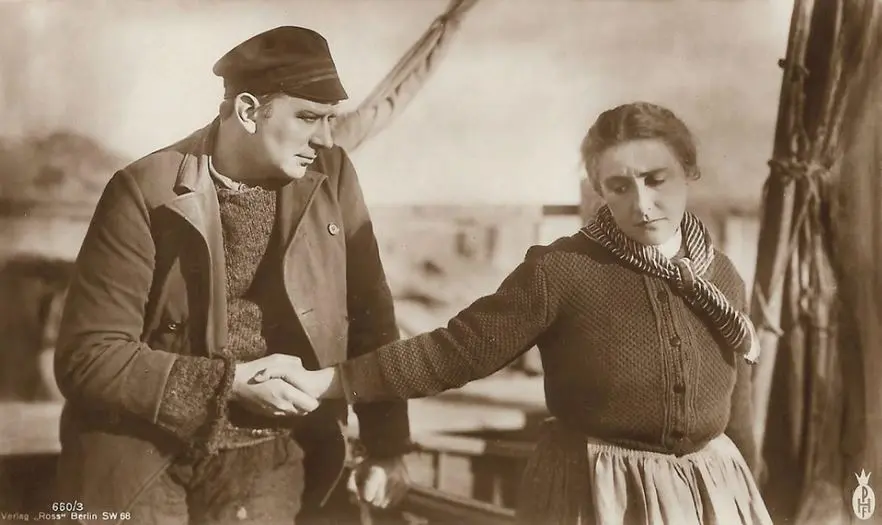
Set against the backdrop of 1930s Berlin, Inge Larsen is a film that explores the complex interplay between personal identity and societal expectations. The narrative centers on Inge, a woman torn between her traditional upbringing and the allure of modernity. Her journey is marked by a series of challenging relationships and societal pressures, all under the looming shadow of political instability.
At the heart of the film is the character of Inge, played with depth and subtlety by Vasilij Vronski. His portrayal captures the essence of a man struggling to reconcile his past with the future, a role that demands emotional complexity and a nuanced understanding of his character's motivations. Leopold von Ledebur, as Inge's love interest, brings a sense of romantic idealism to the screen, while Hans Albers and the ensemble cast provide a rich tapestry of supporting characters, each contributing to the film's rich emotional landscape.
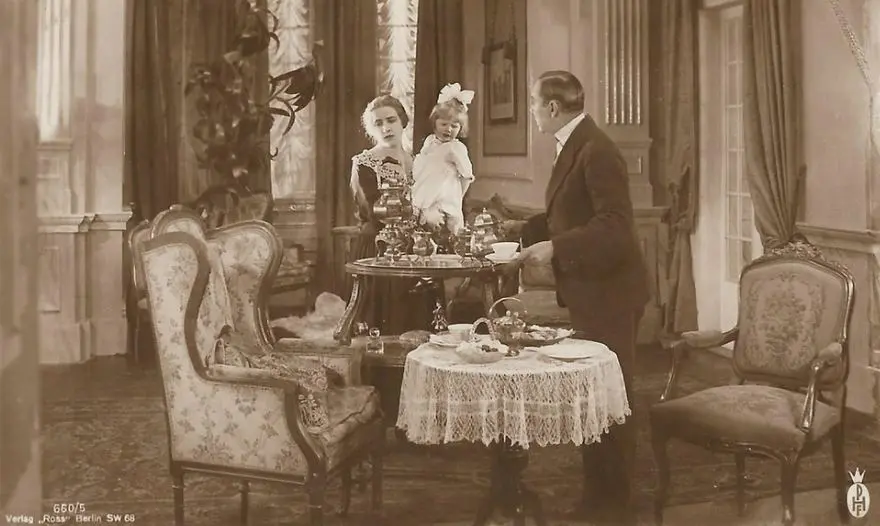
The film's visual aesthetics are a testament to its era, with a meticulous attention to detail that sets it apart. The cinematography by Paul Otto and the set design by Paul Hansen create a vivid and immersive environment, from the opulence of Inge's family home to the stark contrasts of the city's working-class districts. The use of lighting and color, particularly the dark orange (#C2410C) and sea blue (#0E7490) hues, add a sense of depth and emotional resonance to the scenes, enhancing the viewer's engagement with the characters and their struggles.
The storytelling in Inge Larsen is masterfully crafted, weaving together a series of interconnected storylines that explore the broader political and social context of the time. Through the lens of Inge's personal life, the film addresses themes of gender roles, social mobility, and the impact of political ideologies on individual lives. The narrative is further enriched by the music, which, composed by Ressel Orla and Henny Porten, provides a poignant backdrop to the emotional journey of the main characters.
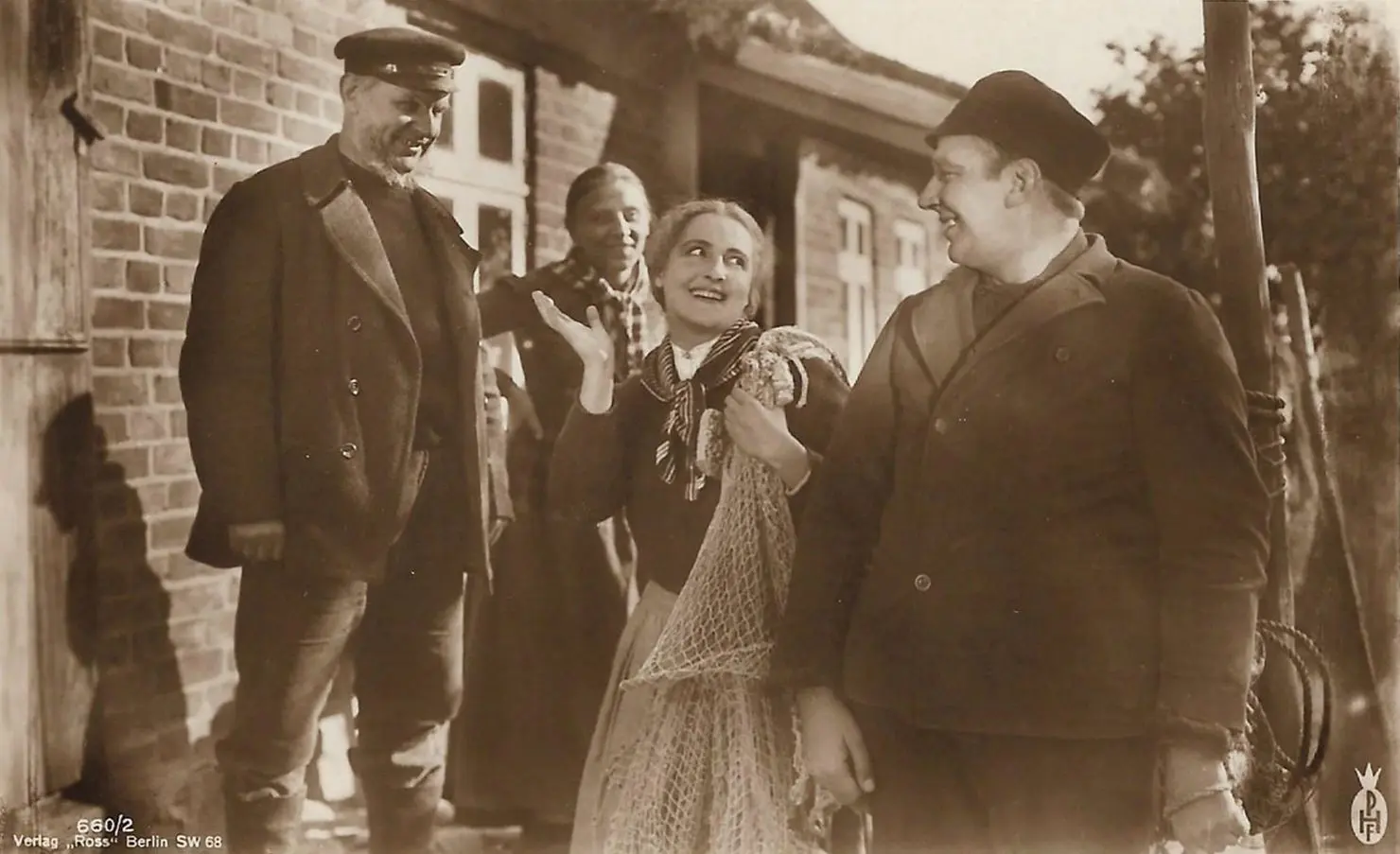
Inge Larsen stands out in its genre, drawing comparisons to films such as Squire Phin and The Little Intruder, which similarly explore the complexities of personal identity and societal expectations. However, it offers a more introspective and nuanced take on these themes, delving deeper into the psychological dimensions of its characters and their experiences.
The film's pacing is deliberate, allowing for a slow-burn exploration of its characters' inner lives and the external pressures they face. This approach, while sometimes slower than more action-packed narratives, rewards the audience with a rich and layered understanding of the characters and their world. The film's attention to detail and the performances of the cast, particularly Vronski, are its strongest assets, making it a compelling watch for those interested in character-driven storytelling.
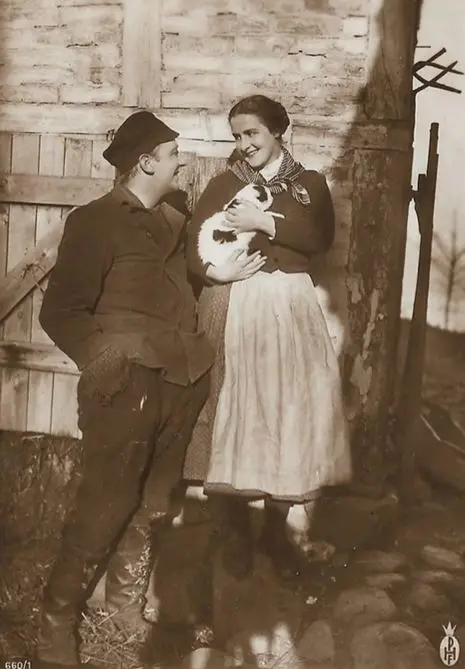
While Inge Larsen may not be the most commercially successful film of its era, it is undoubtedly a work of art. Its exploration of the human condition, coupled with its rich visual and auditory elements, makes it a must-see for film enthusiasts and those interested in a deeper understanding of the early 20th-century German society. In a time when cinema was still in its nascent stages, Inge Larsen stands as a testament to the potential of film as a medium for deep, meaningful storytelling.
The film's impact extends beyond its era, resonating with contemporary audiences and providing a valuable window into a bygone era. It is a film that invites viewers to reflect on the enduring themes of identity, love, and the challenges of navigating a changing world. In this sense, Inge Larsen is not just a historical artifact but a timeless exploration of the human experience.
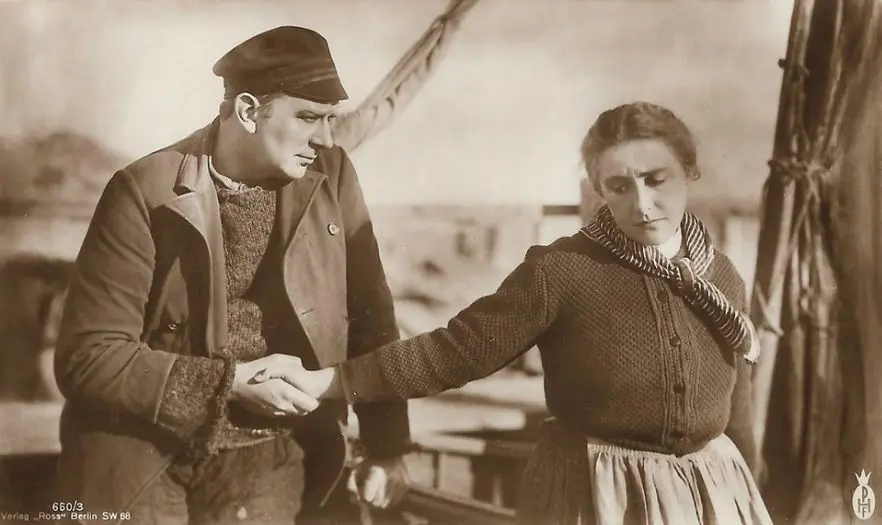
Overall, Inge Larsen is a film that offers a profound and immersive experience. Its blend of personal drama and broader social commentary, coupled with a masterful use of visual and auditory elements, makes it a standout in the annals of early German cinema. It is a film that challenges and engages, and one that is well worth the time and attention of any discerning filmgoer.
Conclusion: Inge Larsen is a film that transcends its historical context, offering a rich, character-driven narrative that continues to resonate with today's audiences. Its exploration of identity, love, and societal pressures makes it a must-see for those interested in the complexities of human experience as depicted through cinema.
IMDb 5.5
1926
Community
Log in to comment.