DbcultAccessing Vault...
7.5/10
Senior Film Conservator
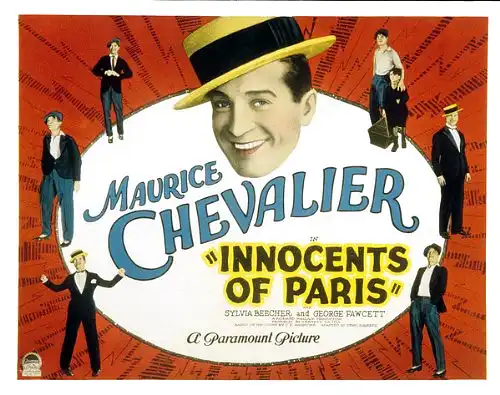
A definitive 7.5/10 rating for a film that redefined the boundaries of cult cinema. Innocents of Paris remains a cornerstone of transgressive art.
You should watch this if you are a student of early sound films or if you just really like Maurice Chevalier’s chin. Don’t watch it if you need a plot that actually moves at a human speed or if old-timey audio hiss gives you a headache.
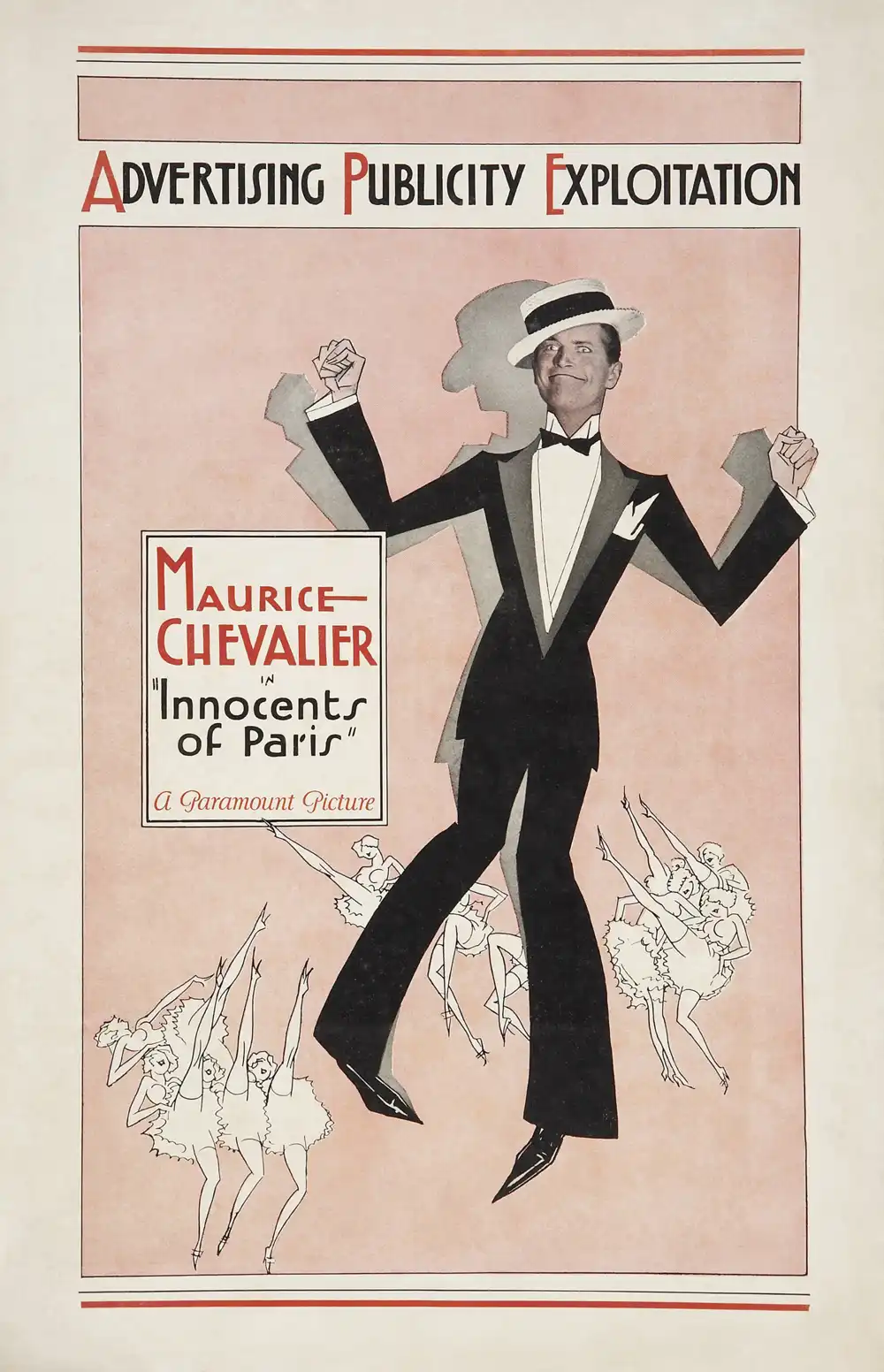
It is his big American debut. He plays Maurice, a junk man in Paris who spends his time sorting through piles of literal trash.
Early on, he saves a little boy from drowning. The water looks like it is about two feet deep in a studio tank, but everyone acts like it is the Atlantic Ocean.
This leads him to meet the boy's aunt, Louise. She is played by Sylvia Beecher, who is fine, but she does not have much to do other than look worried.
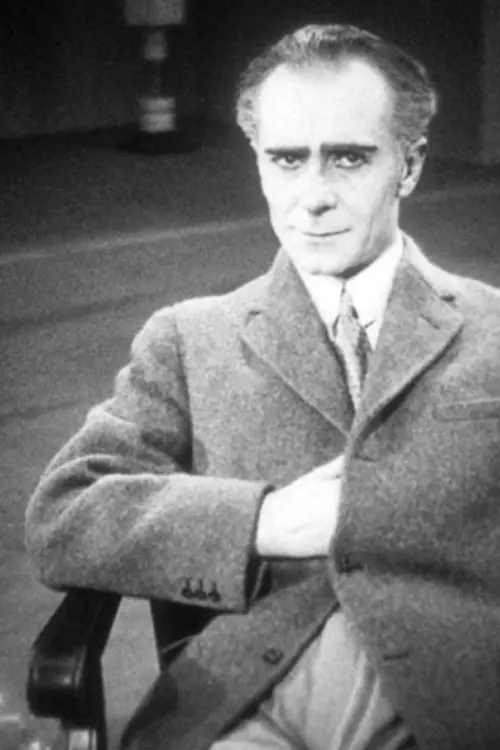
The grandfather is the real piece of work here. He is played by Russell Simpson and he is unreasonably angry about everything.
He hates Maurice because he sells junk. He keeps calling him a "junk man" like it is a slur from another planet.
The whole movie feels very stiff. Since it was 1929, the cameras were probably stuck in those giant soundproof boxes, so nobody moves much.
Characters just walk into the frame, say their lines, and walk out. It is like watching a puppet show where the strings are slightly too short.
But then Maurice Chevalier starts to sing. That is when the movie actually wakes up.
He has this way of looking directly into the lens. It feels like he is flirting with you specifically, which is kind of impressive for a guy who has been dead for decades.
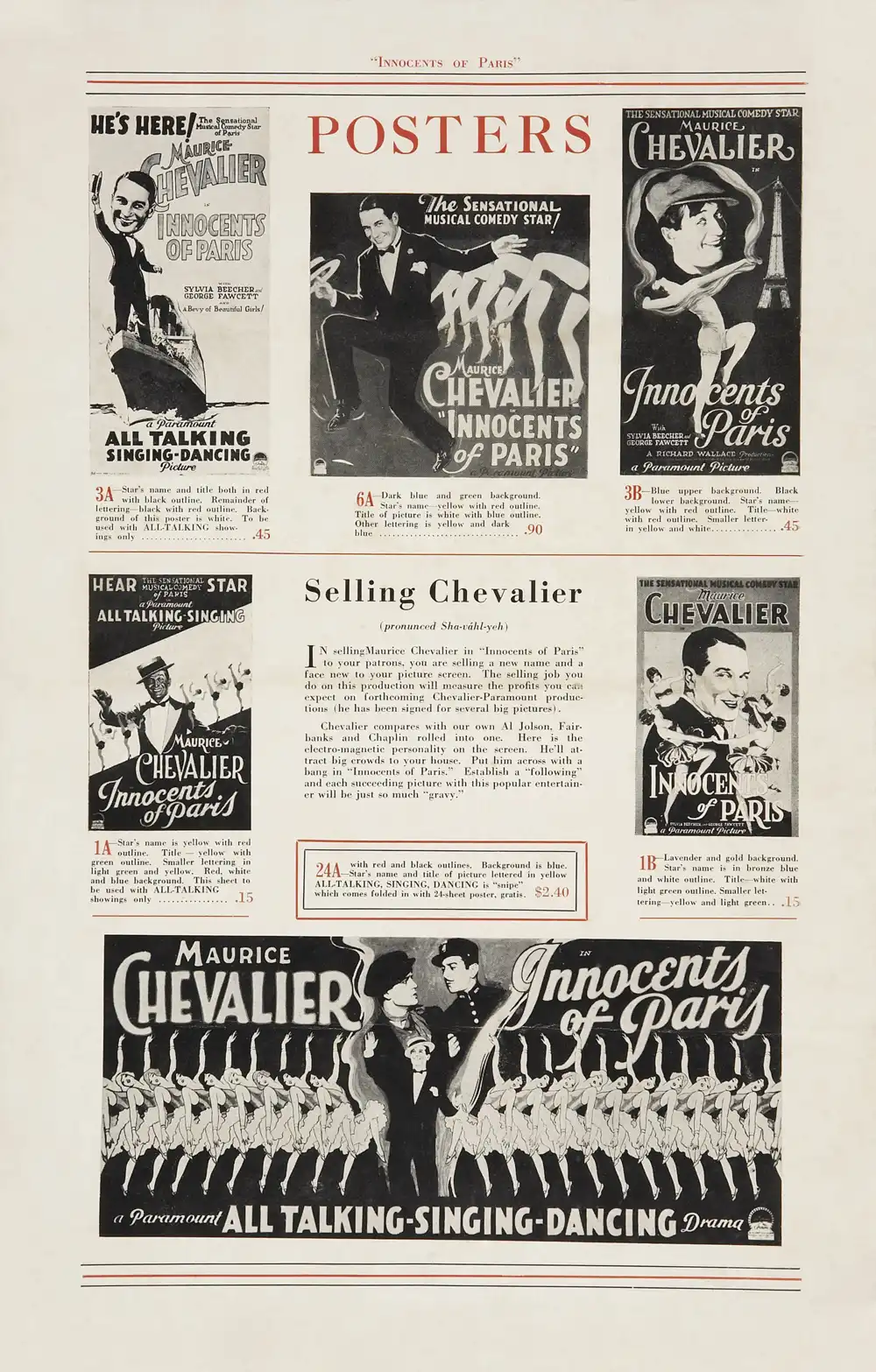
The song "Louise" is in this one. It is easily the best part of the whole thing.
There is a scene in a flea market that I actually liked quite a bit. It is messy and crowded and feels more real than the indoor sets.
Maurice is doing a little routine to sell some old clothes. You can see the stage performer in him just vibrating with energy.
The movie gets weird when Stepin Fetchit shows up. His scenes feel like they were filmed in a different building and then just dropped into the middle of the story.
It is uncomfortable to watch now, obviously. The pacing of his comedy is so slow it almost stops time.
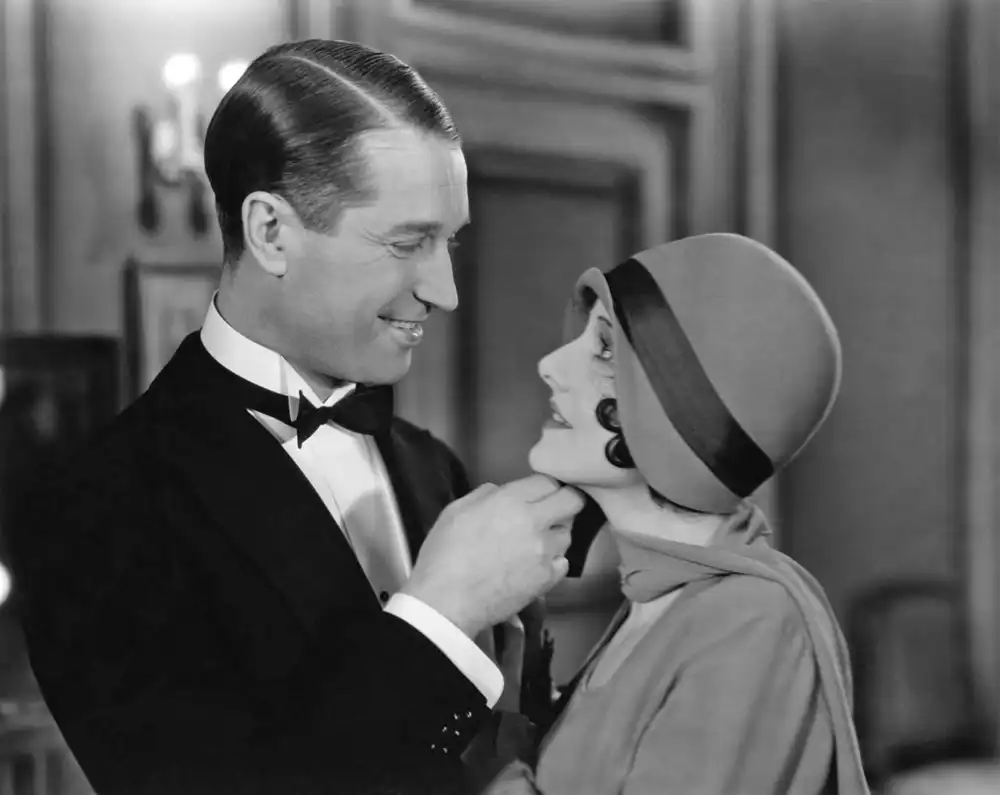
There is a bit where Maurice has to choose between his career and Louise. She does not want him to be a famous singer for some reason that the movie never really explains well.
It is that classic movie trope where the love interest is a total buzzkill for no reason. "Don't follow your dreams, stay here and sell old boots with me!"
I found myself wondering about the junk shop more than the romance. There is a pile of old frames in the background of one shot that looks fascinating.
If you like movies from this era like Have a Heart, you will notice how much more loud this one is trying to be. It wants to be a big show.
But the technology just wasn't there yet. The sound of the orchestra often drowns out the actual singing.
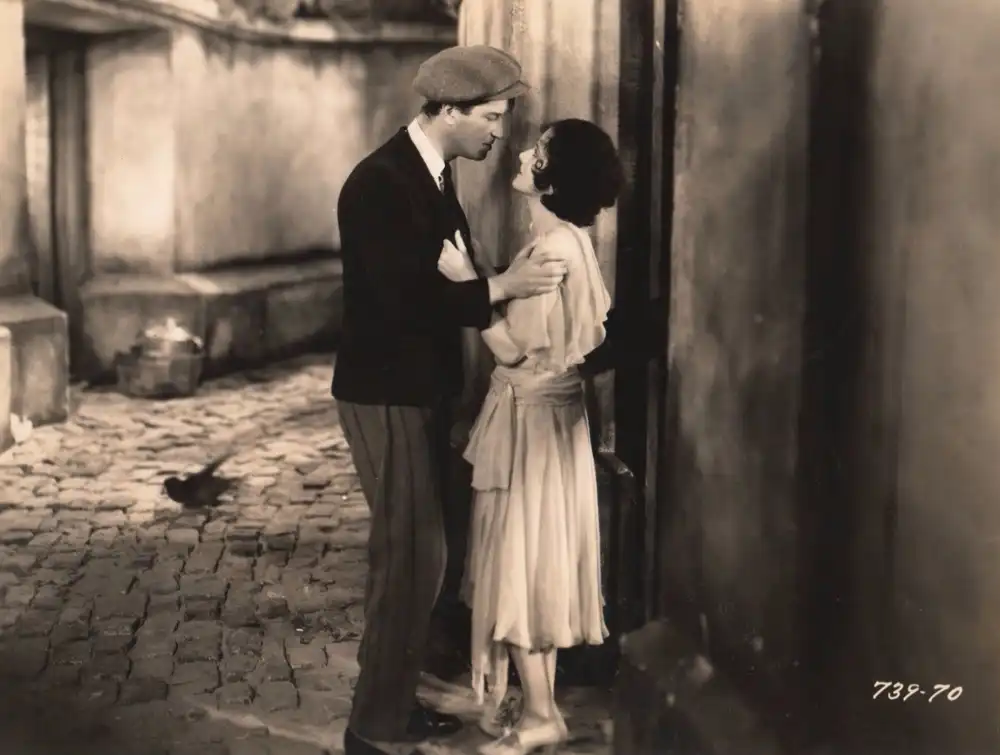
The film reminds me a little of Sweet Adeline in the way it tries to force a musical into a very thin melodrama. It does not always work.
One reaction shot of the grandfather lingers for about six seconds too long. He just stares at the door with this look of pure, unrefined constipation.
I actually laughed out loud at that. I am not sure if I was supposed to.
The ending is very abrupt. He chooses the stage, then he chooses the girl, then it just... ends? 🎬
It’s not a great movie by any stretch. It is mostly a historical document of a guy who was about to become the biggest thing in the world.
Check it out if you want to see the exact moment a star was born. Just ignore the creaky floorboards and the weirdly angry old man.
I forgot to mention the kid. He is actually not that annoying, which is rare for 1920s child actors.
He just sort of hangs around and looks grateful. Good for him.
IMDb —
1932
Community
Log in to comment.