DbcultAccessing Vault...
Cult Review
Senior Film Conservator
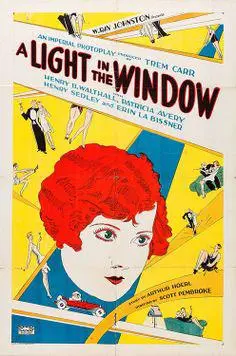
Is this film still worth your time in an age of high-definition spectacle? Short answer: yes, but only if you have the patience for the deliberate, heart-on-sleeve emotionality of late-silent-era storytelling.
This film is for the cinephile who values character depth over explosions and for those who find beauty in the flickering shadows of 1920s morality plays. It is emphatically not for the casual viewer who finds silent cinema's pacing tedious or its dramatic beats too telegraphed.
1) This film works because of its grounded emotional core; the conflict between the cobbler and his daughter feels universal, even a century later. 2) This film fails because the third-act resolution—specifically the 'false arrest' subplot—feels like a convenient plot device rather than a natural evolution of the characters. 3) You should watch it if you want to see a masterclass in silent-era acting from Henry B. Walthall, whose face conveys more than a thousand lines of dialogue ever could.
Yes, A Light in the Window remains a vital piece of social commentary. While many films of 1927 were leaning into the escapism of the 'Jazz Age,' this story stays firmly planted in the dust of the cobbler's shop. It asks hard questions about forgiveness and the price of social mobility. If you enjoy the domestic tension found in The Hope Chest, you will find a similar, albeit darker, satisfaction here.
The film opens with a stark visual contrast that defines the entire narrative. We see Johann Graff, the cobbler, hunched over his work. His world is one of utility, hard work, and brown tones. He is a man who builds things to last. Then we see Dorothy, looking through the window at the high-society women passing by. She wants the lace; she wants the ephemeral beauty of the café. This isn't just a daughter rebelling; it is a clash of philosophies. Johann believes in the security of the known; Dorothy believes in the promise of the unknown.
The scene where Dorothy first enters the café with her friend is a highlight of Ray Enright’s direction. The camera mimics her wide-eyed wonder, lingering on the smoke, the sparkling glassware, and the fluid movements of the dancers. It feels like a dream sequence, which makes the subsequent return to the dark, cramped cobbler shop feel like a prison sentence. This visual storytelling is far more effective than any title card could be. It reminds me of the atmospheric tension in Broadway Rose, where the city itself becomes a character that tempts and then punishes the protagonist.
Henry B. Walthall is the undisputed anchor of this film. By 1927, Walthall was a veteran, and he brings a weary, heavy-lidded dignity to the role of Johann. He doesn't play the father as a villain. He plays him as a man who is terrified of losing the only thing he loves to a world he doesn't understand. Watch the scene where he disowns Dorothy. He doesn't scream. He simply points to the door, his hand trembling with a mix of rage and heartbreak. It is a gut-punch of a moment.
Patricia Avery, as Dorothy, provides the perfect foil. She has a lightness that makes her eventual fall into the role of a cigarette girl all the more tragic. There is a specific moment when she is selling cigarettes in a crowded, smoke-filled room, and she catches her reflection in a mirror. The look of recognition—the realization that she has become exactly what her father feared—is haunting. It’s a messy, human moment that transcends the era’s typical melodrama. It’s better than the more polished performances seen in The Unguarded Hour because it feels raw and unmanufactured.
The title isn't just a metaphor; it’s a technical achievement. The use of low-key lighting in the Graff household creates a sense of claustrophobia that is only broken by the 'light in the window.' This light represents Johann’s internal struggle. He claims to have disowned her, yet he leaves the light on. The cinematography by the uncredited cameraman uses shadows to hide the father’s face when he is being stubborn, only revealing his eyes when he is alone and grieving. This is sophisticated visual grammar for 1927.
The pacing, however, is where the film stumbles. The transition from Dorothy’s marriage to Bert’s arrest happens with a jarring speed that threatens to derail the emotional stakes. One moment they are happy newlyweds; the next, he’s being hauled off for auto theft. It’s a bit much. The film would have benefited from an extra ten minutes of development to show the cracks in their 'happily ever after' before the external conflict hit. It feels rushed. But it works. Mostly because we are so invested in Dorothy’s survival by that point.
"A Light in the Window is a stark reminder that the 'Roaring Twenties' weren't just about flappers and gin; they were about the painful birth of the modern family. It is a flawed but deeply moving piece of cinema that proves silence can be louder than words."
While it may lack the technical bravado of some of its 1927 contemporaries, the film’s focus on the human cost of pride makes it a mandatory watch for silent film buffs. It captures a specific moment in time where the old world was dying and the new world hadn't quite figured out how to be kind. The ending is too neat. But the journey there is honest. It’s a solid 7/10 that occasionally touches greatness during its more quiet, intimate moments.
IMDb —
1924
Community
Log in to comment.