DbcultAccessing Vault...
7/10
Senior Film Conservator
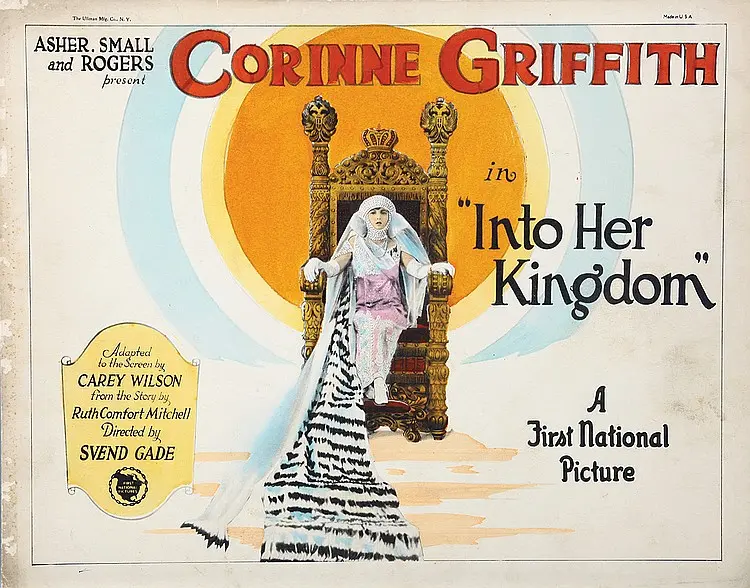
A definitive 7/10 rating for a film that redefined the boundaries of cult cinema. Into Her Kingdom remains a cornerstone of transgressive art.
Is 'Into Her Kingdom' worth watching today? The short answer is a resounding 'yes,' but with significant caveats that demand a specific kind of viewer. This silent era epic, while undeniably dated in spots, offers a fascinating glimpse into a tumultuous historical period through a deeply personal, morally complex lens, making it essential viewing for silent film enthusiasts and history buffs, yet likely a challenging watch for those accustomed to modern pacing and narrative conventions.
For those who appreciate the grand, sweeping narratives of early cinema and the profound human drama they often captured, 'Into Her Kingdom' presents a compelling, if imperfect, experience. It is a film that demands patience but rewards it with a story that lingers long after the final frame.
This film works because... it masterfully intertwines a deeply personal tale of revenge with the monumental backdrop of the Russian Revolution, creating a moral quandary that resonates powerfully. Max Davidson’s understated performance as Stepan anchors the film with a brooding intensity. This film fails because... its pacing occasionally falters, particularly in the drawn-out Siberian sequences, and some of its melodramatic flourishes feel jarring against the stark realism of its historical context. You should watch it if... you are captivated by historical dramas that explore themes of justice, fate, and the corrupting nature of power, especially within the unique narrative language of silent cinema. It's a challenging watch, but a rewarding one for the right audience.
'Into Her Kingdom' is a film built on the bedrock of irony and historical upheaval. At its core lies the potent, almost Shakespearean, premise of a man wronged rising to become the instrument of fate against his oppressor. The journey of Stepan, from an innocent peasant boy to a hardened revolutionary official, is not merely a character arc; it is a brutal education in the cyclical nature of power and vengeance.
The film’s opening act, depicting Stepan’s unjust exile for a seemingly minor slight against Grand Duchess Tatiana, establishes a profound sense of grievance. This isn't just a personal slight; it's a microcosm of the systemic injustices that fueled the very revolution that will later elevate Stepan. The stark contrast between the opulence of the royal court and the harsh reality of peasant life is visually pronounced, even in the black and white palette of the era. It’s a powerful, if unsubtle, indictment of the Tsarist regime.
Max Davidson, as Stepan, embodies this transformation with a quiet intensity. His youthful indignation gives way to a hardened resolve born of Siberian suffering. It’s a performance that relies heavily on subtle facial expressions and body language, conveying years of simmering resentment without a single spoken word. When he finally stands before Tatiana again, not as a suppliant but as her judge, the weight of their shared history is palpable.
The film's most audacious narrative stroke is its refusal to simplify the moral landscape. Stepan's quest for justice is inextricably linked with a desire for revenge, and the Bolshevik cause, while ostensibly about liberation, is shown to be capable of its own brand of brutality. This moral ambiguity elevates 'Into Her Kingdom' beyond a simple revenge tale, pushing it into the realm of a genuine historical tragedy. The revolution, depicted with sweeping, almost documentary-like sequences, is a force of nature, indifferent to individual fates.
One could argue that the film's true villain isn't Stepan or Tatiana, but the unforgiving machinery of history itself, which the film, perhaps unintentionally, portrays with chilling accuracy. The personal drama is swallowed by the larger historical current, making the individual choices all the more poignant and, ultimately, futile.
The director, though often overshadowed by the narrative's sheer force, employs the language of silent cinema with considerable skill. The film balances grand, sweeping crowd scenes of revolutionary fervor with intimate, often claustrophobic, close-ups that emphasize the characters' internal struggles. This duality is crucial in conveying both the epic scope and the personal stakes.
Cinematography plays a pivotal role in establishing the film's tone and atmosphere. The early scenes in the royal palace are bathed in a soft, almost ethereal light, highlighting the detached, dreamlike existence of the aristocracy. In stark contrast, the Siberian sequences are shot with a harsh, unforgiving realism, utilizing stark shadows and bleak landscapes to convey Stepan's suffering. The revolutionary scenes, particularly the chaotic street battles and mass gatherings, are dynamic and visually arresting, capturing the raw energy and violence of the period.
There's a particular sequence where Stepan, after years of exile, first encounters the burgeoning revolutionary movement. The camera work here shifts, becoming more kinetic, reflecting his awakening political consciousness. It’s a subtle but effective visual cue that signals a major turning point for the character and the narrative. The use of parallel editing during the revolution, cutting between the crumbling aristocracy and the rising proletariat, is particularly effective in building tension and emphasizing the inexorable march of fate.
However, the film is not without its visual shortcomings. Some of the early melodramatic flourishes, particularly around Tatiana’s initial haughtiness, border on caricature. While typical of the era, they occasionally detract from the gravitas the narrative later achieves. This stylistic inconsistency is a minor quibble, but one that prevents the film from achieving a uniformly polished aesthetic.
In silent cinema, acting is a language of the body and the face, and the cast of 'Into Her Kingdom' largely rises to the challenge. Max Davidson's portrayal of Stepan is the film's anchor. He avoids overt theatrics, opting instead for a simmering resentment that builds gradually. His eyes, in particular, convey a depth of emotion, shifting from youthful innocence to hardened resolve, and finally, to a conflicted weariness when faced with his ultimate task. It's a surprisingly modern performance for its time, eschewing broad gestures for internal anguish.
Mary Louise Miller as Grand Duchess Tatiana delivers a performance that evolves significantly throughout the film. Her initial portrayal of aristocratic arrogance is convincing, if a little one-dimensional. However, as the revolution strips away her power and privilege, Miller imbues Tatiana with a vulnerability that elicits genuine empathy. Her transformation from an imperious noble to a frightened, yet dignified, prisoner is compelling. The scene where she first recognizes Stepan as her executioner is a masterclass in silent reaction, her face registering a complex mixture of shock, dawning horror, and a grudging acceptance of her fate.
The supporting cast, while not always given the same depth, effectively populate the world of the film. George Blagoi, as a fellow revolutionary, provides a stark contrast to Stepan's internal struggle, embodying the more pragmatic and ruthless side of the Bolshevik movement. His unwavering commitment to the cause, devoid of personal vendetta, highlights Stepan's unique, and ultimately tragic, position. Theodore Lodi, as a sympathetic figure, offers moments of humanity amidst the political fervor, serving as a moral compass, however small.
It’s a testament to the actors' skill that despite the lack of spoken dialogue, the emotional weight of their interactions is never lost. The film relies heavily on their ability to convey complex internal states through external means, and for the most part, they succeed admirably. The performances are often the most direct line to the film's emotional core, making the historical context deeply personal.
The pacing of 'Into Her Kingdom' is a product of its era. Early silent films often allowed scenes to unfold at a more deliberate speed, trusting the audience to absorb the visual information and emotional beats. This can be both a strength and a weakness. The extended sequences of Stepan’s exile in Siberia, while crucial for establishing his suffering and transformation, can feel protracted to a modern audience accustomed to quicker cuts and more rapid narrative progression. There’s a quiet desolation to these scenes that, while effective, tests the viewer’s patience.
However, when the revolution truly ignites, the pacing accelerates, becoming more frenetic and urgent. The film deftly shifts gears, capturing the chaos and rapid change of the period. This contrast in pacing effectively mirrors the dramatic shift in the world depicted, moving from the static oppression of the old regime to the dynamic, often violent, birth of a new one.
The tone of the film is largely serious and dramatic, tinged with a pervasive sense of tragedy. There are moments of stark realism, particularly in the depiction of poverty and revolutionary violence, that are surprisingly unflinching for a film of its time. Yet, these moments are occasionally juxtaposed with bursts of melodrama, particularly in the more overt expressions of villainy or suffering. This tonal inconsistency, while characteristic of silent cinema, sometimes undermines the film's more profound observations about justice and revenge.
The film’s greatest strength lies in its ability to convey the immense weight of history. It captures the sense of a world irrevocably altered, where personal grievances become entangled with national destiny. The final confrontation between Stepan and Tatiana is not just a personal reckoning; it's a symbolic clash of two dying worlds, one of aristocratic privilege and the other of revolutionary idealism, both stained by violence and loss. It works. But it’s flawed.
Absolutely, 'Into Her Kingdom' is worth watching, particularly for specific audiences. It offers a unique window into early cinematic storytelling and a pivotal historical period. If you appreciate the artistry of silent film, the depth of its characterizations, and the moral complexities it explores, this film will resonate deeply. It is a powerful historical drama. However, it requires a certain patience and an appreciation for the conventions of its time. It’s not for everyone, but for those it is intended for, it delivers a profound experience.
'Into Her Kingdom' stands as a fascinating, if imperfect, artifact of early cinema. Its ambitious scope, coupled with a morally complex narrative, elevates it beyond a mere historical curiosity. While its pacing and occasional melodramatic flourishes might test the patience of some modern viewers, the film's core themes of justice, revenge, and the inexorable march of history remain profoundly resonant. Max Davidson's compelling performance as Stepan, caught between personal vengeance and revolutionary duty, provides a powerful human anchor to the sweeping historical canvas. For those willing to engage with the unique language of silent film, 'Into Her Kingdom' offers a challenging yet ultimately rewarding experience, a stark reminder of cinema's enduring power to tell grand human stories against the backdrop of world-altering events. It’s a film that deserves to be seen, discussed, and appreciated for its bold vision and enduring relevance. It might not be a 'masterpiece' in the conventional sense, but it is undeniably a significant and thought-provoking work that continues to speak volumes about the human condition and the relentless tide of societal change.
IMDb —
1927
Community
Log in to comment.