DbcultAccessing Vault...
7.1/10
Senior Film Conservator
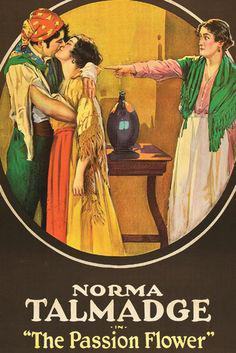
A definitive 7.1/10 rating for a film that redefined the boundaries of cult cinema. Passion Flower remains a cornerstone of transgressive art.
Stepping back into the annals of early cinema, one often encounters narratives that, despite their age, possess an astonishingly potent emotional resonance. Herbert Brenon’s 1921 silent drama, 'Passion Flower,' is precisely such a film. It’s a work that, even without the benefit of spoken dialogue, manages to convey a profound sense of foreboding, a slow-burn descent into the darkest corners of human desire and manipulation. Adapted from Jacinto Benavente’s Spanish play 'La Malquerida' (The Ill-Beloved), and penned for the screen by Mary Murillo and Brenon himself, this film unfurls a tale so steeped in tragic irony and moral decay that it grips the viewer with an almost uncomfortable intensity.
At its core, 'Passion Flower' is a chilling study of an elderly, wealthy man whose paternal affection for his stepdaughter curdles into a deeply disturbing, possessive obsession. This is not a man who merely harbors inappropriate feelings; he actively, malevolently, seeks to control and destroy any obstacle to his twisted desires. His chosen weapon is not brute force, but insidious psychological warfare, waged through the complicity of a loyal, yet morally compromised, servant. The film meticulously details how this web of deceit is spun, thread by agonizing thread, around the innocent stepdaughter, whose only crime is to fall in love and aspire to a life of her own.
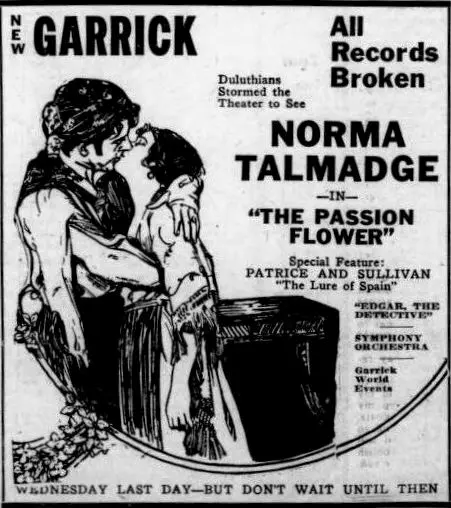
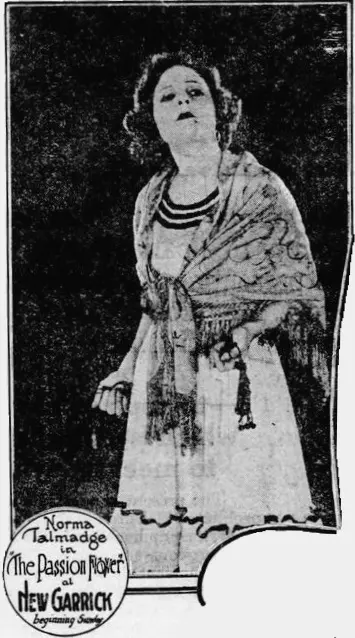
No discussion of 'Passion Flower' would be complete without reverently acknowledging the incandescent performance of Norma Talmadge. As the stepdaughter, Acacia (though the film often omits character names, focusing on archetypes), Talmadge embodies a delicate blend of youthful innocence and burgeoning strength. Her expressive eyes, a hallmark of silent film acting, convey a universe of emotion – from the blush of nascent love to the dawning horror of betrayal, and finally, the crushing weight of despair. Watching her, one understands why she was one of the era’s most beloved stars. She doesn't just act; she radiates, drawing the audience into her character's plight with an almost hypnotic grace. The subtle shifts in her posture, the tremble of her hands, the way she holds her gaze – every gesture is a meticulously crafted line of dialogue, articulating the unspeakable torment inflicted upon her.
Talmadge's portrayal is particularly poignant because her character is largely reactive, a victim caught in a current of malevolent forces beyond her control. Yet, within this reactive framework, she projects an inner fortitude that makes her eventual breakdown all the more tragic. She is not a passive damsel; she fights, she resists, she yearns for clarity amidst the encroaching darkness. This nuanced performance elevates the film beyond mere melodrama, grounding it in a psychologically complex reality.
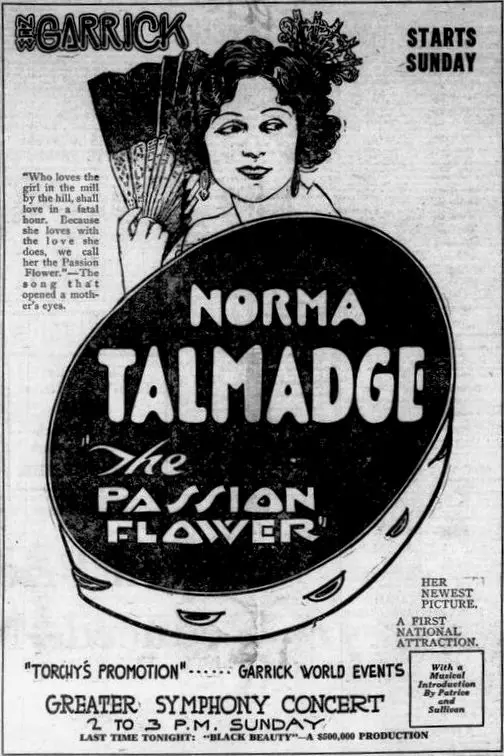
The antagonist, the wealthy stepfather (played with chilling restraint by Herbert Vance), is a figure of quiet menace. His attraction is less about love and more about ownership, a perverse desire to possess what he believes is his by right of proximity and power. He doesn't bellow or rage; instead, his manipulation is subtle, insidious, working through whispers and veiled threats. He tasks his servant (Harrison Ford, not the later star, but a prominent actor of the era) with the explicit, horrifying mission: to dismantle his stepdaughter's marriage. This act of commissioning betrayal is where the film truly plunges into its moral abyss. The servant, torn between loyalty and burgeoning conscience, becomes a tragic figure in his own right, his actions setting off a chain reaction of catastrophic events.
The film masterfully builds tension as the servant executes his unholy directive. We witness the gradual poisoning of a burgeoning love, the planting of seeds of doubt and suspicion that blossom into full-blown marital discord. It's a testament to the script and direction that this slow, agonizing erosion of trust feels so palpable, even a century later. The audience is privy to the scheme, creating a sense of dramatic irony that amplifies the impending tragedy. We watch, helpless, as the innocent are ensnared, their happiness systematically dismantled by a force they cannot comprehend.
The initial plot summary hints at murder and tragedy, and 'Passion Flower' delivers on this grim promise with a stark brutality that belies its silent nature. The unraveling of the marriage, fueled by the stepfather's obsession, creates an unbearable pressure cooker of emotions. When the truth inevitably begins to surface, the consequences are swift and devastating. The film doesn't shy away from the ultimate price paid for unchecked desire and manipulation. The murder, when it occurs, is not a sudden, shocking event, but rather the grim, logical conclusion of a narrative trajectory set in motion by profound moral failings.
The tragedy extends beyond the immediate act of violence. It encompasses the shattering of lives, the destruction of innocence, and the inescapable burden of guilt. The film explores the ripple effects of such dark deeds, showing how one man's obsession can contaminate an entire household, leaving a trail of emotional wreckage. It’s a powerful, albeit bleak, commentary on the destructive nature of possessive love and the corrosive influence of power wielded without ethical restraint.
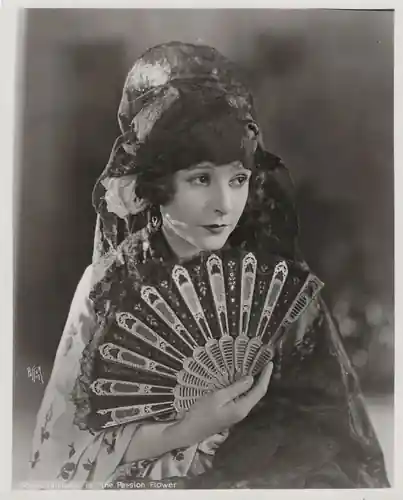
'Passion Flower' transcends mere melodrama through its incisive exploration of universal themes. The most dominant, of course, is the destructive power of forbidden desire. The stepfather’s obsession is not romantic; it is a primal, almost predatory urge to control and dominate, masquerading as affection. This theme resonates deeply, touching upon the darker aspects of human nature that often remain hidden beneath a veneer of civility.
Another crucial theme is the insidious nature of manipulation and betrayal. The film meticulously details how trust is eroded, how doubts are sown, and how a seemingly unbreakable bond can be fractured by calculated lies. The servant’s role is pivotal here, highlighting the moral compromises individuals make under duress or out of misguided loyalty. This exploration of complicity adds another layer of tragic complexity to the narrative, raising questions about personal responsibility and the corrupting influence of power dynamics.
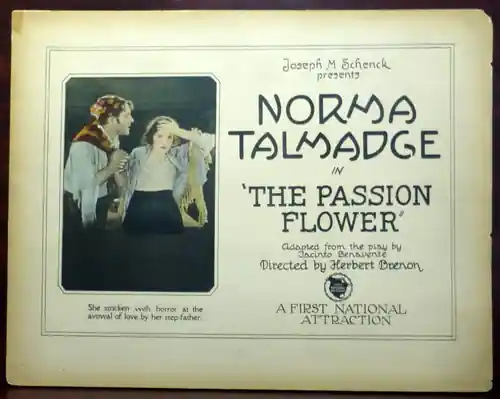
Furthermore, 'Passion Flower' subtly touches upon class disparity and the abuse of power. The wealthy patriarch’s ability to orchestrate such a complex and devastating scheme is directly tied to his social standing and financial influence. Those beneath him are vulnerable to his whims, their lives easily upended by his machinations. This subtext adds a socio-critical dimension to the personal tragedy, making the film's commentary even more potent.
Herbert Brenon’s direction is a masterclass in silent film storytelling. He understands the power of visual metaphor and symbolism, using every frame to convey emotion and advance the narrative. The cinematography, while perhaps not as overtly experimental as some of his contemporaries, is exceptionally effective in establishing mood. Shadows are not merely an absence of light; they are harbingers of dread, reflections of the characters' internal turmoil. The framing often emphasizes isolation, trapping characters within the confines of their circumstances, visually reinforcing their emotional prisons.
Brenon employs a deliberate pacing that allows the tension to build organically, ensuring that the audience is fully invested in the characters' fates before the hammer of tragedy falls. His use of close-ups, particularly on Talmadge’s face, is crucial for conveying the nuanced emotional shifts that define her performance. The film's aesthetic choices, from the opulent yet stifling sets of the stepfather’s mansion to the simpler, more hopeful environs of the stepdaughter’s early married life, contribute significantly to the narrative's emotional arc.
While 'Passion Flower' stands strongly on its own merits, its exploration of moral dilemmas and the devastating consequences of personal choices can evoke comparisons with other films of its era. For instance, the intricate web of deceit and the profound psychological impact of betrayal might find a thematic cousin in films like Conscience, another silent-era drama where characters grapple with the heavy burden of their actions and the erosion of their moral compass. Both films delve into the internal struggles that arise when individuals are forced into morally compromising situations, or when their own desires lead them down a path of destruction. However, 'Passion Flower' distinguishes itself with its almost Greek tragic inevitability, where the seeds of destruction are sown not by external forces, but by the very heart of the family unit.
The film’s portrayal of a powerful figure manipulating those weaker than him also echoes broader social commentaries found in various silent films, though few delve into such a specifically familial and sexually charged obsession with the same directness. The psychological depth, particularly in Talmadge’s performance, sets it apart from more straightforward melodramas, elevating it to a more profound exploration of the human condition under duress.
'Passion Flower' is more than just a historical artifact; it is a vibrant, compelling piece of cinema that continues to resonate with its powerful narrative and exceptional performances. It serves as a stark reminder of the sophisticated storytelling that existed in the silent era, capable of tackling complex, even taboo, subjects with remarkable nuance and emotional depth. The film's unflinching gaze into the abyss of human obsession and its tragic fallout leaves a lasting impression, proving that a story told purely through imagery and gesture can be as impactful, if not more so, than one brimming with dialogue.
For those willing to immerse themselves in the artistry of early cinema, 'Passion Flower' offers a rich and rewarding experience. It’s a film that lingers in the mind, prompting reflection on the destructive nature of unchecked desire, the fragility of happiness, and the enduring power of human resilience in the face of profound adversity. It’s a testament to Norma Talmadge’s enduring star power and Herbert Brenon’s directorial vision that this silent drama continues to bloom, albeit with a dark, captivating beauty, almost a century after its initial release. It’s a film that, like the flower it is named after, possesses both exquisite beauty and a hidden, potent sting.
IMDb —
1920
Community
Log in to comment.