DbcultAccessing Vault...
6.4/10
Senior Film Conservator
A definitive 6.4/10 rating for a film that redefined the boundaries of cult cinema. Irish Destiny remains a cornerstone of transgressive art.
Is Irish Destiny worth watching today? Short answer: yes, but with significant caveats that demand a specific kind of viewer. This 1926 silent film is a crucial historical document and a fascinating artifact of early Irish cinema, making it essential viewing for historians, film scholars, and those deeply interested in the Irish War of Independence, yet it might prove a challenging, even tedious, experience for casual modern audiences accustomed to contemporary storytelling.
It's a film for those who appreciate cinema as a window into the past, not merely as entertainment. If you have a low tolerance for silent film conventions, rudimentary production values, and overtly patriotic messaging, you might find its pace and presentation jarring. But if you’re willing to engage with a piece of history, the rewards are considerable.
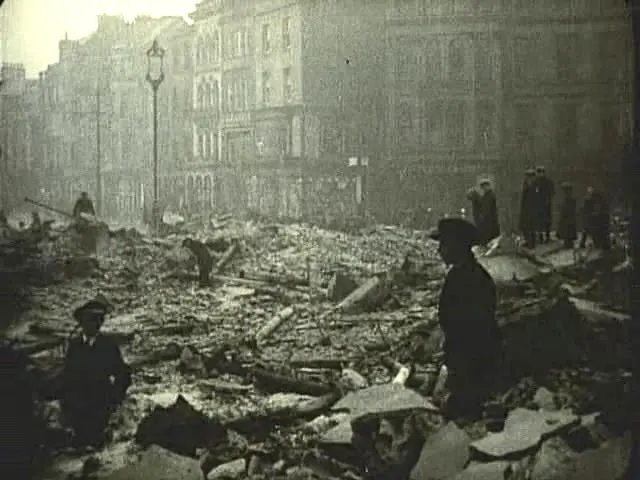
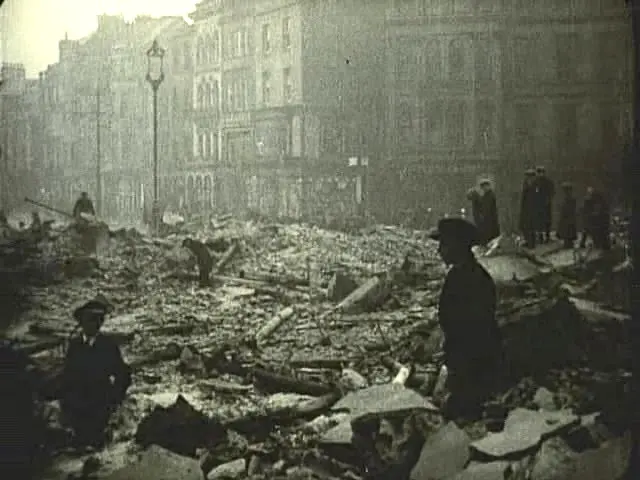
I.J. Eppel's Irish Destiny isn't just a film; it's a defiant roar from a newly independent nation. Released in 1926, just four years after the official end of the Irish War of Independence and the establishment of the Irish Free State, this production served a dual purpose: to commemorate the struggle and to solidify a national identity through cinematic narrative. It tells the story of an IRA man, played with earnest conviction by Tom Flood, who embarks on a perilous journey to warn his comrades in Dublin of an impending British raid. His capture becomes the central dramatic pivot, a moment designed to evoke both sympathy and outrage from its intended audience.
At its core, the film functions as a stark, unvarnished piece of nationalistic storytelling. It doesn't shy away from depicting the British forces as clear antagonists, often in broad strokes that leave little room for nuance. This isn’t a flaw in its original context; it’s its very strength, a direct address to a populace still grappling with the wounds of recent conflict and the complexities of self-governance. For modern viewers, this lack of subtlety can be jarring, but it’s vital to understand the film’s historical position as both art and propaganda.
This film works because it offers an unparalleled, raw glimpse into the immediate post-conflict psyche of a nation, presented through the nascent art form of cinema, capturing a moment often romanticized but rarely seen through its own contemporary lens.
This film fails because its technical limitations, simplistic narrative structure, and often melodramatic silent film acting can alienate modern viewers seeking sophisticated storytelling or high production value.
You should watch it if you are a historian, a silent film enthusiast, or someone keen to understand early Irish national identity as expressed through its emergent cultural output, willing to overlook dated aesthetics for historical resonance.
I.J. Eppel's direction, while rudimentary by today's standards, is undeniably ambitious for its time and context. Working with what appears to be a shoestring budget and largely amateur cast, Eppel manages to create a sense of urgency, particularly during the protagonist's journey. The use of actual Irish landscapes, rather than studio sets, lends an authenticity that transcends the technical limitations. We see the rugged beauty and isolated paths that would have characterized the clandestine movements of the IRA.
There's a palpable sense of Eppel’s commitment to his subject. He wasn't just making a movie; he was documenting a defining period for his people. The camera often lingers, not always for artistic effect, but perhaps out of a desire to capture every detail of this unprecedented undertaking. One can almost feel the weight of the historical moment pressing down on the filmmakers themselves, imbuing their work with a sincerity that no amount of technical polish could replicate. Unlike the more polished, if less politically charged, narratives found in contemporary Hollywood productions like Her Night of Romance (1924), Irish Destiny prioritized message over elaborate spectacle.
The acting in Irish Destiny is quintessential silent film fare: broad gestures, exaggerated facial expressions, and a reliance on intertitles to convey dialogue and internal thought. Tom Flood, as the unnamed IRA man, embodies a stoic heroism that was likely meant to resonate deeply with Irish audiences. His performance, while lacking the psychological depth we expect today, effectively communicates determination and quiet resolve.
The supporting cast, including Clifford Pembroke and Valentine Vousden, often lean into archetypes. The British forces are portrayed with a sneering villainy that is almost cartoonish, yet effective in galvanizing nationalist sentiment. This isn't nuanced character work; it's a clear delineation of good versus evil, a necessary simplification for a film with a distinct political agenda. It's a style that feels distant from the more subtle dramatic performances even in slightly earlier films like The Pretenders (1916), which, while also a drama, perhaps had less immediate political weight.
The cinematography of Irish Destiny is a testament to the resourcefulness of early filmmakers. Shot on location, the film captures the raw beauty of the Irish landscape, utilizing natural light and wide shots to establish settings. While lacking the intricate camera movements or sophisticated lighting techniques of more prominent studios, the visual language is direct and functional.
There are moments where the camera work feels surprisingly intimate, particularly during scenes depicting the protagonist's solitary journey. The stark black and white imagery, coupled with the silent film's reliance on visual cues, forces the viewer to pay closer attention to body language and environmental details. It’s a primitive form of immersion, but effective for its era. The film’s visual style might not stand up to the artistry of a D.W. Griffith, but it tells its story with an honest, almost documentary-like gaze.
The pacing of Irish Destiny is characteristic of many silent films: it can feel slow by modern standards, punctuated by intertitles that break the flow. However, within this structure, Eppel builds a quiet tension. The protagonist's journey is fraught with implied danger, even if the overt action sequences are limited by the era's capabilities. The film understands the power of the unspoken threat, of what lies around the next bend.
The tone is overtly patriotic, even reverent, towards the cause of Irish independence. It's a film designed to inspire, to validate the sacrifices made, and to solidify a collective memory. This unwavering stance is perhaps its most striking feature. It doesn't invite debate about the complexities of the conflict; it celebrates a specific, heroic narrative. This unflinching commitment to its nationalistic message distinguishes it from more ambiguous dramas of the period, like Enoch Arden (1915), which focused on personal tragedy rather than national struggle.
One unconventional observation: the film's greatest strength might not be its narrative or technical prowess, but its sheer audacity. To produce a film of this scale, on such a sensitive and recent topic, with limited resources in a fledgling nation, speaks volumes about the spirit of the time. It’s less a polished cinematic experience and more a raw, unfiltered historical artifact, a time capsule of national pride and defiance.
Yes, Irish Destiny is absolutely worth watching, but you must approach it with the right mindset. This isn't a blockbuster. It's not designed for casual viewing. It's a historical document, a window into early 20th-century Irish identity and silent filmmaking.
For those with an interest in Irish history, particularly the War of Independence, it offers invaluable insight. For silent film aficionados, it's a rare and significant example of national cinema. Expect a slower pace and dated technical elements. Embrace its historical context, and you will find it profoundly rewarding. Skip it if you're looking for modern narrative conventions or high-octane action.
Irish Destiny is more than just a film; it is a historical artifact, a declaration, and a testament to the power of cinema as a tool for nation-building. It works. But it’s flawed. Its significance lies not in its technical brilliance or narrative sophistication, but in its very existence and the message it boldly proclaimed in a volatile era. It’s a film that demands patience and an appreciation for its context, rewarding those who seek to understand the past through its own lens.
For the casual viewer, it will likely feel archaic, a relic best left to academics. For the dedicated enthusiast of silent cinema or Irish history, however, it is an indispensable piece of cultural heritage, offering a unique and often poignant window into the soul of a nation finding its voice. It’s not a film you passively watch; it’s a film you actively engage with, and for that, it earns its place in the annals of cinema history.
IMDb —
1916
Community
Log in to comment.