DbcultAccessing Vault...
5/10
Senior Film Conservator
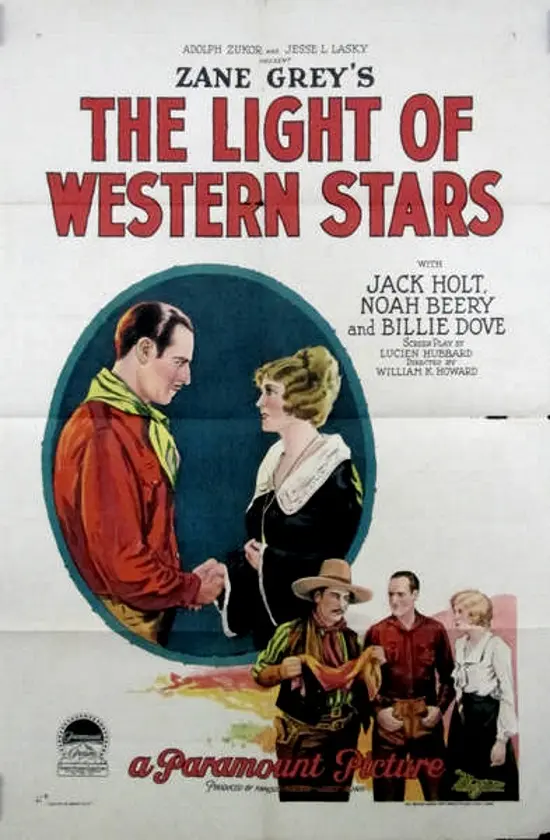
A definitive 5/10 rating for a film that redefined the boundaries of cult cinema. The Light of Western Stars remains a cornerstone of transgressive art.
Is The Light of Western Stars a silent film worth seeking out in the modern era? Short answer: yes, but only if you are willing to trade the high-octane pacing of modern cinema for a slow-burn character study that treats dirt and desperation as primary characters.
This film is specifically for those who appreciate the historical evolution of the Western genre and those who find beauty in the unpolished, grainy realism of the mid-1920s. It is emphatically not for viewers who require crisp digital action or a plot that moves without the heavy-handed moralizing typical of Zane Grey’s literary roots.
1) This film works because it presents a protagonist who is genuinely unlikable and broken at the start, making the stakes of his redemption feel earned rather than inevitable.
2) This film fails because the secondary characters, particularly the 'Mexican riffraff' mentioned in the plot, are treated with the unfortunate and reductive stereotypes common to 1920s Hollywood, which can be jarring for a contemporary audience.
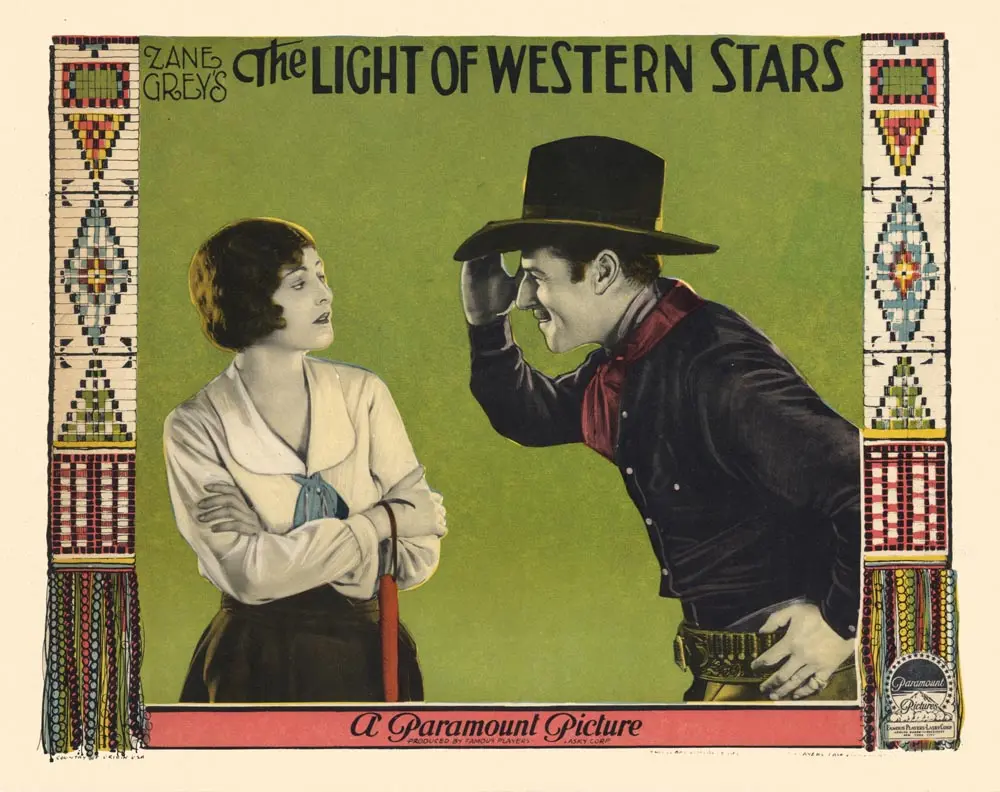
3) You should watch it if you want to see Jack Holt deliver a physical performance that bridges the gap between the theatricality of the early silent era and the rugged naturalism of the 1930s.
The Light of Western Stars is a film that smells of stale whiskey and sun-baked earth. From the opening frames, director William K. Howard (and his uncredited collaborators) establishes a borderland that feels lived-in and dangerous. Unlike the sanitized ranches seen in films like A Friendly Husband, the setting here is a character in its own right.
Jack Holt’s Gene Stewart doesn't just walk into a scene; he stumbles. The choice to introduce a Western 'hero' in a pig sty is a bold narrative move that still carries weight. It’s a subversion of the white-hat trope. Stewart is a man who has lost his dignity, and Holt plays this with a heavy-lidded, slumped-shoulder exhaustion that feels remarkably modern.
When Billie Dove enters as Madeline Hammond, the film shifts from a character study into a more traditional Western romance, but the tension remains. Dove brings a luminous quality to the role that contrasts sharply with the grime of the border. Her faith in Stewart isn't just a plot device; it’s a challenge to the lawlessness of the West itself.
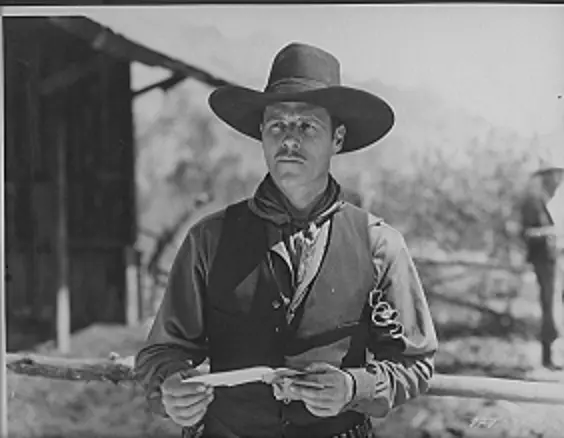
Jack Holt was often cast as the stoic lead, but here he gets to play with a broader palette. In the scenes where he is 'drunk and disorderly,' there is a lack of vanity that is refreshing. He isn't playing a 'charming' drunk; he’s playing a man who is actively rotting. This makes his eventual stand against Brand all the more impactful.
Billie Dove, often remembered for her ethereal beauty, provides a necessary grounding. While her character is written with the standard 'civilizing woman' tropes found in films like Two Moons, Dove manages to convey a sense of agency. She isn't just waiting to be saved; she is the one doing the saving, at least spiritually.
The chemistry between the two is subtle. It’s built on looks and quiet moments rather than grand declarations. This restraint keeps the film from sliding too far into the saccharine territory that plagued other 1925 releases like Stop That Wedding.
No discussion of this film is complete without Noah Beery’s turn as Brand. Beery was a master of the silent-screen menace, and here he is at his most formidable. He doesn't need dialogue to convey a sense of impending doom. A simple adjustment of his hat or a narrowed gaze is enough to shift the tone of a scene.
The conflict between Stewart and Brand is a classic Western setup, but the 1925 version adds a layer of grit. The threat to the ranch feels visceral. When Brand decides to take over, the stakes aren't just financial; they are existential. It’s a battle for the soul of the territory.
Beery’s performance provides a sharp contrast to the more nuanced villainy seen in mystery-dramas of the time, such as The Third Degree. Brand is a force of nature, an obstacle that can only be removed through force, which forces Stewart to reclaim his 'two-gun' persona for a righteous cause.
Zane Grey’s influence on the Western genre cannot be overstated, and this film captures his specific brand of romanticized landscape. The cinematography makes excellent use of deep focus, often placing the characters against vast, unforgiving horizons. This visual language emphasizes the isolation of the border.
The pacing, however, is where the film shows its age. There are sequences involving the ranch hands and the local population that feel like padding. While these moments are intended to build the world, they often distract from the central tension between Stewart and Brand. It lacks the tight editing found in contemporary thrillers like Who Killed Simon Baird?.
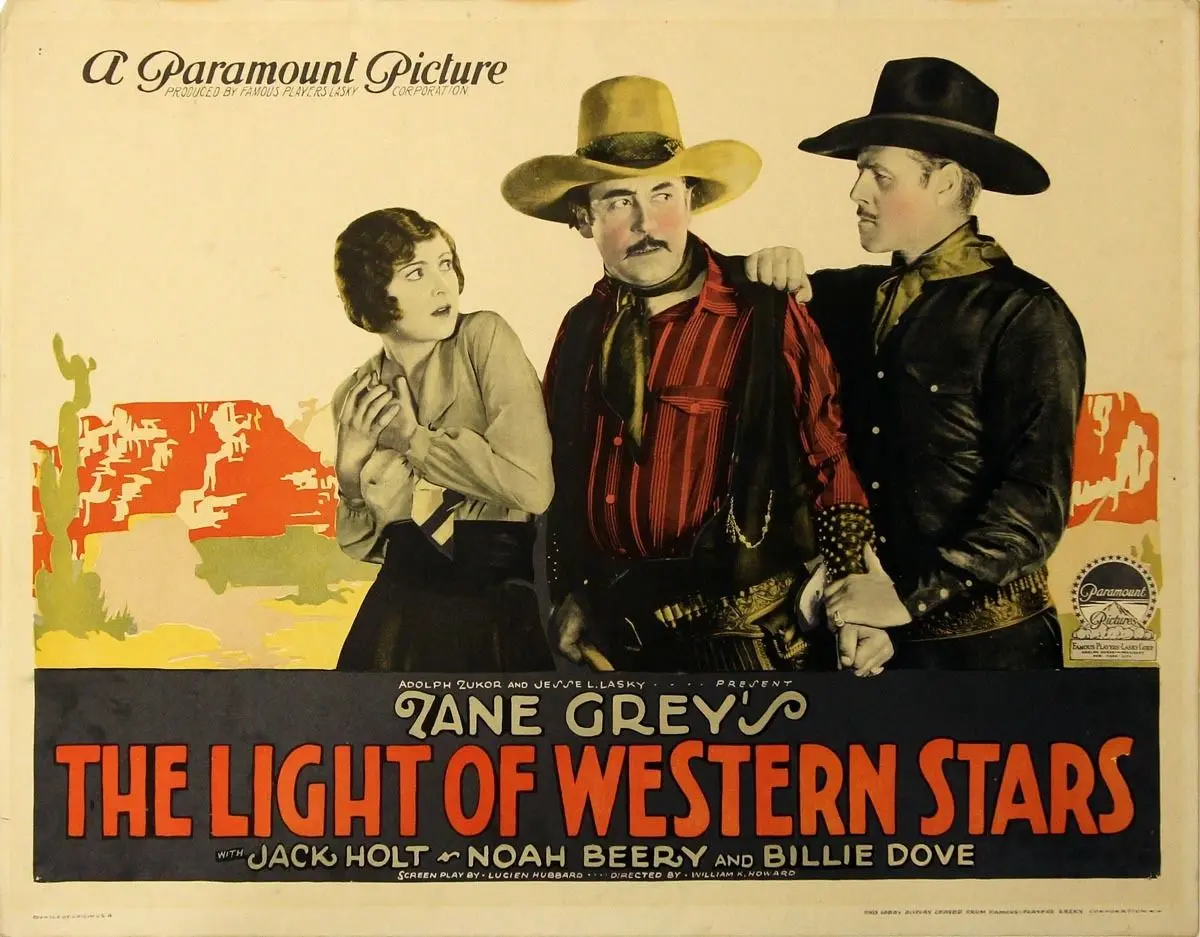
Despite this, the action choreography is impressive for 1925. The horse work and the final confrontation are staged with a sense of chaotic energy. It’s not the choreographed ballet of modern action, but a messy, dusty scramble that feels far more realistic.
If you are a student of cinema history, the answer is a resounding yes. The Light of Western Stars represents a pivotal moment where the Western was moving away from pure spectacle and toward character-driven drama. It handles the theme of redemption with a sincerity that is hard to find in the more cynical Westerns of the 1940s and 50s.
However, if you are looking for a casual weekend watch, you might find the silent-era conventions—such as the lengthy title cards and the occasionally static camera—a bit of a hurdle. It requires an active viewer, someone willing to lean in and read the performances rather than just letting the images wash over them.
One surprising element is the film’s depiction of Stewart’s alcoholism. It’s not played for laughs, which was common in the era. Instead, it’s treated as a legitimate tragedy. The scene where he is found in the pig sty is genuinely uncomfortable. It’s a moment of raw vulnerability that you don't often see from a leading man of Holt's stature.
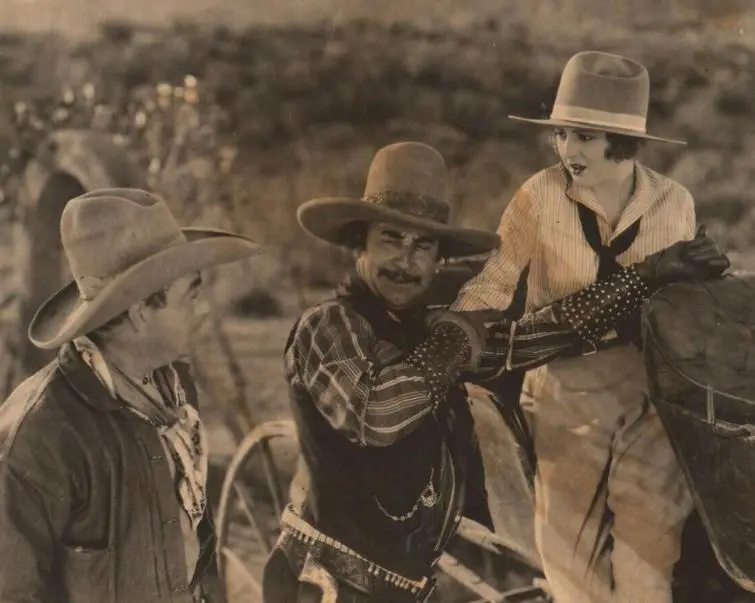
Furthermore, the film’s treatment of the border as a 'liminal space'—a place where laws are suggestions and identities are fluid—is remarkably sophisticated. It prefigures the 'Border Trilogy' themes of Cormac McCarthy by several decades, albeit in a much more melodramatic package.
Pros:
- Strong, grounded lead performance by Jack Holt.
- Atmospheric location shooting that captures the 'dust' of the West.
- A compelling villain in Noah Beery.
- A sincere exploration of the redemption arc.
Cons:
- Dated cultural depictions that haven't aged well.
- Some secondary plot lines feel like unnecessary filler.
- The moralizing can feel a bit heavy-handed by modern standards.
The Light of Western Stars is a sturdy, if slightly weathered, example of 1920s genre filmmaking. It works. But it’s flawed. The film’s greatest strength lies in its refusal to make its hero perfect from the start. By grounding Gene Stewart in the literal mud, the film makes his eventual ascent into the 'light' feel like a hard-won victory rather than a foregone conclusion.
While it may not have the technical complexity of later epics, it possesses a soul and a sense of place that many modern Westerns lack. It is a film of shadows and sun-glare, a reminder that even in the silent era, the West was a place of deep psychological conflict. If you can look past the dust of a century, there is a powerful story still flickering on the screen.
IMDb 6.1
1923
Community
Log in to comment.