DbcultAccessing Vault...
Cult Review
Senior Film Conservator
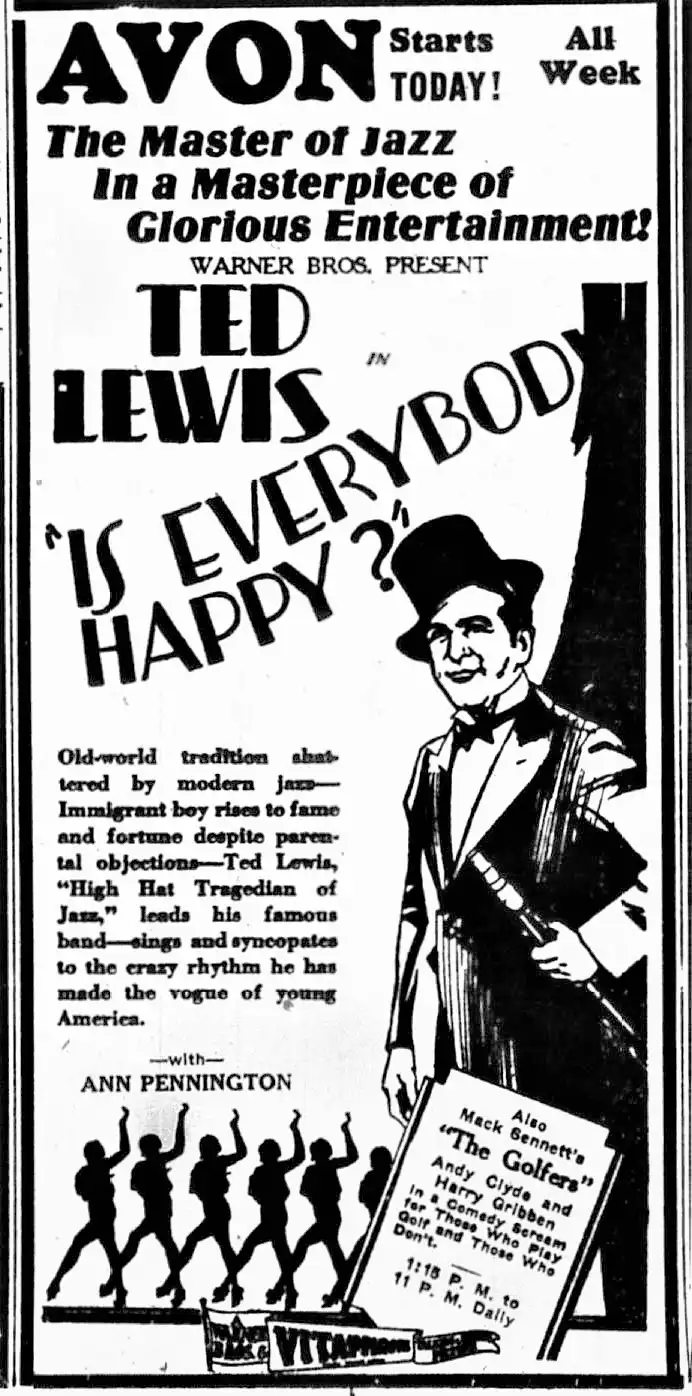
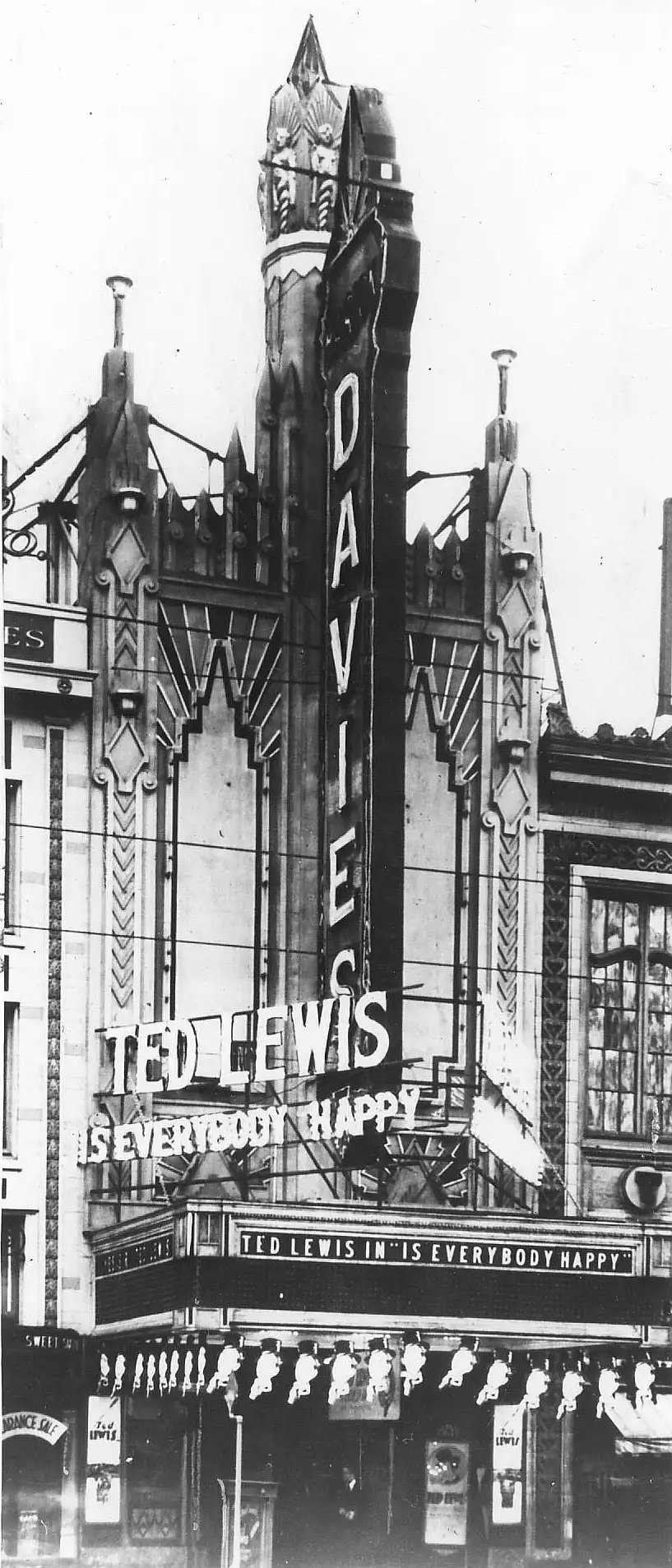
Okay, let's be real. Is Everybody Happy? from 1929 isn't exactly a Saturday night popcorn flick for most folks today. If you're a serious early sound film buff, or just *really* into big band jazz and its origins, then yeah, it's pretty cool. Everyone else? You’ll probably find it a bit of a slog, honestly. It’s a time capsule, loud and crackly, showing us what Hollywood thought a musical film should be *before* they really figured it all out. 🎺
The whole thing is basically a showcase for Ted Lewis, the bandleader, and his clarinet. He’s got this incredible, almost manic energy. You can see why he was so popular. The camera just sort of points at him and his band, and they do their thing. It’s less about intricate plot, more about the vibe.
The story itself, about Ted Lewis the band leader, is pretty thin. It’s more of a vehicle for the tunes, you know? It follows his rise, or something like it, but honestly, it’s just an excuse to get to the next musical number. You can almost feel the movie trying to connect the dots between songs, but it doesn't try too hard.
One thing that really sticks out is the sound. It's... *present*. You can hear it. Sometimes. It feels like the microphone is just shoved somewhere near the stage, picking up everything and nothing all at once. The music usually comes through loud and clear, but the dialogue? You gotta lean in for that. It’s part of the charm, I guess, but also a bit of a workout for your ears. 🗣️
The pacing is, well, it’s 1929. Things move at their own speed. There are long takes where the band just plays, and you can see the musicians just *doing their jobs*. Frankie Genardi, the drummer, he’s back there, just keeping time, almost like he forgot the camera was even there. It’s quite authentic.
There's this moment when Ted is talking to Alice Day, who plays some kind of romantic interest. The camera just *won't move*. It's a static shot, and they're just standing there, delivering lines. It feels so stilted, like they’re doing a stage play for a very distant audience. You really get a sense of how new all this sound-on-film stuff was. The actors hadn't quite figured out how to act for a microphone *and* a lens at the same time.
And Muggsy Spanier gets a moment! He's just a young trumpet player here, but he has this short burst of energy. It’s a quick solo that feels like a jolt in the otherwise calm flow of the film. A little spark of what's to come in jazz history, if you're looking for it. ✨
Honestly, the whole movie feels like it’s just trying to get through the next song, then the *next*. The narrative bits are there, but they’re clearly not the main event. You can almost sense the filmmakers thinking, “Okay, quick bit of plot, now back to the music, that’s what people want!”
The film is interesting for its historical value. It's a raw snapshot of what cinema was capable of at the time. The performances are often a bit theatrical, a bit too big for the screen, but then you get Ted Lewis, who just *radiates* this energy. It’s hard to look away from him, even when the rest of the film is a bit clunky. He’s got that charisma that transcends the fuzzy sound and static camera.
Did you notice the patterns on the wallpaper in that one scene where Ted’s in his dressing room? Quite something. Or maybe it was a painted backdrop. Hard to tell with the print quality. It’s a tiny detail, but it makes you think about the sets and how they put these things together back then.
The ending just kinda… happens. No big fireworks, just another song, and then it’s over. It leaves you feeling like you just watched a very long, very lively vaudeville act that somehow got filmed. It’s not polished, it’s not particularly cinematic in the modern sense, but it’s got a heart to it. It really does.
So, yeah. If you like early sound cinema, or want to see a genuine jazz legend in his prime, give it a shot. Otherwise, maybe skip it. It’s a niche taste, for sure. But a fascinating one. 🎬
IMDb —
1932
Community
Log in to comment.