DbcultAccessing Vault...
6.1/10
Senior Film Conservator
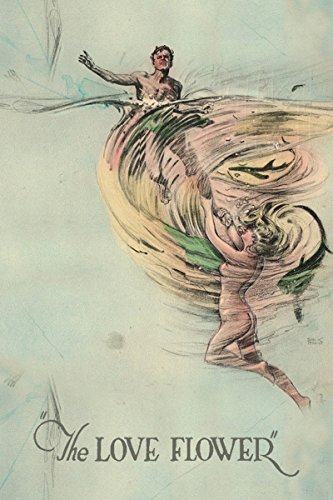
A definitive 6.1/10 rating for a film that redefined the boundaries of cult cinema. The Love Flower remains a cornerstone of transgressive art.
In the annals of silent cinema, the name D.W. Griffith evokes a complex tapestry of innovation, controversy, and an undeniable mastery of narrative form. While his monumental epics often dominate the discourse, it is in films like 1920's 'The Love Flower' that we witness his nuanced ability to craft intimate, yet sweeping melodramas, marrying personal anguish with breathtaking natural backdrops. This particular feature, penned by Griffith himself alongside Ralph Stock, transports its audience from the moral confines of societal judgment to the untamed, sun-drenched expanse of the South Pacific, weaving a tale of crime, flight, pursuit, and the blossoming of an unexpected romance. It's a film that, even a century later, retains a compelling emotional core, driven by the raw performances of its cast, including Adolph Lestina, Carol Dempster, and Richard Barthelmess.
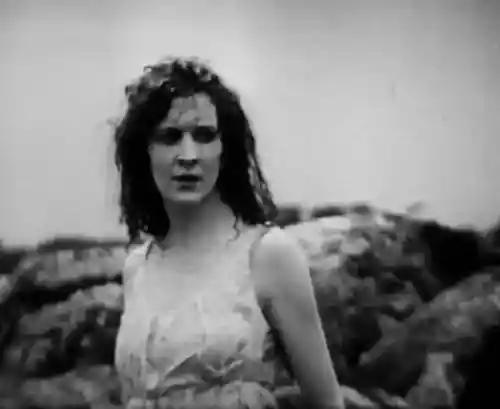
The narrative of 'The Love Flower' commences with a stark and brutal act, setting a somber tone that reverberates throughout the entire picture. Jerry Evans, portrayed with a compelling blend of desperation and paternal ferocity by Adolph Lestina, discovers his wife's infidelity. The betrayal, rather than leading to mere heartbreak, ignites a vengeful fury that culminates in the murder of her various lovers. This isn't a measured, calculated vengeance, but a visceral, almost instinctual lashing out against a perceived moral corruption that has invaded his domestic sanctity. Griffith, ever the master of human drama, doesn't shy away from the moral complexities inherent in such an act. Is Evans a villain, a victim, or a tragic figure driven to extremes? The film invites us to ponder this ambiguity, much like the morally grey areas explored in contemporary thrillers such as 'A Fatal Lie', though Griffith's approach is steeped in the heightened emotionalism characteristic of the silent era. The immediate aftermath of this crime forces Evans into an impossible choice: face justice, or flee into the unknown. He chooses the latter, his daughter, Stella (Carol Dempster), becoming both his sole companion and the innocent anchor to his fractured humanity.
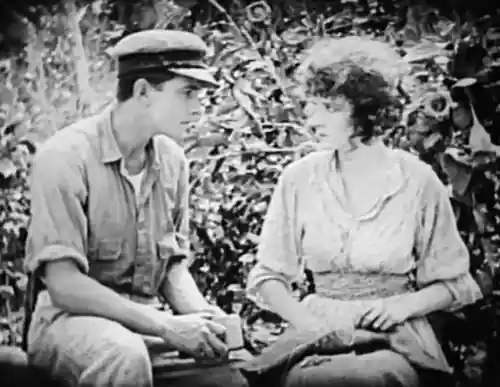
The film then transitions dramatically, transporting audiences from the urban decay and moral judgment of civilization to the breathtaking, untamed beauty of the South Pacific. Griffith’s visual storytelling shines here, contrasting the stark, violent opening with sweeping vistas of azure waters, swaying palms, and sun-drenched beaches. This remote island becomes Evans's self-imposed exile, a sanctuary where he hopes to outrun his past and raise Stella away from the societal condemnation that surely awaits them. The cinematography, a testament to the era's technical ambitions, captures the exotic allure of this setting, rendering it almost mythical. Yet, this paradise is not without its shadows. For Stella, it is the only home she knows, but one built upon a foundation of secrecy and a paternal protectiveness that borders on possessiveness. The island, while offering freedom from immediate capture, becomes a gilded cage, a constant reminder of their isolation and the ever-present threat of discovery. The tranquil beauty is perpetually underscored by a palpable tension, a sense that the peace is fleeting, fragile, and utterly dependent on their continued anonymity.

No matter how far one flees, the arm of the law, particularly in cinematic narratives, often proves inexorable. Detective Marking (Anders Randolf) embodies this relentless pursuit. His character is not merely a plot device but a personification of an unyielding justice system, meticulously tracking Evans across vast distances. Griffith masterfully builds suspense through parallel editing, intercutting scenes of the idyllic island life with the detective's methodical investigation, creating a palpable sense of impending doom. This narrative technique, a hallmark of Griffith's direction, keeps the audience on edge, constantly aware that the tranquility cannot last. The detective's journey, fraught with its own challenges, mirrors the desperate flight of Evans, albeit with entirely different motivations. The tension between the desire for freedom and the inevitability of accountability forms a core thematic conflict, echoing the cat-and-mouse dynamics seen in other thrillers of the period, such as 'The Man Behind the Curtain', though 'The Love Flower' imbues it with a deeper, more personal tragedy.

Into this delicate balance of peace and peril steps Bruce Carver, played with youthful earnestness by Richard Barthelmess. His arrival on the island is initially shrouded in a slight air of mystery, hinting at other narratives or perhaps even a connection to the ongoing pursuit. However, his true purpose swiftly crystallizes as he encounters Stella. Their meeting is serendipitous, an innocent spark igniting amidst the looming danger. Carver, unaware of Stella's father's dark past, finds himself captivated by her untainted beauty and spirit, a spirit nurtured by nature yet yearning for connection beyond her father's watchful eye. The film's title, 'The Love Flower', finds its profoundest meaning in this burgeoning romance. It represents the fragile, yet resilient, nature of love that can blossom even in the most unlikely and perilous circumstances. This romantic subplot is handled with Griffith's characteristic earnestness, emphasizing purity and destiny. It’s a classic trope, certainly, but one that resonates deeply, offering a beacon of hope against the encroaching shadows of past violence and present danger.

The performances in 'The Love Flower' are a testament to the power of silent acting, where emotion must be conveyed through gesture, facial expression, and physical presence. Adolph Lestina delivers a powerful portrayal of Jerry Evans, a man haunted by his actions yet fiercely devoted to his daughter. His eyes, often clouded with sorrow or narrowed in suspicion, communicate the constant internal battle he wages. Carol Dempster, as Stella, is the emotional heart of the film. Her innocence, her joy in the simple beauties of her island home, and her growing awareness of the world through her love for Bruce, are rendered with a touching vulnerability. She embodies the 'love flower' itself, delicate yet resilient. Richard Barthelmess, a frequent Griffith collaborator, brings a charming earnestness to Bruce Carver, making his character an easily likable and sympathetic figure. His interactions with Dempster convey a genuine chemistry, essential for the romantic core of the narrative. Even supporting roles, such as Anders Randolf's stoic Detective Marking, contribute significantly to the film's dramatic weight. The ensemble, under Griffith’s precise direction, manages to articulate complex emotional states without a single spoken word, a hallmark of the era's greatest talents.
D.W. Griffith's directorial hand is unmistakably evident throughout 'The Love Flower'. His innovative use of parallel editing, a technique he pioneered and perfected, is crucial to building tension and connecting disparate narrative threads. We constantly shift between the serene isolation of the island and the determined pursuit of the detective, creating a dynamic rhythm that propels the story forward. He employs close-ups to emphasize emotional states, wide shots to establish the stunning scale of the South Pacific, and meticulously composed frames that speak volumes. Griffith understood the power of visual metaphor, using the natural beauty of the island not just as a backdrop, but as a silent participant in the drama, reflecting the characters' internal struggles and hopes. His pacing, while occasionally deliberate by modern standards, allows for a full immersion into the emotional landscape of the film. He masterfully manipulates light and shadow, creating evocative moods that range from idyllic peace to stark suspense. The film serves as a reminder of Griffith’s profound impact on cinematic grammar, demonstrating how effectively he could tell a sprawling story with a deeply personal core, a narrative ambition also seen in films like 'Children of the Stage; or, When Love Speaks', though with a distinct geographical and thematic shift in this instance.
Beyond the surface narrative of flight and romance, 'The Love Flower' delves into profound themes. Central to its emotional weight is the complex portrayal of guilt and the yearning for redemption. Jerry Evans, despite his violent past, is not presented as purely evil. His actions, while heinous, are framed as a response to deep personal betrayal, and his subsequent flight is driven by an overwhelming desire to protect his daughter from the consequences of his deeds. This paternal love becomes his defining characteristic, a powerful, albeit possessive, force that dictates his every decision. The film explores the lengths a parent will go to shield their child, even if it means living a life of perpetual fear and isolation. Stella, in turn, represents innocence, a tabula rasa upon which the world slowly inscribes its complexities. Her journey from sheltered naivety to burgeoning womanhood, and her capacity for love, offers the possibility of breaking the cycle of violence and sorrow. The film subtly asks whether true absolution is possible, or if the past inevitably catches up, no matter how far one travels or how deep one buries their secrets. The interplay of these themes elevates the film beyond a simple adventure tale, imbuing it with a timeless resonance that speaks to fundamental human struggles.
In the landscape of early 20th-century cinema, 'The Love Flower' stands as a compelling example of Griffith's enduring artistry, even amidst the controversies that often overshadow his career. It showcases his remarkable ability to blend melodrama with exoticism, to craft characters whose internal conflicts are as vast as the oceans they traverse. While perhaps not as widely discussed as some of his more overtly ambitious works, it holds its own as a finely constructed and emotionally resonant film. Its exploration of crime, consequence, escape, and the redemptive power of love remains potent. The film's visual splendor, particularly its location shooting, was groundbreaking for its time, transporting audiences to a world far removed from their own. For contemporary viewers, it offers a valuable window into the narrative sophistication and technical prowess of the silent era, demonstrating how effectively stories could be told without dialogue. It serves as a reminder that the fundamentals of compelling storytelling – compelling characters, dramatic conflict, and evocative visuals – transcend technological limitations. It's a silent gem that continues to bloom, inviting new generations to discover its intricate petals of passion, peril, and profound human emotion.
Review by [Your Blogger Name/Persona]
IMDb 5.7
1934
Community
Log in to comment.