DbcultAccessing Vault...
4.3/10
Senior Film Conservator
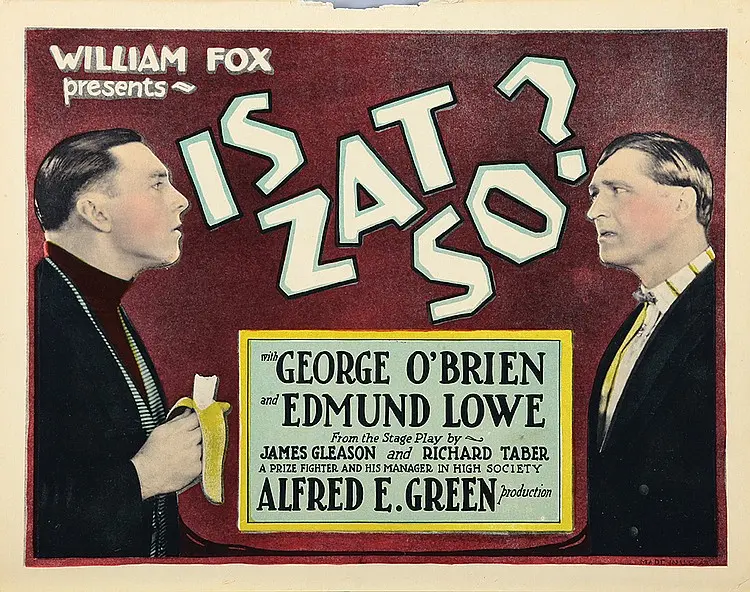
A definitive 4.3/10 rating for a film that redefined the boundaries of cult cinema. Is Zat So? remains a cornerstone of transgressive art.
Is 'Is Zat So?' a forgotten knockout in the history of silent cinema? Short answer: Yes, but only if you have the patience for the theatrical pacing of the late 1920s.
This film is specifically for fans of character-driven silent comedies and those interested in the evolution of the 'buddy film' dynamic. It is definitely not for viewers who require high-octane action or the visual experimentation found in German Expressionism of the same era.
This film works because the chemistry between George O'Brien and Edmund Lowe creates a genuine sense of camaraderie that feels decades ahead of its time.
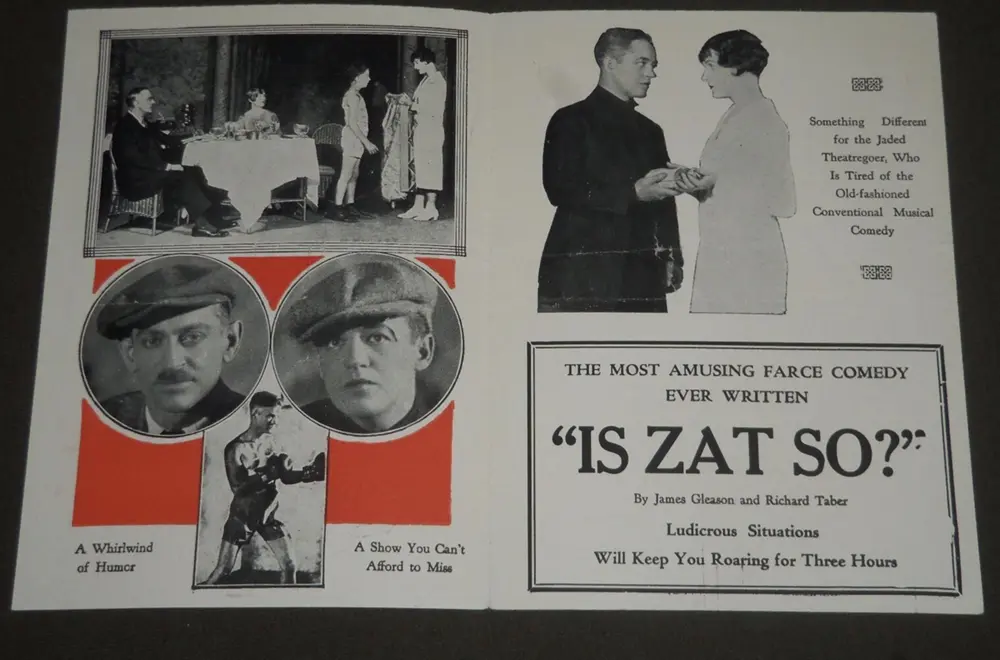
This film fails because the secondary plot involving the larcenous brother-in-law is thinly written and relies on tired Victorian-era tropes of inheritance theft.
You should watch it if you want to see a masterclass in physical presence from George O'Brien, whose transition from action star to comedic foil is handled with surprising grace.
Yes, 'Is Zat So?' remains worth watching today for its historical significance and its surprisingly modern humor. Unlike many of its contemporaries, the film relies less on slapstick and more on the friction between social classes. It provides a window into 1927 American culture, specifically the obsession with 'manliness' and boxing as a transformative tool for the upper class. The performances are grounded, making the characters feel like real people rather than caricatures.
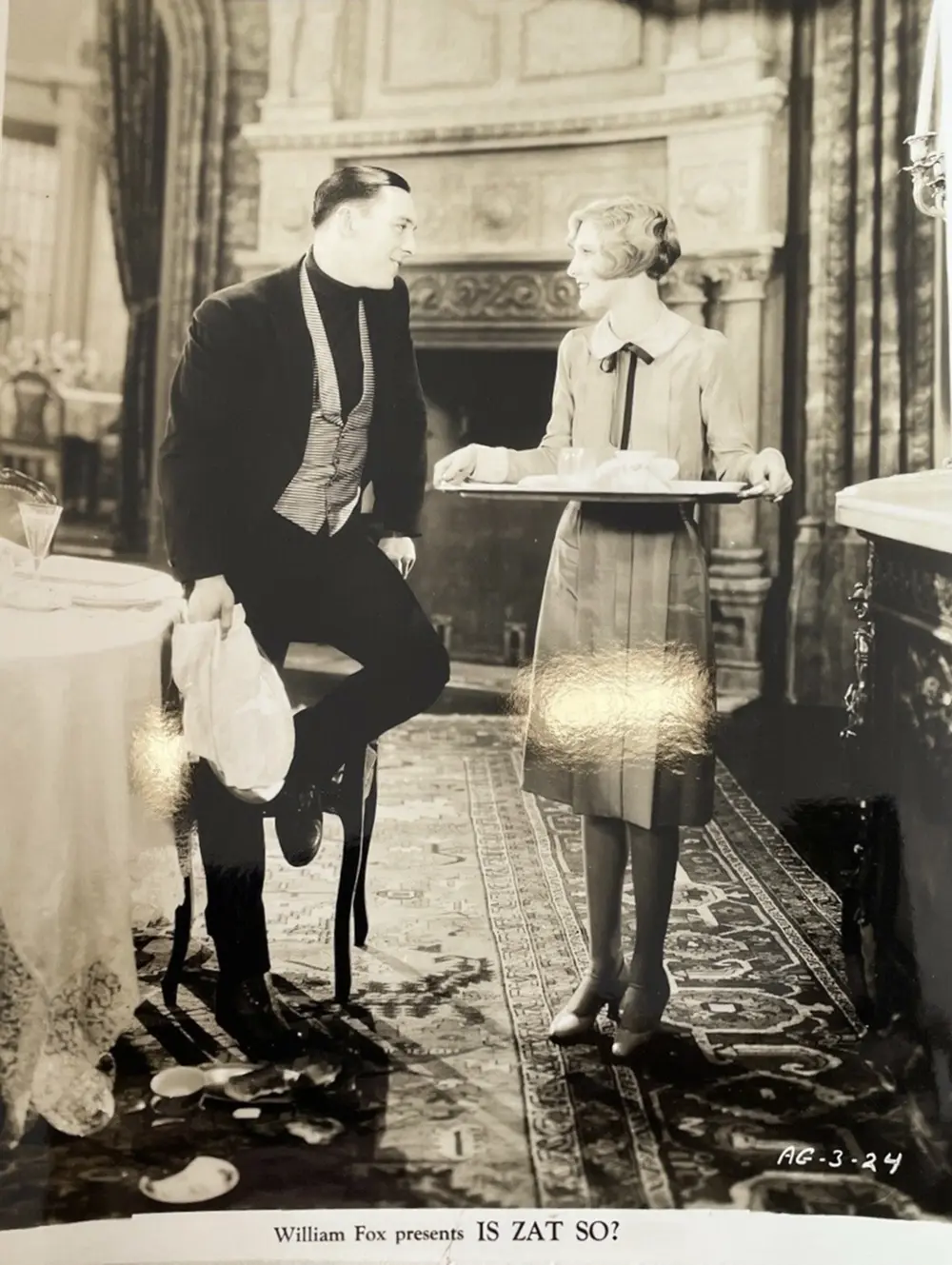
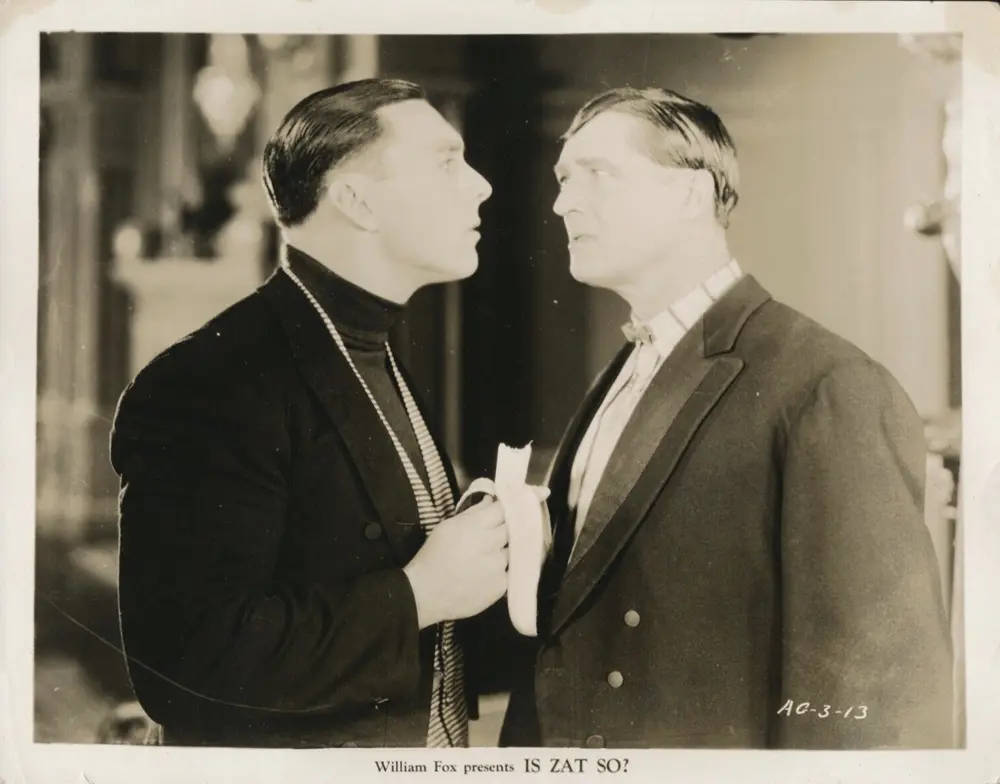
The narrative engine of 'Is Zat So?' is the delightful friction that occurs when Chick (George O'Brien) and Hap (Edmund Lowe) enter the high-society household. Directed by Alfred E. Green, the film manages to avoid the trap of being a mere filmed version of the hit Broadway play. Green uses the camera to emphasize the physical disparity between the boxers and their environment. When Chick sits in a delicate Louis XIV chair, you feel the tension in the wood. It is a simple visual gag, but it works every time.
The plot, involving a wealthy man needing to learn how to fight to protect his inheritance, is almost secondary to the character beats. The real joy is watching Lowe’s Hap Hurley navigate the complexities of upper-class etiquette with the grace of a street brawler. Lowe plays the manager with a cynical edge that balances O'Brien's more earnest, physical performance. This isn't just about boxing; it’s about the democratization of toughness.
George O'Brien is often remembered for his incredible physique, notably showcased in F.W. Murnau's 'Sunrise,' but here he shows a different side. In 'Is Zat So?', his physicality is used for comedic effect. There is a specific scene where he tries to teach his employer how to throw a jab while simultaneously trying to be polite to the domestic staff. The way his muscles ripple under a suit that is clearly too small for him serves as a constant reminder of his 'otherness' in this mansion.
Compared to other films like The City (1926), which treats urban life with a grim, almost suffocating seriousness, 'Is Zat So?' finds the levity in the struggle. O'Brien doesn't play Chick as a dim-witted brute. Instead, he gives him a soulful quality. He is a man who knows he is out of place but is determined to do his job with integrity. It is a nuanced performance that anchors the film’s more ridiculous moments.
The conflict driven by the brother-in-law, played with sneering efficiency by Cyril Chadwick, is the film's weakest link. It feels like a subplot from a different movie, perhaps something more akin to The Grip of Evil. While it provides the necessary catalyst for the boxing lessons, the stakes never feel truly dangerous. We know Chick will eventually punch the problem away.
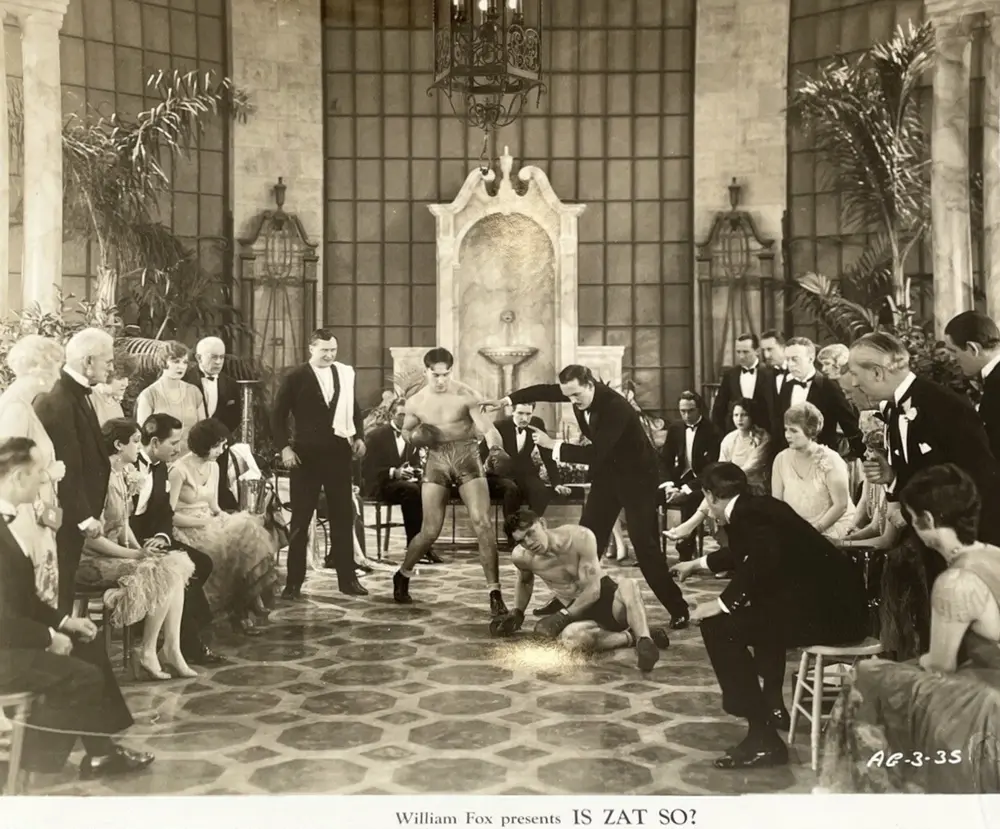
However, the film finds its rhythm when it focuses on the training montages. These aren't the high-speed edits we see in modern cinema. They are long, wide shots that allow us to appreciate the actual physical labor involved. The humor comes from the wealthy man’s total lack of coordination, contrasted with Chick’s effortless power. It’s a classic setup, but the execution is flawless.
For a film released in 1927, the pacing is surprisingly brisk, though it does hit a snag in the second act. The writers—Richard Taber, James Gleason, and Philip Klein—clearly understood that the dialogue-heavy nature of the original play needed to be translated into visual storytelling. They succeeded by leaning into the 'fish out of water' elements. The intertitles are punchy and capture the slang of the era without being incomprehensible to a modern audience.
The cinematography doesn't take the risks found in The Awakening, but it is clean and effective. The lighting in the mansion scenes is bright and flat, emphasizing the artificiality of the wealthy world, while the gym scenes have a bit more shadow and texture. This visual distinction helps ground the two worlds Chick and Hap are trying to bridge.
One surprising element is the performance of a young Douglas Fairbanks Jr. Even in a supporting role, he possesses a magnetism that hints at the stardom to come. His presence adds a layer of youthful energy to the household that contrasts well with the stuffy older characters. Another observation: the film is surprisingly progressive in how it depicts the bond between the boxer and manager. It’s not just a business relationship; it’s a brotherhood that survives despite constant bickering.
It works. But it’s flawed. The ending is predictable, and the romantic subplots are somewhat half-baked. Yet, the core of the movie—the idea that everyone has a fight in them if they just find the right trainer—is oddly moving. It’s a sentiment that would later be explored in much darker ways in films like Souls Enchained, but here it is handled with a light, comedic touch.
Pros:
Cons:
'Is Zat So?' is a charming, well-constructed comedy that serves as a perfect showcase for its leads. While it doesn't reinvent the cinematic wheel like some of its contemporaries, it provides a highly entertaining experience that has aged remarkably well. It is a testament to the fact that good character work and genuine chemistry are timeless. If you can look past the standard silent-era melodrama of the inheritance plot, you will find a film that is punchy, funny, and surprisingly sweet. It’s a solid win for Fox Film Corporation and a must-watch for anyone tracking the history of the sports comedy genre.
IMDb 7.1
1931
Community
Log in to comment.