DbcultAccessing Vault...
Cult Review
Senior Film Conservator
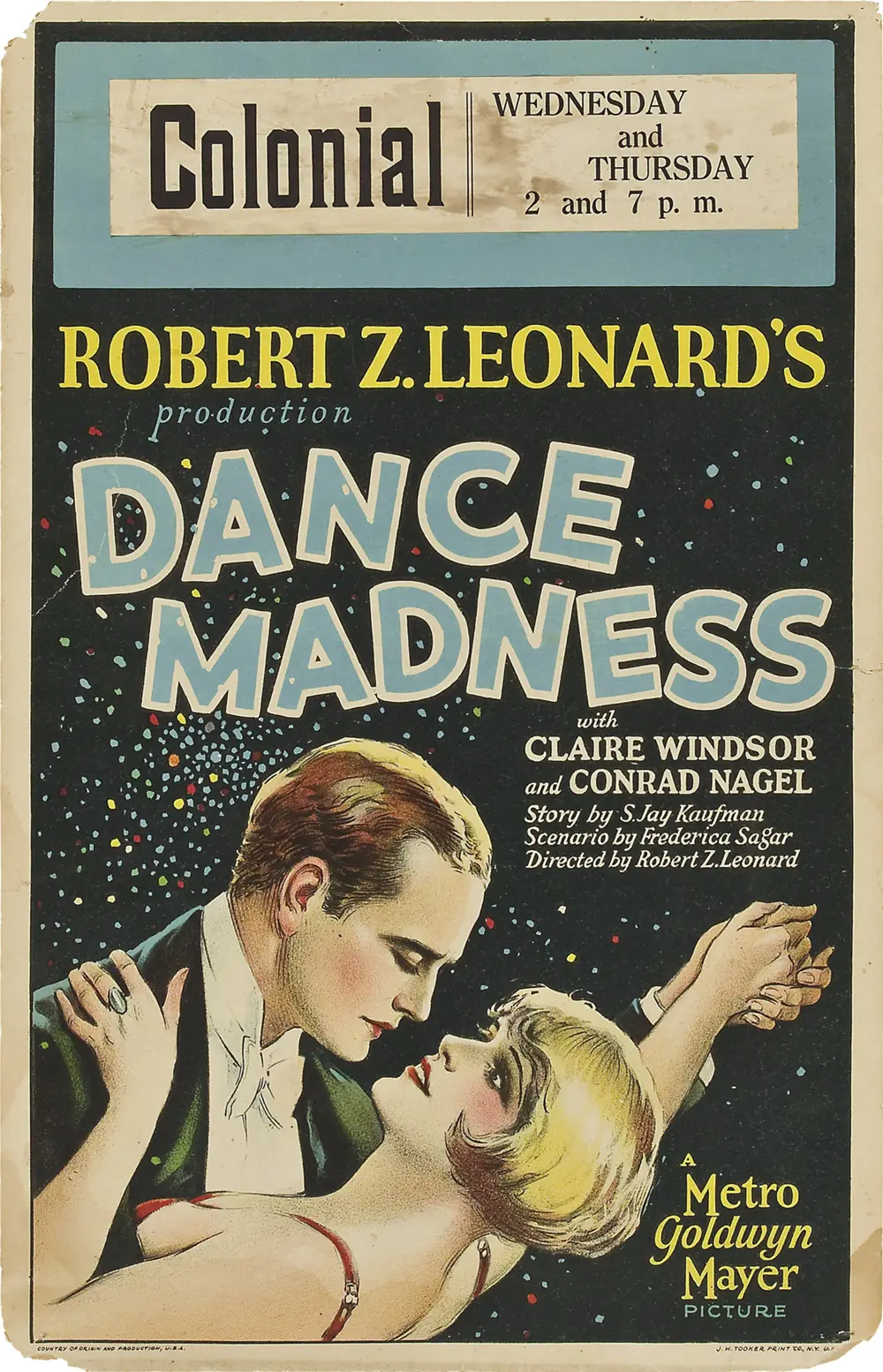
Short answer: Yes, but it’s a challenging experience that requires a keen interest in the silent film era and the societal pressures of the early 20th century. Dance Madness is a poignant exploration of ambition and the price of social acceptance, making it a must-watch for those fascinated by the intersection of art and history.
This film is for the cinephile who values the intricate details of silent cinema and the nuanced portrayal of societal dynamics. It is not for those seeking a light-hearted, modern narrative, as the film’s pacing and emotional depth might prove too slow and intense for casual viewers.

The film’s strength lies in its meticulous portrayal of the social strata of early 20th-century America. The meticulous set designs, particularly in the opulent mansion and the bustling cityscapes of New York and Paris, vividly bring the era to life. The performances, especially by Conrad Nagel and Hedda Hopper, are imbued with a palpable tension and emotion, making the viewer acutely aware of the characters' inner struggles.
Despite its strengths, Dance Madness suffers from a lack of contemporary relevance. The film’s exploration of social ambition and the high stakes of marriage feels dated, and the pacing is sometimes slow, which may be off-putting to modern audiences. Additionally, the film’s reliance on silent cinema techniques can make it difficult for those new to the genre to fully engage with the narrative.

You should watch it if you are a silent film enthusiast, interested in the societal dynamics of early 20th-century America, or drawn to complex, character-driven narratives. The film offers a rich tapestry of emotional and social commentary, making it a rewarding viewing experience for those willing to immerse themselves in its world.
Conrad Nagel and Hedda Hopper deliver nuanced performances that breathe life into their characters. Nagel’s portrayal of May’s fiancé, Roger Hallday, is particularly notable for its complexity, capturing the character’s shifting emotions and the overwhelming pressure he faces. Hopper’s performance as the driven and often bitter mother, Millicent Russell, is equally compelling, with her character’s inner turmoil and the external pressures she faces vividly portrayed.

Frederica Sagor Maas and Alice D.G. Miller’s direction is commendable for its ability to capture the essence of the silent film era without resorting to overt melodrama. The film’s pacing is deliberate, allowing for moments of intense emotional buildup that would have been lost in a more modern narrative. The directors skillfully use visual storytelling to convey the characters’ inner lives, making the film a visually engaging and emotionally resonant experience.
The film’s cinematography is a standout element, with stunning shots of New York and Paris providing a vivid backdrop to the characters’ lives. The opulent interiors of the Russell mansion and the bustling cityscapes are meticulously captured, with a focus on the intricate details that bring the world to life. The use of natural lighting and shadow creates a moody and atmospheric tone, enhancing the film’s emotional depth.
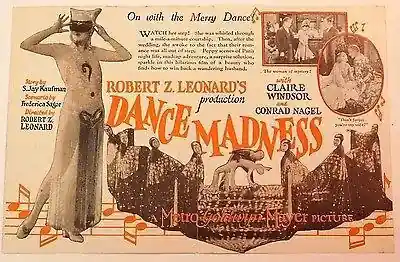
The pacing of Dance Madness is deliberate and slow, which can be both a strength and a weakness. The film’s measured approach allows for a deep exploration of the characters’ inner lives and the societal pressures they face. However, the slow pacing can also make the film feel drawn out, particularly for modern viewers who are accustomed to more rapid narratives. The film’s climax, however, is particularly impactful, providing a sense of resolution that underscores the emotional journey of the characters.
The film’s tone is a complex blend of glamour and despair, with the opulent settings serving as a stark contrast to the characters’ inner struggles. The film’s tone is emotionally intense, with moments of tension and conflict that keep the viewer engaged. The film’s climax is particularly impactful, providing a sense of resolution that underscores the emotional journey of the characters.
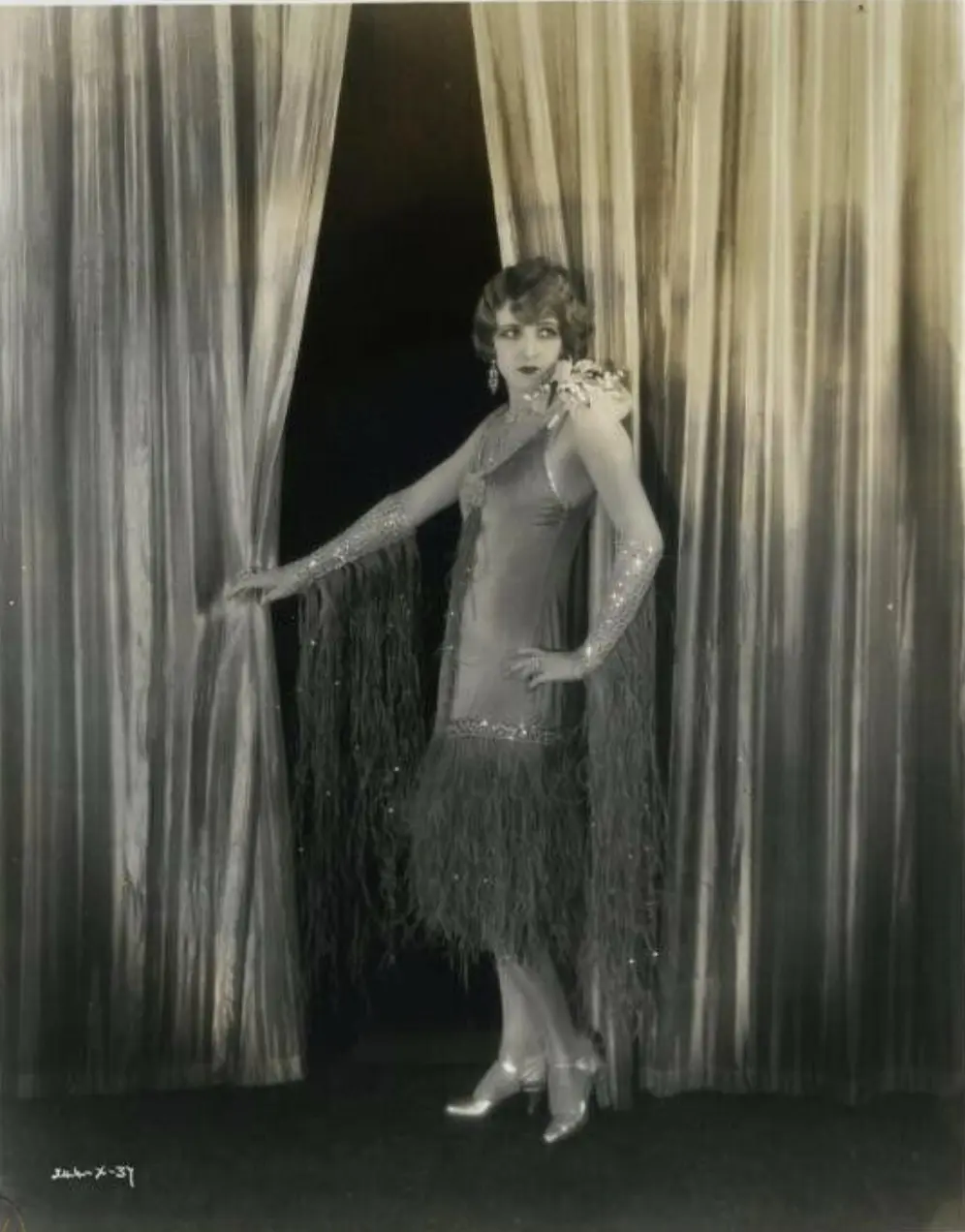
While Dance Madness may not be for everyone, it is a film that rewards those willing to immerse themselves in its world. The film’s rich visual and emotional landscape, combined with its nuanced performances and deliberate pacing, make it a standout entry in the silent film genre. The film’s exploration of societal pressures and the pursuit of social acceptance is both poignant and timeless, making it a valuable viewing experience for those interested in the history and art of silent cinema.
It works. But it’s flawed. Dance Madness is a film that requires a keen interest in the silent film era and the societal pressures of the early 20th century. While it may not be for everyone, it is a valuable viewing experience for those willing to immerse themselves in its world. The film’s rich visual and emotional landscape, combined with its nuanced performances and deliberate pacing, make it a standout entry in the silent film genre.

IMDb —
1919
Community
Log in to comment.