DbcultAccessing Vault...
Cult Review
Senior Film Conservator
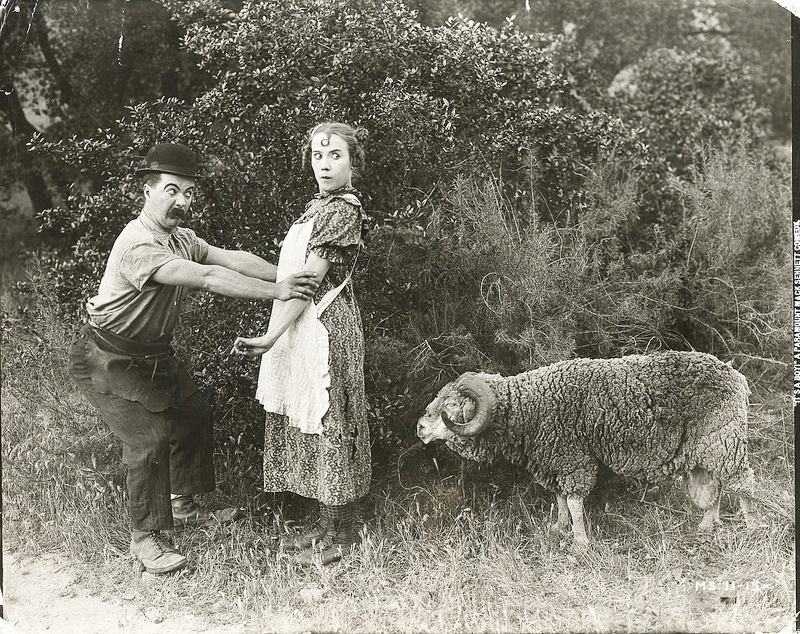
Slapstick, at its most alchemical, distills panic into joy; It’s a Boy distills that joy into rocket fuel and lights the fuse with a single infant. The resulting conflagration—equal parts maternity-ward farce and class-system roast—propels its characters through a gauntlet of collapsing social pretenses like a pinball machine rigged for maximum clang.
Forget narrative arcs—the film is a detonated string of firecrackers. A foundling rolls onto the scene in a perambulator commandeered by seagulls; from that moment on, every ego in the resort town is dented, every engagement broken, every political campaign derailed. The screenplay treats causality like a drunk treats a lamppost: for support, not illumination. Yet within the chaos sits a razor-sharp caricature of 1920s moral hysteria—suffragettes weaponize baby bottles, prohibitionists swig communion wine, and hotel staff stage a coup d’état using nothing but linen sheets and a trumpet.
Louise Fazenda, eyes spinning like slot-machine reels, turns a one-note society matron into a grand opera of flailing feather boas. Her screech could sand varnish off a yacht. Jane Allen, by contrast, plays the ingénue with the placid cunning of a cat at a mouse convention—every blink is a chess move. Billy Armstrong’s besotted bellhop deserves a Nobel for physical endurance: his pratfalls defy both gravity and chiropractic science. Meanwhile, Teddy the Dog—a border collie mix with the deadpan gravitas of Buster Keaton—steals every frame simply by existing. His reaction shots alone deserve a separate reel.
Cinematographer unknown (the silent era was cruel with credits) shoots the seaside town like a fever dream painted by Edward Hopper on amphetamines. Boardwalk planks become tightropes, beach umbrellas morph into medieval shields, and the lighthouse finale—lit by magnesium flares—turns the cylindrical tower into a stroboscopic cathedral. Intertitles, scrawled in jittery hand-lettering, appear at the precise moment your lungs need oxygen; they function like rim-shots in a jazz solo.
Modern comedies often mistake volume for velocity; It’s a Boy understands that speed is rhythm. The editing—likely done with garden shears and prayer—creates a metronome that ticks at 180 bpm. Gags overlap like Bach fugues: while one matron slips on a banana peel, another is catapulted into a wedding cake, and in the background a dog drives a Model T into a tar-and-feather vat. The eye cannot rest; the funny bone files for overtime.
Beneath the custard-pie exoskeleton lurks a gender satire sharper than a flapper’s bob. The film’s central panic—an unclaimed baby—exposes how fragile the era’s social contracts were. A woman without a child was suspect; a child without a mother was contagion. By forcing its dowagers, flirts, and career girls to co-parent a squealing prop, the movie ridicules the cult of maternity with gleeful sacrilege. Watch Fazenda’s face contort when she’s handed a diaper: it’s the same horror Macbeth sees upon the dagger.

Archival records suggest the original score—performed live in 1920—featured xylophones, slide whistles, and a rogue trombone. Even silent, the film sings. Contemporary audiences supply their own soundtrack of involuntary guffaws, proving that comedy is the true universal language—esperanto with pratfalls.
Place It’s a Boy beside Sherlock Holmes’ cerebral sleuthing or the metaphysical yearning of ’Tween Heaven and Earth and you witness the whole silent spectrum: from brain to id, from cosmos to custard. The film shares DNA with Twin Bed Rooms’ marital mischief and the anarchic propulsion of Like Wildfire, yet its infant MacGuffin predates the baby-boom fetish of post-war sitcoms by three decades. If The Misfit Wife mourned the corset’s demise, It’s a Boy sets the corset on fire and roasts marshmallows over the flames.
Only fragments survive—four of five reels squirreled away in a Belgian archive, rescued from a convent basement beside a crate of banned lace. The 2022 2K restoration tints the night sequences a bruised indigo and the daytime a jaundiced yellow that makes everyone look like they breakfasted on gin. The tinting choice polarizes purists, yet it amplifies the film’s sunstroke dementia. Streaming on niche platforms and tucked into the back half of a Criterion box set, the movie still awaits its mainstream resurrection—Netflix, are you listening?
Trace the chromosomes of Some Like It Hot, Mrs. Doubtfire, even The Hangover—you’ll find It’s a Boy’s baby-carriage axle grease. The film perfected the template: escalate, escalate, escalate until the only sane response is hysteria. Spielberg paid homage in 1941 with a runaway baby-cart; the Coens borrowed its coastal chaos for Hail, Caesar! Yet none replicate the sheer centrifugal lunacy of the original.
I came for Teddy the Dog; I stayed for the existential slapstick. The film is a cracked mirror reflecting our perpetual fear of responsibility, then laughing so hard the shards become confetti. It is not merely funny—it is the sound of comedy discovering electricity. Seek it, stream it, scream at it. And if the final lighthouse silhouette doesn’t make you believe cinema can cradle the cosmos in a pram, check your pulse—you may already be a mannequin.
"To call It’s a Boy a relic is to call a supernova a spark. It is the moment slapstick learned it could fly—then jumped off the pier wearing lead boots and still missed the water."
If you enjoyed this deep-dive, gallop over to our takes on Arizona’s desert noir or Border River’s western existentialism. Keep the popcorn salty and the takes spicier.
IMDb 4.7
1914
Community
Log in to comment.