DbcultAccessing Vault...
Cult Review
Senior Film Conservator
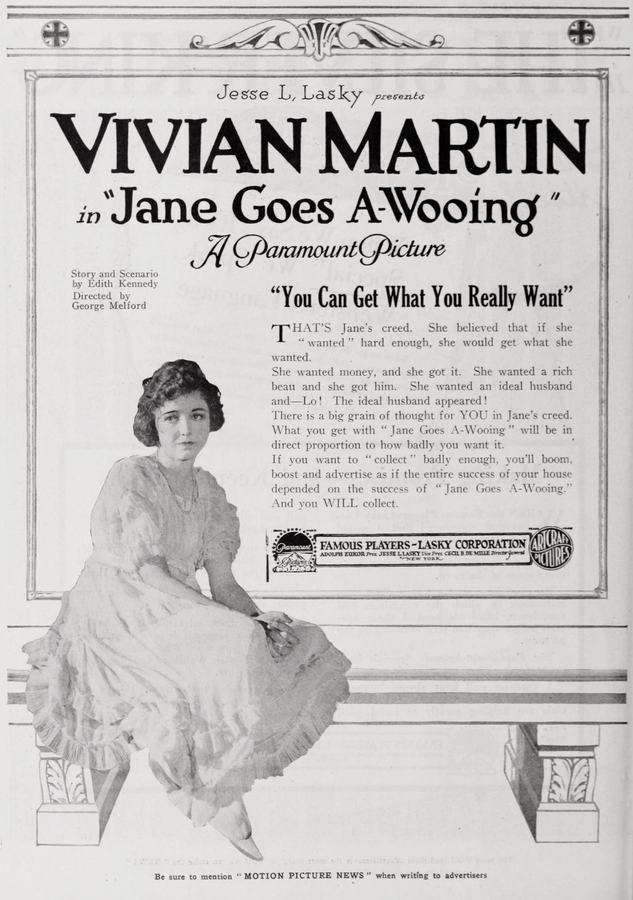
Ah, the silent era! A time when emotions were writ large across faces, stories unfolded through expressive gestures, and the magic of cinema relied purely on visual poetry and the evocative power of a piano or orchestra. Stepping back into this fascinating period, we encounter a gem that, while perhaps not as widely celebrated as some of its contemporaries, offers a compelling narrative rich in human drama: Jane Goes A' Wooing. This 1919 feature, penned by the insightful Edith M. Kennedy, is more than just a period piece; it's a timeless exploration of love, social aspiration, and the often-painful path to self-discovery. It reminds us that the fundamental human dilemmas remain constant, regardless of the technological advancements in storytelling.
At its heart, Jane Goes A' Wooing presents a narrative arc that has resonated with audiences for centuries: the journey of a virtuous protagonist navigating a world of moral choices and societal pressures. Our titular character, Jane Neill, portrayed with an understated grace by Lila Lee, is introduced as a paragon of self-sacrifice. Her life is defined by the weighty responsibility of raising her younger twin sisters, a duty she embraces with unwavering devotion after the unfortunate demise of their parents. This immediate establishment of her character as selfless and industrious sets a strong foundation, making her subsequent missteps all the more poignant. Her initial circumstances are a familiar cinematic trope: the plucky young woman striving against adversity, a theme echoed in countless films, from the gritty realism of The Unpainted Woman to the more romanticized struggles often seen in the era.
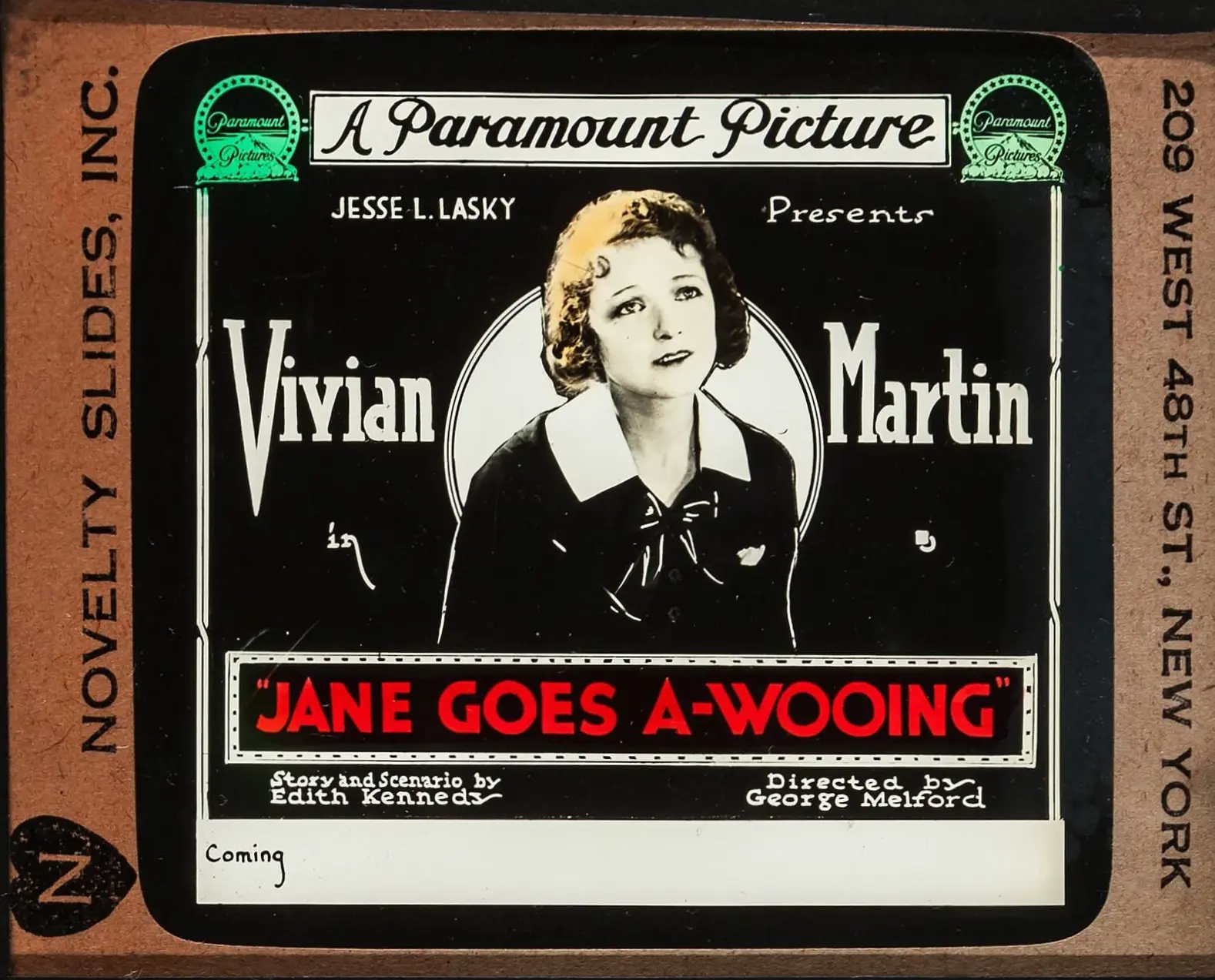
To support her small family, Jane secures a position within the household of a wealthy millionaire. This transition immediately thrusts her into a different social stratum, a world of affluence and privilege that stands in stark contrast to her humble origins. It's here that the central romantic entanglement begins to unfurl, a classic love triangle that pits genuine affection against the deceptive glitter of social standing. On one side, we have Micky, played by the dependable Niles Welch, a man characterized by his unwavering loyalty and intrinsic goodness. Micky represents stability, true partnership, and a love that is pure and uncomplicated. His proposal to Jane is an offer of a life built on mutual respect and affection. On the other side, however, is the millionaire's nephew, a character embodying the allure of status and the seductive danger of superficial charm. This young man, likely portrayed with a certain rakish appeal by an actor like Casson Ferguson or Herbert Standing, is spoiled, indolent, and ultimately, a poor choice for Jane's affections.
Jane, in a decision that forms the crux of the film's dramatic tension, chooses the nephew over Micky. This choice, while frustrating for modern viewers who might easily identify Micky as the 'right' path, is entirely understandable within the context of the narrative and the human condition. For a young woman like Jane, who has known only hardship and responsibility, the prospect of a life of ease, comfort, and perhaps even a touch of glamour, offered by the millionaire's nephew, could be intoxicating. It's a classic Cinderella fantasy, albeit one with a more grounded, cautionary twist. The film subtly explores the idea that sometimes, what we think we want, or what society tells us we should aspire to, is not what will ultimately bring us happiness. This theme of mistaken desires and eventual enlightenment is a powerful one, often explored in silent dramas like Sylvi, where characters grapple with societal expectations versus personal fulfillment.
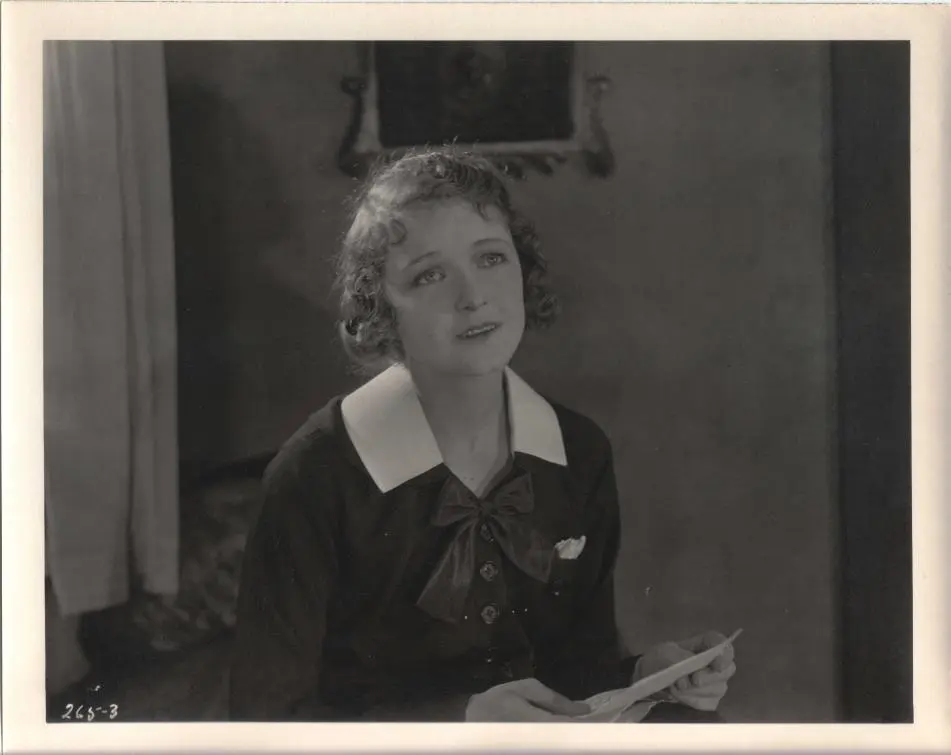
The narrative skillfully portrays the consequences of Jane's choice. Her relationship with the nephew, initially promising, devolves into a source of considerable heartache. The film doesn't shy away from depicting the hollowness of a connection built on superficiality and the painful realization that true affection cannot be bought or feigned. This period of suffering is crucial for Jane's character development, serving as a crucible for her eventual growth and understanding. It’s a testament to Edith M. Kennedy's writing that Jane isn't simply portrayed as naive, but as a complex individual capable of making flawed choices, yet also possessing the strength for introspection and redemption.
A significant turning point arrives with the millionaire's death and the subsequent inheritance of his estate by Jane. This plot device, while seemingly a stroke of good fortune, is cleverly utilized to deepen Jane's emotional turmoil rather than resolve it. The wealth, instead of bringing joy, becomes intertwined with the pain of her failed relationship and the realization of her misjudgment. It's a classic moral dilemma: material gain at the cost of emotional well-being. This inheritance, far from being a happy ending, serves as the final catalyst for Jane's awakening. It forces her to confront the true value of what she lost and the emptiness of what she gained. The film subtly argues that true wealth lies not in material possessions, but in genuine human connection and integrity. This thematic resonance can be found in other films that explore the corrupting or clarifying influence of wealth, such as The Naulahka, which also delves into the complexities of desire and possession.
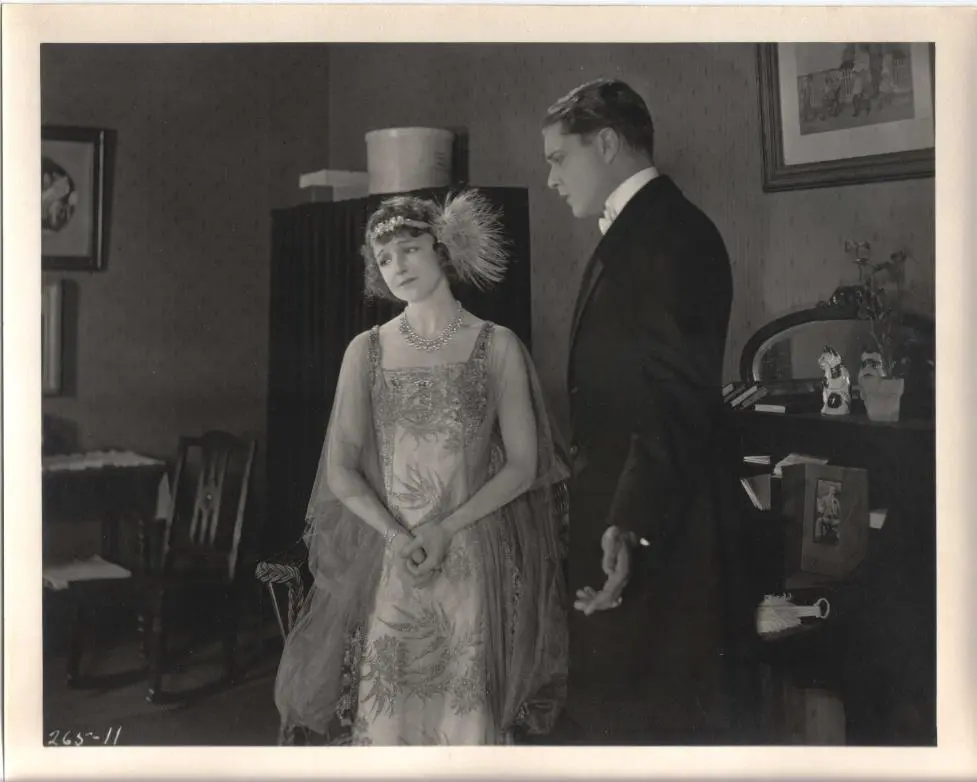
The climax of Jane's emotional journey sees her finally 'coming to her senses.' This phrase, often used in period pieces, signifies a moment of profound clarity and a rejection of past follies. She realizes the depth of Micky's unwavering love and the superficiality of her previous affections. Her return to the 'ever-faithful Micky' is not merely a romantic resolution; it's a symbolic act of self-acceptance and a reaffirmation of authentic values. It suggests that true happiness lies not in chasing fleeting glamour, but in recognizing and cherishing steadfast devotion. The film beautifully concludes with this redemptive arc, leaving the audience with a sense of satisfaction that Jane has found her true north.
The success of a silent film, particularly one driven by character development, rests heavily on the shoulders of its cast. Without dialogue, actors had to convey a vast spectrum of emotions through facial expressions, body language, and carefully choreographed movements. Lila Lee, as Jane, would have needed to master this art, transitioning convincingly from innocent self-sacrifice to infatuated folly, and finally to a mature, chastened wisdom. Her performance would have been critical in making Jane's choices understandable and her eventual redemption earned. Niles Welch, as Micky, likely delivered a performance characterized by quiet strength and consistent warmth, making his character a reliable anchor in Jane's tumultuous life. The supporting cast, including veteran actors like Spottiswoode Aitken and Herbert Standing, along with talents such as Bernadine Zuber, Clyde Benson, Helen Dunbar, Frank Hayes, Ida Mae McKenzie, Ella McKenzie, and Vivian Martin, would have contributed to the rich tapestry of the millionaire's household and the broader community, each through their distinct physical portrayals.
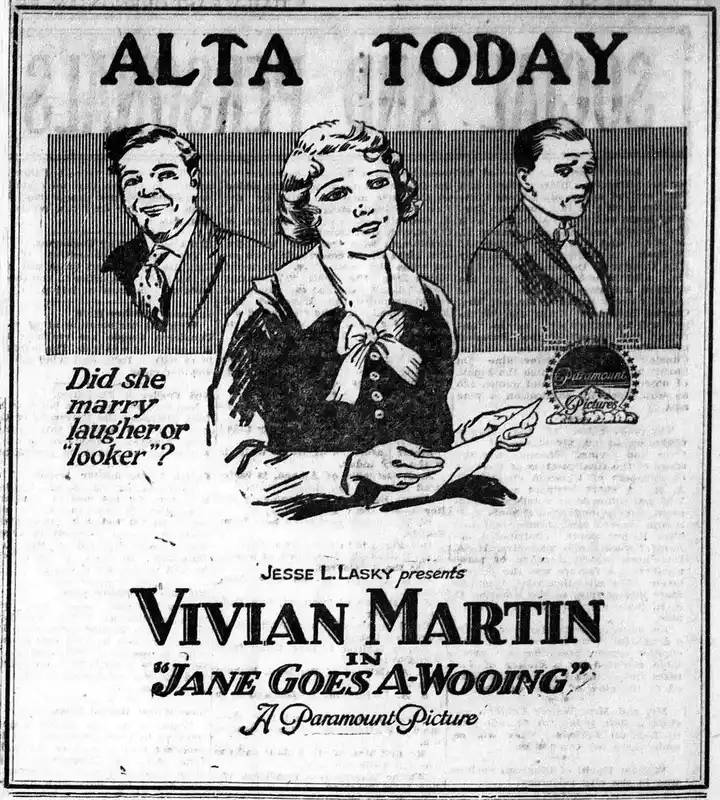
The direction of Jane Goes A' Wooing, while not explicitly detailed in the synopsis, would have been paramount in shaping the film's emotional landscape. Silent film directors were masters of visual storytelling, utilizing framing, mise-en-scène, and editing to guide the audience's understanding and emotional response. Close-ups on Jane's expressive face during moments of decision or heartache, wide shots establishing the contrast between her humble beginnings and the millionaire's estate, and carefully timed intertitles would have all worked in concert to tell this story effectively. The pacing, a crucial element in silent film, would have dictated the rhythm of Jane's journey, allowing moments of romantic tension to build and periods of reflection to sink in. The visual language of the film, from costume design to set decoration, would have underscored the class distinctions and the changing circumstances of Jane's life. Think of the elaborate sets and costumes in films like The Secret Game, which used visual grandeur to convey intricate narratives.
It is imperative to acknowledge the foundational role of Edith M. Kennedy, the writer behind this compelling narrative. In an era where female writers were carving out significant spaces in Hollywood, Kennedy's contribution to Jane Goes A' Wooing speaks volumes about her ability to craft engaging, character-driven stories that resonated with audiences. Her screenplay, even in its silent form, would have been rich with dramatic potential, offering clear motivations and a satisfying emotional arc. The careful construction of the love triangle, the development of Jane's internal conflict, and the poignant resolution are all testaments to a skilled storyteller. Kennedy's work, like that of many unsung writers of the silent era, provided the backbone for the visual spectacle, ensuring that the film was not just a series of images, but a coherent and meaningful experience. Her ability to weave a tale of moral awakening through the conventions of melodrama is particularly noteworthy, echoing the narrative complexities found in other strong female-led stories of the period, such as those that might touch upon themes present in Our Mrs. McChesney.
Beyond the immediate plot, Jane Goes A' Wooing delves into several universal themes that continue to captivate viewers. The most prominent is undoubtedly the eternal struggle between true love and material ambition. Jane's initial choice is a stark illustration of how easily one can be swayed by the superficial trappings of wealth and social status, overlooking the more profound, albeit less flashy, virtues of loyalty and genuine affection. This theme remains as relevant today as it was a century ago, a constant reminder to look beyond the surface.
Another powerful theme is that of redemption and self-discovery. Jane's journey is not a straightforward path to happiness; it's fraught with mistakes, heartache, and the painful process of learning from one's errors. Her eventual return to Micky is not a defeat, but a triumph of wisdom and maturity, signifying a deeper understanding of herself and what truly matters. This narrative of growth through adversity is a deeply human one, offering hope and inspiration. The film subtly critiques the societal pressures that often push individuals towards choices based on external validation rather than internal conviction, a struggle that transcends time and culture. This internal conflict and the eventual triumph of character resonate with the struggles of protagonists in many dramatic narratives of the era, including those exploring moral dilemmas and societal expectations, perhaps even touching on the themes of personal responsibility found in Jack Spurlock, Prodigal, albeit with different narrative specifics.
As a product of 1919, the film also offers a fascinating window into the social mores and expectations of the early 20th century. The portrayal of a young woman's limited options for financial independence, her reliance on marriage for security, and the clear distinction between social classes are all reflective of the era. Yet, within these constraints, the film manages to champion individual agency and the importance of moral rectitude. It's a testament to the power of storytelling to both reflect and subtly challenge the prevailing attitudes of its time. The film's message, while couched in period specifics, speaks to universal truths about human nature and the pursuit of a meaningful life.
In conclusion, Jane Goes A' Wooing, while a silent film from a bygone era, possesses an enduring charm and a powerful message. It's a reminder of the foundational elements of compelling storytelling: well-drawn characters, a clear moral dilemma, and a satisfying emotional resolution. For those willing to immerse themselves in the unique artistry of silent cinema, this film offers a rich and rewarding experience, proving that some stories, like true love, are indeed timeless. It's a testament to the fact that even without spoken words, cinema can convey profound truths about the human heart and its intricate journey towards understanding and fulfillment.
IMDb —
1917
Community
Log in to comment.