DbcultAccessing Vault...
6.8/10
Senior Film Conservator
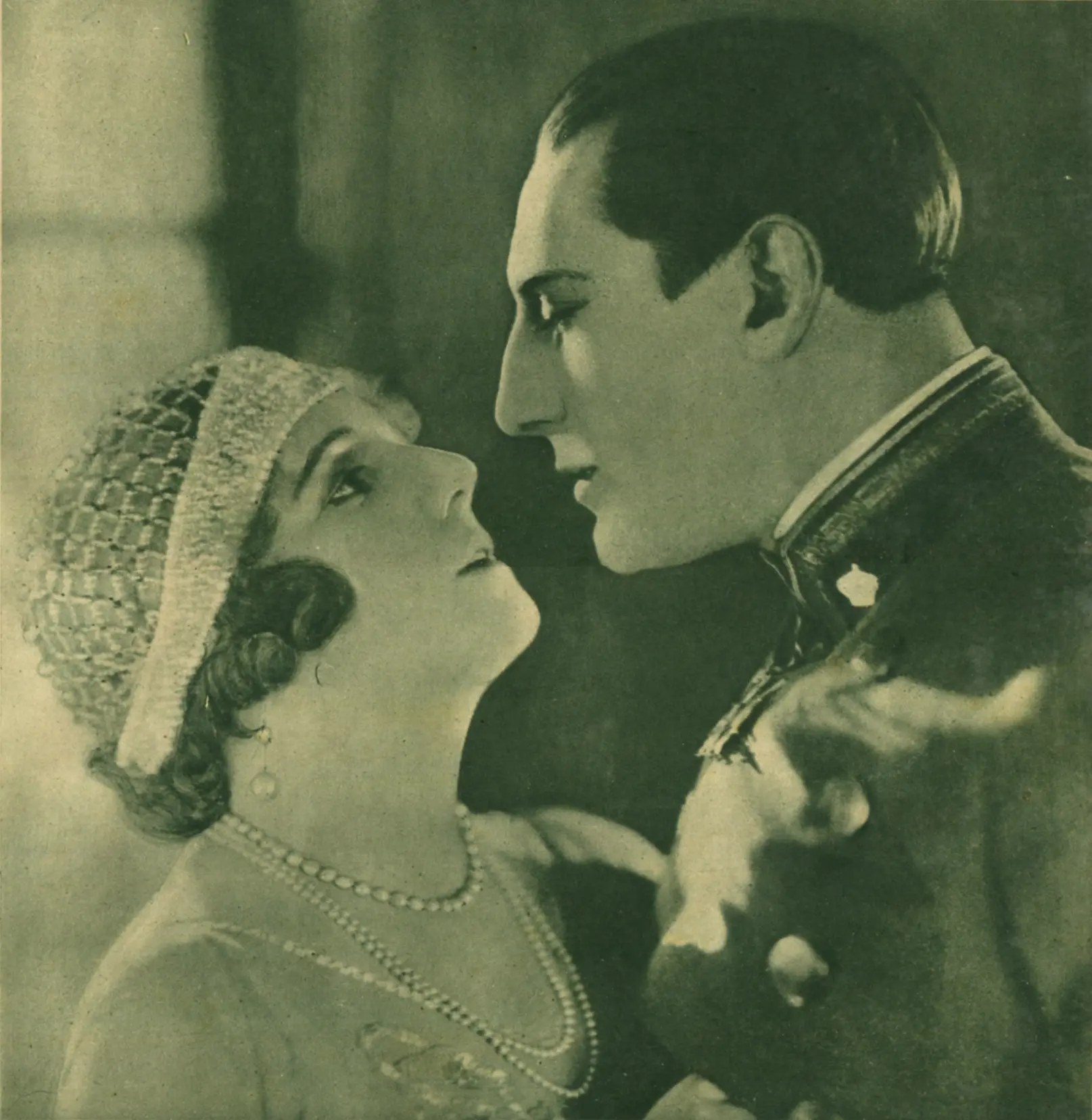
A definitive 6.8/10 rating for a film that redefined the boundaries of cult cinema. La princesse aux clowns remains a cornerstone of transgressive art.
Is "La princesse aux clowns" worth unearthing from the silent film archives today? Short answer: yes, but with significant caveats for the modern viewer. This French melodrama, a product of the 1920s, offers a fascinating glimpse into a bygone cinematic era, yet its appeal is undeniably niche.
This film is for dedicated cinephiles, historians of early cinema, and those with a genuine appreciation for the art of silent storytelling. It is emphatically NOT for casual viewers seeking contemporary pacing, dialogue-driven narratives, or readily accessible emotional beats.
Stepping into the world of "La princesse aux clowns" is less like watching a movie and more like engaging with a historical artifact. Directed and written by Jean-José Frappa and Mary Murillo, this 1920s French production, starring the formidable Huguette Duflos, embodies the dramatic sensibilities and visual language of its time. Its very title evokes a specific kind of melodrama: a royal figure, perhaps burdened by duty, finding solace or conflict within the vibrant, often melancholic, world of the circus.
The film, like many from its period, exists in a delicate state, its full impact often obscured by the passage of time, the loss of original prints, or the challenge of modern interpretation. Yet, even in its spectral form, it invites a critical examination of what silent cinema achieved and how it attempted to communicate complex human emotions without the spoken word.
This film works because of its ambitious thematic underpinnings, attempting to bridge the stark divide between aristocratic isolation and theatrical escapism, a common but potent trope in early 20th-century art. It fails because, like many silent films, its narrative relies heavily on visual cues and intertitles that can feel antiquated or even obtuse to an audience unaccustomed to its rhythm. You should watch it if you possess an academic curiosity for the development of French cinema and a patience for the unique demands of the silent era.
The success of any silent film hinges almost entirely on the expressive capabilities of its cast. Without dialogue, actors had to convey every nuance of emotion, every shift in intention, through exaggerated facial expressions, precise body language, and the sheer force of their presence. Huguette Duflos, a prominent figure in French cinema of the era, carries the weight of "La princesse aux clowns" on her shoulders, presumably in the titular role.
Duflos was known for her dramatic intensity and her ability to project an aura of both vulnerability and strength. In a film titled "The Princess with Clowns," one can envision her portrayal of a royal figure struggling with the confines of her position, her regal composure slowly cracking under the allure or burden of the circus's world. Her performance would have been a masterclass in silent acting, using every gesture, every tilt of the head, to communicate inner turmoil or burgeoning hope.
Consider, for instance, how a subtle widening of the eyes or a trembling hand could signify despair, or how a slow, deliberate walk could convey both dignity and profound sadness. These are the tools of the silent actor, and Duflos, alongside Paul Franceschi and Charles de Rochefort, would have been expected to wield them with expert precision. Franceschi, often cast in more rugged or villainous roles, might have provided the earthy counterpoint to Duflos's ethereal princess, embodying the raw energy of the circus world.
The ensemble cast, including Madame Calvé Debrenne and Louis Monfils, would have contributed to the rich tapestry of supporting characters, each required to etch their persona clearly and quickly without the aid of spoken exposition. This demand for immediate, visual characterization is a fascinating aspect of silent film acting, often leading to archetypal yet compelling figures that resonate even today.
Jean-José Frappa's direction, guided by Mary Murillo's scenario, would have been instrumental in crafting the film's visual poetry. Silent film cinematography was an art form in itself, relying on composition, lighting, and camera movement to tell the story. For "La princesse aux clowns," one can imagine a stark contrast in visual styles: the gilded, perhaps dimly lit, interiors of the princess's palace versus the vibrant, dynamic, and often chaotic scenes of the circus.
The use of chiaroscuro lighting, a hallmark of early European cinema, would have been employed to emphasize the princess's isolation and internal conflict. Shadows would have played a crucial role, perhaps lengthening around her in moments of despair or receding as she finds a glimmer of hope. Conversely, the circus scenes would likely have been shot with more open, dynamic compositions, perhaps utilizing tracking shots (primitive as they might have been for the era) to capture the energy of the performers.
Think of the visual power in a close-up of a clown's painted face, a forced smile masking genuine sorrow, juxtaposed with the serene, yet equally pained, expression of the princess. This kind of visual storytelling, devoid of dialogue, demands a director with a keen eye for symbolism and emotional resonance. Frappa, working within the constraints and innovations of 1920s French cinema, would have been tasked with translating the writers' dramatic intent into a compelling visual narrative, relying on editing rhythms and shot composition to build tension and reveal character.
The film's visual design, from costumes to set pieces, would also have played a significant role. The elaborate gowns of royalty against the whimsical, often tattered, costumes of the clowns offer a potent visual metaphor for the film's central themes of social class, disguise, and authenticity. This is where the silent film truly shines: in its ability to communicate profoundly through pure visual artistry.
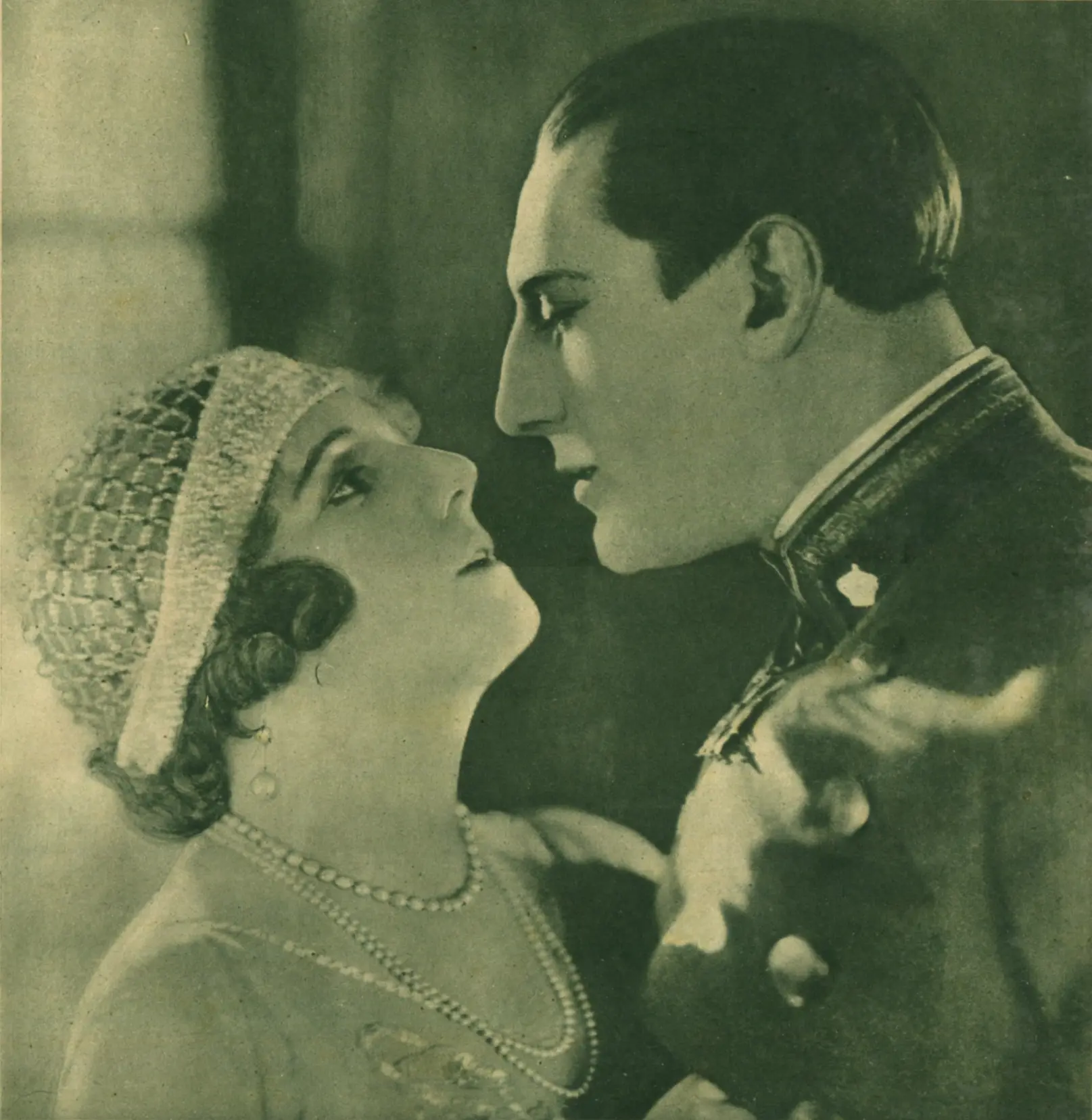
Pacing in silent films is often a point of contention for modern audiences. Accustomed to rapid-fire editing and constant narrative propulsion, the deliberate, often slower, rhythm of early cinema can feel ponderous. However, this measured pace was not a flaw; it was a deliberate artistic choice, allowing audiences to absorb the visual information, process the emotional beats conveyed by the actors, and read the intertitles without feeling rushed.
For a melodrama like "La princesse aux clowns," the pacing would have been carefully orchestrated to build dramatic tension. Slow, lingering shots on the princess's pensive face would have allowed the audience to empathize with her internal struggle. Sequences within the circus, while perhaps more energetic, would still have been punctuated by moments of quiet reflection, emphasizing the profound humanity beneath the spectacle.
The tone would undoubtedly swing between the somber gravity of the princess's predicament and the bittersweet charm of the circus. Silent films excelled at this kind of emotional tightrope walk, often blending moments of genuine pathos with lightheartedness, or even dark comedy. The clowns, central to the narrative, embody this duality perfectly – their purpose is to evoke laughter, yet their lives are often marked by hardship and a unique form of melancholy. This inherent contradiction is ripe for exploration, and a skilled director like Frappa would have leaned into it heavily.
The emotional resonance of "La princesse aux clowns" would have been amplified by its musical accompaniment, which, while not part of the film print itself, was an integral part of the viewing experience. A live orchestra or pianist would have provided the emotional score, guiding the audience through the princess's journey, emphasizing moments of joy, sorrow, and suspense. Without this element, much of the intended emotional impact is lost to contemporary viewers watching a silent print at home, which is a significant barrier to fully appreciating the film as it was originally conceived.
To truly appreciate "La princesse aux clowns" today requires a conscious effort to adjust one's cinematic sensibilities. It's not merely about enduring the lack of sound; it's about re-learning how to 'read' a film that communicates primarily through visual cues, symbolic gestures, and carefully crafted compositions. This film stands as a testament to the ingenuity of early filmmakers who, without the benefit of synchronized sound, managed to tell complex stories and evoke powerful emotions.
Its relevance today lies less in its direct entertainment value for a mainstream audience and more in its historical significance. It offers insights into French societal values of the 1920s, the evolving role of women in cinema (both on and off screen), and the narrative tropes that captivated audiences a century ago. The theme of a royal figure seeking escape or connection with the common folk is timeless, echoing through countless fairy tales and dramas, from A Poor Fish to modern romantic comedies. Yet, here it is rendered with a distinct silent-era gravitas.
One unconventional observation is how much the *absence* of sound forces the viewer to become a more active participant. You are not passively consuming dialogue; you are actively interpreting expressions, inferring meaning from glances, and constructing the emotional soundscape in your mind. This makes for a surprisingly intimate, almost meditative, viewing experience that is starkly different from contemporary blockbusters.
However, this active engagement can also be exhausting. The lack of readily available, high-quality prints and the often-missing original scores mean that much of the film's intended grandeur and emotional punch might be lost. It works. But it’s flawed.
Yes, for a very specific audience. If you are a student of film history, particularly French silent cinema, or possess a deep appreciation for the art of visual storytelling without dialogue, then "La princesse aux clowns" offers a valuable and enriching experience. It's a window into a foundational period of cinematic art.
However, if your preference leans towards modern narratives, fast pacing, or films that don't require significant historical context to enjoy, this film will likely prove challenging and potentially unrewarding. It demands patience and an open mind.
"La princesse aux clowns" is a film that deserves to be remembered and studied, even if it's unlikely to find a broad new audience today. Its artistic ambition, the compelling central premise, and the presumed strength of its lead performance by Huguette Duflos mark it as a significant piece of early French cinema. It's a poignant reminder of a time when stories were told through gesture, expression, and the sheer power of visual composition.
While it demands a degree of historical empathy and cinematic patience, the film offers a unique window into the artistry of the silent era. It's not a casual watch; it's an experience that requires investment, but one that can yield profound insights into the foundational elements of storytelling on screen. For the right viewer, it's an important, if challenging, cinematic journey. For others, it will remain a curious, beautiful specter from cinema's past.
IMDb —
1924
Community
Log in to comment.