DbcultAccessing Vault...
Cult Review
Senior Film Conservator
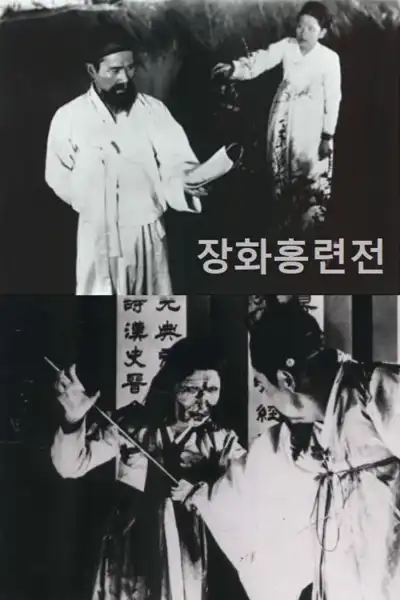
If you're into folk tales that carry a heavy, aching sadness, Janghwahong ryeonjeon is going to hit the spot. You probably won't love this if you need fast pacing or jump scares every five minutes; it’s more like sitting on a porch listening to an old person tell a story they’ve held onto for decades.
The whole thing feels like it’s being told through a veil of gauze. The suffering of the sisters is so blunt and cruel that it makes your stomach turn, not because of gore, but because of how unfair it all feels. The step-mother is essentially a villain from a fairy tale who forgot to leave the woods.
I found myself zoning out during the magistrate scenes—they drag on just a little too long, honestly. It feels like the movie is trying to build up this judicial weight, but it just ends up being a lot of people sitting in rooms talking about papers. Whatever, though. The ghost scenes are the real reason you’re watching.
There is this one moment where the lighting shifts just slightly, and you realize you’ve been holding your breath for a full minute. It’s not fancy camera work, just pure atmosphere.
It reminded me a bit of the mood in The Night Bird, where the environment itself feels like it’s hiding secrets in the corners. You keep waiting for something to reach out from the dark, but the movie is more interested in the lingering grief than a quick scare.
It’s not a perfect film, and parts of it feel like they might have been lost or edited by someone with a very heavy hand. You can tell where the film stock got a bit tired. Still, there’s something about the way Jang-hwa’s spirit carries herself that sticks with you. 👻
It’s a quiet, heavy watch. Maybe don’t put this on if you’re looking for a fun night in, but if you want to feel something ancient and sad, this works.
Year
1936
IMDb Rating
—

Editorial
Deciphering the legacy of transgressive cult cinema.
Community
Log in to comment.